Category Archives: Outtakes

Movie-related whatnot

Most Overlooked Films of 2021

by Hope Madden and George Wolf

So many movies come out each year, it’s impossible to keep up. Too many get forgotten, either because they underperformed theatrically, they didn’t get a wide release, they were rolled out poorly to streamers, or they simply had no budget of any kind to draw attention to themselves. So, to give these 20 films a little extra attention, here —in alphabetical order—are our favorite underseen films of 2021.

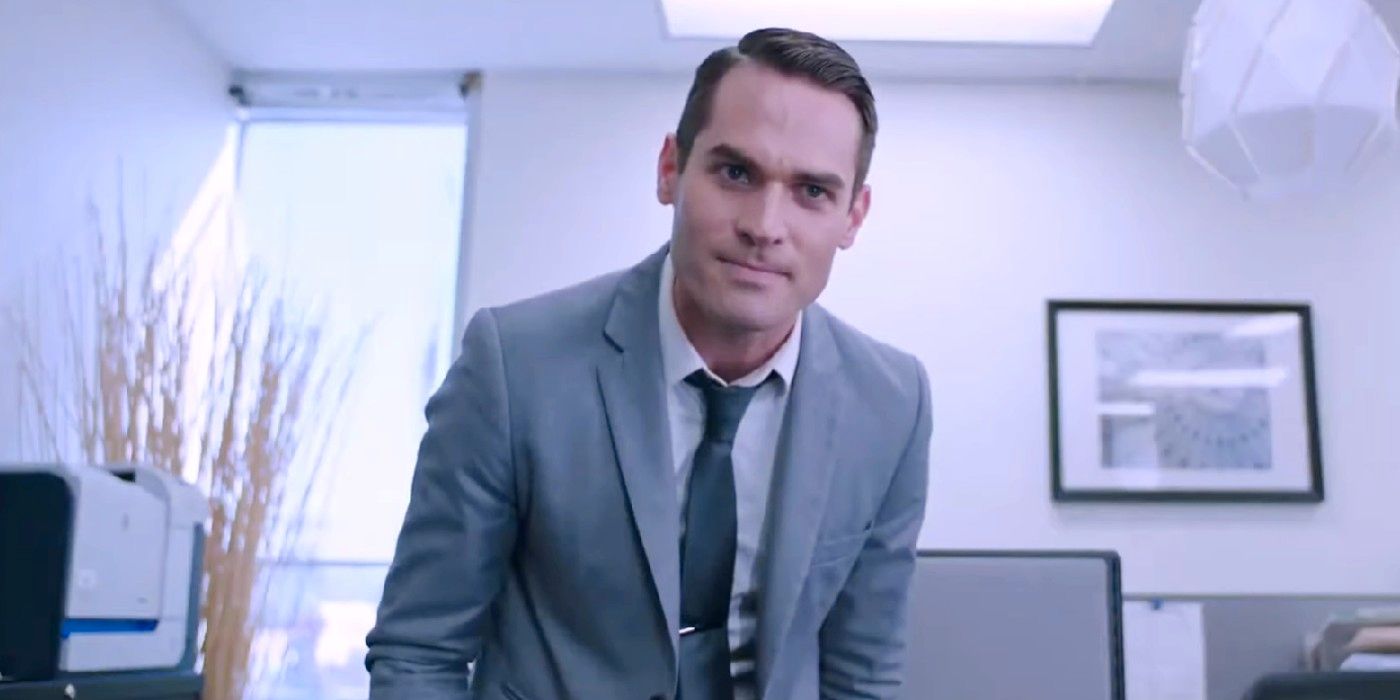
The Beta Test

If Eyes Wide Shut had been a brutal commentary on the film industry and Tom Cruise had been an unsympathetic, insecure, entitled white man…the point is, The Beta Test is a wild, insanely tense satire.

Co-writers/co-directors/co-stars Jim Cummings and PJ McCabe invite you into a world populated by people who miss the days before Harvey Weinstein’s ousting. The two play Jordan and PJ, respectively—Hollywood agents with no real purpose, no real value, a lot of spin, a lot of anxiety, and a chip on their collective shoulders about the stuff they can no longer get away with.

The Card Counter

The damaged man seeking redemption — it may be the most cinematic concept, or certainly among the most frequently conjured by filmmakers. When Paul Schrader is on his game, no one tells this story better.

Oscar Isaac and his enviable hair play William Tell, gambler. Isaac is a profound talent and essentially flawless in this role. He is the essential Schrader protagonist, a man desperate for relief from an inner torment through repression, redemption or obliteration.

Censor

It’s 1985, Thatcher’s England: an era when controversial films hoping to make their way to screens big and small found themselves more butchered than their characters. Writer/director Prano Bailey-Bond and co-writer Anthony Fletcher evoke such a timestamp with this film, not just in the look and style, but with the social preoccupation.

Censor is a descent into madness film, but its deep love and understanding of the genre play a central role in this madness. Niamh Algar’s performance as the video nasty censor in question is prim and sympathetic, deliberate and brittle. It’s clear from the opening frame that Enid will break. But between Algar’s skill and Bailey-Bond’s cinematic vision, the journey toward that break is a wild ride.

The Humans

Two of 2021’s most prominent film themes – impressive debuts and stellar ensembles – come together in rookie writer/director Stephen Karam’s The Humans.

Adapting his own stage play, Karam displays wonderful instincts for how his story of a family reunion could move from stage to screen with relevant new layers. Buoyed by a first-rate cast including Richard Jenkins, Steven Yeun, Amy Schumer, Beanie Feldstein and Jayne Houdyshell, The Humans slowly revels itself as a domestic horror show, with familiar tensions and deep-seeded fears becoming more frightful than anything going bump in the night.

Lamb

Among the many remarkable elements buoying the horror fable Lamb is filmmaker Valdimar Jóhannsson’s ability to tell a complete and riveting tale without a single word of exposition. Rather than devoting dialog to explaining to us what it is we are seeing, Jóhannsson relies on impressive visual storytelling instincts.

His cast of three – well, four, I guess — sells the fairy tale. A childless couple working a sheep farm in Iceland find an unusual newborn lamb and take her in as their own child. As is always the way in old school fables, though, there is much magical happiness but a dire recompense soon to come. It is an absolutely gorgeous, entirely unusual and expertly crafted gem of a film. You should see it.

Language Lessons

Yes, Language Lessons is a “Zoom call” movie. But don’t let that keep you from dialing in, or you’ll miss a completely charming two-hander from Natalie Morales and Mark Duplass that has plenty to say, with and without subtitles.

And though Language Lessons may have all the markings of a pandemic production, it’s not a “pandemic” film. These two souls are worlds apart due to circumstance rather than quarantine. But they crave to enrich their own lives through sharing them with someone else, and end up giving us a poignant reminder to make more friends and fewer excuses.

The Last Duel

This is a brooding, brutal, violent and sexually violent film, one that utilizes a Rashomon-style narrative to frame an often debated moment in history around a centuries-old struggle that continues today.

Director Ridley Scott presents the tale with exceptional craftsmanship and spectacle, getting big assists from Dariusz Wolski’s gritty, expansive cinematography and Michael Fentum’s detailed sound design. Scott’s remarkable cast — Jodie Comer, Adam Driver, Matt Damon and Ben Affleck — digs in to these old ideas to find startling relevance.

The Last Duel aims for more than just a gripping history lesson. It’s ultimately able to use that history to remind us that the way society treats women generally – and women’s sexuality specifically – has changed little since the freaking Middle Ages. 

Mass

An unthinkable tragedy has connected these four people (Jason Isaacs, Martha Plimpton, Ann Dowd, Reed Birney) for life, and veteran actor turned writer/director Fran Kranz explores their journey of healing with a gently assured filmmaking debut full of shattering emotion.

Yes, you will need some of those tissues, too. But Kranz’s touch is so perfect, and the characterizations so real, that you never feel preached to, even with a large crucifix dominating the room.

Mass is a spare chamber piece that makes sure nothing comes easy. You hang on every word, afraid to intrude on this intimate pain yet welcoming the invitation. With insightful writing, superb performances and unassuming direction, it’s a cathartic film that deconstructs an all too common tragedy with overdue honesty.

My Heart Can’t Beat Unless You Tell It To

Making an unnervingly assured feature film debut, writer/director Jonathan Cuartas commingles The Transfiguration’s image of lonely, awkward adolescence with Relic’s horror of familial obligation to create a heartbreaking new vampire tale.

Many things are left unsaid (including the word “vampire’), and My Heart Can’t Beat Unless You Tell It To confines itself to the daily drudgery of three siblings. Dwight (Patrick Fugit) longs to break these family chains, but sister Jessie (Ingrid Sophie Schram) holds him tight with shame, love, and obligation to little brother, the afflicted Thomas (Owen Campbell).

What could easily have become its own figurative image of the masculine longing for freedom mines far deeper concerns. Cuartas weaves loneliness into that freedom, tainting the concept of independence with a terrifying, even dangerous isolation that leaves you with no one to talk to and no way to get away from yourself.

Nine Days

In his feature debut, writer/director Edson Oda presents an impressively assured vision of transfixing beauty and gentle poignancy. While the current run on “appreciate every day” films is hardly surprising in today’s climate, Oda brings an organic originality to the mantra of seeing the world through someone else’s eyes.

Winston Duke (Us, Black Panther) is phenomenal as a “cog in the wheel” who becomes caught between the clinical completion of his duties and the emotional weight of his responsibilities.

Give Oda credit for being unafraid of the moment. He’s taking some big swings at mighty heavy concepts here, with an originality of voice and attention to craft that is welcome any day.

Riders of Justice

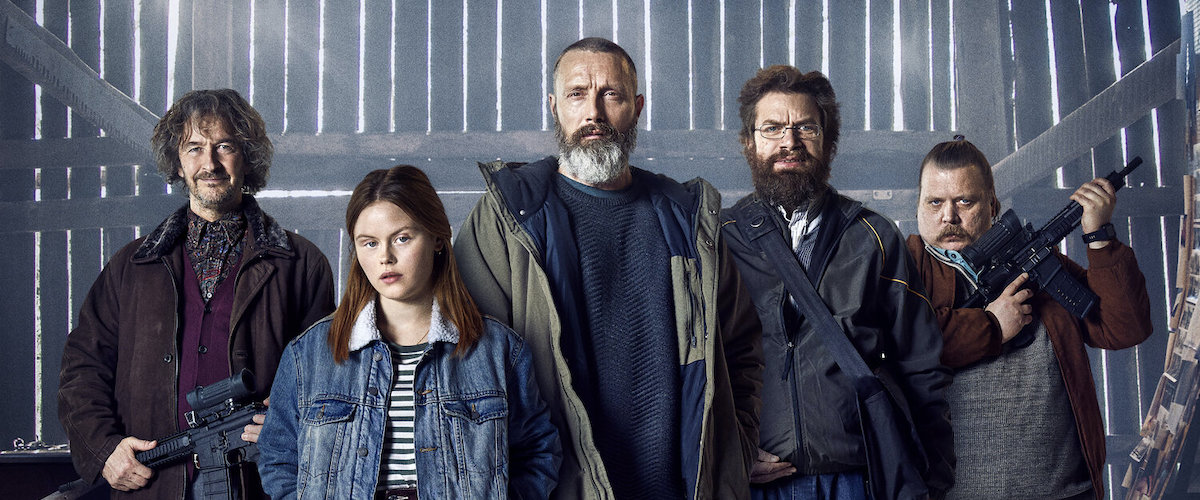
Men will single-handedly gun down an entire biker gang rather than go to therapy. That’s the premise from prolific writer-director Anders Thomas Jensen, as he reunites with Mads Mikkelsen in this dark comic revenge fantasy.

But Jensen isn’t nearly as interested in the physical mayhem as the emotional wreckage his oddball characters are all coping with. Riders of Justice treats its characters with such forgiving empathy that it’s easy to forget that the group is also almost certainly responsible for the most murders in Denmark since the Vikings.

Saint Maud

Maud (an astonishing Morfydd Clark) has some undefined blood and shame in her recent past. But she survived it, and she knows God saved her for a reason. She’s still working out what that reason is when she meets Amanda (Jennifer Ehle), a former choreographer now crumbling beneath lymphoma. Maud cannot save Amanda’s body, but because of just the right signs from Amanda, she is determined to save her soul.

As a horror film, Saint Maud is a slow burn. First-time writer/director Rose Glass and crew repay you for your patience, though, with a smart film that believes in its audience. Her film treads the earth between mental illness and religious fervor, but its sights are on the horror of the broken-hearted and lonesome.

Shiva Baby

Clearly, much of writer/director Emma Seligman’s sharp dialog comes from personal experience, and if it’s one you share this is a film that will feel like part of the family. But you didn’t have to be Greek to get caught up in that Big Fat Wedding, and you don’t have to be Jewish to see the joy in Shiva Baby.

Seligman flashes an insight that disarms you with sex and humor, keeping its hand at a subtle distance. But by the time we’re leaving the buffet, a breakout filmmaker and star (the irresistible Rachel Sennot) have delivered a fresh, funny and intimate take on the indignities of finding yourself.

Together Together

It takes a full two minutes to get a really good feeling about Together Together. Writer/director Nikole Beckwith delivers witty, engaging dialogue from the jump, defining characters and setting the stakes in a beautifully organic manner. 

There’s love and family and funny stuff here, and though none of it is quite the kind we’re used to seeing, all of it is wonderfully real. Together Together is a delivery that somehow feels comfortable and unique, both overdue and right on time.

Wild Indian

As angry a movie as you’re likely to see, Wild Indian pushes you to hope compassion and tenderness come to the most unlikeable man onscreen.

Writer/director Lyle Mitchell Corbine Jr. refuses to lean on stereotypes that would make the central performance more comfortable viewing. Makwa (a stunning Michael Greyeyes) is neither victim nor noble wiseman. Not entirely a villain, he’s nonetheless ill-suited as antihero or, God forbid, hero. He’s a survivor bound up in his own guilt and shame, taking advantage of whatever he can and hating himself and everyone around him because of it.

It’s a desolate world Corbine Jr. creates, but no less remarkable for its bleakness. A character study unlike anything else on screen this year, Wild Indian gives longtime character actor Greyeyes the opportunity to command the screen and he more than rises to the occasion.
25 for 2021

by Hope Madden and George Wolf

Looking back, what will we remember about the 2021 year in film? Musicals, black and white palettes, smoking, ensembles and impressive debuts are the trends we’ll think of first. But more specifically, we’ll remember these 25 favorites:

1. Licorice Pizza

Paul Thomas Anderson’s latest is loose, forgiving, and along for the ride as 15-year-old entrepreneur Gary Valentine (Cooper Hoffman) woos life, Hollywood and, in particular, Alana Kane (Alana Haim), his much older paramour.

Danger edges but never fully punctures the sunshine of youth that brightens every scene of the movie. But that darkness is there, looming like the creepy guy staring at your office window, or the cops who arrest you mistakenly, or the volatile Hollywood producer who may or may not smash your window (or your head) in with a crowbar. (Thank you, Bradley Cooper, by the way, for that brief but unforgettable performance.)

It’s nostalgic. It’s uproarious, dangerous, just-this-side-of-innocent fun. It’s a near-masterpiece.

2. The Power of the Dog

Even if you haven’t read the celebrated source novel by Thomas Savage, director Jane Campion’s adaptation unfolds with enough subtle poetry to convince you that it must be a wonderful read. Onscreen, the Oscar-winning Campion (The Piano) contrasts the vast majesty of the American West (kudos to cinematographer Ari Wegner) with delicate details that shift the nature of love, trust and strength within a family.

Kodi Smit-McFee, Jesse Plemmons, Kirstin Dunst and a particularly brilliant Benedict Cumberbatch bring her story to life. The Power of the Dog finds its own power in what it shows but never truly tells. It’s a film that is hauntingly lyrical and masterfully assembled, with a beauty that lingers like an echo in the Montana wilderness.

3. The Tragedy of Macbeth

Coen brother Joel delivers a vision that’s both decidedly theatrical and profoundly cinematic with his solo directorial effort. Filmed in Bergman-esque black and white to glorious ends, Denzel Washington and Frances McDormand play the Lord and his Lady and this, friends, is a dream team. Two of the most celebrated and talented actors of modern cinema square off, and the veterans give an inconic relationship a depth that tinges the eventual madness with touching grief.

A uniformly brilliant ensemble (kudos in particular to Kathryn Hunter’s inspired turn as the witches) gives this dreamy take on the Bard its life.

Coen’s venture into Shakespeare, though it strips away the humor and quirk you may associate with Coen Brother filmmaking, stands as a strikingly Coen film. And that has never one time been a bad thing.

4. Summer of Soul

According to director Amir “Questlove” Thompson, the first time he saw some of the digitized footage from the 1969 Harlem Cultural Festival concerts, he nearly wept.

You might, too.

From the gospel of Mahalia Jackson to the blues of B.B. King, from the 5th Dimension’s smooth pop to Sly Stone’s psychedelic funk, the musical styles blend gloriously in the summer sun and the goosebump moments mount. But even more impressive than Thompson’s musical direction is the way he frames the entire festival through a deeply effective context of time, place, and population.

5. West Side Story

Right from the opening minutes, Steven Spielberg’s camera seamlessly ebbs and flows along with the street-roaming Sharks and Jets. From one musical set-piece to the next, Spielberg’s touch is smoothly precise, starting wide to capture the breadth of Justin Peck’s homage to Jerome Robbins’s iconic choreography, zooming in for intimacy, and then above the dancers and rumblers for gorgeous aerials set with pristine light and shadow.

It just looks freaking fantastic.

And in bringing his own vision to a classic story, Spielberg gently adds a perspective that makes Tony and Maria’s quest soar with a renewed, more universal vitality.

Just like most everything else in this West Side Story.

Christie Robb’s favorite film of 2021: Luca

Pixar/Disney’s Luca fosters self-acceptance and bravery in kids who were in the process of transitioning back to in-person school.

6. Flee

Like so many other headlines of numbing enormity that we regularly scroll past, stories of the worldwide refugee crisis rarely come with an intimacy that makes the stakes feel palpable. Flee brings an animated face to the discussion, using one man’s incredible story to re-frame the issue with soul-stirring humanity.

Using that man’s actual voice in the conversations with director Jonas Poher Rasmussen adds startling depth to the reenacted memories, and as our childlike comfort with animated scenes clashes with the uncomfortable scenes depicted, Flee‘s bracing resonance only intensifies.

7. Nightmare Alley

What director Guillermo Del Toro brings to this remake of a 1947 noir classic, besides a breathtaking cast and an elegantly gruesome aesthetic, is his gift for humanizing the unseemly. As usual, Del Toro wears his feelings proudly on his sleeve, with unmistakable but organic foreshadowing that ups the ante on the stakes involved. Anchored by another sterling performance from Bradley Cooper as Stan, the journey rises to biblical proportions. An actor whose gifts are often deceptively subtle, Cooper makes sure Stan’s pride always arrives with a layer of charming sympathy, even as it blinds him to the pitfalls ahead.

For Del Toro fans, the most surprising aspect of Nightmare Alley might be the lack of hopeful wonder that has driven most of his films. As the title suggests, this is a trip to the dark corners of the soul, where hope is in damn short supply. As much as this looks like a Del Toro film, it feels like a flex just from taking his vision to the sordid part of town. But what a vision it turns out to be – one of the year’s best and one of his best.

8. Drive My Car

Adapting a short story into a three-hour class on screenwriting, writer/director Ryûsuke Hamaguchi turns a seemingly simple premise – a visiting theater director begrudgingly accepts a chauffer from festival organizers – into a sprawling study of the human soul.

As secrets are revealed and burdens lifted, Drive My Car becomes a soaring testament to grief, forgiveness, moving on and the unending lure of a fine automobile.

9. Riders of Justice

Men will single-handedly gun down an entire biker gang rather than go to therapy. That’s the premise from prolific writer-director Anders Thomas Jensen, as he reunites with Mads Mikkelsen in this dark comic revenge fantasy.

But Jensen isn’t nearly as interested in the physical mayhem as the emotional wreckage his oddball characters are all coping with. Riders of Justice treats its characters with such forgiving empathy that it’s easy to forget that the group is also almost certainly responsible for the most murders in Denmark since the Vikings.

Matt Weiner’s favorite film of 2021: Riders of Justice

It’s the feel-good Christmas comedy that brings the whole family together with good cheer, redemption, philosophical detours on the meaning of life and a body count that puts Die Hard to shame.

10. Wild Indian

As angry a movie as you’re likely to see, Wild Indian pushes you to hope compassion and tenderness come to the most unlikeable man onscreen.

Writer/director Lyle Mitchell Corbine Jr. refuses to lean on stereotypes that would make the central performance more comfortable viewing. Makwa (a stunning Michael Greyeyes) is neither victim nor noble wiseman. Not entirely a villain, he’s nonetheless ill-suited as antihero or, God forbid, hero. He’s a survivor bound up in his own guilt and shame, taking advantage of whatever he can and hating himself and everyone around him because of it.

It’s a desolate world Corbine Jr. creates, but no less remarkable for its bleakness. A character study unlike anything else on screen this year, Wild Indian gives longtime character actor Greyeyes the opportunity to command the screen and he more than rises to the occasion.

11. Pig

This touching film—a tale of love, loss, authenticity and a good meal— is essentially the anti-John Wick. And we are better for it.

Nicolas Cage is almost always the center of attention in every film he’s in. It’s tough to look away from him because you’re afraid you’ll miss some insane grimace or wild gesture, but also because filmmakers love him and never pull away. Here, co-writer/director Michael Sarnoski asks you to wait for it. He gives Cage time to pause, breathe, and deliver his most authentic performance in ages.

Brandon Thomas’s favorite film of 2021: Pig

Pig is a beautiful commentary on grief while also serving as a reminder that Nicolas Cage never stopped being one of our finest actors.

12. Passing

Making her feature debut behind the camera, Rebecca Hall adapts Nella Larsen’s 1929 novel about women unable to find a place to truly belong. Hall mines Larsen’s insight and longing to produce a visually stunning, melancholy period piece.

The languid beauty and comment on class play like a more delicate take on Gatsby, Hall subtly drawing attention not only to the racial divide but to the socioeconomic divide within Irene’s (Tessa Thompson) home and life. Never showy, never heavy-handed, the film’s themes prick at the audience just as they slowly, cumulatively wound Irene.

Thompson delivers an introspective performance unlike anything thus far in her impressive career. Likewise, Ruth Negga is superb as Irene’s friend/nemesis Clare, just incandescent and haunting as a damaged, elegant survivor.

13. Belfast

Belfast is a man’s reminiscence of his own childhood, informed by the movies and songs that bleed together with memory and saturated in the wonder of youth.

Director Kenneth Branagh has yet to make a film with such precise visual purpose or style. Every black and white frame, every movement or lack of movement from the camera carries the vision of the film. 

It is sentimental. It is nostalgic. It is unapologetically sincere. But by taking the perspective of a 9-year-old boy (a magnificent Jude Hill) trying to make sense of a suddenly and profoundly confusing and frightening world, the film gets away with it.

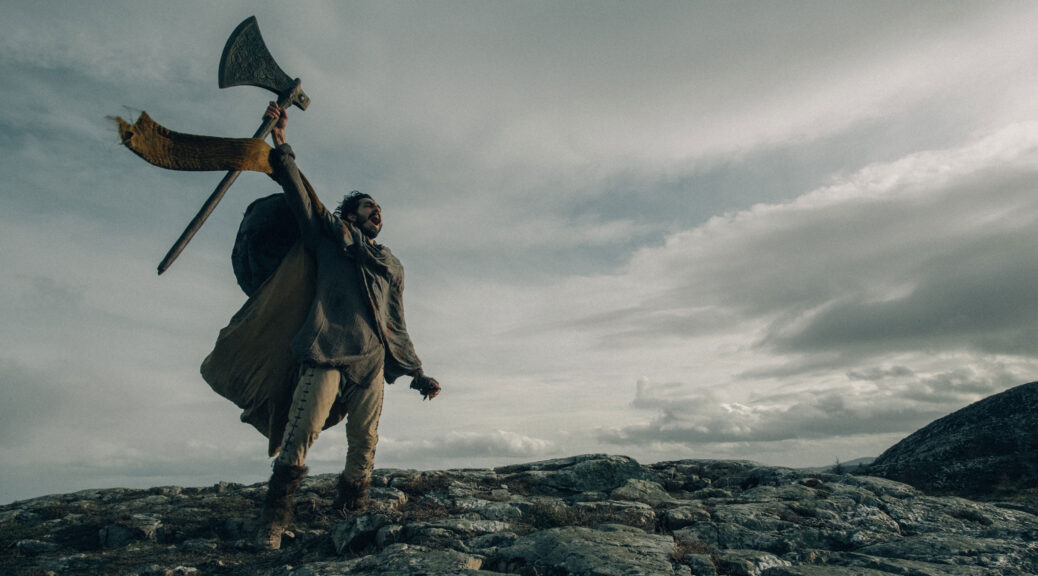
14. The Green Knight

Lutes and mead, chainmail and sorcery—director David Lowery’s Camelot is just as rockin’ as ever in his trippy coming-of-age style The Green Knight. The story itself may be more than 700 years old, but credit Lowery, who adapted the old ballad for the screen, with finding fresh intrigue in the old bones. He’s slippery with symbolism and draws wonderful performances from the ensemble.

His visual storytelling has always been his greatest strength as a director and this tale encourages his most fanciful and hypnotic style to date. The Green Knight is gorgeous. The color and framing are pure visual poetry. Together with a never-better Dev Patel and an exceptional ensemble, Lowery’s created a magical realm where you believe anything could happen.

Cat McAlpine’s favorite film of 2021: The Green Knight

The Green Knight is a visual spectacle that matches the scale of journeying within oneself, masterfully portrayed by a wide-eyed and constantly wet Dev Patel.

15. C’mon C’mon

A man’s changing relationship with his young nephew mirrors his deepening bond with his estranged sister. That man, Johnny, is played by Joaquin Phoenix, particularly endearing in this film. Nine-year-old Woody Norman soars as the nephew, his chemistry with Phoenix couldn’t be more charming or genuine. Gaby Hoffmann is wonderful as well as Norman’s mom, Johnny’s sister Viv.

C’mon C’mon wraps the messy, awkward, disappointing realities of being human in a blanket of hope. As cloying as that sounds, the film is so sincere it’s hard to deny its warmth.

16. The Lost Daughter

Unnerving intimacy marks Maggie Gyllenhaal’s debut as a feature director. Luckily for all of us, Gyllenhaal’s uniformly subline cast meets the challenge.

Adapting Elena Ferrante’s novel, Gyllenhaal challenges romantic preconceptions about motherhood (sometimes quite bitingly, thanks to lines delivered with acidic precision by the remarkable Olivia Colman). The film acknowledges what is given up, what is lost, when you essentially transfer ownership of yourself—your time, your attention, your future—to someone else, to your children. The theme is deeply and honestly felt, and that, too, is unnerving.

17. The Humans

Two of 2021’s most prominent film themes – impressive debuts and stellar ensembles – come together in rookie writer/director Stephen Karam’s The Humans.

Adapting his own stage play, Karam displays wonderful instincts for how his story of a family reunion could move from stage to screen with relevant new layers. Buoyed by a first-rate cast including Richard Jenkins, Steven Yeun, Amy Schumer, Beanie Feldstein and Jayne Houdyshell, The Humans slowly revels itself as a domestic horror show, with familiar tensions and deep-seeded fears becoming more frightful than anything going bump in the night.

18. The Worst Person in the World

Led by a revelatory performance from Renate Reinsve, the latest from Norwegian writer/director Joachim Trier effectively fuses coming-of-age sensibilities and romantic drama.

As one woman navigates what she wants in a career, in a relationship, and ultimately what she wants out of life, Trier crafts small, indelible moments that bind together for a refreshingly honest look at how, as John Lennon once said, life happens when you’re busy making other plans.

19. Zola

Is it surprising that movies are now born from Twitter threads? Maybe, for a minute. But you’ll find good stories on Twitter, and with Zola, director/co-writer Janicza Bravo tells a ferociously good story, even if some of it may not be exactly true.

Bravo, Taylor Paige and Riley Keough (with solid support from Colman Domingo, Nick Braun and Jason Mitchell) all bring indelible talent to Zola, and the sheer buzz of this wild ride becomes irresistible.

Is it truth? Fiction? A bit of both?

It matters only in that it doesn’t matter at all. Because whatever truth still exists in the digital age, Zola speaks it.

Rachel Willis’s favorite film of 2021: Adventures of a Mathematician

Adventures of a Mathematician offers devastating insight into why some of the world’s most brilliant scientists lent their skills to the creation of the deadliest weapons in history.

20. Spider-Man: No Way Home

This third installment of Jon Watts’s Spidey franchise showcases the naïve optimism and youthful sweetness that has made his first two episodes such a great time, that are so perfectly embodied by star Tom Holland.

Rather than feeling like those Marvel overreaches in defining their own universe, No Way Home uses the opportunity of pulling in other movies to celebrate the hero, his roots, and what he stands for as an icon of comics, heroes, and childhoods the ‘verse over.

Oh, sure, it’s nostalgic. It panders. It also spills over with joy.

21. Spencer

The opening credits of Spencer include a declaration that the film is “a fable from a true tragedy.” Indeed, this look at the final weekend in the marriage of Princess Diana and Prince Charles is draped in sadness and longing, but it’s one that uses what you already know about its subject to its advantage, completely enveloping you in an otherworldly existence.

If you haven’t been keeping up with Kristin Stewart’s string of fine performances since the Twilight films, don’t be surprised when she starts collecting the award nominations this performance richly deserves.

Filmmaker Pablo Larrain chooses the word “fable” at the start for a reason. This film is no fairy tale, but Larraín’s committed vision and an achingly poetic turn from Stewart make Spencer a completely fascinating two hours of story time.

22. Saint Maud

Maud (an astonishing Morfydd Clark) has some undefined blood and shame in her recent past. But she survived it, and she knows God saved her for a reason. She’s still working out what that reason is when she meets Amanda (Jennifer Ehle), a former choreographer now crumbling beneath lymphoma. Maud cannot save Amanda’s body, but because of just the right signs from Amanda, she is determined to save her soul.

As a horror film, Saint Maud is a slow burn. First-time writer/director Rose Glass and crew repay you for your patience, though, with a smart film that believes in its audience. Her film treads the earth between mental illness and religious fervor, but its sights are on the horror of the broken-hearted and lonesome.

23. Candyman

This new Candyman is the most delicious brand of horror sequel. Thanks to the startling vision of director/co-writer Nia DaCosta, it is a film that honors its roots but lives so vibrantly in the now that it makes you view the 1992 original from an urgent new angle.

DaCosta’s savvy storytelling is angry without being self-righteous. Great horror often holds a mirror to society, and DaCosta works mirrors into nearly every single scene in the film. Her grasp of the visual here is stunning—macabre, horrifying, and elegant. She takes cues from the art world her tale populates, unveiling truly artful bloodletting and framing sequences with grotesque but undeniable beauty. It’s hard to believe this is only her second feature.

By the time a brilliant coda of sadly familiar shadow puppet stories runs alongside the closing credits, there’s more than enough reason for horror fans to rejoice and…#telleveryone.

24. The Last Duel

This is a brooding, brutal, violent and sexually violent film, one that utilizes a Rashomon-style narrative to frame an often debated moment in history around a centuries-old struggle that continues today.

Director Ridley Scott presents the tale with exceptional craftsmanship and spectacle, getting big assists from Dariusz Wolski’s gritty, expansive cinematography and Michael Fentum’s detailed sound design. Scott’s remarkable cast — Jodie Comer, Adam Driver, Matt Damon and Ben Affleck — digs in to these old ideas to find startling relevance.

The Last Duel aims for more than just a gripping history lesson. It’s ultimately able to use that history to remind us that the way society treats women generally – and women’s sexuality specifically – has changed little since the freaking Middle Ages. 

25. No Time to Die

Opening with a tense and expansive 26-minute prologue, Cary Joji Fukunaga unveils thrilling set-pieces and gorgeous visuals that beg for a big-screen experience. Aided mightily by a soaring, throwback score from Hans Zimmer, Fukunaga infuses Daniel Craig’s final Bond film with a respectful sense of history while it marches unafraid into the future.

The one-liners, callbacks and gags (like Q’s multi-piece tea set) are well-placed and restrained, never undercutting the nearly three-hour mission Fukunaga clearly approached with reverence.

Where does James Bond go from here? Hard to say, but this 007 doesn’t care. Five films in 15 years have changed the character and the franchise for the better, and No Time to Die closes this chapter with requisite spectacle and fitting emotion.

Daniel “Schlocketeer” Baldwin’s favorite film of 2021: No Time to Die

No Time to Die is a fantastic action adventure epic, a pitch-perfect ending to the Daniel Craig era of James Bond and a wonderful modern encapsulation of the writings of Ian Fleming.

Almost Made It:

Lamb

Beta Test

The Harder They Fall

Mass

Shiva Baby

CODA

We’re Making a Movie!

Help Us Make Obstacle Corpse

Obstacle Corpse – A Horror Comedy

You know how sometimes in an obstacle race everyone starts trying to kill you? Sunny sure does.

Hope Needs Your Help to Make Her Feature Debut!

We all want more good horror comedies. And we want more women-led films. Here’s your chance to have both. Join us in bringing Hope Madden’s debut feature film, the hilarious dasher-slasher Obstacle Corpse, to the big screen. Contribute, and you’ll help Hope make her dreams a reality, be part of a close-knit team making a difference in genre film, and get a smart horror comedy with laughs and kills all the way to the finish line.

A Story to Die For … 

Obstacle Corpse is the tale of lovably cranky teen Sunny and her quest to prove her mettle to her dad (and, ultimately, herself) in an obstacle course race that goes totally f*cking insane. Like, The Warriors meets Saw insane. It’s muddy. It’s bloody. It puts the laugh in slaughter. And it’s surprisingly  sweet and uplifting … in an off-kilter way.

… and a Creator Worth Supporting 

Hope Madden is a celebrated writer, director,  film critic, indie film champion and half of the film brand Maddwolf (along with George Wolf). She’s been preparing all her life to write and direct her debut feature film. Now, she’s ready to take all she’s learned writing optioned screenplays, directing award-winning short films and dissecting horror movies on the critically-acclaimed Fright Club podcast, and create a gut-busting horror comedy with heart (and plenty of other organs). All she needs to do it is … you! 

The Synopsis

Raised in a rah-rah survivalist family, Sunny was always more into books than backpacking as a clan. But she’s tired of disappointing her old man and getting his beard trimmings for Christmas every year (don’t ask). So she sets out to prove herself once and for all in the invite-only Guts and Glory obstacle course race, where she and her goofball friend Ezra will run alongside some past winners and hopefully show Whitey his daughter can take care of herself. 

But all is not as it seems, and soon Sunny realizes she and Ezra are in waaay over their heads, having stumbled into a Most Dangerous Game situation put on by some rich Illuminati wanna-bes. As murderous maniacs begin slaughtering the other “plus-ones” on the course’s twisted obstacles, Sunny must finally spark her survival instinct, or she, Ezra and all the other prey will be coming in — you guessed it — dead last. 

With Your Help, We’re Ready to Run 

We’ve already been working tirelessly for a year to make sure Obstacle Corpse will be made and that you’ll be proud of it. We’ve invested our own money to seed the production. The script is written, revised and locked. We’ve identified and secured locations. We have a talented above-the-line team with feature-producing experience already in place. We’ve lined up in-kind trades for essentials to reduce cost. We’ve even had initial discussions with distributors. 

Now, to make Obstacle Corpse a reality, we need your help. We’re seeking participation from the genre film family totaling $30,000 to directly support production and post-production:

  • Cast, including a face familiar to horror fans
  • Crew, including investing in Columbus-based positions
  • Special effects 
  • Obstacle construction
  • Editing, sound design and color correction
  • Deliverables for distributor

No film production is risk-free, but we’ve done everything we can to give ourselves the very best shot of finishing, delivering and distributing Obstacle Corpse. Our intent is to make this film, whether fully funded or not. The level of scale we can achieve, and the degree to which we can bring Hope’s full vision to life? That’s what you get to control!

Rewards Movie Fans Will Love

Because we’re filmmakers and crowdfunding supporters too, we took a different tack on perks. Our goal is to engage and reward the community we love while ensuring most contributions pass through directly to the cost of the film — instead of getting diverted to pay for expensive tchotchke. So we’ve designed the perks for Obstacle Corpse to create memories, insider experiences, a sense of membership and ownership, and even the chance to kick-start your own filmmaking career with the help of our expert team. 

On Your Mark. Get Set. Give!

Ready to join the race team and help make Obstacle Corpse? Here’s how to run your leg of the course. First, give what you can and enjoy the sweet perks of being part of the OC family. Next, follow us on social to hear about every development. And finally, share this campaign and brag about your good taste on every channel. 

ttps://www.indiegogo.com/projects/obstacle-corpse-a-horror-comedy#/

Best Horror Movies of the First Half of 2021

Wait, 2021 is half over already? But I think it started in March this year, right? Well, math be damned, here—in alphabetical order— is our list of the best horror films to reach us so far in 2021.

A Quiet Place Part II

For a few well-placed and important seconds, there it is: the much-discussed nail from A Quiet Place. And like most everything else in writer/director John Krasinki’s thrilling sequel, the nail’s return carries weight, speaking visually and deepening our investment in these characters’ terrifying journey.

There is no shortage of exhilarating, squirm-inducing and downright scary moments, but Krasinski instills it all with an impressive level of humanity. He gives the enterprise a welcome retro feel and his flair for visual storytelling has only strengthened since the last film.Paragraph

AQPII is lean, moves at a quick clip, thrills with impressive outdoor carnage sequences and yet commands that same level of tension in its nerve- janglingly quiet moments. Krasinski had a tough task trying to follow his 2018 blockbuster, one made even tougher now having to prove the sequel was worth saving for a theaters-only release. On both counts, we’d say he nailed it.

Caveat

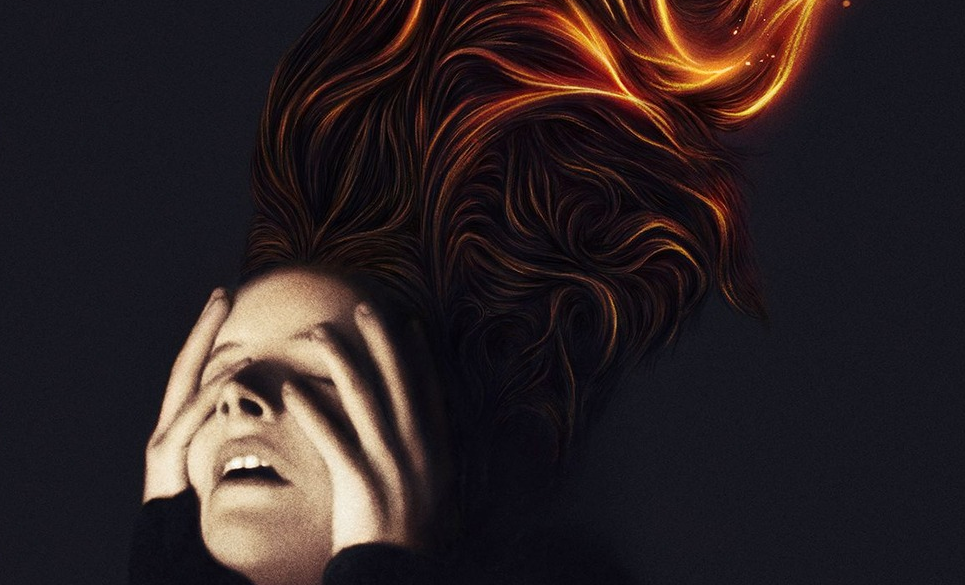
The room is dark, decrepit. A wild-eyed woman with a bloody nose holds a toy out in front of her like a demon slayer holds a crucifix. The toy – what is it, a rabbit? A jackalope? – beats a creepy little drum. Faster. Slower. Hotter. Colder.

This is how writer/director Damian Mc Carthy opens Caveat and I am in. An expertly woven tapestry of ambiguity, lies and misunderstanding sink the story into a fog of mystery that never lets up. McCarthy unveils a real knack for nightmarish visuals, images that effortlessly conjure primal fears and subconscious revulsion.

Mc Carthy does a lot with very little, as there are very few locations and a total of three cast members—all stellar. You won’t miss the budget. Mc Carthy casts a spook house spell, rattling chains and all, and tells a pithy little survival story while he’s at it.  

Censor

It’s 1985, Thatcher’s England: an era when controversial films hoping to make their way to screens big and small found themselves more butchered than their characters. Writer/director Prano Bailey-Bond and co-writer Anthony Fletcher evoke such a timestamp with this film, not just in the look and style, but with the social preoccupation.

Censor is a descent into madness film, but its deep love and understanding of the genre play a central role in this madness. Niamh Algar’s performance as the video nasty censor in question is prim and sympathetic, deliberate and brittle. It’s clear from the opening frame that Enid will break. But between Algar’s skill and Bailey-Bond’s cinematic vision, the journey toward that break is a wild ride.

Fried Barry

Writer/director Ryan Kruger maintains an experimental feel throughout Fried Barry, although his feature does take on somewhat traditional cinematic structure. This primarily consists of Gary Green—looking disheveled, lean and imposing—wandering wide-eyed and silent through Cape Town. Oh, the adventures he finds!

The film offers insanity to spare. Kruger’s episodic fever dream blends frenetic editing and a charged soundtrack into something harsher and harder than a psychedelic trip, but the film lives and dies with Green.

It isn’t as if the actor performs alone. He stumbles into and upon a slew of wild, weird and sometimes insane (literally) characters. But it’s Green you cannot take your eyes off of.

Dude is fried.

Jakob’s Wife

Director/co-writer Travis Stevens (Girl on the Third Floor) wraps this bloodlusty tale of the pastor’s wife (Barbara Crampton) and the vampire in a fun, retro vibe of ’80s low-budget, practical, blood-spurting gore.

To see a female character of this age experiencing a spiritual, philosophical and sexual awakening is alone refreshing, and Crampton (looking fantastic, by the way) makes the character’s cautious embrace of her new ageless wonder an empowering – and even touching – journey.

With Crampton so completely in her element, Jakob’s Wife is an irresistibly fun take on the bite of eternity. Here, it’s not about taking souls, it’s about empowering them. And once this lady is a vamp, we’re the lucky ones.

My Heart Can’t Beat Unless You Tell It To

Making an unnervingly assured feature film debut, writer/director Jonathan Cuartas commingles The Transfiguration’s image of lonely, awkward adolescence with Relic’s horror of familial obligation to create a heartbreaking new vampire tale.

Many things are left unsaid (including the word “vampire’), and My Heart Can’t Beat Unless You Tell It To confines itself to the daily drudgery of three siblings. Dwight (Patrick Fugit) longs to break these family chains, but sister Jessie (Ingrid Sophie Schram) holds him tight with shame, love, and obligation to little brother, the afflicted Thomas (Owen Campbell).

What could easily have become its own figurative image of the masculine longing for freedom mines far deeper concerns. Cuartas weaves loneliness into that freedom, tainting the concept of independence with a terrifying, even dangerous isolation that leaves you with no one to talk to and no way to get away from yourself.

Psycho Goreman

Endlessly quotable and boasting inspired creature design and a twisted Saturday Morning Kidventure tone, Psycho Goreman is a blast

Fans of writer/director Steven Kostanski’s 2016 breakout The Void (a perfect blend of Lovecraft and Halloween 2) might not expect the childlike lunacy and gleeful brutality of Psycho Goreman (PG for short), but they should. His 2012 gem Father’s Day (not for the easily offended) and his 2011 Manborg define not only his tendencies but his commitment to tone and mastery of his material.

His ensemble here works wonders together, each hitting the comedic beats in Kostanski’s script hard enough that the goretastic conclusion feels downright cheery. This movie could not be more fun.

Saint Maud

Maud (an astonishing Morfydd Clark) has some undefined blood and shame in her recent past. But she survived it, and she knows God saved her for a reason. She’s still working out what that reason is when she meets Amanda (Jennifer Ehle), a former choreographer now crumbling beneath lymphoma.

Ehle’s performance strikes a perfect image of casual cruelty, her scenes with the clearly delicate Maud a dance of curiosity and unkindness. Clark’s searching, desperate performance is chilling. Writer/director Rose Glass routinely frames her in ways to evoke the images of saints and martyrs, giving the film an eerie beauty, one that haunts rather than comforts.

Glass’s film treads the earth between mental illness and religious fervor, but its sights are on the horror of the broken-hearted and lonesome.

The Retreat

The Retreat shows how satisfying it can be when cabin-in-the-woods horror is done well.

Director Pat Mills builds an air of dread and tension minus the usual gimmickry. Writer Alyson Richards pens a lean, mean, bloody survival thriller that boasts some welcome surprises and a smart social conscience. Realized via strong performances from Tommie-Amber Pirie and Sarah Allen, heroes Renee and Val’s relationship feels perfectly authentic, with a sexuality that’s never exploited by a leering camera. And while you may be reminded of 2018’s What Keeps You Alive, there is a critical difference.

The couple in that film could have been heterosexual, and it still would have worked. But here, the fact that it is a same sex couple being hunted matters very much to the story at work. It enables Richards and Mills to anchor a revenge horror show with a satisfying metaphor for the violent threats LGBTQ folks continue to face every day.

Werewolves Within

The nice guy is almost never a horror film’s hero, and this is where Werewolves Within really does depart from standard fare. Director Josh Ruben—fresh off the clever horror-comedy Scare Me—delivers a forgiving, even sweet tone.

Sam Richardson makes an ideal Mr. Rogers-esque central figure, his new hometown populated by a talented comedy ensemble: Michaela Watkins, Michael Chernus, Wayne Duvall, Harvey Guillen (TV’s What We Do In the Shadows), and fan-favorite, Milana Vayntrub. (You know, Lily from the AT&T ads.)

Mishna Wolff displays a flair for whodunnit fun that elevates the film high above 90% of the video game movies that have been made. A lot of that success lies in Wolff and Ruben’s investment in the nice guy.

Aging Disgracefully

The Paper Tigers

by Hope Madden

“You look like a fat, Asian Mr. Rogers.”

That’s not how any middle-aged man wants to be described, least of all a man who was once one of The Paper Tigers.

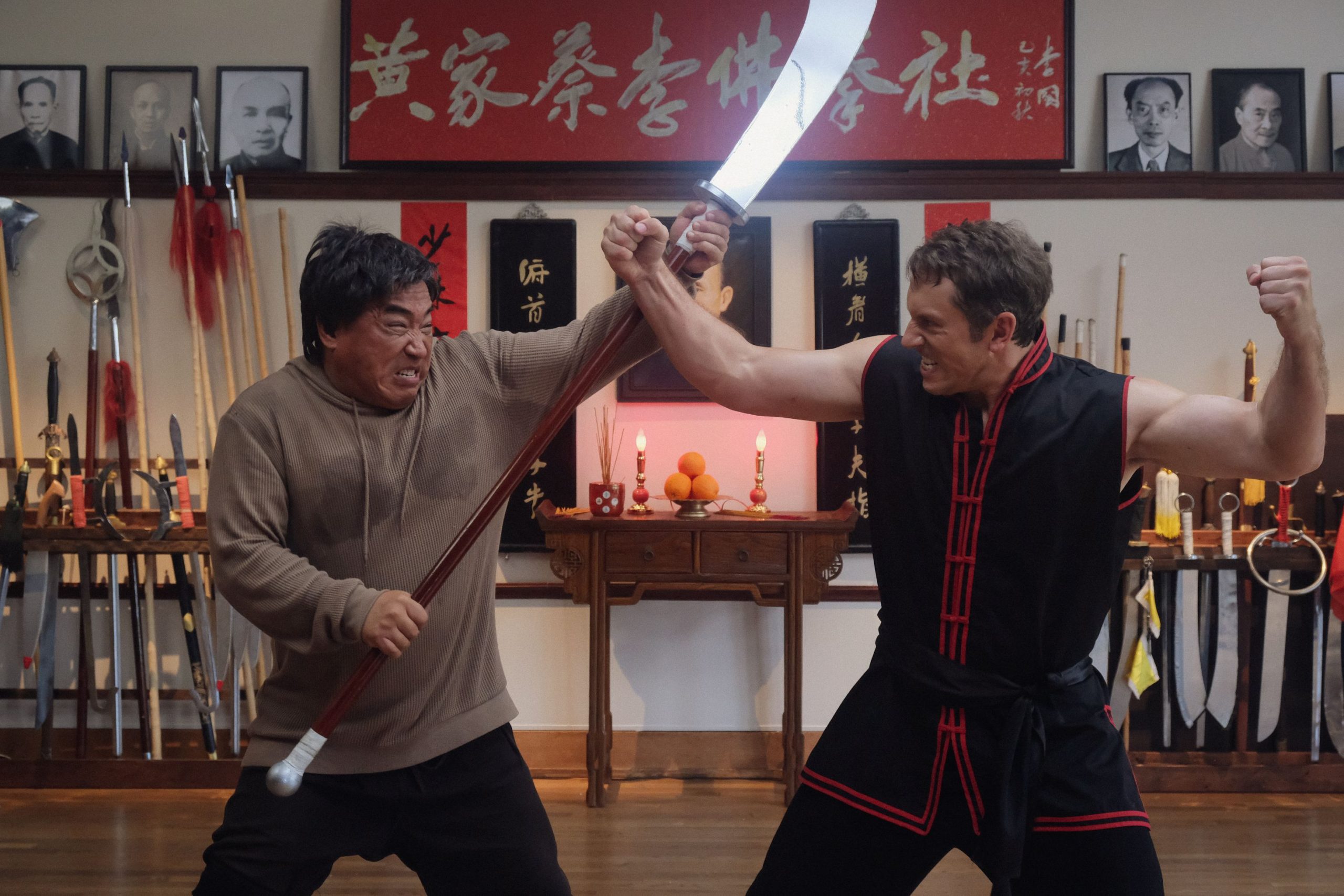
When Danny (Alain Uy), Jim (Mykel Shannon Jenkins) and Hing (Ron Yuan, Mulan) were in their prime, they were disciples of Chinatown’s great kung fu master Sifu Cheung (Roger Yuan, veteran of martial arts films). They couldn’t be stopped—certainly not by that poseur Carter (played with relish as an adult by Matthew Page).

But that was then.

It takes a murder mystery to convince the trio to a) talk to each other again, and b) fight. But first, they will really need to embarrass themselves.

Writer/director Quoc Bao Tran makes his feature debut with this family-friendly coming-of-middle-age comedy. Though the story itself is stridently formulaic, solid instincts for lensing physical comedy, as well as charming performances, elevate the film.

Uy offers a reliable center for the story. A relatable everyman, Danny’s lost focus on what matters, and Uy’s understated performance creates a nice counterbalance for some of the zanier moments in the film.

Page and Ron Yuan—whether together or separately—shoulder responsibility for most of those moments of lunacy. Yuan delivers an underdog you’re happy to cheer on, while Page’s comic foil is an embarrassing, irritating joy  to behold.

The writing is sometimes suspect. Formula makes up for a tight structure—you know where things are headed, even if not every step in the journey makes a lot of sense. But The Paper Tigers makes up for those missteps, mainly with affability and good nature. This is a hard film to root against.  

2021 Oscar Nominations

It was a weird year for movies. When the world shut down, so did production, so far fewer movies were being shot because when they did keep filming, Robert Pattinson got Covid, and nobody wants that.

When movie theaters shut down, movies went directly to streaming, so Oscar made the unprecedented (and correct) decision to include films without theatrical releases in their body of contenders. That turned out to be a good idea since no one went to the theaters even when they opened back up.

They also widened the window of eligibility, which means that 14 months’ worth of movies were in the running. What does that mean for 2021? Will the 2021 eligibility calendar be just 10 months long? Will we forever push the eligibility deadline back to March to keep it at 12? That choice will have a bigger impact on what comes out when than you think. What it means for 2020 is that small films that you hoped would get notice—First Cow and Shirley, for example—still got swamped in the larger pool, and recency bias potentially helped voters forget about films that came out early in 2020. Let’s be honest, early 2020 feels like 1976 by this point.

It was just so long ago.

On the whole, though, we don’t have too many complaints about the Academy’s 2020 Oscar choices. Independent films just kicked all manner of ass this year.

Best Film

  • The Father
  • Judas and the Black Messiah
  • Mank
  • Minari
  • Nomadland
  • Promising Young Woman
  • Sound of Metal
  • The Trial of the Chicago 7

Thoughts:

Again, the Academy can potentially include 10 candidates. A film has to reach a low-end threshold of votes to be included, which is why those last couple of slots are usually left vacant. If we could fill them, Soul and First Cow would certainly have made this list.

Lead Actress

  • Viola Davis, Ma Rainey’s Black Bottom
  • Andra Day, The United States Versus Billie Holiday
  • Vanessa Kirby, Pieces of a Woman
  • Frances McDormand, Nomadland
  • Carey Mulligan, Promising Young Woman

Thoughts:

Killer lineup. It’s painful to see another year go by without acknowledging the sublime Elizabeth Moss, but honestly, this group is hard to complain about.

Lead Actor

  • Riz Ahmed, Sound of Metal
  • Chadwick Boseman, Ma Rainey’s Black Bottom
  • Anthony Hopkins, The Father
  • Gary Oldman, Mank
  • Steven Yeun, Minari

Thoughts:

These five performances are undoubtedly award worthy. But where is Delroy Lindo for Spike Lee’s almost completely overlooked Da Five Bloods? We probably would give him the Hopkins or Yeun spot, but we would definitely have made room for him.

Supporting Actress

  • Maria Bakalova, Borat Subsequent Movie Film
  • Glenn Close, Hillbilly Elegy
  • Olivia Colman, The Father
  • Amanda Seyfried, Mank,
  • Youn Yun-jung, Minari

Thoughts:

How great is it to see Youn Yun-jung on this list?! Close is the sentimental favorite because she has inexplicably never won an Oscar regardless of her 8 nominations and mind blowing talent, but please God please don’t let her win for the abomination that was Hillbilly Elegy.

Supporting Actor

  • Daniel Kaluuya, Judas and the Black Messiah
  • Sacha Baron Cohen, The Trial of the Chicago 7
  • Leslie Odom Junior, One Night in Miami
  • Paul Raci, Sound of Metal
  • LaKeith Stanfield, Judas and the Black Messiah

Thoughts:

It’s impossible not to note that there are three Black actors on this list—a historic moment and one worth celebrating. Most people assumed Chadwick Boseman would be on this list for his role in Da 5 Bloods. We’re wondering, though: if LaKeith Stanfield is a supporting actor, who was the lead in Judas and the Black Messiah?

We’d also loved to have seen Michael Stuhlbarg squeezed in here for his brilliant turn in Shirley, but to be totally honest, we loved all these performances and have no serious complaints. Just questions.

If Kaluuya doesn’t win, the Academy is wrong.

Director

  • Thomas Vinterberg, Another Round
  • David Fincher, Mank
  • Lee Isaac Chung, Minari
  • Chloe Zhao, Nomadland
  • Emerald Fennell, Promising Young Woman

Thoughts:

Regina King (One Night in Miami) and Aaron Sorkin (The Trial of the Chicago 7) are notable absences, and Vinterberg is the obvious surprise here. We’d have loved to see Kelly Reichardt get some love for First Cow, but that’s asking too much, we know.  

Adapted Screenplay

  • Borat Subsequent Movie Film
  • The Father
  • Nomadland
  • One Night in Miami
  • The White Tiger

Thoughts:

The White Tiger is a pleasant surprise. When you think of Borat Subsequent Movie Film, you don’t think of writing. You think of one guy riffing, and you’re so surprised that he isn’t murdered in front of you that you ignore the incredible amount of planning and, yes, writing that must go into it. Good for the writing pool of the Academy for seeing past that potential murder to take note.

Original Screenplay

  • Judas and the Black Messiah
  • Minari
  • Promising Young Woman
  • Sound of Metal
  • The Trial of the Chicago 7

Thoughts:

Not a ton of surprises here. We’d love to see Soul in this bunch, but we don’t know where we’d put it. 2020 was a bad year all around, but it was a great year for original films.

Documentary

  • Collective
  • Crip Camp
  • The Mole Agent
  • Octopus Teacher
  • Time

Thoughts:

Year after year, documentary feature gets to be a tighter and tighter race. In recent years there are more documentaries worthy of true consideration than there are features. We’d loved to have seen Boys State and/or Capital in the 21st Century on this list, but this is a smart group and its content and style run a big gamut. Smart money is probably on Collective because it’s also nominated for International Picture, but we’d give it to Time all day.

Animated

  • Onward
  • Over the Moon
  • A Shaun the Sheep Movie: Farmageddon
  • Soul
  • Wolfwalkers

Thoughts:

It was an incredibly weak year in big screen animation, although Wolfwalkers was an incredible film that you should find and watch immediately. And Soul was quite possibly the best movie to come out in 2020, so at least it will get its due here.

Catch the 93rd annual Academy Awards Sunday, April 25th on ABC.

COFCA Nominees Announced

Nominees for the 19th annual Columbus Film Critics Association awards 

(Columbus, January 3, 2021) The Columbus Film Critics Association (COFCA) is pleased to announce the nominees for its 19th annual awards.  Winners will be announced on the evening of January 7th, 2021.

Founded in 2002, the Columbus Film Critics Association is comprised of film critics based in Columbus, Ohio and its surrounding areas. Its membership consists of 26 print, radio, television, and online critics. COFCA’s official website at www.cofca.org contains links to member reviews and past award winners.  

The 2020 Columbus Film Critics Association awards nominees are:

Best Film 

First Cow

Ma Rainey’s Black Bottom

Mank

Minari

Never Rarely Sometimes Always

Nomadland

Promising Young Woman

Soul

Sound of Metal

The Trial of the Chicago 7

Best Director 

-Lee Isaac Chung, Minari

-Emerald Fennell, Promising Young Woman

-David Fincher, Mank

-Darius Marder, Sound of Metal

-Chloé Zhao, Nomadland

Best Actor 

-Riz Ahmed, Sound of Metal

-Chadwick Boseman, Ma Rainey’s Black Bottom

-Delroy Lindo, Da 5 Bloods

-Gary Oldman, Mank

-Steven Yeun, Minari

Best Actress 

-Viola Davis, Ma Rainey’s Black Bottom

-Sidney Flanigan, Never Rarely Sometimes Always

-Julia Garner, The Assistant

-Frances McDormand, Nomadland

-Elisabeth Moss, Shirley

-Carey Mulligan, Promising Young Woman

Best Supporting Actor 

-Sacha Baron Cohen, The Trial of the Chicago 7

-Chadwick Boseman, Da 5 Bloods

-Bill Murray, On the Rocks

-Paul Raci, Sound of Metal

-Mark Rylance, The Trial of the Chicago 7

Best Supporting Actress 

-Maria Bakalova, Borat Subsequent Movie Film

-Olivia Colman, The Father

-Olivia Cooke, Sound of Metal

-Amanda Seyfried, Mank

-Youn Yuh-jung, Minari

Best Ensemble 

Da 5 Bloods

Ma Rainey’s Black Bottom

Minari

Promising Young Woman

The Trial of the Chicago 7

Actor of the Year (for an exemplary body of work) 

-Sacha Baron Cohen (Borat Subsequent Moviefilm and The Trial of the Chicago 7)

-Chadwick Boseman (Da 5 Bloods and Ma Rainey’s Black Bottom)

-Elisabeth Moss (The Invisible Man and Shirley)

Breakthrough Film Artist 

-Radha Blank, The Forty-Year-Old Version – (for producing, directing, screenwriting, and acting)

-Emerald Fennell, Promising Young Woman – (for producing, directing, and screenwriting)

-Sidney Flanigan, Never Rarely Sometimes Always – (for acting)

-Kitty Green, The Assistant – (for producing, directing, screenwriting, and film editing)

-Eliza Hittman, Never Rarely Sometimes Always – (for directing and screenwriting)

-Alan S. Kim, Minari – (for acting)

-Darius Marder, Sound of Metal – (for directing and screenwriting)

Best Cinematography 

-Christopher Blauvelt, First Cow

-Eric Messerschmidt, Mank

-Lachlan Milne, Minari

-Joshua James Richards, Nomadland

-Hoyte Van Hoytema, Tenet

Best Film Editing

-Alan Baumgarten, The Trial of the Chicago 7

-Kirk Baxter, Mank

-Robert Frazen, I’m Thinking of Ending Things

-Mikkel E.G. Nielsen, Sound of Metal

-Kelly Reichardt, First Cow

Best Adapted Screenplay

-Sarah Gubbins, Shirley

-Charlie Kaufman, I’m Thinking of Ending Things

-Kemp Powers, One Night in Miami

-Jonathan Raymond & Kelly Reichardt, First Cow

-Ruben Santiago-Hudson, Ma Rainey’s Black Bottom

-Chloé Zhao, Nomadland

Best Original Screenplay

-Lee Isaac Chung, Minari

-Emerald Fennell, Promising Young Woman

-Darius Marder & Abraham Marder, Sound of Metal

-Andy Siara, Palm Springs

-Aaron Sorkin, The Trial of the Chicago 7

Best Score 

-Alexandre Desplat, The Midnight Sky

-Ludovico Einaudi, Nomadland

-Emile Mosseri, Minari

-Trent Reznor and Atticus Ross, Mank

Trent Reznor and Atticus Ross, Soul

Best Documentary 

Boys State

Collective (Colectiv)

Crip Camp

Dick Johnson is Dead

The Painter and the Thief

Time

Best Foreign Language Film 

Bacurau

Beanpole (Dylda)

Martin Eden

Minari

The Whistlers (La Gomera)

Best Animated Film 

The Croods: A New Age

Onward

Over the Moon

Soul

Wolfwalkers

Best Overlooked Film 

The Assistant

Bloody Nose, Empty Pockets

Palm Springs

Possessor

The Vast of Night

COFCA offers its congratulations to the nominees.

Previous Best Film winners:

2002:  Punch-Drunk Love

2003:  Lost in Translation

2004:  Million Dollar Baby

2005:  A History of Violence

2006:  Children of Men

2007:  No Country for Old Men

2008:  WALL·E

2009:  Up in the Air

2010:  Inception

2011Drive

2012Moonrise Kingdom

2013:  Gravity

2014Selma

2015Spotlight

2016La La Land

2017Lady Bird

2018If Beale Street Could Talk

2019Parasite (Gisaengchung)

For more information about the Columbus Film Critics Association, please visit www.cofca.org or e-mail info@cofca.org

The complete list of members and their affiliations: 

Richard Ades (Freelance); Dwayne Bailey (Bailey’s Buzz); Adam Barney (The Film Coterie); Sam Brady (I Am Sam Reviews); Logan Burd (Cinema or Cine-meh?); Kevin Carr (www.7mpictures.com, FilmSchoolRejects.com); Bill Clark (www.fromthebalcony.com); Olie Coen (Archer Avenue, DVD Talk); John DeSando (90.5 WCBE); Johnny DiLoretto (90.5 WCBE, PencilStorm.com); Chris Feil (FilmMixTape.com, TheFilmExperience.net); Frank Gabrenya (The Columbus Dispatch); Mark Jackson (MovieManJackson.com); Brad Keefe (Columbus Alive); Kristin Dreyer Kramer (NightsAndWeekends.com, 90.5 WCBE); Adam Kuhn (Corndog Chats); Roger Legg (The Film Coterie, Faith and Film); Hope Madden (Columbus Underground, Columbus Radio Group, WTTE-TV and MaddWolf.com); Paul Markoff (Filmbound); David Medsker (Bullz-Eye.com); Lori Pearson (Kids-in-Mind.com, critics.com); Mark Pfeiffer (Filmbound, Reel Times: Reflections on Cinema); Melissa Starker (Freelance); George Wolf (Columbus Radio Group, Columbus Underground.com, WTTE-TV and MaddWolf.com); Jason Zingale (Bullz-Eye.com); Nathan Zoebl (PictureShowPundits.com).

Best Films of 2020

Most of the movies we hoped to love in 2020 have been pushed to 2021, but it turns out, that may just have opened up opportunities for gems we’d have ignored otherwise. Yes, the best films of 2021 are smaller than the best films of 2019, but they are still great. Here’s the list of our favorite 25 movies from our least favorite year on record.

1.First Cow

Kelly Reichardt films tell a story, but not in the traditional Hollywood sense. She draws you into an alien environment, unveils universal humanity and shows you something about yourself, about us. There’s usually a story buried in there somewhere. In this case, it’s about two outsiders in 19th Century Oregon who find friendship.

And a cow.

The narrative lulls you with understated conversations and observations while the meticulously captured natural beauty onscreen beguiles. Within that, we see the potential of a young country through the eyes of Americans determining the dream. 

2. Time

What director Garrett Bradley delivers with this documentary of a woman’s daily toil to end her husband’s prison sentence is a miracle of love, hope and superhuman perseverance. The film unfolds in a poetic, sometimes stream-of-consciousness fashion, enveloping you in the indefatigable spirit of Fox Rich. The film sings in a style that is simply transportive, carried by the voice of a true wonder woman.

Time is a stunning journey, searingly intimate with a sobering undercurrent of commonality. You wear this film like a blanket of feeling. Don’t miss the chance to wrap it around you.

3. Soul

For Soul, Pete Docter and co-writer/co-director Kemp Powers create a deceptively simple, beautifully constructed ode to happiness.

And what a beautiful, big screen-begging journey it is. Soul looks like no Pixar film before it, with wonderfully layered and personality-laden animation for hero Joe’s daily life that morphs into an apt Picasso vibe for our time spent with Joe in other worlds. 

Just when you think you know where the film will leave you, it has other plans, and that’s okay. Because while the best of Pixar has always touched us with family adventures that speak to what it means to be human, Soul leaves plenty of room for our own improvisations, producing a heartfelt composition that may be Pixar’s most profound statement to date.

4. Ma Rainey’s Black Bottom

In 1927 Chicago, four musicians – three vets and a brash youngster – gather in the basement of a downtown recording studio. They tune up and rib each other, waiting for the star vocalist to arrive.

That would be one Gertrude “Ma” Rainey, legendary “Mother of the Blues” and one of the first blues singers to make records. And in the late 1920s, those records sold, which meant Ma didn’t waste her time in studio basements.

That spatial divide becomes the metaphorical anchor in director George C. Wolfe and screenwriter Ruben Santiago-Hudson’s adaptation of August Wilson’s Tony Award-winning play. And thanks to the blistering adversarial performances by Chadwick Boseman and Viola Davis, the film has a show-stopping pillar on each floor.

5. Nomadland

Chloe Zhao’s Nomadland follows Fern (Frances McDormand) on her journey in “Vanguard,” the van that serves as her new home. Without an ounce of vanity or artifice, McDormand’s performance allows this film to be one of resilience and promise. Given that Normadland is, in fact, the story of a penniless Sixtysomething widow who lives in a van, that is in itself a minor miracle.

But that’s the film—a minor miracle. Perhaps only in a year when the billion-dollar franchises were mainly held at bay could we make enough space to appreciate this vital and beautiful reimagining of the rugged American tale of individualism and freedom, which is almost always also a story of poverty.

6. Da 5 Bloods

A heist movie on the surface, Da 5 Bloods is clearly about a great deal more than making it rich. Writer/director Spike Lee has a lot to say about how those in power tell us what we want to hear so we will do what they want us to do. 

As commanding a presence as ever at 68, Delroy Lindo blends vulnerability into every action, whether funny, menacing or melancholy. His MAGA hat-wearing, self-loathing, dangerously conflicted character gives Lee’s themes a pulse. 

It should surprise no one that Lee’s latest happens to hit the exact nerve that throbs so loudly and painfully right now, given that he’s been telling this exact story in minor variations for 30+ years.

7. Mank

David Fincher’s rapid-fire dialogue is beautifully layered and lyrically precise, more like the final draft of a script than authentic conversations, which only reinforces the film’s commitment to honoring the power of writing. 

Gary Oldman expertly sells Herman Mankiewicz’s truth-to-power rebellion as a sly reaction to his own feelings of powerlessness. His charm as a “court jester” belies a growing angst about America’s power structure that Orson Welles (Tom Burke) is eager to illustrate.

And though much of Mank‘s power is verbal (just try to catch a breath during Oldman’s drunken Don Quixote speech), Fincher crafts a luscious visual landscape. Buoyed by Erik Messerschmidt’s gorgeous B&W cinematography, Fincher recreates the era with sharp period detail and tips his hat to Welles with Citizen Kane-esque uses of shadow, forced perspective and one falling glass of booze.

8. Never Rarely Sometimes Always

With her 2013 debut It Felt Like Love, Eliza Hittman brought a refreshing honesty to the teen drama. At its core, Never Rarely Sometimes Always could be seen as Hittman’s kindred sequel to her first feature, as two friends (Talia Ryder and a stunning Sidney Flanagan) navigate a cold, sometimes cruel world that lies just beyond the hopeful romanticism of first love.

NRSA shows Hittman in full command of her blunt truth-telling, demanding we accept this reality of women fighting to control their own bodies amid constant waves of marginalization.

Just three films in, Hittman has established herself as a filmmaker of few words, intimate details and searing perspective. NRSW is a sensitive portrayal of female friendship and courage, equal parts understated and confrontational as it speaks truths that remain commonly ignored.

9. One Night in Miami

Regina King, who already has an acting Oscar, jumps into the race for Best Director with a wise and wonderful adaptation of Kemp Powers’s stage play. Powered by a bold and vital script from Powers himself, King invites us into a Miami hotel room in 1963, on the night a young Cassius Clay upset Sonny Liston for the Heavyweight title.

Clay, NFL legend Jim Brown and soul sensation Sam Cooke think it’s party time, but Clay’s mentor Malcom X uses the occasion to engage the room in a frank discussion about the next steps in the civil rights movement, and about each man’s role in the struggle.

The four leads – especially Aldis Hodge as Brown and Leslie Odom, Jr as Cooke – are fantastic, propelling a film that finds its profundity through a refusal to settle for easy answers. Though existing mainly inside one room, One Night in Miami is in a constant state of motion. The characters challenge each other, and the film challenges us with a beautiful dignity that shines in the face of bigotry. 

10. Shirley 

Director Josephine Decker’s languid style seduces you, keeps you from pulling away from her films’ underlying tensions, darkness, sickness. She specializes in that headspace that mixes the story as it is and the story as it’s told, which makes her a fitting guide for Susan Scarf Merrell’s fictionalized account of this slice of Shirley Jackson’s life.

Decker manipulates the pacing, melancholy and sensuality of her tale beautifully, drawing a stirring performance from Young. But my god, what she gets from Elisabeth Moss and Michael Stuhlbarg.

The result is dark and unseemly, appropriately angry and gorgeously told—a fitting tribute to the titular author.

11. Promising Young Woman

In a riotous and incredibly assured feature debut as writer and director, Emerald Fennell twists both knife and expectations in a rape-revenge riff that’s relevant, smart and surprisingly hilarious—if you like your humor dark.

A pessimism runs through Fennell’s film that’s hard to ignore and even harder to criticize. But the film is true to the character of Cassie—a woman who’s profoundly dark and unforgiving but not wrong.

Fennell’s film is not a nuanced drama concerning rape culture. It’s not telling us anything we don’t honestly know already. It’s not a scalpel to the brain, it’s a sledgehammer to the testicles.

12. Collective

On October 30, 2015, a massive fire broke out at the Colectiv Club in Bucharest, Romania. Twenty-seven people died in the initial blaze while another 180 were injured. In the days and weeks following the fire, dozens of survivors died in the hospital of preventable infections. Over the next year, journalist Catalin Tolontan would uncover a trail of corruption that had all but hobbled the country’s health care system.

There’s a matter-of-factness to this film that is methodical and precise. This clinically observational approach feels more authentic. For a film so steeped in the hunt for the truth, Alexander Nanau’s fly-on-the-wall perspective just seems right.

Collective isn’t a flashy film – it doesn’t want to be. What it is, though, is a gripping look at the good that can come from honest, professional investigative journalism. 

*Originally reviewed by Brandon Thomas.

13. The Trial of the Chicago 7

Chicago 7 artfully and urgently recreates the scene of the federal court hearing against eight defendants alleged to have conspired to incite the infamous riot at the 1968 Democratic National Convention in Chicago.

Writer/director Aaron Sorkin’s film rings with historical significance as well as disheartening immediacy.  An alarmingly relevant look at the power of due process, free speech, and justice, Chicago 7 is catapulted by more than the self-righteousness that sometimes weights down Sorkin’s writing. This is outrage, even anger, as well as an urgent optimism about the possibilities in human nature and democracy.

14. News of the World

GD National Treasure TomHanks is Captain Jefferson Kyle Kidd, a Civil War veteran who travels from town to town reading news stories to weary people looking for a distraction. In his travels he comes across a 10-year-old girl (Helena Zengel, wonderful) who’d been raised by Kiowa people and is now being returned against her will to her natural aunt and uncle.

Reluctantly, Captain Kidd agrees to transport her 200 miles across dangerous territory. Not because he wants to or because he will benefit in any way from it. In fact, he will probably die, and she with him.

Westerns lend themselves to poetry of a sort. News of the World offers a simple hero’s journey, understated by director Paul Greengrass’s influence and Hanks’s natural abilities. 

15. I’m Thinking of Ending Things

The inimitable Charlie Kaufman adapts Iain Reid’s wildly circuitous novel about delusion, self-hatred and self-inflicted loneliness. Who better? 

Jessie Buckley gives an award-worthy performance as a woman visiting her boyfriend’s family for the first time. Unbeknownst to him, she’s thinking of ending things. 

Buckley’s effortlessly adaptable performance in an endlessly puzzling narrative ensures the movie never loses focus. She’s surrounded by sharp turns from Jesse Plemons, Toni Collette and David Thewlis in a darkly funny near-horror of existential dread.

16. The Devil All the Time

The constant fight to overcome the worst in ourselves lies at the heart of The Devil All the Time, director Antonio Campos’s darkly riveting realization of Donald Ray Pollock’s best-selling novel.

Redemption is a slippery aim in and around Knockemstiff, Ohio, and grace is even harder to come by. With a heavier hand, this film would have been a savage beating or a backwoods horror of the most grotesque kind. 

Campos and his formidable ensemble (Tom Holland, Robert Pattinson, Riley Keough, Bill Skarsgard, Jason Clark and More) deliver Pollock’s tale with enough understatement and integrity to cut deeply, unnerving your soul and leaving a well-earned scar.

17. Sound of Metal

Riz Ahmed is Ruben, a heavy metal drummer suddenly and irrevocably going deaf. It’s a performance that brings this man to life with so many layers and such nuance and power it requires your attention.

Even before you begin to appreciate Ahmed’s remarkable performance, you’ll likely notice writer/director Darius Marder’s choices when it comes to what he allows you to hear.

The sound design evokes the sensation of being in Ruben’s head. What he can’t really hear, you can’t, either. Marder mimics the humming, echoing, and blurring together of sounds to create an immersive sensation that never feels like a gimmick. It transports you, as does Ahmed’s performance, to a place you’ve probably never been.

18. Possessor

Possessor is a meditation on identity, sometimes very obviously so, but the underlying message takes that concept and stabs you in your still-beating heart with it.

Brandon Cronenberg’s created a gorgeous techno world, its lulling disorientation punctuated by some of the most visceral horror to make it to the screen this year. 

Credit Cronenberg, too, for the forethought to cast the two leads as females (Jennifer Jason Leigh playing boss to a remarkable Andrea Riseborough). The theme of the film, if driven by males, would have been passe and obvious. With females, though, it’s not only more relevant and vital, but more of a gut punch when the time comes to cash the check.

19. Swallow

Putting a relevant twist on the classic “horrific mother” trope, writer/director Carlo Mirabella-Davis uses the rare eating disorder pica to anchor his exploration of gender dynamics and, in particular, control.

Where Mirabella-Davis’s talent for building tension and framing scenes drive the narrative, it’s Haley Bennett’s performance that elevates the film. Serving as executive producer as well as star, Bennett’s character transformation is startlingly true.

When things finally burst, director and star shake off the traditional storytelling of the Yellow Wallpaper or Awakening or even Safe. The filmmaker’s vision and imagery come full circle with a bold conclusion worthy of Bennett’s performance.

20. Senior Love Triangle

Co-writer/director Kelly Blatz creates a minor cinematic miracle with his feature debut, Senior Love Triangle.

Inspired by co-writer Isadora Kosofsky’s remarkable longterm photo essay of the same name, the film delivers a candid look into the intimate relationship among three elderly characters: William (Tom Bower), Adina (Anne Gee Byrd) and Jeanie (Marlyn Mason).

The film is equal parts charming, frustrating and heartbreaking. More importantly, it takes its characters seriously. In an era where veteran actors entertain us via “those crazy old people!” vehicles (watching Diane Keaton become a cheerleader in Poms sapped my will to live), Senior Love Triangle feels gloriously anarchic. The magic of Blatz’s film is that it offers a character study of the sort we simply never see.

21. Capital in the 21st Century

New Zealand filmmaker Justin Pemberton has assembled an array of scholars and historians (including Thomas Piketty, author of the source book) for a 103-minute presentation that is so informative, measured and concise it should earn you college credits.

There are graphs, illustrations and pop culture snippets from film and television that Pemberton weaves throughout the lecture material to attract the eye and boost the film’s overall entertainment value. But make no mistake, his mission is about breaking down the 400 years of history that explain the social and economic precipice we’re teetering on right now.

And while some of the lessons are not new (i.e. we need a strong middle class) the context here is so vivid and relevant many observations may land with an echo of “eureka!” inside your head.

22. Wolfwalkers

One of the brightest spots in a relatively weak year for animated films, Wolfwalkers spins another beautiful Irish folk yarn from the team behind The Secret of Kells and Song of the Sea.

Robyn, a young English girl whose father is tasked with wiping out wolves from an Irish village, longs to be a hunter herself. Things change quickly when Robyn meets up with Mebh, a young firebrand who belongs to a legendary group that transforms into wolves by falling asleep.

It’s a film bursting with dazzling animation and captivating lore, one full of warm silliness, gentle danger, wonderful voice work and a timeless, touching finale perfect for multiple family movie nights.

23. The Wolf of Snow Hollow

Writer/director/star JimCummings is officer John Marshall of the Snow Hollow sheriff’s department. John’s father (Robert Forster, in his final role) is the longtime sheriff of the small ski resort town, but Dad’s reached the age and condition where John feels he’s really the one in charge.

John’s also a recovering alcoholic with a hot temper, a bitter ex-wife and a teen daughter who doesn’t like him much. But when a young ski bunny gets slaughtered near the hot tub under a full moon, suddenly John’s got a much bigger, much bloodier problem.

At its core, The Wolf of Snow Hollow is a super deluxe re-write of Cummings’s heartbreaking and hilarious 2018 character study Thunder Road with werewolves. We call that a bloody good time.

24. Boys State

Imagine what you get when you bring over a thousand 17-year-old boys together to play politics.

Fight Club with zits?

You get Boys State, an annual exercise into the “civil discourse” of state government. An American Legion program since 1935, Boys State (and its corresponding project for girls through the Legion Auxiliary) gives selected high school juniors the chance to build a representative government from the ground up.

For directors Amanda McBaine and Jesse Moss, the result is an endlessly fascinating and thoroughly entertaining mixture of shock and awe.

25. The Vast of Night

Opening with vintage Rod Serling welcoming us to “Paradox Theatre,” director Andrew Patterson unveils an incredibly polished debut, one that’s full of meticulous craftsmanship, effective pacing and wonderfully engaging storytelling.

Peterson’s commitment to production and sound design results in a totally immersive experience. The period details – from costumes to recording equipment – are more than just historically correct. Paired with the quick, comfortably lived-in dialog from screenwriters James Montague and Craig W. Sanger, they create a throwback setting that charms without the tell of undue effort.

Peterson also flexes confidently behind the camera, moving from extended tracks to slow pans to quiet stills, all in service of the film’s wondrous tone. With Sierra McCormick and Jake Horowitz leading a stellar ensemble, what could have been a generic sci-fi time filler becomes a smart parable with an eerie grip.

Best Movies You Missed in 2020

Let’s be honest, no one saw much of anything movie-wise this year. The highest grossing cinematic releases made so little they would have been considered catastrophic bombs in any other year, and streaming numbers confirmed that we were having a hard time zeroing in on new releases.

Still, there were some exceptional films that simply disappeared without even a hello. These are movies that broke new ground, broke our hearts, explored new genre hybrids, reimagined familiar tales, startled our senses, and otherwise just impressed the hell out of us. We really want to introduce you to these guys, which we list in alphabetical order because they deserve equal attention (and we argued too much about the ranking).

Black Bear

Available on Amazon Prime, YouTube, Google Play and Vudu.

As slippery as it is inviting, Lawrence Michael Levine’s Black Bear is an intoxicating trip through the inspirations and indulgences that take root in creative minds. It feels intensely personal, and yet – once Levine delivers his midstream shape shift – malleable enough to bend to myriad perspectives and interpretations. Black Bear isn’t a comedy – except when it’s funny. It’s also dramatic and slightly horrific, depending on your viewpoint.

Most of all, it’s emotional, propelled by career high performances from Christopher Abbott, Sarah Gadon, and Aubrey Plaza. The glee each performer takes in upending character expectations is evident, with Plaza seamlessly moving from a cool, casual customer to the emotionally frayed flashpoint of a volatile triangle.


Bloody Nose, Empty Pockets

Available on Amazon Prime, YouTube, Google Play and Vudu.

Similar to the hybrid reality it creates, Bloody Nose, Empty Pockets is an oddly compelling cocktail. It’s like a foul odor you step back from quickly, then find perversely comforting once you’ve had time to soak in it.

Sitting unceremoniously at the edge of Las Vegas, the bar The Roaring Twenties is down to its final day. Directors Bill Ross IV and Turner Ross drop us off before noon, when grizzled regular Michael (Michael Martin, perfect) is cleaning up in the bathroom and daytime bartender Mark is hanging up some cheap decorations for the farewell party.

As drinks are poured, ashtrays are emptied and daytime TV gives way to nighttime jukebox singalongs, we get to know the parade of souls that have come to call this dive bar home.What The Florida Project was to Disney World, Bloody Nose is to Lost Wages, eschewing tourist playgrounds for the world-weariness of an existence in exile, and of outsiders no longer bothering to look in.

Capone

Available on Amazon Prime, YouTube, Google Play and Vudu.

You’ve seen Capone on film: films about him, films containing him, films about gangsters reminiscent of him. A lot of these movies have been great – some of them classic. But you have never seen Alphonse Capone the way writer/director Josh Trank sees him.

The film focuses on the final year of the infamous mobster’s life—the adult diapers and dementia year. Tom Hardy finds the faulty humanity in this character. His depiction of Capone’s confusion is unerringly human, and in his hands Trank’s macabre humor never feels like mockery.

Trank’s loose narrative is less concerned with the scheming, criss-crossing and backstabbing from underlings trying to find the money than it is with Capone’s deterioration, and that’s what makes this film so gloriously odd.

No doubt some viewers will be disappointed—those who tuned in to see Hardy play a badass at the top of his game. My guess is the reason one of the finest actors working today was drawn to Capone was the opportunity to do something just this unexpected.


The Devil to Pay

Available on Amazon Prime, YouTube, Google Play and Vudu.

“They want nothing from you and God help you if you try to interfere.” – 2010 census worker.Welcome to The Devil to PayLane and Ruckus Skye’s lyrical backwoods epic, grounded in a lived-in world most of us never knew existed.

One of the most tightly written thrillers in recent memory, The Devil to Pay peoples those hills with true characters, not a forgettable villain or cliched rube among them. The sense of danger is palpable and Danielle Deadwyler’s commitment to communicating her character’s low-key tenacity is a thing of beauty.

The Devil to Pay remains true to these fascinating souls, reveling in the well-worn but idiosyncratic nature of their individual relationships—a tone matched by sly performances across the board. And just when you think you’ve settled into a scene or a relationship, the film shocks you with a turn of events that is equal parts surprising and inevitable.


Dirty God

Available on Amazon Prime, YouTube, Google Play and Vudu.

There is an unerring authenticity about the slice of life that is Dirty God. Co-writer/director Sacha Polak sugar coats nothing, wallows nowhere, and dares you to judge Jade (a breathtaking Vicky Knight), regardless of her behavior.

The approach is provocative because Jade’s torment is almost inconceivable. Few of us could honestly imagine it. Polak doesn’t soft pedal, and she doesn’t let the viewer off the hook with a pitiable or noble character.

Dirty God—a film about self-image and the unfair reality of limitations—makes other “coming of age” style films feel like soft drink ads.


Faith Ba$ed

Available on Amazon Prime, YouTube, Google Play and Vudu.

Luke and Tanner are big movie fans, and when they discover just how profitable the faith-based market is, a plan emerges. If they can make their own “Jesus” film and sell it to ChristFlix pictures, there should be more than enough profit to stuff their pockets and help out the local Elevate Church where Luke’s father (Lance Reddick) is the pastor.

Director Vincent Masciale, helming his second feature, brings an irresistibly absurdist vibe to the shenanigans that practically begs you not to overthink any of it.  Good-natured fun is certainly had at the expense of the faith-based industry. But the delightful surprise is what else Luke Barnett’s script gives us: a church community that is welcoming to all, one where people missing something in their lives can and do find real fulfillment.

And the film gives us plenty of laughs, memorable quotes and overall nuttiness at a time when we could use it.


Get Duked!

Available on Amazon Prime.

What does one homeschooled teen and three high school ne’er do wells in trouble for blowing up a lavatory have in common? Impending doom.

The four boys are making the Duke of Edinburgh Award trek across the Scottish Highlands. Dean (Rian Gordon), his daft mate Duncan (Lewis Gribben), and the future of hip-hop DJ Beatroot (Viraj Juneja) have no choice after that lav incident, while Ian (Samuel Bottomley) just earnestly wants to complete the challenge and include the award on his college applications.

But it’s a long hike and a lot could go wrong, especially now that Dean’s used the map to roll a joint. Will Ian ever be able to check off the requirements of teamwork, foraging and orienteering?

The horror is light, the comedy raucous, the fun explosive. Writer/director Ninian Doff’s Get Duked! may not change you, but it will brighten your mood.


I Used to Go Here

Available on HBO Max, YouTube, Google Play, Vudu, Amazon Prime and Hulu.

Thirtysomething Kate (Community‘s Gillian Jacobs, fantastic) is bumming over a breakup and the cancellation of the promo tour for her very first book. A phone call from her old professor David (Jemaine Clement) perks Kate right up.

Would she come back to Illinois U. as a “Distinguished Alumni” and do a reading from her novel? She would.

Even at its nuttiest, I Used to Go Here is a deceptively smart look at the complexities of accepting adulthood. It’s Noah Baumbach’s While We’re Young with a lighter touch, a film that might make the “your future starts now” message on the back on Kate’s t-shirt ring true for both filmmaker and star.


The Nest

Available on YouTube, Google Play, Vudu and Amazon Prime.

If you saw the quietly unnerving Martha Marcy May Marlene nine years ago and have had the name Sean Durkin filed away since then, you’re not alone. Good news for all of us then, as Durkin finally returns as writer and director with The Nest, another precisely crafted examination of family dynamics.

This time, though, it’s a nuclear family led by a strong Jude Law and a remarkable Carrie Coon, one that’s slowly imploding before our eyes.

Though it lacks the sinister edge of MMMM, Durkin’s storytelling here still carries a chill, assembling precise details with a subtlety that often betrays a focused narrative. With a microscope trained on the rot of wealth and the minutiae of finding a work/life balance, Durkin gives his stellar leads plenty of room to dig indelible, often heartbreaking layers.


Never Rarely Sometimes Always 

Available on HBO Max, YouTube, Google Play, Vudu, Amazon Prime and Hulu.

With her 2013 debut It Felt Like Love, Eliza Hittman brought a refreshing honesty to the teen drama. At its core, Never Rarely Sometimes Always could be seen as Hittman’s kindred sequel to her first feature, as two friends (Talia Ryder and a stunning Sidney Flanagan) navigate a cold, sometimes cruel world that lies just beyond the hopeful romanticism of first love.

NRSA shows Hittman in full command of her blunt truth-telling, demanding we accept this reality of women fighting to control their own bodies amid constant waves of marginalization.

Just three films in, Hittman has established herself as a filmmaker of few words, intimate details and searing perspective. NRSW is a sensitive portrayal of female friendship and courage, equal parts understated and confrontational as it speaks truths that remain commonly ignored.


The Other Lamb

Available on YouTube, Google Play, Vudu, Amazon Prime and Hulu.

The first step toward freedom is telling your own story.Writer C.S. McMullen and director Malgorzata Szumowska tell this one really well. Between McMullen’s outrage and the macabre lyricism of Szumowska’s camera, The Other Lamb offers a dark, angry and satisfying coming-of-age tale.

Selah’s (Raffey Cassity) first period and her commune’s migration to a new and more isolated Eden offer the tale some structure. Like many a horror film, The Other Lamb occupies itself with burgeoning womanhood, the end of innocence. Unlike most others in the genre, Szumowska’s film depicts this as a time of finding your own power.

The Other Lamb does not simply suggest you question authority. It demands that you do far more than that, and do it for your own good.


The Painted Bird

Available on YouTube, Google Play, Vudu and Hulu.

If you paint the wings of a sparrow (or stitch a star to his jacket) the rest of the flock will no longer recognize him. The other birds will swarm and peck him until he plummets back to the earth. This is just one of the horrific lessons a young boy learns as he desperately searches for anywhere or anyone safe in war-torn Eastern Europe.

What follows is a brutal parade of the worst humanity has to offer. Domestic abuse, graphic violence, multiple instances of animal abuse and death, rape, child abuse and rape, and more. Then the war crimes start around hour three.

The Painted Bird is a test of endurance. It’s also a beautifully shot, well performed, and incredibly moving piece of cinema. You simply have to be willing to go where it wants to take you. And all of those places are dark and darker.


Senior Love Triangle

Available on YouTube, Google Play, Vudu and Amazon Prime.

Co-writer/director Kelly Blatz creates a minor cinematic miracle with his feature debut, Senior Love Triangle.

Inspired by co-writer Isadora Kosofsky’s remarkable longterm photo essay of the same name, the film delivers a candid look into the intimate relationship among three elderly characters: William (Tom Bower), Adina (Anne Gee Byrd) and Jeanie (Marlyn Mason).

The film is equal parts charming, frustrating and heartbreaking. More importantly, it takes its characters seriously. In an era where veteran actors entertain us via “those crazy old people!” vehicles, Senior Love Triangle feels gloriously anarchic. The magic of Blatz’s film is that it offers a character study of the sort we simply never see.


Shadow of Violence (Calm with Horses)

Available on YouTube, Google Play, Vudu and Amazon Prime.

Nick Rowland’s crime drama follows Douglas “Arm” Armstrong (Cosmo Jarvis). Once a promising Irish boxing champion, Arm left the gloves behind for the reliable income and familiar treatment offered by the Devers crime family. As their chief enforcer, Arm is feared, which often hampers his relationship with his ex Ursula (Naimh Algar) and their autistic son Jack.

The delicate co-existence of Arm’s two worlds is a constant struggle, but when family patriarch Paudi Devers (Ned Dennehy) finally orders Arm to kill, it becomes clear there is room for only one set of loyalties.


She Dies Tomorrow

Available on YouTube, Hulu, Google Play, Vudu and Amazon Prime.

With She Dies Tomorrow, writer/director Amy Seimetz (creator of The Girlfriend Experience) is simply braiding together themes that have quietly influenced SciFi horror hybrids of late. What she does with these themes is pretty remarkable.Amy (Kate Lyn Sheil) believes she is going to die tomorrow. She knows it. She’s sure.

She calls her friend Jane (the always amazing Jane Adams), who senses that Amy is not OK but has this obligation to go to her sister-in-law’s party…whatever, she’ll stop over on her way. By the time Jane gets to the party, she’s also quite certain she will die tomorrow. It isn’t long before the partygoers sense their own imminent deaths; meanwhile, Amy is spreading her perception contagion elsewhere.

A remarkable film unfurls from this simple but powerful idea.


True History of the Kelly Gang

Available on YouTube, Vudu and Amazon Prime.

Planting its flag unapologetically at the corner of accuracy and myth, The True History of the Kelly Gang reintroduces a legendary 1870s folk hero through consistently bold and compelling strokes.

Director Justin Kurzel and screenwriter Shaun Grant – the duo behind the true crime shocker The Snowtown Murders nine years ago – go bigger this time, trading spare intimacy for a tableau of grand visual and narrative ideas.

With a direct nod to the moment when “the myth is more profitable than the man,” Kurzel spins an irresistible yarn that manages to balance the worship of its hero (George MacKay) with some condemnation for his sins.

And as the road to Kelly’s guns-blazing capture unfurls, the film incorporates elements of both a tense crime thriller and a Nightingale-esqe reminder of savage colonialism.


The Vast of Night

Available on Amazon Prime.

Opening with vintage Rod Serling welcoming us to “Paradox Theatre,” director Andrew Patterson unveils an incredibly polished debut, one that’s full of meticulous craftsmanship, effective pacing and wonderfully engaging storytelling.

Peterson’s commitment to production and sound design results in a totally immersive experience. The period details – from costumes to recording equipment – are more than just historically correct. Paired with the rapid-fire, comfortably lived-in dialog from screenwriters James Montague and Craig W. Sanger, they create a throwback setting that charms without the tell of undue effort.

Peterson also flexes confidently behind the camera, moving from extended tracks to slow pans to quiet stills, all in service of the film’s wondrous tone. With Sierra McCormick and Jake Horowitz leading a stellar ensemble, what could have been a generic sci-fi time filler becomes a smart parable with an eerie grip.


Werewolf (Wilkolak)

Available on Amazon Prime.

Liberation isn’t always the good time it’s cracked up to be. In his strangely hopeful tale Werewolf, writer/director Adrian Panek offers a different image of social rebuilding.

Werewolf is beautifully shot, inside the crumbling castle, out in the woods, even in the early, jarring nonchalance of the concentration camp’s brutality. Panek hints at supernatural elements afoot, but the magic in his film is less metaphorical than that. The film is creepy and tense. It speaks of the unspeakable – the level of evil that can only really be understood through images of Nazi horror—but it sees a path back to something unspoiled.


Why Don’t You Just Die!

Available on YouTube, Google Play and Amazon Prime.

Given that 75% of writer/director Kirill Sokolov’s Why Don’t You Just Die! takes place in a single apartment—one room of that apartment, really—you might be surprised to learn that it’s an action film.

It’s pretty heavy on the action, actually, amplified by inspired framing, kinetic cinematography, sometimes hilarious but always eye-popping choreography, and blood.

Just a shit ton of blood.

This movie is a hoot!

With a spare script, visual wonder and energy to burn, Why Don’t You Just Die! promises to snatch your attention like a duffle bag of cash and hang on until exactly enough blood is spilled.

That’s a lot.


Yes, God, Yes

Available on Netflix, YouTube, Google Play, Vudu and Amazon Prime.

Natalia Dyer (Stranger Things) is Alice, a Catholic high school junior who has done absolutely nothing (regardless of one persistent rumor), but still thinks she may be a budding pervert hurtling toward eternal damnation.

It seems a lot of people may harbor that same suspicion of Alice.

Dyer is wonderfully expressive, especially in her most quiet moments. Her understated comedic energy belies a gawky sweetness that makes Alice easy to root for. Writer/director Karen Maine takes full advantage with a raunchy sex comedy that manages never to lose its sweet disposition.