In 2002, filmmaker Gus Van Sant released one of his more polarizing and thoughtful films. In Gerry, two guys named Gerry (Casey Affleck and Matt Damon) hike ill-prepared into the desert to find themselves fighting for survival.
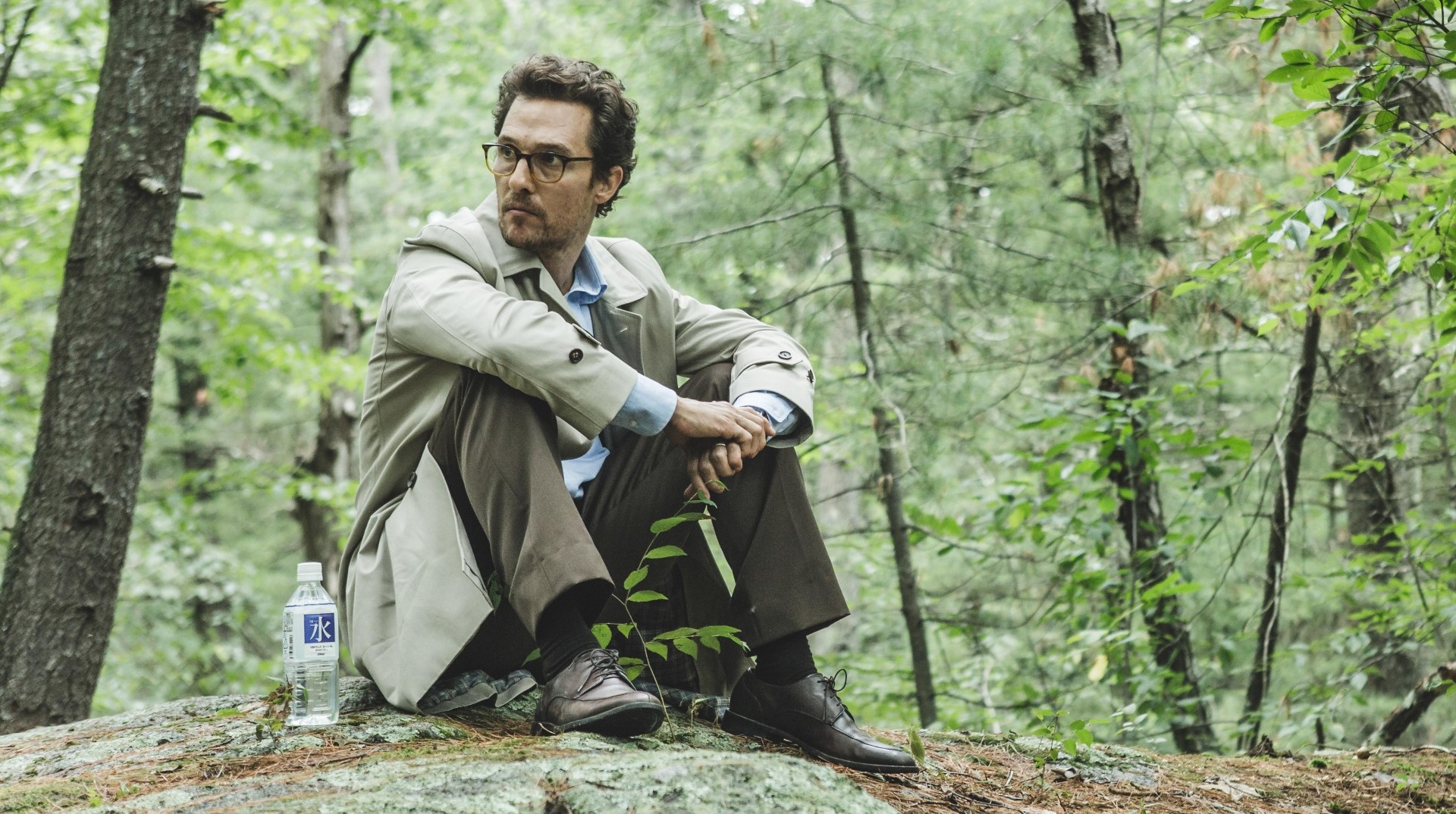
A quick glance at The Sea of Trees suggests that perhaps Van Sant returned to these themes. Matthew McConaughey loses himself in a Japanese forest, befriends another wayward traveler (Ken Watanbe), their treacherous journey offering life lessons aplenty.
Because horror writer Chris Sparling penned The Sea of Trees, I was kind of hoping the film would be a cross between Gerry and The Blair Witch Project.
It is not.
No, it’s an overtly sentimental, culturally patronizing waste of one Oscar winner and two Oscar nominees.
We wander Aokigahara, Japan’s “suicide forest,” with McConaughey’s Arthur Brennan. Brennan’s a scientist, and you know that that means. That’s right – atheist.
Van Sant falls back on the crutch of the flashback to help us understand what this handsome scientist is doing in the suicide forest. It’s in these segments that we meet Naomi Watts’s Joan Brennan and begin to unravel the mystery behind Arthur’s trip into the woods.
Watts suffers most from Sparling’s hackneyed dialog. Her few scenes need to be pivotal and weighty – we know this because of her utterly unrealistic speeches as well as Mason Bates’s condescending score.
Van Sant is no stranger to schmaltz. As great a filmmaker as he has been, sentimentality tripped him up in Promised Land, Finding Forrester and others. His career is peppered with other writers’ projects, many of them with a point to make, and those statement films tend to be Van Sant’s weakest.
Perhaps it’s because, rather than finding his own language for the story via camerawork or score, he relies on an existing style. The Sea of Trees certainly suffers from a heavy handed score. Van Sant also misses opportunities to create a sense of foreboding, claustrophobia, isolation or even redemption with the forest itself, Kasper Tuxen’s photography instead offering irrelevant yet lovely images of windblown treetops.
From the earliest horror films, physical disabilities have plagued characters. It’s the inherent vulnerability that makes the topic such a draw for the genre, but some films – like these five – defy your expectations.
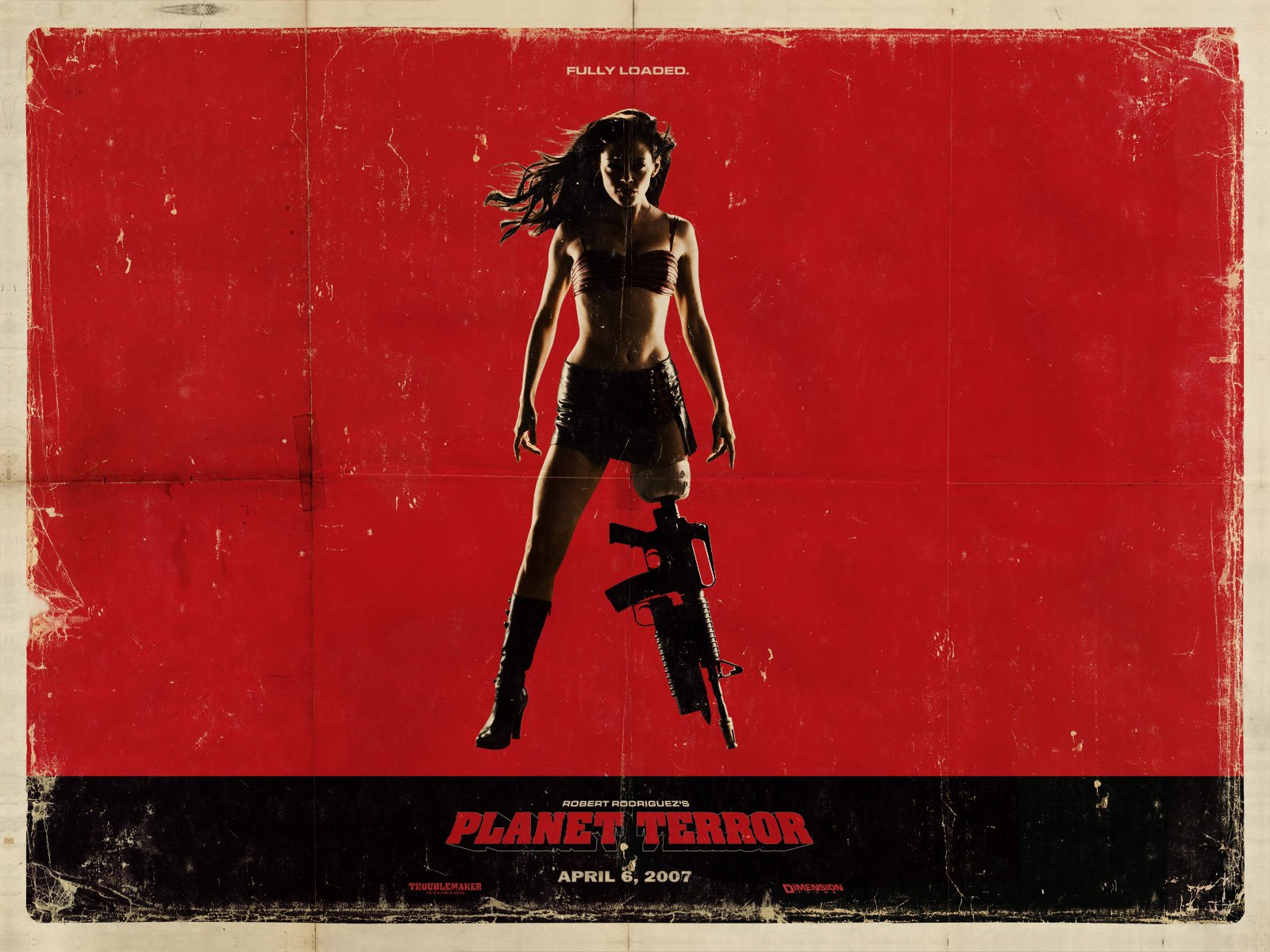
5. Planet Terror
Losing a leg – in most horror movies, this would spell doom for a character. Not in Robert Rodriguez’s half of Grindhouse, though. Indeed, for Rose McGowan’s Cherry Baby, an amputated limb turns her to the film’s most daring badass.
A machine gun for a leg! How awesome is that?! McGowan strikes the right blend of hard knock and vulnerability to keep the character interesting – beyond the whole leg of death thing. I mean, you’d hardly call her boring.
The entire film is a whole lot of throw-back fun – gory, fun, lewd, funny, gross (so, so gross). It’s so much fun that even a lengthy Tarantino cameo doesn’t spoil things. And it makes the point that people who’ve been struck by physical disabilities can still be total badasses – not to mention hot as F.
4. Misery (1990)
Kathy Bates had been knocking around Hollywood for decades, but no one really knew who she was until she landed Misery. Her sadistic nurturer Annie Wilkes – rabid romance novel fan, part time nurse, full time wacko – ranks among the most memorable crazy ladies of modern cinema.
James Caan plays novelist Paul Sheldon, who kills off popular character Misery Chastain, then celebrates with a road trip that goes awry when he crashes his car, only to be saved by his brawniest and most fervent fan, Annie. Well, she’s more a fan of Misery Chastain’s than she is Paul Sheldon’s, and once she realizes what he’s done, she refuses to allow him out of her house until she brings Misery back to literary life.
Caan seethes, and you know there’s an ass kicking somewhere deep in his mangled body just waiting to get out. The film’s tension is generated by way of his utter helplessness as he’s trapped in that bed – on the road to recovery until…. Well, we assume you know the scene.
There is so much to be said for the sharp writing, the outstanding performances, and the way the film subverts your expectations of villains, women, men, and disability.
And mallets.
3. Don’t Breathe (2016)
Young thugs systematically robbing the few remaining upscale Detroit homeowners follow their alpha into a surefire hit: a blind man (Stephen Lang) sitting on $300k.
Unfortunately for our trio – Rocky (Evil Dead’s Jane Levy), Money (Daniel Zovatto) and Alex (Dylan Minnette) – this blind man is not the easy mark they’d predicted.
The always effective Lang cuts an impressive figure as the blind veteran with mad skills and crazy secrets. Wisely, director Fede Alvarez sidesteps easy categories. Though you may think you recognize each character as they first appear, no one is as easy to pigeonhole as you may think.
There are surprises enough to confound and amaze. You may think you have the old man’s secret figured out, but so do our hapless felons. Things get a little nuts as the tale rolls on, but thanks to the film’s breakneck pace and relentless tension, you’ll barely have time to breathe, let alone think.
2. The Texas Chainsaw Massacre (1974)
With this horror masterpiece, director Tobe Hooper sidestepped all the horror gimmicks audiences had grown accustomed to – a spooky score that let you know when to grow tense, shadowy interiors that predicted oncoming scares – and instead shot guerilla-style in broad daylight, outdoors, with no score at all. You just couldn’t predict what was coming.
Hooper also cast aside any concerns for dignity or fair play, a theme best personified by wheelchair-bound Franklin. Franklin is supremely unlikeable – whiney and selfish – ending horror’s long history of using personal vulnerability to make a character more sympathetic. Films such as Wait Until Dark and What Ever Happened to Baby Jane? and Rear Window – excellent films, all – ratcheted up tension through the sympathy they could generate toward the helpless character. These films’ anxiety and payoff both owe everything to watching the vulnerable protagonist in danger, and waiting for them to overcome the odds.
But Hooper is after an entirely different kind of tension. He dashes your expectations, making you uncomfortable, as if you have no idea what you could be in for. As if, in watching this film, you yourself are in more danger than you’d predicted.
But not more danger than Franklin is in, because Franklin is not in for a good time.
http://www.youtube.com/watch?v=eY4ldz615FA
1. Freaks (1932)
Short and sweet, like most of its performers, Tod Browning’s controversial film Freaks is one of those movies you will never forget. Populated almost entirely by unusual actors – midgets, amputees, the physically deformed, and an honest to god set of conjoined twins (Daisy and Violet Hilton) – Freaks makes you wonder whether you should be watching it at all.
This, of course, is an underlying tension in most horror films, but with Freaks, it’s right up front. Is what Browning does with the film empathetic or exploitative, or both? And, of course, am I a bad person for watching this film?
Well, that’s not for us to say. We suspect you may be a bad person, perhaps even a serial killer. Or maybe that’s us. What we can tell you for sure is that the film is unsettling, and the final, rainy act of vengeance is truly creepy to watch.
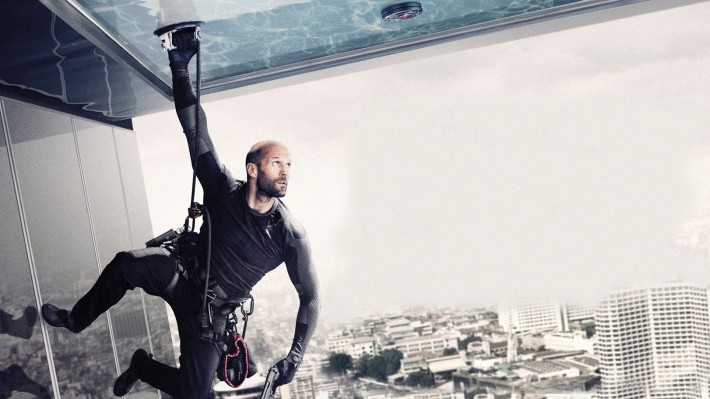
Mechanic: Resurrection revisits the by-the-numbers Statham character Arthur Bishop. Back in 2011, Statham reprised the role first held by Charles Bronson in a middling-to-fair remake of The Mechanic. That film inexplicably merited a sequel that was not direct-to-home-viewing. Why that is confounds us.
Get nervous Gods of Egypt and London has Fallen – Mechanic: Resurrection wants that “worst film of the year” award, and it is not above soiling itself with incompetence to get it.
“WHO SENT YOU??!!”
Bishop faked his own death years back so he could escape his pointless existence as an assassin, but an old enemy has tracked him down. And brought henchmen! And kidnapped master thespian Jessica Alba! Damn this confining shirt!
“WHERE’S CAINE?!!”
Statham removes his shirt no fewer than 8 times in the film’s 99-minute running time. That’s almost once every ten minutes. The man is 49, so good for him, and for that core audience he’s built over a career of shirtless man-on-man action.
“PLAYTIME’S OVER!!”
Alba’s character development is more nuanced. She keeps her shirt on, but it’s always clingy and sometimes…even wet.
Remember how great Statham was in last year’s Spy? His turn as Rick Ford, uber-macho super agent, was hilarious specifically because it was sending up ludicrous movies just like Mechanic: Resurrection.
Bishop criss-crosses the globe with nary a toothbrush, yet at a moment’s notice he has access to countless bomb-making chemicals, ammunition, kick ass scuba equipment and multiple expensive watches. Then, before Bishop has to dive into shark-infested waters, the film is careful to show him applying a shark repellent lotion (patent pending), just to keep it real. Come on, by that point we’re expecting any sharks to have lasers on their heads on a direct order from Dr. Evil.
The sad thing is, this movie could have been saved. Make a few edits, give it a new score, call it Spy 2: Ford Gets His Own Movie, and you’ve got comedy gold. As is, this film is so bad John Travolta is jealous.
War Dogs starts with a guy in the trunk of a car and works backward, ending two hours later over the sound of Leonard Cohen’s “Everybody Knows.” Though both devices are tactical errors, what’s between them is a fairly effective take on true, undeniably American events.
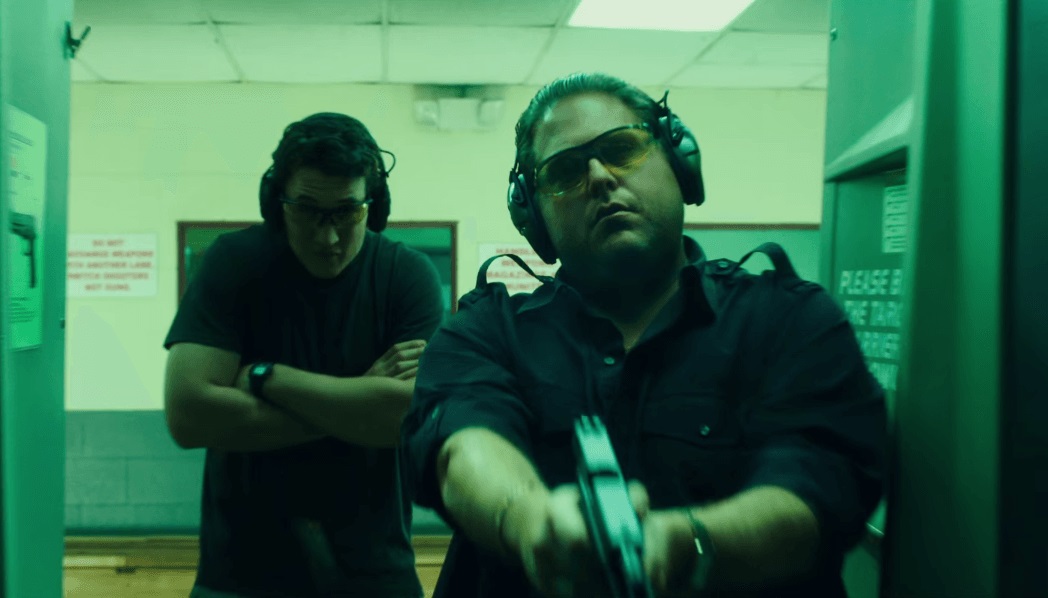
David Packouz (Miles Teller) was a struggling twenty-something massage therapist in Miami when he re-connected with childhood friend Efraim Diveroli (Jonah Hill). Together, they grew Diveroli’s modest gun selling business into a 300 million dollar contract with the Pentagon to arm our allies in Afghanistan.
As Diveroli is quick to point out, “It’s not about being pro-war, it’s about being pro-money.”
Director/co-writer Todd Phillips, expanding a resume built on comedies such as The Hangover trilogy and Old School, brings a suitable zest to the insanity of this guns-to-riches tale, but falters when the time comes to move beyond his filmmaking comfort zone.
With The Big Short just last year, Adam McKay brought comedic sensibilities to the complexities behind financial corruption, dissecting a scandal with humor, insight, and most importantly, a constant undercurrent of outrage that War Dogs is missing.
It does feature a fantastic performance from Hill, and if you still doubt his acting chops after two Oscar nominations, that’s a YP. Hill is magnetic, making Diveroli a darkly charming sociopath who effortlessly becomes whomever his latest mark wants him to be. Don’t be surprised if nomination number three comes calling in a few months.
Teller is fine, if a bit underwhelming next to Hill, while Ana de Armas is asked to do little more than hold a baby in the embarrassingly cliched role of Packouz’s wife.
Phillips does serve up some hearty laughs and effective set pieces while telling this incredible tale, but too much of the journey feels like a testosterone-fueled romp that’s more about respect for the boys’ brazen ambition than the sad truths it revealed. It’s not that Phillips doesn’t want to dig deeper, he’s just not sure how to do it on his own terms.
More than anything, War Dogs is a film that constantly reminds you of other films. The Hangover vibe is rampant, from the guy in the trunk to the effective cameo by Bradley Cooper, but there are also shots lifted right from Scarface and Rain Man, plus stylistic nods to multiple Scorsese titles, especially Wolf of Wall Street.
That film, like The Big Short, carried a healthy dose of cynicism to dig at the wages of excess. War Dogs doesn’t, and closing with one of the most brilliantly cynical songs ever written only makes that fact more obvious.
It’s clear Phillips knows how to make us laugh. War Dogs is his uncertain step toward making us think, too.
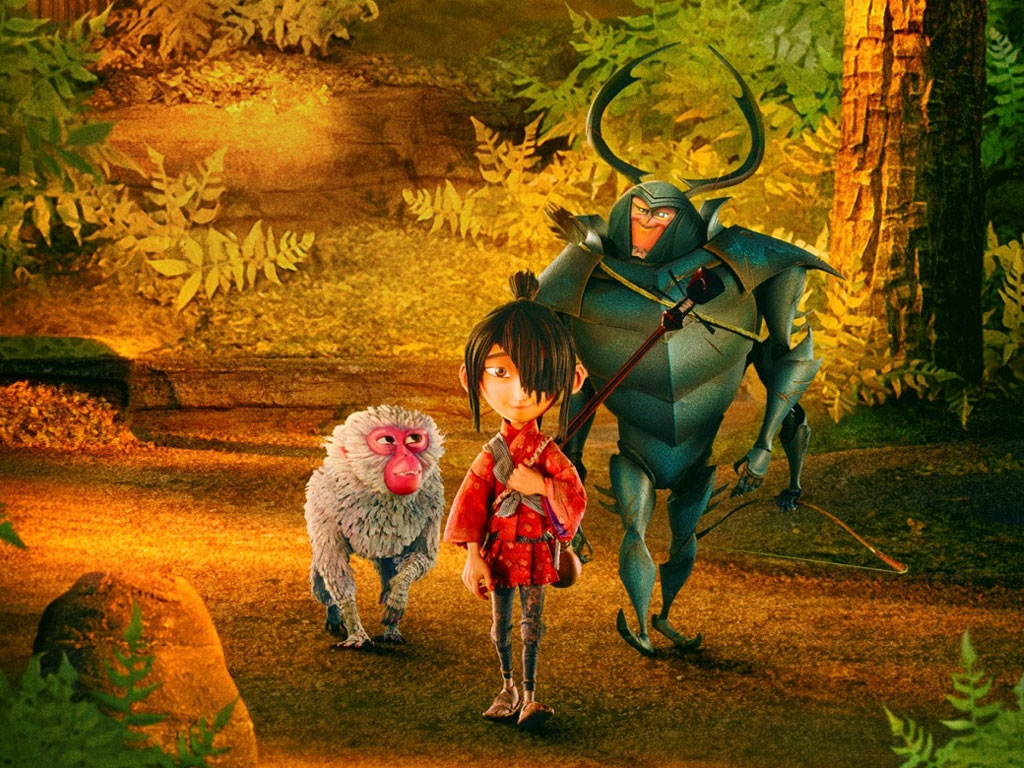
Describing the story of Kubo and the Two Strings feels deeply wrong for a film that takes great pains to remind us of the raw power of storytelling—that our lives come and go, and all we can hold onto is the story of ourselves.
But here goes anyway: Kubo (voiced by Game of Thrones‘ Art Parkinson) is a one-eyed boy who spends his days entertaining his village in a magical, ancient Japan. His nights are a lot less fun, thanks to dire if not particularly lucid warnings from his mother about returning home before dark.
As young heroes in mythical tales are wont to do, Kubo eventually stays out past sundown, invoking the wrath of familial specters (twin sisters, voiced by Rooney Mara) who doggedly pursue him through the village, leaving a trail of destruction in their wake.
Kubo’s mother saves the day, but at great cost, and Kubo soon finds himself on the run with little besides his stringed instrument known as a samisen, a talking monkey (voiced by Charlize Theron) and magical powers that grow stronger by the day.
First-time director Travis Knight makes an impressive debut after years of animation experience. Knight, also the president and CEO of Laika Studios, has given his group another modern stop-motion classic. Laika has never been a studio to tread lightly around adult themes in their animated films—but while Coraline and ParaNorman aren’t short on death, Kubo cuts to the emotional core with a story so saturated with loss that it becomes its own texture, something as visceral as the sumptuously animated hair or backgrounds.
Kubo follows the typical hero’s journey: suffer adversity, embark on a quest, encounter friends and foes, suffer more adversity, conquer evil. (None of this should come as a spoiler for the adults watching who have seen or read… well, pretty much any story before.)
But beneath the surface, Kubo and the Two Strings quietly but persistently makes us confront what it means to be alive, and just how tenuous the bonds we share are with the ones we love in this world. And the script deftly handles this emotional gut punch without getting sentimental.
All the way up to the end, the film continues to ask questions without easy answers. What’s the difference between a story, a memory and a lie? Are we more than that?
Maybe not. But it’s all we have, and if Kubo doesn’t inspire you to seek out new stories of your own, you might as well be dead already.
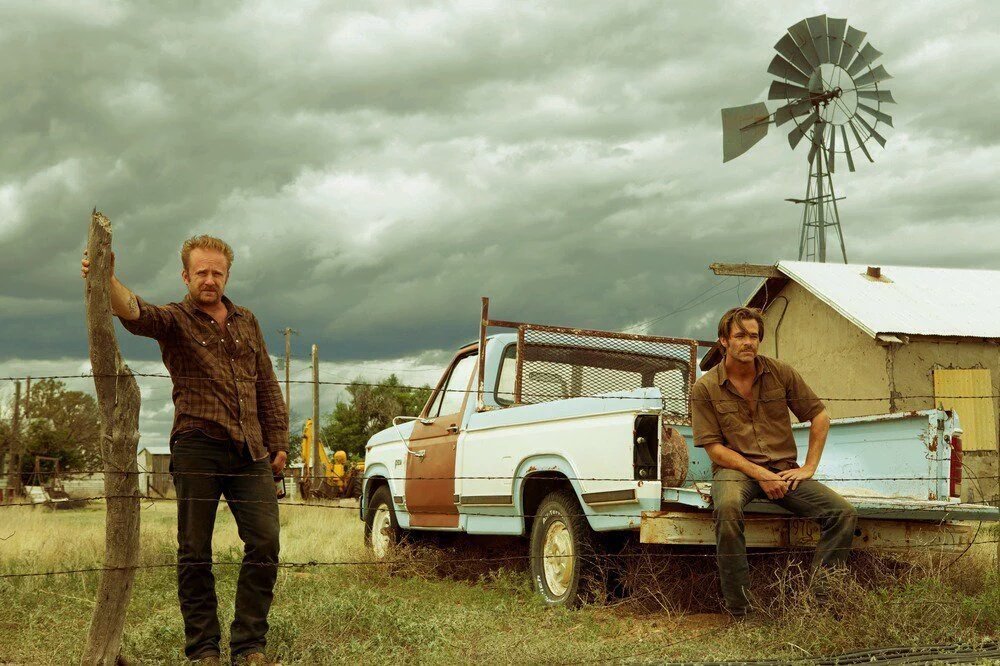
Two brothers in West Texas go on a bank robbing spree. Marshalls with cowboy hats pursue. It’s a familiar idea, certainly, and Hell or High Water uses that familiarity to its advantage. Director David Mackenzie (Starred Up) embraces the considerable talent at his disposal to create a lyrical goodbye to a long gone, romantic notion of manhood.
Two pairs of men participate in this moseying road chase. Brothers Toby and Tanner – Chris Pine and Ben Foster, respectively – are as seemingly different as the officers trying to find them. Those Texas Marshalls, played with the ease that comes from uncommon talent, are Marcus (Jeff Bridges) and Alberto (Gil Birmingham).
Though both pairs feel like opposites at first blush, their relationships are more complicated than you might imagine. Foster, a magnificent character actor regardless of the film, is a playful menace. Though Pine’s Toby spends the majority of the film quietly observing, his bursts of energy highlight the kinship. Their often strained banter furthers the story, but moments of humor – many landing thanks to Foster’s wicked comic sensibility – do more to authenticate the relationship.
Likewise, Bridges – wearing the familiar skin of a grizzled old cowboy – makes every line, every breath, ever racist barb feel comfortably his own. Birmingham impresses as well, quietly articulating a relationship far muddier than the dialog alone suggests.
These four know what to do with Taylor Sheridan’s words.
Sheridan more than impressed with his screenwriting debut, last year’s blistering Sicario. Among other gifts, the writer remembers that every character is a character and his script offers something of merit to every body on the screen – a gift this cast does not disregard.
The supporting actors populating a dusty, dying landscape make their presence felt, whether Dale Dickey’s wizened bank teller, Katy Mixon’s spunky diner waitress, or a hilarious Margaret Bowman as another waitress you do not want to cross.
Even with the film’s unhurried narrative, not a moment of screen time is wasted. You see it in the investment in minor characters and in the utter, desolate gorgeousness of Giles Nuttgen’s photography. Every image Mackenzie shares adds to the air of melancholy and inevitability as our heroes, if that’s what you’d call any of these characters, fight the painful, oppressive, emasculating tide of change.
A film as well written, well acted, well photographed and well directed as Hell or High Water is rare. Do not miss it.
Horror movie remakes are legion – most of them needless, many of them abominations, one or two really work out well. The Ring – that’s a great one. Let Me In – OK, we will! But today, rather than crucify the sub-par remakes, what we really want to do is to remind you of the bloody good original you may have missed, or maybe saw years back and need to check out again. Here is our list of horror movies where you should skip the remake and seek out the original.
5. Diabolique (1955 v 1996
Henri-Georges Clouzot’s twisty psychological thriller with horror-ific undertones is crafty, spooky, jumpy and wonderful. Jeremiah Chechik’s 1996 remake capitalizes on the popularity of a post-Basic Instinct Sharon Stone and the moviegoing public’s spotty memory. If a film relies on a twist ending to work, why remake that film? You have to ask whether the film still works if the ending is apparent all the while. In all honesty, with the atmosphere of brittle dread Clouzot created, the answer could well be yes – although that bathtub scene is far scarier when you don’t know it’s coming. But Chechik – whose National Lampoon’s Christmas Vacation hardly suggested he had instinct for tense, potentially supernatural horror – was not up to the task. Flat. Uninspired. Spook-less. Boo.
4. The Wicker Man (1973 v 2006)
Oh my God. What the hell?! The once-promising Neil LaBute and the once-talented Nic Cage turn that saucily blasphemous ’73 gem on Summerisle into an embarrassing battle of the sexes. In the early Seventies, Robin Hardy created a film that fed on the period’s hippie versus straight hysteria, and he did it with insight, humor, and super creepy animal masks. LaBute, characteristically, turns that primary conflict into male versus female, sucking all the irreverent humor from the story as he does. And he pulls his punch with the ending – so what on earth is the purpose of this?!!!
3. The Haunting (1963 v 1999)
Well, here’s another one that just pisses us off. In ’63, Robert Wise (West Side Story, The Sound of Music – yeah, that one) took Shirley Jackson’s beloved haunted house novel to the big screen. True to the source material, The Haunting relied so entirely upon your own imagination that it garnered a G rating and still scared hell out of you. In 1999, Jan de Bont abandoned nuance entirely, embraced vulgar displays of literalism and wasted a cast that was actually perfect for each role. In somebody else’s adaptation, Catherine Zeta-Jones would have made the perfect Theo and Owen Wilson a delightful Luke, but the achingly missed opportunity is Lily Taylor. There is no better option to play Jackson’s repressed heroine Nell – Taylor couldn’t be a more perfect choice – and a blind de Bont understood his talent even less well than he understood Jackson’s novel.
2. Oldboy (2003 v 2013)
No surprise here. We honestly feel a bit bruised for poor Spike Lee, who endured so much Hollywood interference with his reboot of Chan-wook Park’s near-perfect Korean original that a decent product was out of the question. And yet, this abomination was released on an unsuspecting – or worse, optimistic – movie going world. And it sucked! Just sucked outright!! Gone were all the glorious bits of subversive genius, every punch pulled, every shock diluted. Park’s dizzying action sequences – ditched. And this seriously badass cast – Josh Brolin, Elizabeth Olsen, Samuel Jackson – wasted, while Sharlto Copley embarrasses himself. Awful!
1. Martyrs (2008 v 2015)
Pascal Laugier’s diabolical masterpiece Martyrs is a merciless film. It’s also one of the most impeccably written, directed and acted films in horror history. Co-directors and brothers Kevin and Michael Goetz underperform with their 2015 remake – pulled punches, heavy handed explanations, and a general lack of spine mark their work. The questions here resemble the same conundrum of remaking Oldboy – if you lack the guts to do the film justice, why do it at all? Why choose such a bold effort if your whole goal is to water it down?
I was expecting to hate this movie. At worst I was anticipating a series of increasingly forced dick jokes and at best a munchie-induced fever dream. Instead, I gotta say, Sausage Party stands up with the South Park movie as a pretty offensively entertaining animated movie for adults.
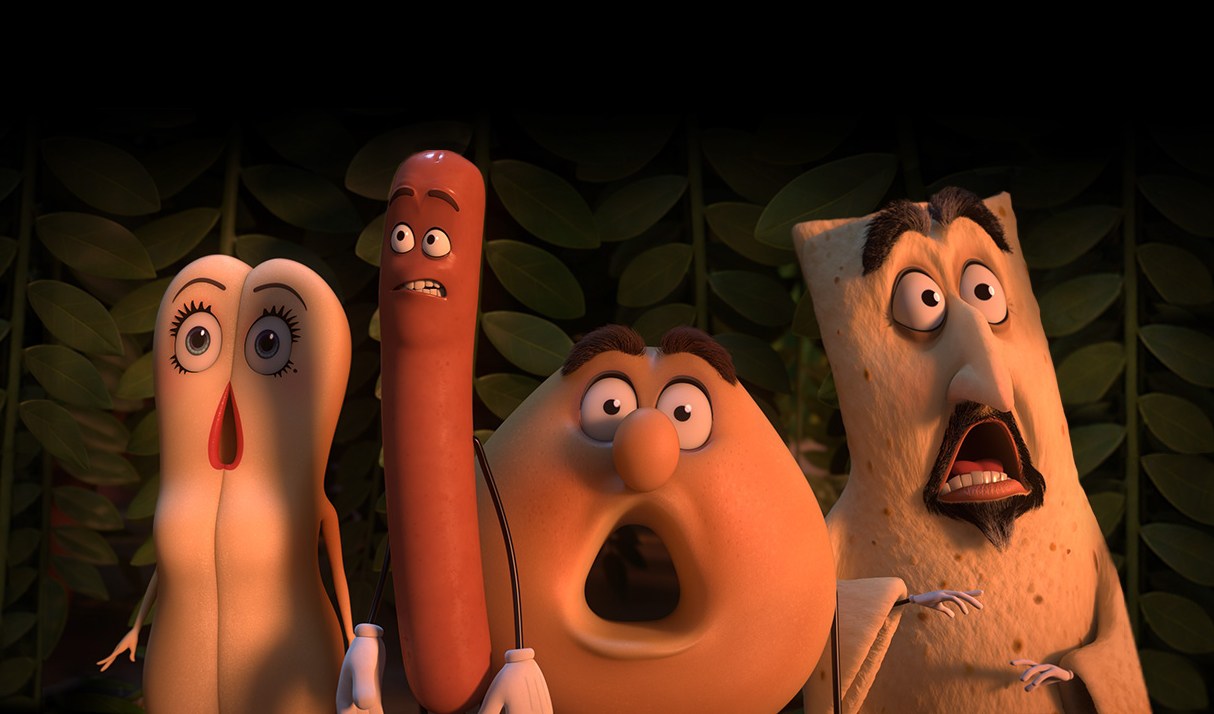
The film is set in a Shopwell supermarket where every morning the products sing about their desire be chosen by “the gods”—those big things wheeling the carts—and travel to the Great Beyond (via a song composed by Alan Menken—the guy who co-created the songs from The Little Mermaid, Beauty and the Beast, and Aladdin).
Little do the foodstuffs know what terrors await them on the other side of the pneumatic doors. It’s not nirvana. The Gods fucking eat you.
As the Fourth of July approaches, Frank—a hot dog voiced by Seth Rogan—eagerly anticipates hooking up with his honey bun (Kristen Wiig) in the Great Beyond. But after they are chosen, they and a bunch of other products are separated from their packaging and fall to the supermarket floor.
Forced to traverse the enormous grocery, the fellowship has to navigate the aisles to get back to their packages, interacting with their fellow foodstuffs in various ethnic-food aisles, partying in the liquor aisle, and generally trying to evade the villain—a vampiric and increasingly unhinged literal douche.
The movie certainly employs a fair amount of wiener-based humor and a variety of food-centric ethnic stereotypes (for example, the sauerkraut jars are a bunch of fascists bent on exterminating “the juice”, the bagel’s voice is a Woody Allen impression, and a Peter Pan “Indian”-style pipe-smoking bottle of firewater dispenses wisdom), but the movie turns to a surprising exploration of faith vs. skepticism and the extent to which religious belief fosters divisions, hostility, and repressed sexuality.
Although the movie manages to provide enough offense to go around, the majority of the jokes are actually quite funny. The cast is certainly strong. Rogan and Wiig are joined by Nick Kroll, Salma Hayek, Michael Cera, James Franco, Bill Hader, Danny McBride, Edward Norton, Craig Robinson, David Krumholtz, and Paul Rudd, and the sex-positive food porn scene exceeded my expectations of what was bound to happen once the wiener and the bun finally got together.
Seeing Sausage Party ain’t a bad way to pass the time. But, for the love of God, please don’t take your kids.
“There is no word nor any sound that you can make with your mouth that is so powerful that it will condemn you to the lake of fire at the time when you hear it. Any word that gets the point across is a good word.”
So says Frank Zappa – a singular, curmudgeonly, cynical voice that echoed around the fringes of American culture for far too short a time. Known more for his personality than his music – each of them equally ingenious and caustic – Frank Zappa became a peculiar kind of icon. He was associated with a hippie culture he disdained, linked to extreme liberalism though he was a conservative, and for many he stood for the hedonistic rock star lifestyle that would corrupt our youth, though he was a loyal family man.
Frank Zappa was a conundrum.
Eat That Question: Frank Zappa in His Own Words underscores every seemingly inconsistent element of that mad genius, sharing nothing but interviews from the musician over the course of his career. Documentarian Thorsten Schutte crafts a portrait free from the analysis of others – no friends of the family, no insights from the director himself. Zappa is best understood – if he can be understood at all – on his own terms.
Whether it’s archival footage of a young, clean shaven Frank appearing on the Steve Allen Show to play a symphony of dissonance on a bicycle, the iconic mess of hair and cynicism that marked his most productive time with The Mothers of Invention, or the bitter elder statesman dealing with Tipper Gore’s PMRC, you see Zappa as he saw himself.
There’s something appropriate about Schutte’s structure. Why should we care about someone else’s opinions on Frank Zappa? He certainly didn’t. And Schutte doesn’t try to paint a pretty picture. These aren’t one-sided images set to glorify. Frank Zappa was a dick. Geniuses often are.
Like Bob Dylan, Zappa was disinterested in the effects of his artistic decisions on his fans. He alienated at will, forever cursing the American public’s lack of discernment. “People are not accustomed to excellence,” was one of his more generous statements about his lack of popularity at home.
“The thing that sets Americans apart from the rest of the cultures of the world is we’re so fucking stupid,” is one of his less generous thoughts.
Pulling an even-handed, honest documentary that sheds light on this particular individual could not have been easy. It must have been tempting to pick and choose – Zappa the wild man, Zappa the political mind, Zappa the underappreciated genius. But Schutte balances those, throwing in the ugly with the funny with, in one especially uncharacteristic and moving segment, the tender.
Frank Zappa had a larger effect on American culture than you may realize. Have you seen those tee shirts – So Many Books, So Little Time? He said that. You should get to know him. Here’s how.
Back in 2008, the inexplicable popularity of the mid-budget action flick Taken accomplished two things. (Three, if you count exacerbating my cynicism with the film industry.) The two noteworthy accomplishments, however, were extending the career of an aging male actor and creating a new genre of film.
If two sequels and at least half a dozen copycats (including one currently listed as filming) could turn a sixty something character actor into a mainstay action figure, couldn’t the same be done for, say, an aging action hero? Why not Stallone? Why not Schwarzenegger?
Here’s why not – they can’t act. You know who can, though? Mel Gibson.
Right, he’s looney as a tune, not to mention being a professional and social pariah, but Mad Max can kick Rambo’s ass any day and who doesn’t want to see that?
Maybe next time. Right now, though, talented French action director Jean-Francois Richet directs the lunatic in Blood Father.
The story is right out of the Liam Neeson playbook: ex-con father, clean and sober but struggling to suppress his rage and shame, needs to take action to save his teenage daughter from a drug cartel.
How will he do it? Will it be his particular set of skills?!
Of course it will. And while Blood Father is absolutely faithful to its genre, there is genuine craftsmanship in the effort. Richet allows the California desert to cast an apocalyptic spell over the tale, then brings in just enough Mad Max touches to command a burst of joy.
Gibson’s character doesn’t call for a great deal of nuance, though the actor does deliver a gruff and realistically damaged performance. He’s aided by the kind of supporting cast you just don’t find in films like these.
The great William H. Macy, the underappreciated Diego Luna, the effortlessly badass Dale Dickey, and the always welcome Michael Parks round out an ensemble talented enough to find the sun-scarred and chemical-damaged humanity in every character.
A tale told in tattoos and bullet wounds, Blood Father is still, at its heart, a love note from a shitty father to his damaged daughter – a welcome dose of near-reality in a genre saturated with creepy paternal child worship.
This is not a great movie. But you know what? I swear to God, it is not bad.