A quick synopsis of The Starling, the new drama from Hidden
Figures director Theodore Melfi, brims with potential, offers an
appealingly messy notion.
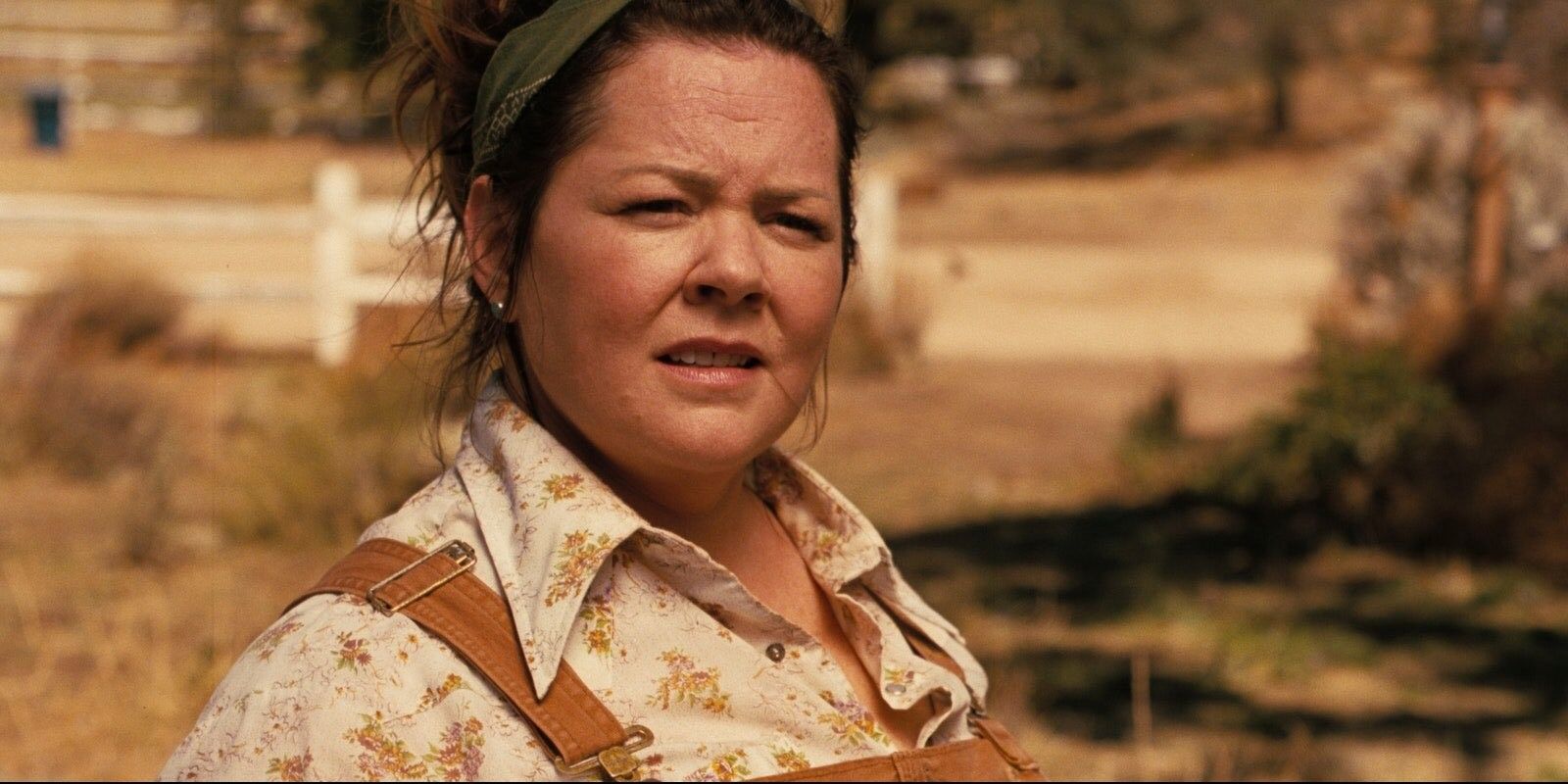
Lilly (Melissa McCarthy) and Jack (Chris O’Dowd) are
suffering, silently and separately, about a year after the death of their baby
girl. Jack waits out his grief in an institution while Lilly tries to tough it
out on her own. Eventually she decides to plant a garden, but a territorial, dive-bombing
starling makes that difficult. She turns to psychologist/veterinarian Larry
(Kevin Kline) for help.
That’s a lot to unpack, but when the core theme is grief,
complications are welcome. Hollywood tales of grief and relief tend to be too
tidy, the metaphors too clean, while the unruly emotion being presented is
rarely tidy or clean in real life. A good mess is called for.
Unfortunately, The Starling is not a good mess. Just
a regular old mess.
Matt Harris’s script never digs below the surface — not even
when Lilly is gardening. Melfi relies on the score to represent emotional
weight rather than leaning on his more-than-capable cast to depict that grief.
An anemic comic-relief subplot at Lilly’s gig managing a grocery store feels
wildly out of place and wastes real talent. (Timothy Olyphant has four lines –
funny lines delivered via a character that should be on a TV sitcom, not in
this movie.)
O’Dowd — who was the absolute picture of grief in John
Michael McDonagh’s masterful 2014 film Calvary – fares the best with the
material. Even though his character’s resolution feels unearned, there is heft
in the performance that allows human emotion to overcome a weakly written
character.
McCarthy suffers most, though. Unable to ad lib her way toward elevating a drama, she sinks beneath the unrealistic banter between Lilly and Kline’s Dr. Larry. Kline is solid, strangely aided by Harris’s weak characterization, which allows the actor to find a groove that conveys more than what’s on the page.
Moments of genuine emotion punctuate the film and, while welcome, they mainly serve as a reminder of what The Starling had the potential to become.
Flatulence, Judy Greer and historical reenactments? I don’t think we see enough of these in independent film.
Neither do brothers Justin and Christian Long, presumably, because
they have written and directed Lady of the Manor to encourage us to
spend some time with all three. And since the flatulence is cinematic rather
than aromatic, what’s the harm?
There is none. The film is, in a word, harmless.
Greer plays Civil War-era Lady Wadsworth. As the film opens, we see her behaving properly, sporting proper posture and manners, quarreling politely with her husband, and tumbling fatally down a flight of stairs.
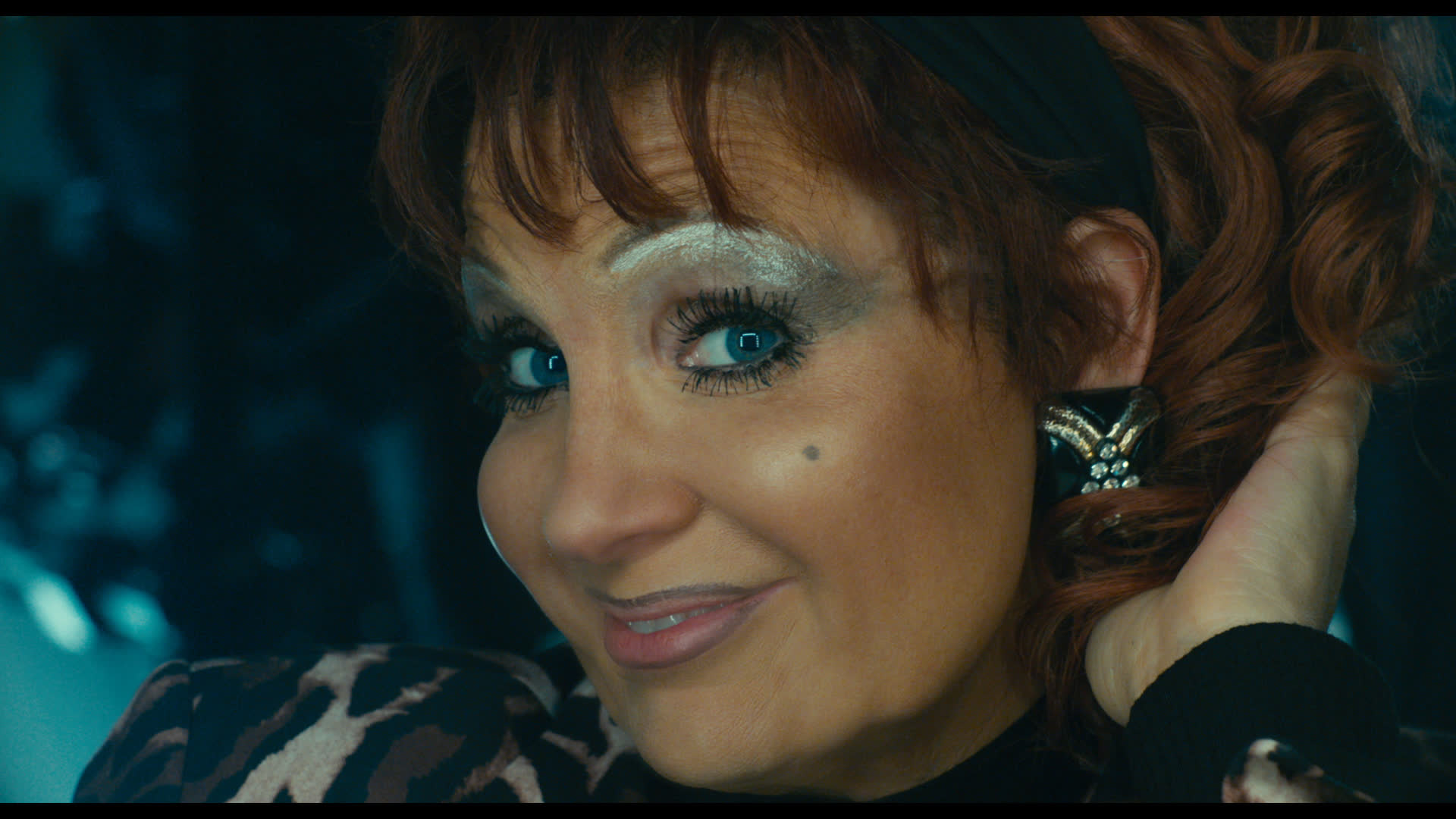
The Longs intercut this scene with the audio from a true-crime program being viewed by modern-day ne’er-do-well Hannah (Melanie Lynskey). After a series of drug and alcohol-related shenanigans, the down-on-her-luck Hannah accepts a position as tour guide of Wadsworth Manor.
Hannah’s clear, almost criminal weaknesses in the areas of
ladylikeness bring the ghost of Lady Wadsworth back to the manor to teach
Hannah some etiquette. Or is there another reason for her spectral return?
The Longs plump up their very slight script with plenty of silliness. Justin portrays Hannah’s bashful history professor suitor Max, while Ryan Phillippe lampoons his early career roles with a funny entitled douchebag performance as Wadsworth heir, Tanner.
There’s also a fun Luis Guzmán cameo and a rare Patrick Duffy sighting.
But the film is at its best when Lynskey and Greer turn My Fair Lady into The Odd Couple. These veteran character actors riff off each other like old vaudeville partners, bringing joy to even the most superficial scenes.
There are plenty of those. Lady of the Manor often plays like an extended episode of Drunk History, only maybe not quite as funny. Everybody seems to be enjoying themselves, no one is challenged by the material, and an entirely pleasant if fairly predictable and only modestly funny time is had by all, viewers included.
Nicolas Cage referred to Sion Sono’s Prisoners of the
Ghostland as possibly the wildest film he’s ever been in.
Wilder than Wild at Heart?
Wilder than Mandy?
Wilder than – I mean, it’s a long list. We’re talking about
Nicolas Cage here. But Sono (Suicide Club, Antiporno, Tokyo Vampire Hotel,Why Don’t You Play in Hell, among others) is no slouch in the wild
department. So, it would seem that he and Cage make a suitable match.
Sono’s tale pits dastardly bank thief and all around nogoodnik Hero (Cage) against the clock, testicular bombs, and marauding trucker ghosts. Why? To return The Mayor’s (Bill Moseley) beloved granddaughter Bernice (Sofia Boutella) back to him.
If that sounds simple enough —and it probably does not— the film’s even more unusual than the synopsis suggests. Prisoners of the Ghostland delivers a samurai cyberpunk musical Western dystopian neo-noir with flourishes reminiscent of Mad Max and Mulan Rouge.
I wish that mashup worked better.
The Mayor rules Samurai Town, a garish din of debauchery,
color and indulgence. Here Sono delivers bold and bizarre visuals. He runs with
the idea that the samurai and the cowboy are essentially, cinematically, the
same beast.
Bernice is held in Ghostland, all ash and cinder populated
as much by mannequins as humans. Haunting imagery here as well, though less of
it unique, marrying Western to dystopic fantasy. Plus the Greek chorus.
Compared to Sono’s madcap antics, Cage is almost subdued. Does
he ride naked on a child’s bike? Grapple with toxic mutant monsters? Sing? He
does! It’s just that Sono’s vision is wilder still.
The filmmaker’s aesthetic is jarring, disjointed,
overwhelming, frenetic, sometimes stupid, other times glorious, and never less
than mad. The fact that he tries to tie it all together neatly at the end may
be Prisoners of the Ghostland’s biggest drawback.
The underlying story is of trafficked women taking control
of their lives and bodies, though the fact that Boutella is essentially
voiceless and in need of saving speaks louder about the film’s themes. She does
a solid job in a thankless role, as does everyone in the densely populated
ensemble.
It’s bananas It doesn’t entirely work – sometimes it doesn’t work at all — but it is a bold mess that commands attention.
Horror filmmakers have long focused their preoccupations with mortality o the act of death itself, perhaps what happens afterward. But there are those whose real worry is quite the opposite – rather than leaving a beautiful young corpse, it’s the idea of the long, slow death of aging. Here are our favorite movies on the horrors of aging – but first, a little PSA on a movie of our own!
Obstacle Corpse
We also used our latest episode to announce our own movie!
After she gets an invite to a mysterious pro-am obstacle course race, unprepared teen Sunny enters with her goofy best friend, Ezra, in a last-chance shot at proving herself to her survivalist dad. But when bloody bedlam breaks out and the pros start murdering their “plus-ones,” Sunny must finally find her killer instinct before she and Ezra end up coming in dead last.
Please help us reach the finish line and support a woman-led, smart horror comedy!
A fear of aging hangs over this film and story, but not simply of impending death but of the ravages of sin, guilt and shame. Due to some magical mystery, the beautiful young man never ages, although a painting of him not only shows his true age, it shows every ugly thing he’s ever done. As Gray stalks London indulging in debauchery, treachery and all things foul, his painting grows more and more grotesque.
We knew there would be a Dorian Gray somewhere in this list, but we’d originally planned to go with Oliver Parker’s 2009 film Dorian Gray starring Ben Barnes, Colin Firth and Rebecca Hall, mainly because it’s far more of a horror film than the 1945 film from Albert Lewin.
But upon rewatch, there was something so gorgeously unsettling in the way this film avoids specificity. That, and George Sanders, who was better at playing a cad than any actor of his time. Clearly the onscreen personification of source writer Oscar Wilde, Sanders gets all the best lines and delivers the film’s unnerving themes perfectly.
4. Daughters of Darkness (1971)
It was also pretty clear that we’d have to choose a vampire film for the list, as those tales are so very often about the lengths a body will go to fend off aging. It could have been Fright Night, it almost was The Hunger, but in the end we are lured by our favorite Countess Bathory tale, Harry Kümel’s languid classic Daughters of Darkness.
It’s a film about indulgence and drowsy lustfulness, and Delphine Seyrig is perfection as the Countess who drains others to keep her youth.
Seyrig’s performance lends the villain a tragic loveliness that makes her the most endearing figure in the film. Everybody else feels mildly unpleasant, a sinister bunch who seem to be hiding things. The husband, in particular, is a suspicious figure, and a bit peculiar. Kind of a dick, really – and Bathory, for one, has no time for dicks.
3. Something Wicked This Way Comes (1983)
Even though we just talked about this one when we covered librarians in horror, we couldn’t leave it off this list. The Ray Bradbury classic, penned for the screen by the author and directed by Jack Clayton (The Innocents), the movie uses notalgia to its benefit because its very purpose is to seduce those longing for their lost youth.
The movie’s greatest strength, though, is the casting of its true hero, Jason Robards as librarian Charles Halloway, and its villain, Jonathan Pryce as Mr. Dark. (The entire adult cast is amazing, actually.) These two veterans go toe to toe in one scene, where Mr. Dark’s evil and Halloway’s goodness are on full display. It’s the kind of scene talented actors must crave, and these to make the most of it.
2. The Taking of Deborah Logan (2014)
Horror filmmakers look at aging in a very specific way. Brilliant movies like Natalie Erika James’sRelic and Bryan Bertino’s The Dark and the Wicked saw it through the eyes of those who are watching their own ugly future.
Adam Robitel’s Alzheimer’s horror does the same. Its horror is less muted, though, and it works as well as it does because of a fantastic performance from Jill Larson as the aging, vulnerable, terrifying Deborah.
Anne Ramsay is nearly her equal, playing Deborah’s daughter who allows a student documentary crew in to make a movie aimed at raising awareness around the disease. What they find is a sometimes clunky but never ineffective metaphor for watching the person who has loved you more than anyone on earth turn into a demon.
https://www.youtube.com/watch?v=zx8gg80Ldxo
1. Bubba Ho-Tep (2002)
Who wants to see Bruce Campbell play Elvis Presley?! We do.
Director Don Coscarelli (Phantasm) brings Joe R. Lansdale’s short story to the screen to depict the horror and sadness of aging, although its done with such humor that the film is impossible not to love.
Elvis never died, he swapped places with an impersonator who died and ever since then he’s been stuck living someone else’s life. And now he’s been stuck in this low-rent old folks home where his only real friend is a guy who believes he’s JFK (Ossie Davis). Obviously, when they realize that the recent spate of patient deaths is due to a mummy sucking the life from people through their assholes, who’d believe these knuckleheads?
The script is great and Coscarelli knows exactly how to make the most of budgetary limitations. The entire cast soars, but Campbell and Davis have such incredible chemistry that the film delivers not just laughs, message, and some scares but genuine tenderness.
You know how sometimes in an obstacle race everyone starts trying to kill you? Sunny sure does.
Hope Needs Your Help to Make Her Feature Debut!
We all want more good horror comedies. And we want more women-led films. Here’s your chance to have both. Join us in bringing Hope Madden’s debut feature film, the hilarious dasher-slasher Obstacle Corpse, to the big screen. Contribute, and you’ll help Hope make her dreams a reality, be part of a close-knit team making a difference in genre film, and get a smart horror comedy with laughs and kills all the way to the finish line.
A Story to Die For …
Obstacle Corpse is the tale of lovably cranky teen Sunny and her quest to prove her mettle to her dad (and, ultimately, herself) in an obstacle course race that goes totally f*cking insane. Like, The Warriors meets Saw insane. It’s muddy. It’s bloody. It puts the laugh in slaughter. And it’s surprisingly sweet and uplifting … in an off-kilter way.
… and a Creator Worth Supporting
Hope Madden is a celebrated writer, director, film critic, indie film champion and half of the film brand Maddwolf (along with George Wolf). She’s been preparing all her life to write and direct her debut feature film. Now, she’s ready to take all she’s learned writing optioned screenplays, directing award-winning short films and dissecting horror movies on the critically-acclaimed Fright Club podcast, and create a gut-busting horror comedy with heart (and plenty of other organs). All she needs to do it is … you!
The Synopsis
Raised in a rah-rah survivalist family, Sunny was always more into books than backpacking as a clan. But she’s tired of disappointing her old man and getting his beard trimmings for Christmas every year (don’t ask). So she sets out to prove herself once and for all in the invite-only Guts and Glory obstacle course race, where she and her goofball friend Ezra will run alongside some past winners and hopefully show Whitey his daughter can take care of herself.
But all is not as it seems, and soon Sunny realizes she and Ezra are in waaay over their heads, having stumbled into a Most Dangerous Game situation put on by some rich Illuminati wanna-bes. As murderous maniacs begin slaughtering the other “plus-ones” on the course’s twisted obstacles, Sunny must finally spark her survival instinct, or she, Ezra and all the other prey will be coming in — you guessed it — dead last.
With Your Help, We’re Ready to Run
We’ve already been working tirelessly for a year to make sure Obstacle Corpse will be made and that you’ll be proud of it. We’ve invested our own money to seed the production. The script is written, revised and locked. We’ve identified and secured locations. We have a talented above-the-line team with feature-producing experience already in place. We’ve lined up in-kind trades for essentials to reduce cost. We’ve even had initial discussions with distributors.
Now, to make Obstacle Corpse a reality, we need your help. We’re seeking participation from the genre film family totaling $30,000 to directly support production and post-production:
Cast, including a face familiar to horror fans
Crew, including investing in Columbus-based positions
Special effects
Obstacle construction
Editing, sound design and color correction
Deliverables for distributor
No film production is risk-free, but we’ve done everything we can to give ourselves the very best shot of finishing, delivering and distributing Obstacle Corpse. Our intent is to make this film, whether fully funded or not. The level of scale we can achieve, and the degree to which we can bring Hope’s full vision to life? That’s what you get to control!
Rewards Movie Fans Will Love
Because we’re filmmakers and crowdfunding supporters too, we took a different tack on perks. Our goal is to engage and reward the community we love while ensuring most contributions pass through directly to the cost of the film — instead of getting diverted to pay for expensive tchotchke. So we’ve designed the perks for Obstacle Corpse to create memories, insider experiences, a sense of membership and ownership, and even the chance to kick-start your own filmmaking career with the help of our expert team.
On Your Mark. Get Set. Give!
Ready to join the race team and help make Obstacle Corpse? Here’s how to run your leg of the course. First, give what you can and enjoy the sweet perks of being part of the OC family. Next, follow us on social to hear about every development. And finally, share this campaign and brag about your good taste on every channel.
The damaged man seeking redemption — it may be the most
cinematic concept, or certainly among the most frequently conjured by
filmmakers. When Paul Schrader is on his game, no one tells this story better.
Schrader’s game in The Card Counter is poker, mainly.
But if he tells the redemption story differently than others, you should see
what he does with a gambling picture.
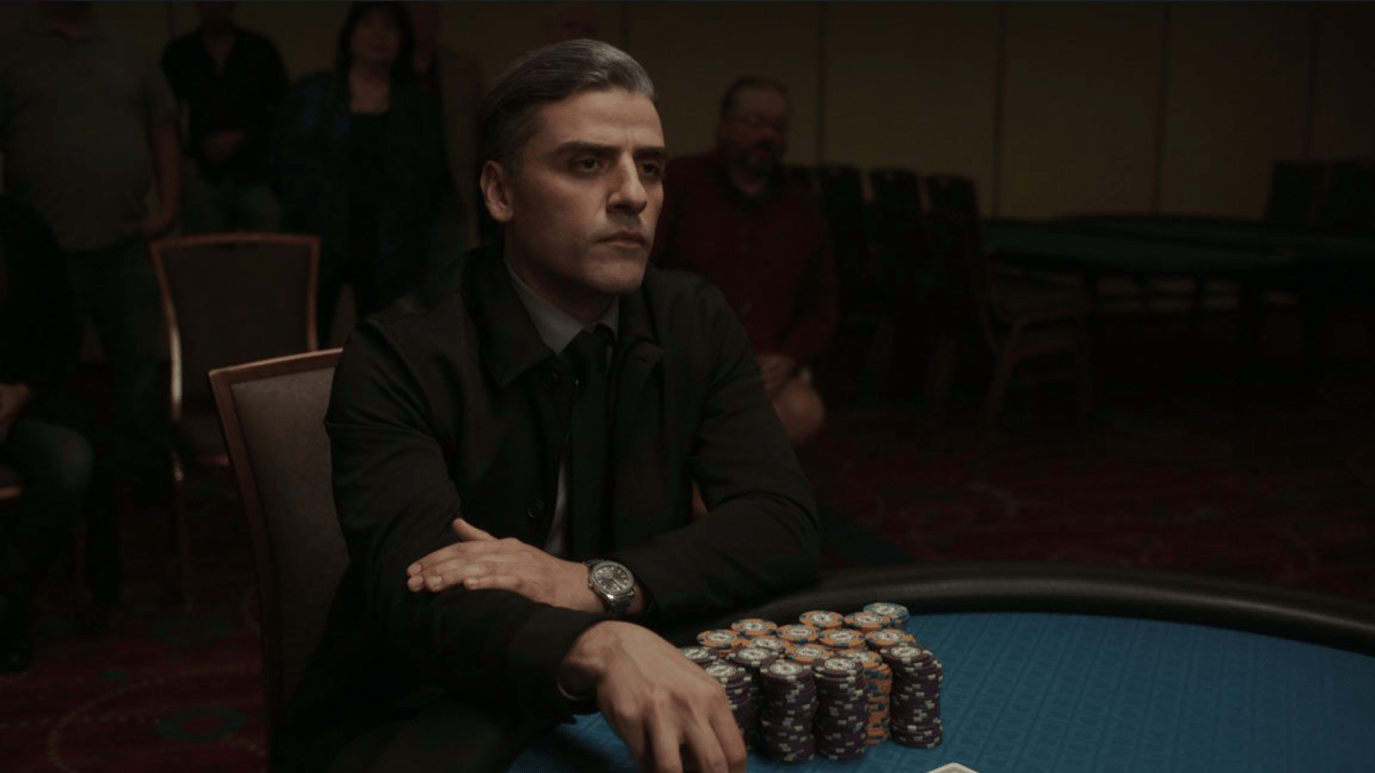
Oscar Isaac and his enviable hair play William Tell, gambler.
Where this film differs from others treading this territory is that, rather
than being a man of a somewhat self-destructive bent drawn to the adrenaline,
anxiety and thrill of the lifestyle, William is comforted by its mundane
routine. When you play the way William plays, gambling is tidy. It is clean. It
is predictable.
William learned to count cards — and to appreciate routine —
in prison.
His routine is shaken up, as routines must be, by two people.
La Linda (Tiffany Haddish) wants to find William a financial backer, put him on
a circuit, see him win big. Cirk “with a C” (Tye Sheridan) wants more from him.
The precision and power in Schrader’s writing come as no surprise, but as a director, he wields images with more unique impact here. There are three different worlds in The Card Counter: prison, casinos, haunted past. Each has its own color scheme, style and mood. The haunted past takes on a nightmarish look via fisheye lens, creating a landscape that’s part first-person shooter, part hell.
Schrader’s on point with visual storytelling throughout, even
though he relies on voiceover narration from the opening shot. Voiceover
narration is rarely done well. It’s often, perhaps usually, a narrative cheat,
a lazy device used to tell us something a stronger writer could convey
visually. Not when Schrader does it. We learned that in 1976 when he wrote Taxi
Driver, and he proves it again here.
It helps that Isaac is a profound talent and essentially
flawless in this role. He is the essential Schrader protagonist, a man desperate
for relief from an inner torment through repression, redemption or
obliteration.
It’s at least the 4th performance of Isaac’s career worthy of Oscar’s attention, which means the Academy will probably deny that recognition again. But you shouldn’t. You should go see The Card Counter.
Six years ago, filmmaker Ruth Platt released the thriller The Lesson. While essentially no one else saw the film, I was impressed enough by it to look forward to whatever else Platt wanted to make.
So here’s her follow up, the grief-driven horror Martyrs Lane.
Platt’s story of a haunting walks in familiar circles, as confused and lonesome 10-year-old Leah (a heart-bruisingly melancholy Kiera Thompson) makes a spooky new friend (Sienna Sayer, wonderful). By day Leah rattles about the vicarage where her father (Steven Cree) is minister, her older sister (Hannah Rae) kills time before fleeing for university, and her mom (Denise Gough) mourns something secretly.
At night, the creaks and whistles combine with Leah’s fears, imagination and loneliness to conjure a visitor who leaves Leah with clues to follow.
There is a lot about Martyrs Lane that feels familiar, but Platt grounds her spectral tale in messy, lived-in family drama. Set design, costuming, framing, moments of silence, pointed cruelties followed by protective love—all of it combines to create an atmosphere both familial and haunted. No austere staircases, empty nurseries, or any of the other chilly and spare environs where you might expect to set a mournful ghost story. Instead, Leah’s home bears the weary chaos and forced cheer of family and absence.
Thompson’s performance is driven by the recognizable, shapeless guilt that looms in a child’s imagination, making every perceived transgression somehow unforgivable and therefore impossible to share, even with a caring adult. Cree’s bright presence offsets the gloom nicely, while Sayer’s ghostly cherubic image is wonderfully, tenderly haunting.
Gough’s understated frailty is the unease that haunts the film from its opening, a feeling that blossoms into dread as the tale wears on.
Platt and her talented group do not fail to deliver on the promise of their ghost story. The issue is only that, while the execution is impeccable, the story itself is a bit tired. Wisely, Platt capitalizes on character over story, leaving you so invested in this little girl and her family that you’ll likely forgive the sense of having been here before.
And, like me, you’ll probably keep an eye out for wherever it is Platt wants to take you next.