So Kyrie Irving has parlayed his Pepsi commercial into a full-length Uncle Drew feature?
As a Cleveland sports fan I’m conflicted, I ain’t even gonna lie.
A little history: when Irving first put on the old man makeup and schooled some unassuming playground ballers, he was a Cleveland Cavalier.
Then he hit the shot that propelled the Cavs to The Land’s first championship in 52 years. Mad love for you Kyrie!
Then he demanded a trade out of Cleveland. (Al Pacino voice) Kyrie, you broke my heart.
The point is, I need to get over it, I mean the point is, what made the original Uncle Drew work was the prank. Like the Jeff Gordon version when the NASCAR champion put on a disguise, took a test drive and nearly gave his car salesman a coronary, the fun was being in on the stunt.
That jig is up, and expanding a marketing idea to feature length means filling the void with more basketball stars in disguise, a few reliable comedians, and some warmed-over attempts at warm fuzzy life lessons.
Dax (Lil Rel Howery) has dreams of winning New York’s legendary Rucker Park street ball tournament, taking the 100K prize money and vanquishing his longtime basketball nemesis, Mookie (Nick Kroll).
But just before tourney time, Dax loses his team and his girl (Tiffany Haddish), leaving playground legend Drew as his only hope.
In true Blues Brothers fashion, Drew reforms his (very) old band (Shaq, Chris Webber, Reggie Miller, Nate Robinson) to break some ankles and get some buckets.
With a cast light on actors and a script light on substance, director Charles Stone III (Drumline) has his hands full. He tries to balance the athletes’ often painful emoting with the solid timing of the actual comics, and a few good laughs come out in the process (mainly in the first act and the closing blooper reel).
Basketball fans will appreciate a few self-aware inside gags (Chris Webber is a good sport), but with the novelty of the superstar-in-disguise long gone, Uncle Drew feels like little more than the corporate branding love child of Pepsi and Nike.
Now if you’ll excuse me, I’ve got some 2016 NBA Finals highlights to cue up….
Well, not a lot to boast about in home entertainment this week. What we recommend is binging all the films of Justin Benson and Aaron Moorehead: Resolution, Spring and—available to stream or bring home this week—The Endless. The other options this week suck pretty hard.
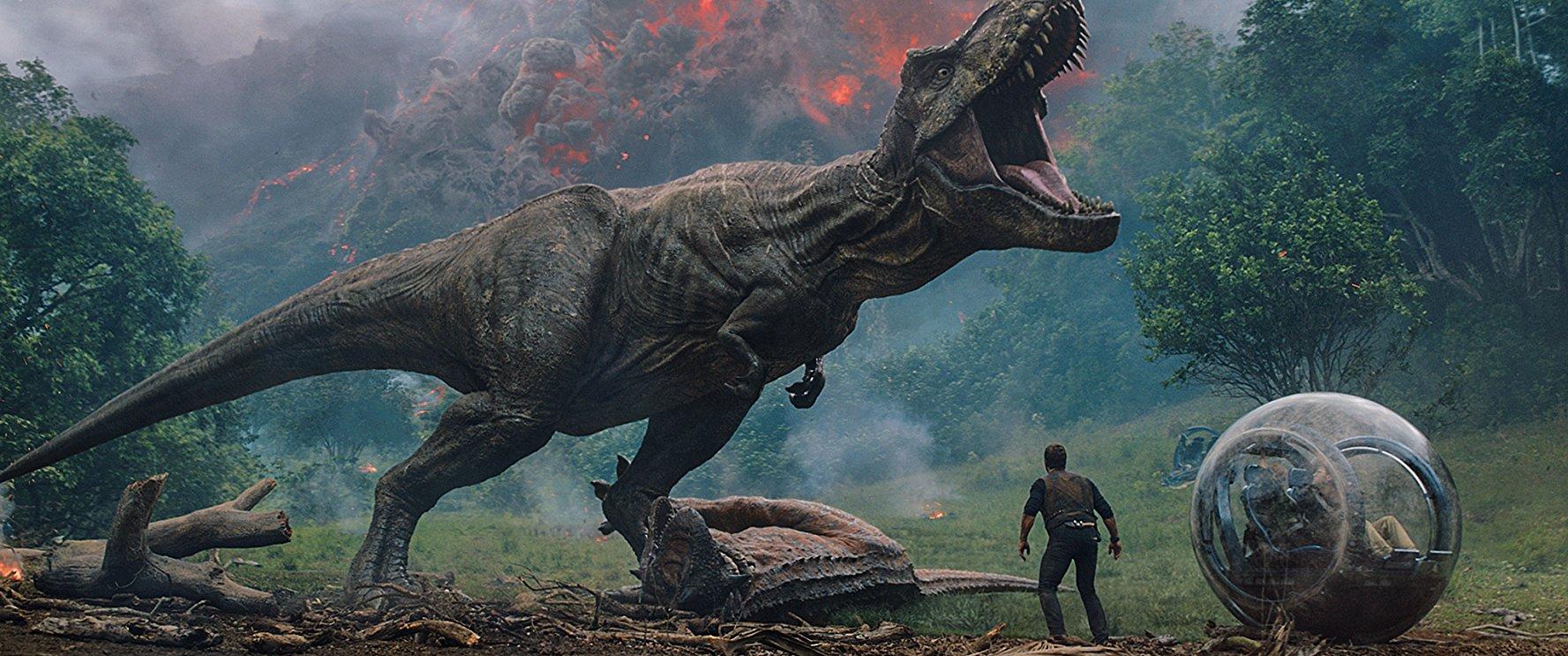
Hey! We’re back with a look at the latest in the dino-series, Jurassic World: Fallen Kingdom. We don’t like it. We much prefer The Catcher Was a Spy, American Animals and Izzy Gets the F*ck Across Town. We talk through what’s what in home entertainment, as well.
The Catcher Was a Spy features a surprisingly impressive lead performance from Paul Rudd. It’s not his talent that surprises, but rather the role as enigmatic baseball player turned wartime spy.
This isn’t what we’ve come to expect from the always welcome Rudd, which makes him that much more appealing for branching out.
Dammit, Rudd, you likable rogue!
He stars as true life legend Moe Berg, who spent fifteen years as a Major Leaguer in the years before WWII. Though never a superstar, he was a well-respected and durable catcher with many other talents that proved useful.
A Princeton grad with multiple degrees, Berg spoke several languages and was fiercely private. With his playing career over and a war raging, Berg’s intellect, discretion and communication skills were valued at the O.S.S., where he was trained as a spy and tasked with assassinating the German physicist (Mark Strong) getting dangerously close to developing a nuclear bomb.
Woah.
Director Ben Lewin (The Sessions) fills his throwback yarn with the requisite newsreel voiceovers and shadowy set pieces for a satisfactory spy thriller, but makes more of a mark through the intimate workings of Rudd and the supporting cast.
We’re told Berg is an enigma, but Rudd makes us feel it. From his blunt honesty to his sexual history, Berg’s nature always seems a bit out of step with the crowd, and Rudd provides the humanity to get us on his side while he stokes our curiosity.
Supporting players, including Jeff Daniels, Sienna Miller, Paul Giamatti and Guy Pearce, are equally strong, cementing the relationships that elevate the adapted script from writer Robert Rodat (Saving Private Ryan).
As a spy drama, The Catcher remains fairly routine. Its power comes from its intimacy, getting just close enough to a mysterious, fascinating figure without disrespecting that figure’s commitment to mystery.
Dude, it’s the heat of the summer. No better way to escape all that hair-frizzing humidity than by lounging about in your own home watching movies. We understand. This week, you can choose from new indie comedies, horror, dramedies and straight up trash. Let us help.
On this week’s podcast, Hope and George disagree about Pixar’s latest, Incredibles 2. They also talk through Tag, SuperFly, A Kid Like Jake, Feral, The Seagull and what’s new in home entertainment.
Part of the fun of horror is to be able to separate yourself from the images onscreen. The old “this could never really happen” thing helps us sleep at night. But there are some films that rob you of that safety net, burrowing under your skin and into your subconscious specifically because you are convinced that it could definitely happen—maybe it already has.
Today we salute realism in horror with five films to give you nightmares.
5. Nothing Bad Can Happen (2001)
This film is tough to watch, and the fact that it is based on a true story only makes the feat of endurance that much harder. But writer-director Katrin Gebbe mines this horrific tale for a peculiar point of view that suits it brilliantly and ensures that it is never simply a gratuitous wallowing in someone else’s suffering.
Tore (Julius Feldmeier) is an awkward teen in Germany. His best friend is Jesus. He means it. In fact, he’s so genuine and pure that when he lays his hands on stranded motorist Benno’s (Sascha Alexander Gersak) car, the engine starts.
Thus begins a relationship that devolves into a sociological exploration of button-pushing evil and submission to your own beliefs. Feldmeier is wondrous—so tender and vulnerable you will ache for him. Gersak is his equal in a role of burgeoning cruelty. The whole film has a, “you’re making me do this,” mentality that is hard to shake. It examines one peculiar nature of evil and does it so authentically as to leave you truly shaken.
4. Open Water (2003)
Jaws wasn’t cinema’s only powerful shark horror. In 2003, young filmmaker Chris Kentis’s first foray into terror is unerringly realistic and, therefore, deeply disturbing.
From the true events that inspired it to one unreasonably recognizable married couple, from superbly accurate dialog to actual sharks, Open Water’s greatest strength is its unsettling authenticity. Every element benefits from Chris Kentis’s control of the project. Writer, director, cinematographer and editor, Kentis clarifies his conception for this relentless film, and it is devastating.
A couple on vacation (Blanchard Ryan and Daniel Travis) books a trip on a crowded, touristy scuba boat. Once in the water, they swim off on their own – they’re really a little too accomplished to hang with the tourists. And then, when they emerge from the depths, they realize the boat is gone. It’s just empty water in every direction.
Now, sharks aren’t an immediate threat, right? I mean, tourist scuba boats don’t just drop you off in shark-infested waters. But the longer you drift, the later it gets, who knows what will happen?
3. The Snowtown Murders (2011)
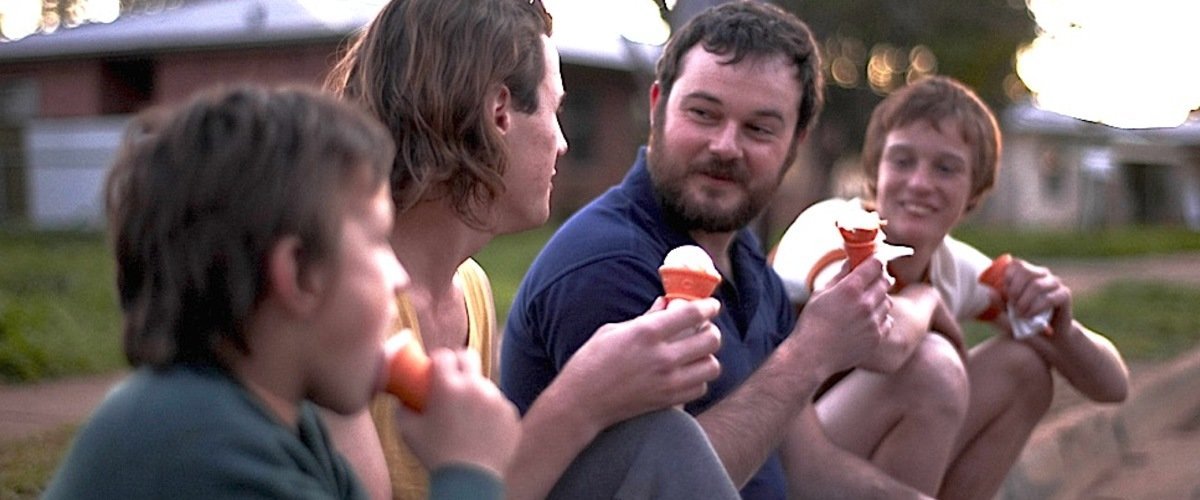
John Bunting tortured and killed eleven people during his spree in South Australia in the Nineties. We only watch it happen once on film, but that’s more than enough.
Director Justin Kurzel seems less interested in the lurid details of Bunting’s brutal violence than he is in the complicated and alarming nature of complicity. Ironically, this less-is-more approach may be why the movie leaves you so shaken.
An unflinching examination of a predator swimming among prey, Snowtown succeeds where many true crime films fail because of its understatement, its casual observational style, and its unsettling authenticity. More than anything, though, the film excels due to one astounding performance.
Daniel Henshall (also in Babadook) cuts an unimpressive figure on screen – a round faced, smiling schlub. But he brings Bunting an amiability and confrontational fearlessness that provides insight into what draws people to a sadistic madman.
https://www.youtube.com/watch?v=qcoCTA2IZ7c
2. Hounds of Love (2016)
Driven by a fiercely invested and touchingly deranged performance from Emma Booth, Hounds of Love makes a subtle shift from horrific torture tale to psychological character study. In 108 grueling minutes, writer/director Ben Young’s feature debut marks him as a filmmaker with confident vision and exciting potential.
It is the late 1980s in Perth, Australia, and at least one young girl has already gone missing when the grounded Vicki (Ashleigh Cummings) sneaks out her bedroom window to attend a party. This isn’t nearly as dumb a move as is accepting a ride from Evie White (Booth) and her husband John (Stephen Curry).
As the couple dance seductively and drink to celebrate, Young disturbingly conveys the weight of Vicki’s panicked realization that she is now their captive. It is just one in a series of moments where Young flexes impressive chops for visual storytelling, utilizing slo-motion, freeze frame, patient panning shots and carefully chosen soundtrack music to set the mood and advance the dreadful narrative without a spoken word.
And then, just when you might suspect his film to wallow in the grisly nature of the Whites’ plan for Vicki, Young turns to dialog sharp enough to upend your expectations, and three vivid characters are crafted in the suffocating dread of the White’s neighborhood home.
No doubt, events get brutal, but never without reminders that Young is a craftsman. Subtle additions, such as airplanes flying freely overhead to contrast with Vicki’s captivity, give Hounds of Love a steady dose of smarts, even as it’s shaking your core.
https://www.youtube.com/watch?v=UNEurXzvHqE
1. Texas Chainsaw Massacre (1974)
Not everyone considers The Texas Chainsaw Massacre a classic. Those people are wrong. Perhaps even stupid.
Tobe Hooper’s camera work, so home-movie like, worked with the “based on a true story” tag line like nothing before it, and the result seriously disturbed the folks of 1974. It has been ripped off and copied dozens of times since its release, but in the context of its time, it was so absolutely original it was terrifying.
Hooper sidestepped all the horror gimmicks audiences had grown accustomed to – a spooky score that let you know when to grow tense, shadowy interiors that predicted oncoming scares – and instead shot guerilla-style in broad daylight, outdoors, with no score at all. You just couldn’t predict what was coming.
He dashes your expectations, making you uncomfortable, as if you have no idea what you could be in for. As if, in watching this film, you yourself are in more danger than you’d predicted.
But not more danger than Franklin is in, because Franklin is not in for a good time.
So, poor, unlikeable Franklin Hardesty, his pretty sister Sally, and a few other friends head out to Grampa Hardesty’s final resting place after hearing the news of some Texas cemeteries being grave-robbed. They just want to make sure Grampy’s still resting in peace – an adventure which eventually leads to most of them making a second trip to a cemetery. Well, what’s left of them.
The premise is ridiculous. It’s also attention-grabbing, and mostly true.
A film could have worse starting blocks, and Tag makes sure they’re put to good use. TV vet Jeff Tomsic flashes sharp directing instincts in his feature film debut, blending a snappy pace with sharp characterizations, some effective physical comedy and just enough heart for a solidly funny good time.
Five years ago, a front page Wall Street Journal article hipped the world to a group of 10 friends who’d been playing the same game of tag for over twenty years. Adhering to their original rules, and then amendments to those rules, they’d stalk each other every February.
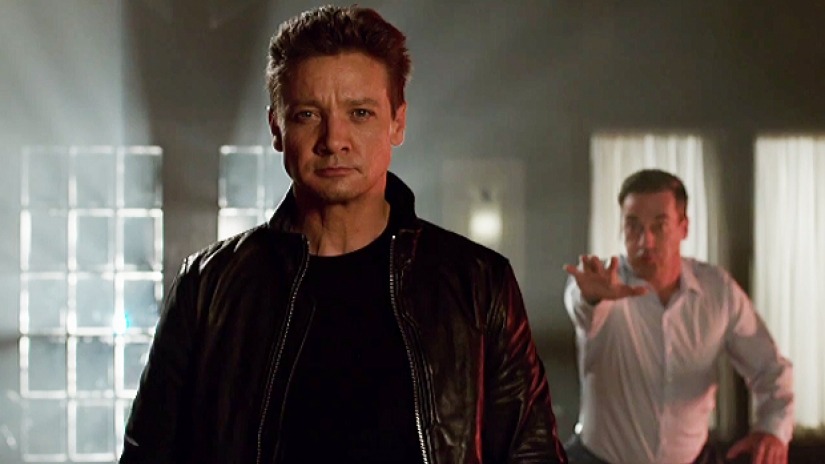
For the film version, the month has changed to May and the group scaled down to the four (Jon Hamm, Ed Helms, Hannibal Burris and Jake Johnston) that think they finally have a plan to tag the fifth (Jeremy Renner), who has never, ever been “it.”
The WSJ reporter who tags along (Annabelle Wallis) becomes an effective device to organically handle the questions we’re wondering about, and the entire ensemble quickly establishes a chemistry that feels true.
Hamm, Johnston and Renner carve out layered characters with ease, while Helms and Burris are basically leaning on their usual, but reliably funny, personas. Nice assists come from Isla Fisher as Helms’s highly competitive wife, and some assorted memorable weirdos (Steve Berg, Nora Dunn, Thomas MIddleditch).
The script, from Rob McKittrick and Mark Steilin, stays funny and hip throughout, pausing just long enough to reflect on friendship and adulthood without getting sappy. It’s more than enough fuel for this likable ensemble to play with and come out a winner.
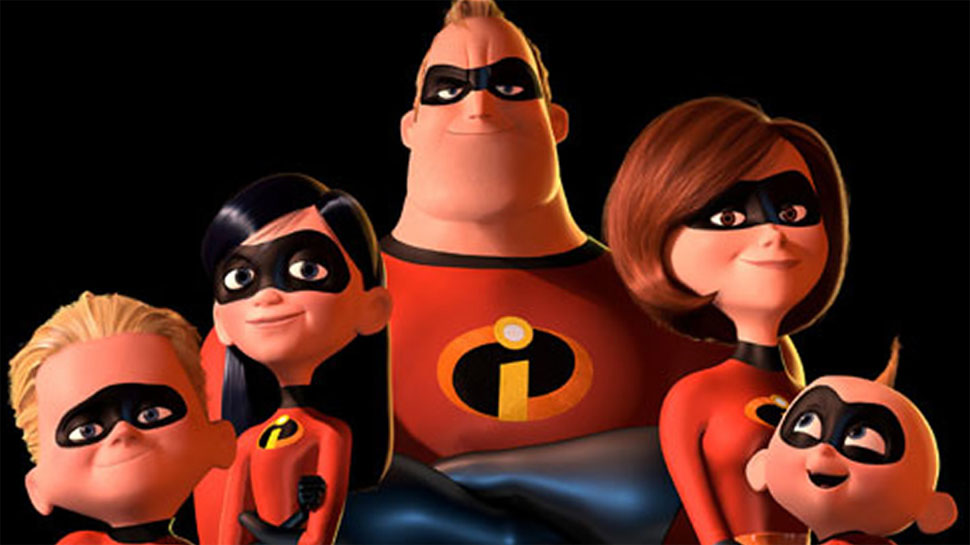
I’m no math whiz, but 2004 seems somewhere close to 14 years ago. You wouldn’t know it from Incredibles 2, where no time has passed. Kicking off right where the original left off, the long-awaited sequel delivers just enough of the same charm to stave off some stale odors.
The super-powered Parr family has been sidelined, along with all the others like them, thanks to the law against superheroes. But when the evil Screenslayer starts cyber-attacking the city, local tycoon Winston Deavor (voiced by Bob Odenkirk) and his tech-savvy sister Evelyn (Catherine Keener) hatch a plan to get the supers back on the job.
It starts with putting Helen Parr aka Elastigirl (Holly Hunter) on the trail of Screenslayer, leaving Bob/Mr. Incredible (Craig T. Nelson) alone to care for baby Jack-Jack, help Dash (Huck Milner) with his homework and Violet (Sarah Vowell) with her first heartbreak.
Brad Bird returns as writer/director, armed with a worthy game plan but not quite enough nerve to swing for the fences.
While the Deavor’s groom Elastigirl for a media makeover, Screenslayer’s plan is to use technology against its users, and to “destroy the people’s trust in it.” Call that incredibly timely, and fertile ground for some Zootopia-style animated bite.
Bird is more interested in exploring the warm family fuzzies. That’s fine, but the “can clueless Dad handle the house while Mom’s at work?” angle feels every bit 14 years old, even more so when you consider the edgy path Bird abandons to chase one so safe and comfortable.
But hey, it’s summer, why so serious?
Frozone (Samuel L. Jackson) is back in chill mode, the action sequences pop and the animation has the requisite pizazz. I2 is a part 2 that’s easy to enjoy.
Outside of the near-perfect Toy Story franchise, Pixar sequels (much like sequels in general) have often faltered. Incredibles 2 ranks as one of their best, even with all it leaves on the table.
You love her, but she loves him, and he loves somebody else…
J. Geils may have rocked it up, but Russian playwright Anton Chekov was singing that tune in 1895 with The Seagull. Darker shades pepper the comedic take on unrequited love, and director Michael Mayer is the latest to bring that balancing act to the big screen.
He’s blessed with a wonderful cast. Saoirse Ronan shines again as Nina, a starry-eyed young woman who longs for a life on the stage. Nina’s boyfriend Konstantin (Billy Howle) dreams of writing plays for her, but things get complicated when the couple meets up with family, friends and servants at a country estate in the early 20th century.
Annette Bening, Elisabeth Moss, Corey Stoll, Brain Dennehy and Mare Winngham are customarily wonderful. There’s no denying everyone here is committed, but Mayer and writer Stephen Karam (adapting Chekov) can’t find the balance between comedy and drama, or stage and screen.
The setting is perfectly lush, and the material has certainly lost little of its relevance over the many years, but all the worthy parts are never assembled into anything more than serviceable.
The comedic barbs early on seem too restrained, and the later tragedies too melodramatic. Some staging seems lifted straight from a stage production, while other set pieces breath with more freedom.
Give the relatively inexperienced writer/director team credit for taking on The Seagull. Getting the competing themes to work in unison is no easy feat, and this latest film version is a well-intentioned testament to that very challenge.