All posts by maddwolf

One Bad Book

The Babadook

by  Hope Madden

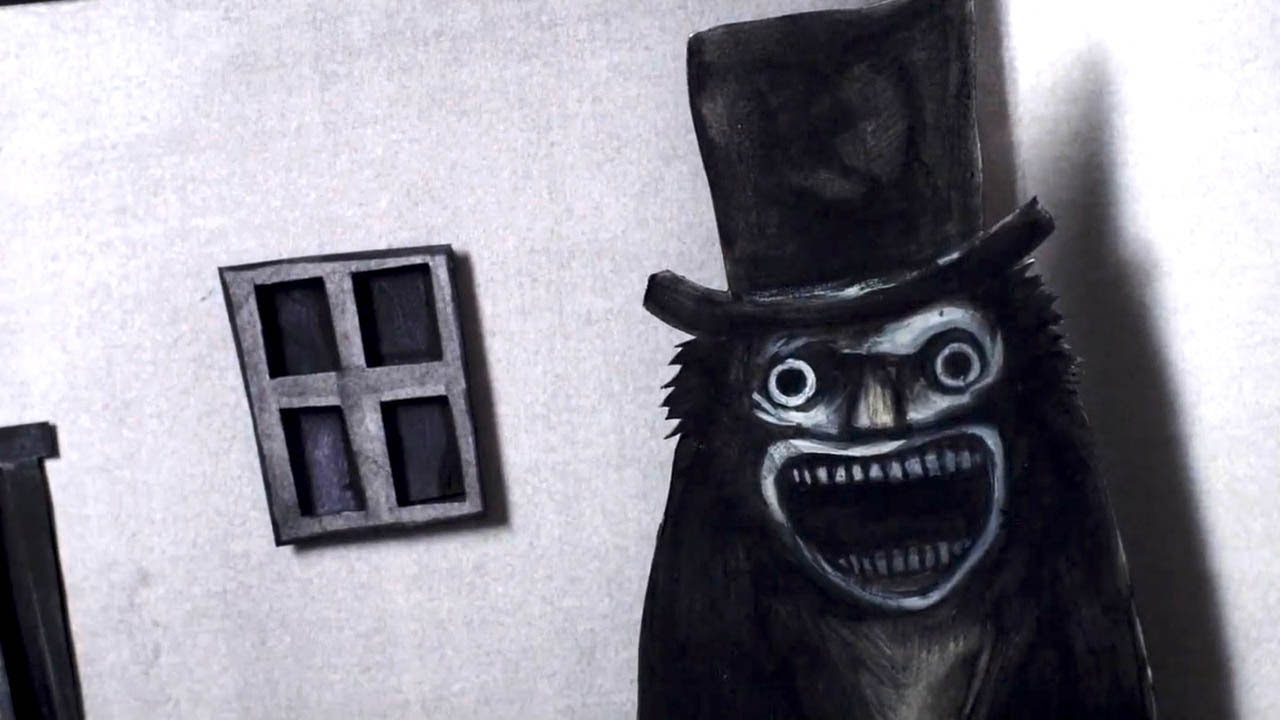
You’re exhausted – just bone-deep tired – and for the umpteenth night in a row your son refuses to sleep. He’s terrified, inconsolable. You check under the bed, you check in the closet, you read a book together – no luck. You let him choose the next book to read, and he hands you a pop-up you don’t recognize: The Babadook. Pretty soon, your son isn’t the only one afraid of what’s in the shadows.

It’s a simple premise, and writer/director Jennifer Kent spins her tale with straightforward efficiency. There is no need for cheap theatrics, camera tricks or convoluted backstories, because Kent is drilling down into something deeply, frighteningly human.

Like a fairy tale or nursery rhyme, simplicity and a child’s logic can be all you need for terror.

Kent’s film is expertly written and beautifully acted, boasting unnerving performances from not only a stellar lead in Essie Davis, but also the alarmingly spot-on young Noah Wiseman. Davis’s lovely, loving Amelia is so recognizably wearied by her only child’s erratic, sometimes violent behavior that you cannot help but pity her, and sometimes fear for her, and other times fear her.

Likewise, Wiseman delivers as a tender, confused, dear little boy you sometimes just want to throttle. Their naturalistic performances genuinely showcase the baggage that can exist between a parent and a child.

Radek Ladczuk’s vivid cinematography gives scenes a properly macabre sense, the exaggerated colors, sizes, angles and shadows evoking the living terror of a child’s imagination.

Much of what catapults The Babadook beyond similar “presence in my house” flicks is the allegorical nature of the story. There’s an almost subversive relevance to the familial tensions because of their naked honesty, and the fight with the shadowy monster as well as the film’s unusual resolution heighten tensions.

The film’s subtext sits so close to the surface that it threatens to burst through. Though that does at times weaken the fantasy, it gives the film a terrifying urgency. In the subtext there is a primal horror, a taboo rarely visited in film and certainly never examined with such sympathy. Indeed, the compassion in the film may be the element that makes it so very unsettling.

Eerily familiar yet peculiar and unique, The Babadook immediately ranks among the freshest and more memorable films the genre has to offer. It also marks a filmmaker to keep an eye on.

Verdict-4-0-Stars

Two of 2014’s Best For Your Queue

Let’s assume you saw Guardians of the Galaxy while it was in theaters. If you didn’t, you should probably not admit that out loud. So, seein’s as how you already saw the best, most fun intergalactic misadventure in years, you can look around for something you might have missed with this week’s Queue. We recommend two new releases: Frank and Calvary.

In Calvary, filmmaker John Michael McDonagh may have found his muse in the endlessly wonderful Brendan Gleeson. Gleeson plays Fr. Michael, a dry-witted but deeply decent priest who has a week to get his affairs in order while a parishoner plans to kill him. Sumptuously filmed and gorgeously written, boasting as much world-weary humor as genuine insight, it’s an amazing film and a performance that should not be missed.

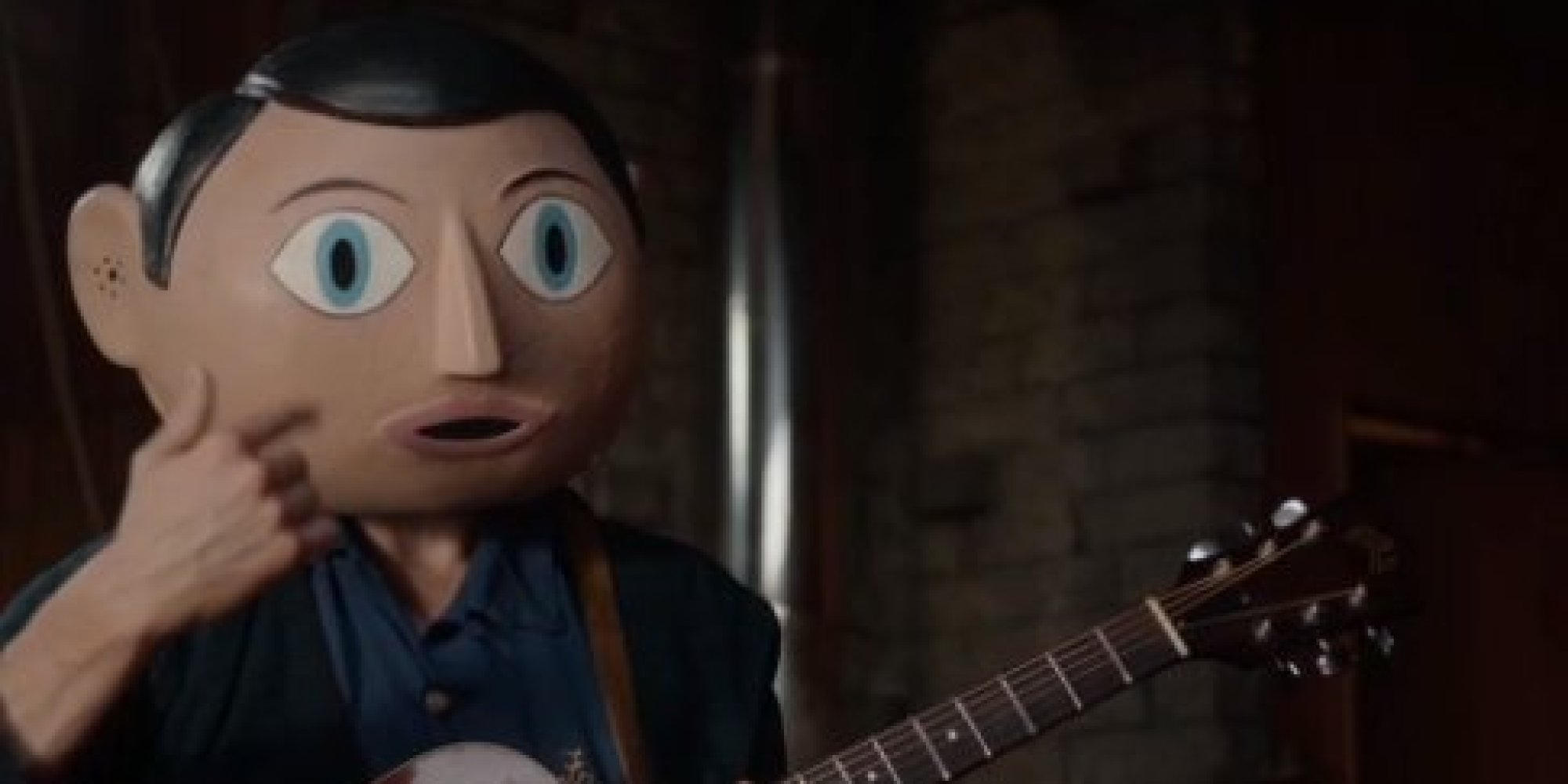
And speaking of magnificent performances, please see Michael Fassbender’s tender, funny, beautiful turn in Frank. Inspired by an enigmatic musician who performed and lived wearing a giant, fake head, Frank is a wry yet intimate film that offers a thoroughly entertaining, wholly odd journey into relationships, fame, mental illness, and the mad magic of music.

Best First Features of 2014 Countdown

One of the most interesting themes you find when searching back over the best films of 2014 is the brilliance of films with one word titles (Birdman, Nightcrawler, Whiplash, Boyhood, Rosewater – it’s a long list!). Another is the remarkable quality of feature directorial debuts. Many of the year’s most powerful, intriguing films came from first time filmmakers, though several of these are industry veterans. Here is a look at the most impressive feature directorial debuts of 2014.

Nightcrawler

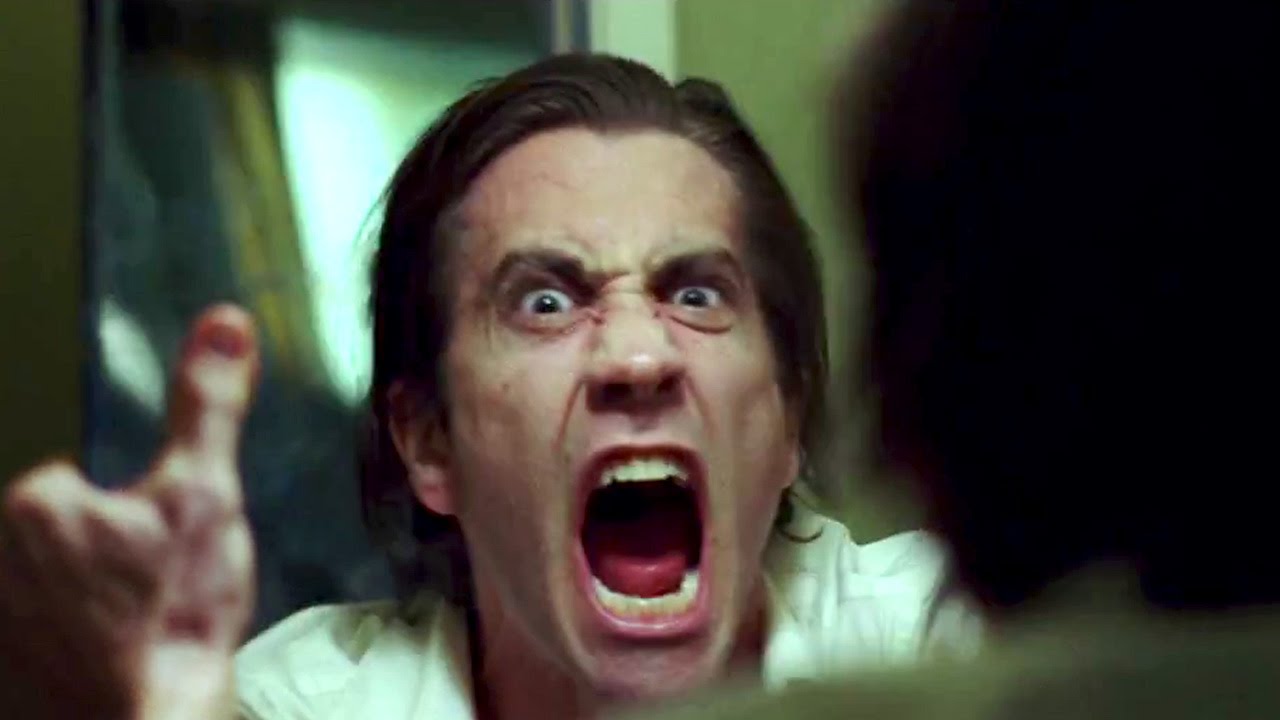
Dan Gilroy’s been writing films – many of them mediocre at best – since 1992’s Freejack. It appears he saved his best script for his debut as a director. Nightcrawler is aided immeasurably by the best performance of Jake Gyllenhaal’s career, but Gilroy’s dark, creepy approach to unseemly but enormously relevant material proves his mettle behind the camera.

Rosewater

An industry veteran with a connection to the source material, Jon Stewart made his directorial debut this year with the tale of a journalist jailed in Iran partly because of an interview he did with The Daily Show. The story behind Rosewater is fascinating, and Stewart’s direction proves thoughtful, insightful and inventive.

The Babadook

Aussie Jennifer Kent’s spooky tale opens this week, offering perhaps the creepiest effort of the year. A cautionary tale about parenting, the movie introduces a filmmaker who grounds fantasy in an unnerving level of naturalism, who can draw deeply human performances, and who knows what scares you.

Dear White People

Justin Simien makes the leap from shorts to features with one of the smartest films of the year. Dear White People tackles racial issues with confidence and a mix of sarcasm, outrage, hilarity and disgust. Simien never abandons comedy for preaching, but there is not an issue he isn’t willing to spotlight, however uncomfortable. It’s an insightful, biting comedy too few people saw this year.

A Girl Walks Home Alone at Night

Ana Lily Amirpour’s first feature is also the first Iranian vampire film, so extra points there. A Girl Walks Home Alone at Night is a gorgeous, peculiar reimagining of the familiar. Amirpour mixes imagery and themes from a wide range of filmmakers as she updates and twists the common vampire tropes with unique cultural flair. The result is a visually stunning, utterly mesmerizing whole.

Obvious Child

Gillian Robespierre crafts an uncommonly realistic, uncomfortable, taboo-shattering comedy with Obvious Child. A romantic comedy quite unlike any other, it succeeds in large part due to a miraculous lead turn from Jenny Slate. Robespierre’s refreshingly frank film rings with authenticity, and is as touching as it is raw.

Bad Words

We’re willing to give anything a shot if Jason Bateman is involved. Sure, it doesn’t always pay off, but his directorial debut Bad Words is as wry, dry and funny as you’d expect. No one has comic timing like Bateman, and it leads to a quickly paced, lean and hilariously mean effort.

Doc Week Reviews: “Happy Valley” & “Art and Craft”

by George Wolf


Happy Valley

A documentary filled with sordid details of Penn State University’s sexual abuse scandal is, thankfully, not something that Happy Valley is interested in becoming. Instead, writer/director Amir Bar-Lev (My Kid Could Paint That) wisely keeps his focus on the aftermath, and the shockwaves the trial set off in the community.

It is a striking portrait of a community dealing with the realization that they had a monster in their midst, and struggling to balance a devotion to Penn State football with the crimes that were committed within that very program.

Of course, by extension the film becomes a comment on the religion of football in all of America, and how, as one man puts it, “we all want to believe we live in a better world than we do, and it’s pretty easy when there’s a big, shiny, loud spectacle.”

Though Bar-Lev gives the Paterno family a bit too much airtime to hammer home their mantra “Joe did the right thing,” he delivers several even-handed and downright devastating sequences on the dark side of hero worship.


Verdict-3-5-Stars


Art and Craft

“He knew right where to hit us…our soft spot: art and money.”

Art and Craft is the fascinating documentary on Mark Landis, one of the most notorious art forgers in U.S. History. Over the course of three decades, Landis successfully duped countless museums, bowing to a strange compulsion he seems powerless to control.

The directing team of Sam Cullman, Jennifer Grausman and Mark Becker are able to balance a compelling character study with an art world mystery, crafting a film that does not require an Art History degree to enjoy.

Landis is a fragile soul, and the film treats him as such. Never judgmental, it seems to echo the sentiments of those in the art community who are shown tracking him down. They badly want Landis to stop his forgeries, but can’t bring themselves to treat him impolitely.

At times funny, shocking, and intensely curious, Art and Craft is also a heartbreaking look inside a lonely life, and the lengths to which one might go to find a sense of belonging.

It’s even better when viewed as a companion piece to Big Eyes, Tim Burton’s upcoming look at a very different kind of art forgery.


Verdict-4-0-Stars


https://www.youtube.com/watch?v=gb9A5qu_GNA

Sarcrapagus

The Pyramid

by Hope Madden

The Pyramid could not have better timing. Had the film been released just a few weeks later it would missed its opportunity to rank among the very worst films of 2014.

To be fair, a really good creature feature is incredibly difficult to make, so you can hardly blame first time director Gregory Levasseur for not even trying. Instead he’s crafted a The Descent knock off that can’t rise above the caliber of a late night, made for cable TV movie.

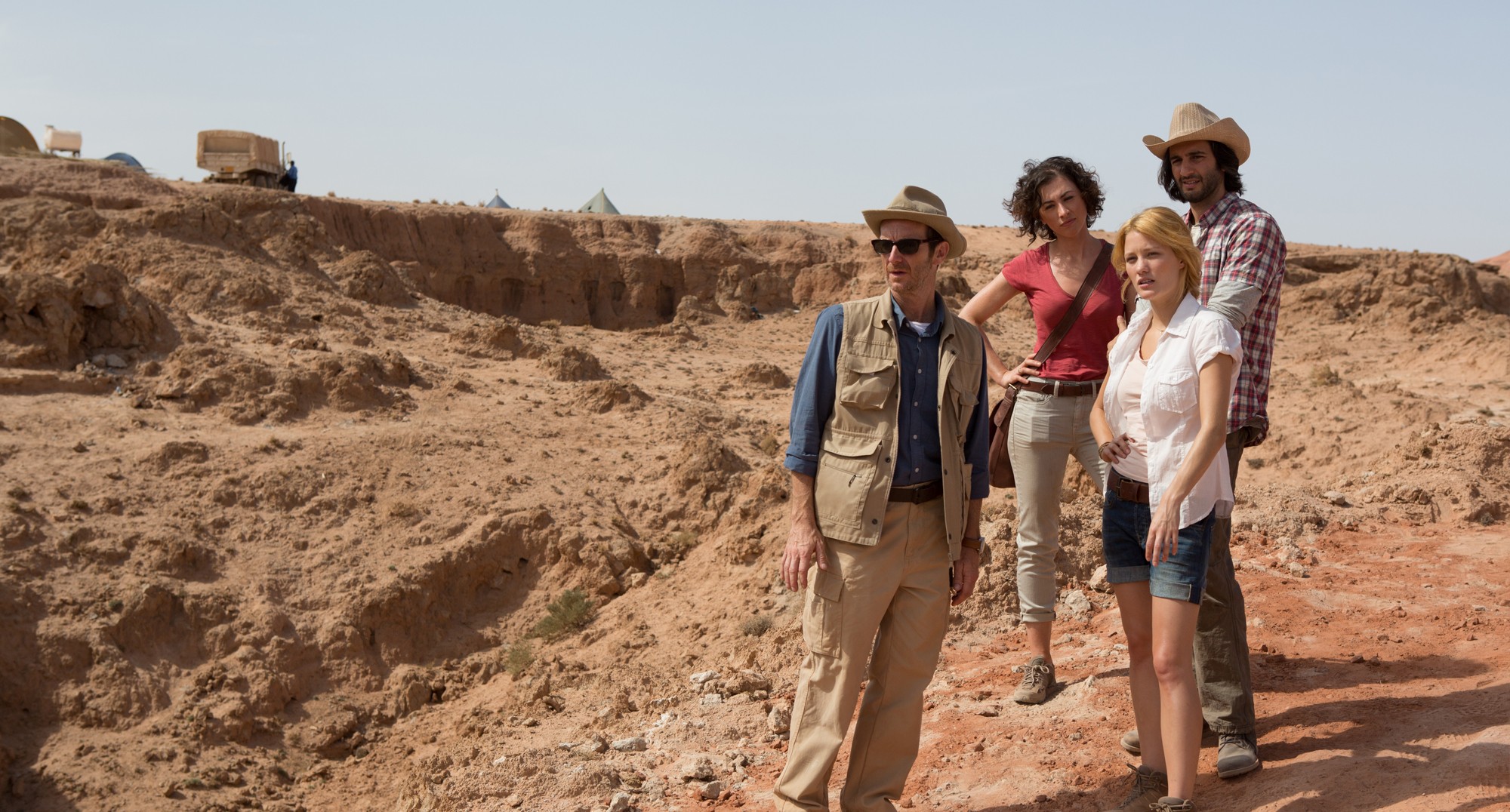
His Egyptian horror sees a father and daughter archeologist team and the documentarians who want to film their discovery – a mysterious pyramid sitting hundreds of feet below the desert sands.

The bickering parent and child are played by American Horror Story’s Denis O’Hare and bad actress Ashley Hinshaw, respectively (but not respectably). That Hinshaw plays an archeologist seems less ludicrous only if you remember that Denise Richards played nuclear physicist Dr. Christmas Jones in The World is Not Enough. But at least that was back when the Bond films embraced their campy awfulness. The Pyramid is just awful.

O’Hare serves an unseemly purpose in his American Horror Story roles, but he’s not a strong enough actor to elevate this dreck. Hinshaw’s worse, and Christa Nicola is community theater bad as the documentarian risking life and cameraman for that elusive Emmy.

The only castmate to acquit himself with any level of respectability is former Inbetweener James Buckley, who still struggles mightily with this script.

An aside: When you’re writing a screenplay and you’ve trapped all your characters with unnamed beasties in a labyrinthine catacomb hundreds of feet below the earth’s surface, you may want to limit your use of the lines “we have to get out of here” and “we need to find a way out of here” to fewer than 200 instances apiece. It sort of goes without saying.

Oh, yes, and the beasties – if you squint and pretend they are ill-conceived but earnest odes to Ray Harryhausen and not simply weak, uninspired, fake looking props … Basically, it’s just too much work to have to pretend they don’t suck. Like the movie itself. It’s best just to accept it.

Verdict-1-0-Star

Not So Happy Trails

The Homesman

by Hope Madden

In front of the camera, Tommy Lee Jones is a world-wearied, direct and laconic actor, but there’s a cowboy poetry about him. He’s no different behind the camera, as his second feature proves. The Homesman brims with the lonesome, brutal beauty of the frontier, but thanks to Jones’s capable storytelling, it offers more than that.

Jones plays George Briggs – if that is the real name of the claim jumping low life who finds himself at the end of a rope and the mercy of the upright Mary Bee Cuddy (Hilary Swank). A prosperous but “uncommonly single” lady on the frontier, Ms. Cuddy has volunteered her services for a particular journey and will oblige Mr. Briggs to accompany her or remain in his predicament.

What unfolds is a wagon wheel Western of sorts, replete with stunning images of the prairie, beautifully framed by the director. Swank – who can be counted upon to create a vivid if one-dimensional character – can’t help but bring to mind the Mattie Ross role from True Grit. It appears Jones (and Swank) are intentional with this, as Hailee Steinfeld (of the Coen remake) has a late supporting role.

It suggests that Jones is retelling our sentimental Western favorites with a lonelier, harsher but hauntingly beautiful tone.

The journey meets expectations and then subverts them, filling the screen with surprises – some fun, some bitter, all a bit melancholy. And yet there’s a black but entertaining humor in many scenes. The swings in tone, on the whole, are capably handled by a director who mined somewhat similar styles in his underseen 2005 first feature as director, The Three Burials of Melquiades Estrada.

Peppered with fascinating if jarringly brief cameos, Jones’s film keeps your attention as it journeys slowly East, making a statement about the hard realities of frontier life as well as the more universal ache to be loved.

The territories of the American West have filled our imaginations for more than two hundred years and it can be tough to find a new approach. Jones succeeds in using that same dusty path across the frontier we find so familiar, and even populating the trip with characters we almost remember, yet somehow he tells a truly new and memorable tale.

Verdict-4-0-Stars

Queueful of Damn Dirty Apes

Generally speaking, we like to take the weekly Queue feature to draw your attention to a worthy film that may have flown under your radar while it was in theaters. But one of our favorite blockbusters of the year comes out this week with little real competition for attention, so may we instead recommend Dawn of the Planet of the Apes?

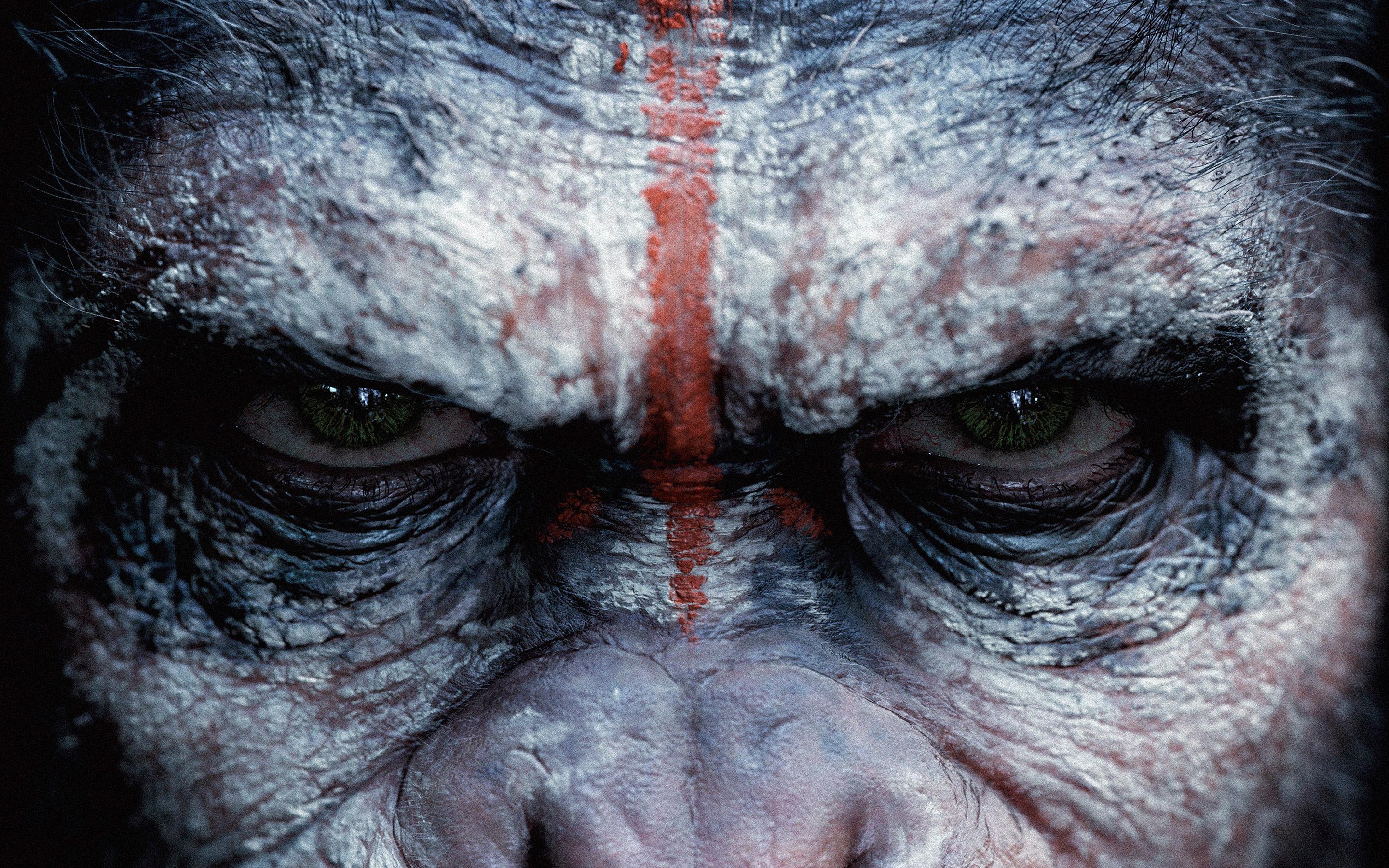
Equally successful as political allegory and popcorn muncher, the sequel takes the themes and emotional merit of its predecessor and turns them into something grander, more epic and even more amazing.

The obvious double bill is Rupert Wyatt’s 2011 Apes prequel Rise of the Planet of the Apes. Heartbreaking because of green screen magician Andy Serkis’s magnificent performance as Caesar, the clever kick that restarted a franchise is not as smooth or as epic as its sequel, but there is an aching humanity in it that resonates.

Stocking Stuffer Countdown

It is officially the season. For anyone looking to stuff stockings, we’ve hand-crafted our own wish list.

5. Studio Ghibli BluRay Combo Packs

Three lovely Hayao Miyazaki films – The Wind Rises, Kiki’s Delivery Service, and Princess Mononoke – are newly available on BluRay. The trio hit upon Miyazaki’s playful, serious and personal sides, and they look glorious in HD.

4. Earth, Wind & Fire: Holiday

Whether you pop an old school CD into a stocking or download the holiday happiness for your own festivities, this is an excellent way to funk up your yule.

3. Simpsons: Season 17

The return of Sideshow Bob, Patty and Selma kidnap MacGyver, Homer swaps Marge on a reality show, Lisa tries to “My Fair Lady” Groundskeeper Willie – do we really need to go on? Hours of lunacy, and for George, an excellent way to kill time during the Maddens’ post-turkey naps.

2. Stanley Kubrick: A Masterpiece Collection

Ten disks containing many of Kubrick’s greatest films from 1962 to 1999 –Dr. Strangelove, 2001, Full Metal Jacket, A Clockwork Orange, The Shining and others – as well as a few documentaries on the filmmaker, his influence on other directors, and the influence of his film A Clockwork Orange.

1. Pee-wee’s Playhouse: The Complete Series BluRays

Painstakingly remastered and insanely hilarious, this complete set of the best kids’ show of all time will absolutely make someone – maybe your entire holiday gathering – happy. Full of glee, even.

The Lady is a Vamp

A Girl Walks Home Alone at Night

by Hope Madden

Earlier this year Jim Jarmusch released his vampire film, Only Lovers Left Alive – a brilliant and woefully underseen flick. Had he not released that film, A Girl Walks Home Alone at Night would certainly be the most Jarmusch-y vampire movie ever made.

In fact, writer/director Ana Lily Amirpour has made the world’s first Iranian vampire movie, and though she borrows liberally and lovingly from a wide array of inspirations, the film she’s crafted is undeniably, peculiarly her own.

Amirpour is blessed with a cinematographer in Lyle Vincent capable of translating her theme of loneliness in a dead end town, as well as the cultural influences and Eighties pop references, into a seamless, hypnotic, mesmerizingly lovely vision. The film is simply, hauntingly gorgeous.

Set in Bad Town, a city depleted of life – tidy yet nearly vacant – Girl haunts the shadowy, lonesome fringes of civilization. The image is highly stylized, with a hip quirkiness and stationary camera framings that noticeably mine Jarmusch’s early work. Indeed, Amirpour seems an avid fan of American indies of the Eighties and Nineties, as well as the films of endlessly imitated French New Wave filmmakers and Sergio Leone – so that’s a mish mash. But Amirpour effortlessly balances the homages and inspirations, the cultural nuances alive in Girl giving every scene a uniqueness that makes the whole effort surprising.

Amirpour develops a deliberate pace that makes the film feel longer, slower than is probably necessary. The time is spent with singular individuals – a prostitute (a world-wearied and magnificent Mozhan Marno), a drug addicted father (Marshall Manesh), a street urchin (Milad Eghbali), a pimp (Dominic Rains), and a rich girl (Rome Shadanloo). Two people weave in among these players – the handsome Arash (Arash Marandi), and a lonesome vampire (Sheila Vand).

Though these are character types more than characters outright, Amirpour and her actors don’t abandon them. Each has breath and dimensionality, their fate a question that piques sympathy.

Vand’s Girl is the constant question mark, and that – along with the eerie, sometimes playful beauty of Vincent’s camerawork – is what makes the film unshakably memorable. I promise the image of a vampire on a skateboard will stay with you.

Verdict-4-0-Stars

He Blinded Her with Science

The Theory of Everything

by Hope Madden

If there is one thing that The Theory of Everything should convince you to do, it is this: Get to know Eddie Redmayne.

He is a magnificent, chameleonic actor who has found a way to bring humanity to roles as varied as that of a matricidal son, a suicidal homosexual teen, a socially awkward hick, a deeply conflicted witch hunter, and a love-struck baritone in post-revolution France. And now he will finally be known – and likely Oscar nominated – for his subtle, authentic and moving portrait of Stephen Hawking.

Redmayne is the reason to see this film. It’s a remarkable performance at the heart of a decent but not exceptional film.

Based on Jane Hawking’s second memoir, the film begins as a young doctoral student falls for a medeival poetry major and, despite the death sentence of a medical diagnosis, marries. While Anthony McCarten’s adaptation retains the struggles and failings in the marriage, director James Marsh can’t find the passion or urgency the story needs.

The problem is certainly not his cast. Alongside Redmayne, Felicity Jones offers a tender, thoughtful performance, and the supporting players turn in solid work as well. But their relationships, passions and drama are all kept too tidy and too subdued.

Marsh, whose previous films – documentaries, in particular – have proven to be honest, impish and fascinating – can’t seem to find his footing. Where his approach in previous work has always felt fresh, here he makes safe choices at every turn. Aside from an odd, fish-eye close up here and there, nothing about his telling of this extraordinary life ever feels daring.

The science itself is minimized to the point of near nonexistence, making the only examined aspects of the Hawkings’ story that of her love and his physical disability. And even that feels slight.

It’s a gorgeous film to watch, with lush but muted colors, manicured lawns and relentlessly clean sidewalks, hallways and college students. Marsh’s framing is always truly lovely. And Jones and Redmayne exhibit a deep connection that allows their characters’ struggles to feel poignantly real.

There is much to applaud in The Theory of Everything, but there should have been more.

Verdict-3-5-Stars