Two big heroes of ours – QT and Leonard Cohen – on screen this week. We’ll also talk through what’s new in home entertainment.
listen to the full podcast HERE.
Two big heroes of ours – QT and Leonard Cohen – on screen this week. We’ll also talk through what’s new in home entertainment.
listen to the full podcast HERE.
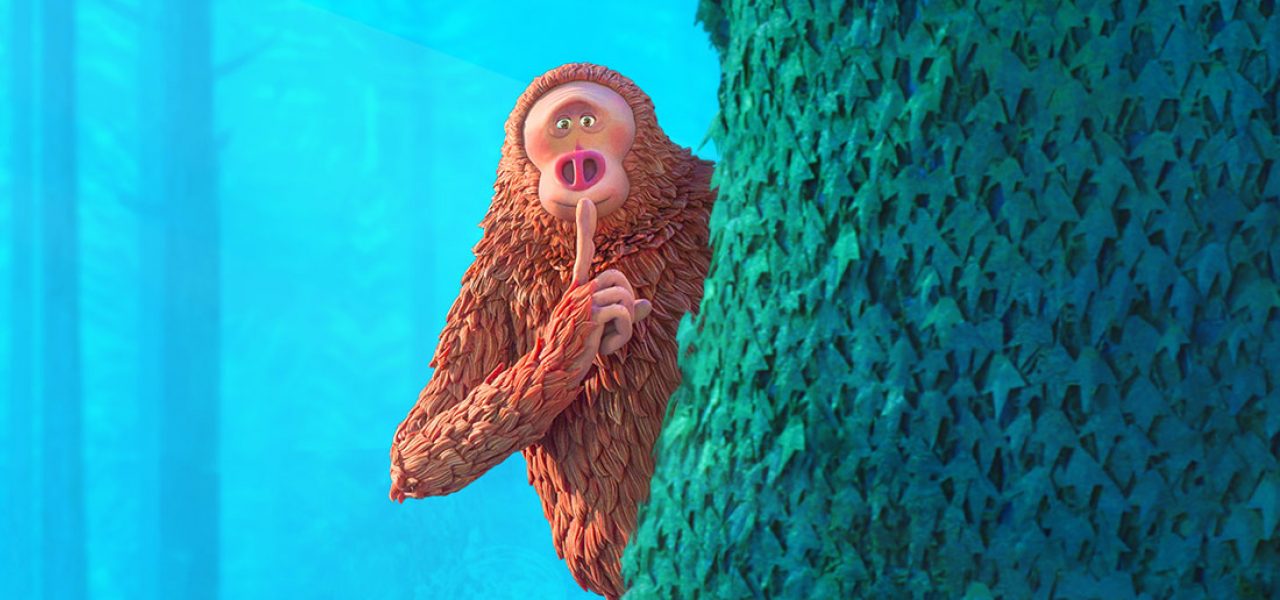
So, there’s this great animated movie that no one saw. It probably isn’t entertaining enough for the littlest kids, but everyone else should see it. There’s also a middling action flick and a sad, sad reboot.
Click the film title for the full review.



by Christie Robb
Entrancing, Kirill Serebrennikov’s Leto layers a variety of stylistic flourishes over the relatively simple plot—a love triangle between a rising rock star, his mentor, and the mentor’s wife. Set in 1980s Leningrad, I was thrown off-balance from the first.
When it comes down to it, I don’t know all that much about rock and roll. I know even less about the Soviet Union.
So, it was a bit of a surprise to see OG hipsters playing a show to a crowd of fans. But then I noticed that the fans were sitting politely in their seats and that men in suits patrolled the performance hall ready to put down any display of unruly behavior—piling on a sweet-faced girl who sedately held up a small poster with a hand-drawn heart on it.
This is a country where, if you are going to play, you first have to have your lyrics analyzed for ideological appropriateness.
The rising star Viktor Tsoi (Teo Yoo) and his mentor Mike Naumenko (Roma Zver) were both real people fronting the influential bands Kino and Zoopark, respectively. A statement contained within the credits informs that the plot was based on Naumenko’s wife Natalia’s (Irina Starshenbaum) memories. However, there is also a character credited as “sceptic” who often breaks the fourth wall to explain to the viewer that “Sadly, this did not happen.”
Shot in moody black and white, with emotional pops of color, periodically animation creeps in to punctuate the more fraught moments. There’s also the occasional song and dance number in what is roughly a biopic—featuring covers of Talking Heads’ “Psycho Killer,” Iggy Pop’s “The Passenger”, and Lou Reed’s “Perfect Day.”
Weird, occasionally wandering, Leto, provided a glimpse into the experience of artists living in a gritty, austere world that I’ve not thought much about before, but probably will now.
Lots going on this week in theaters. We talk through Crawl, Stuber, Darlin’, Wild Rose, and Toni Morrison: The Pieces I Am. We also cover what’s new in home entertainment.
Listen to the full podcast HERE.
by Brandon Thomas
“Name?”
“Casey Davies.”
“That’s a very feminine sounding name.”
This humiliating exchange happens between Casey (Jesse Eisenberg) and Sensei (Alessandro Nivola) as Casey excitedly signs up for karate lessons. Casey suffers from a severe lack of confidence. He leads a drab, boring life. His house? Boring. His job? Boring. Even his dog is boring. No one respects Casey. His coworkers barely register his existence. The final demeaning moment is the night he’s viciously attacked while walking home from the store. Karate seems like the perfect antidote for this life of mediocrity.
Eh – not really.
Watching The Art of Self-Defense made me think of Fight Club. A lot. Fight Club overflows with masculinity. Brawny men beating each other to a pulp while waxing philosophical is the film’s bread and butter. Fincher’s movie definitely comments on the toxicity of masculinity, but it also spends a heck of a lot of time glorifying it, too.
The Art of Self Defense is interested in what it means to be a “real man.” Outside of Casey, the men in this dojo operate through sheer brute force. Violence, intimidation and blackmail are how they make their world work. Casey’s gravitational pull to these figures is a tale as old as time. Writer/director Riley Stearns isn’t interested in reveling in this world Sensei has created, he’s more interested in pushing the audience to share in Casey’s horror as he experiences it.
It’s easy to look at many of Eisenberg’s roles and lump them into the same narrow category. Yes, he plays a lot of isolated losers that stammar and shuffle around, but he also plays those roles with varying degrees of nuance. There’s a level of fear and anxiety he brings to Casey that feels different from his other loveable nerds. Casey is a rubber band about to snap at any moment, and Eisenberg does a fantastic job of keeping the audience guessing as to when that will happen.
Nivola’s Sensei has an air of false machismo to him at all times. He speaks in a low, gruff voice, and his words feel precisely selected, but fake. Nivola gets that this movie is a stark black comedy, and he completely goes for broke. He is able to walk this fine line of playing a scene straight, yet has it come off as a comedic masterstroke.
Armed with biting satire, excellent performances, and more on its mind than cheap laughs, The Art of Self Defense delivers a bold, original dark comedy. Minimal flexing involved.

by Hope Madden
Do you know Alice Guy-Blaché? Documentarian Pamela B. Green thinks you should.
She is clearly right.
Guy-Blaché’s groundbreaking career has not been celebrated in the same way as her historical counterparts. She was not only the first female filmmaker, she was among the first four filmmakers, period. She boasts an output of around 1000 films, among them the first narrative film, the first color tinted, and one of the first two films with synchronized sound.
And yet, of the dozen or so filmmakers and actors Green interviews in the opening montage, including Geena Davis, Peter Farrelly, Catherine Hardwicke, Peter Bogdanovich and Ava DuVernay, only DuVernay recognizes the name.
Says Bogdanovich, “I’ve spent my life making films and have written for years about film and I’ve never even heard of her.”
Well, clearly Peter Bogdanovich never took a Women in Film class at Ohio State.
Whether you have or have not heard of Alice Guy-Blaché, Green’s film is bound to be informative, showcasing a figure with remarkable aptitude not only in business (she ran her own studio and produced her own films) but amazing artistic vision, pioneering much of the comedic and dramatic form we now take for granted.
Jodi Foster lends respectful narration (and spot-on French pronunciation!) to an earnest and loving—if sometimes tedious—exploration.
Green’s film is at its best during rare interview footage of the filmmaker, at the time nearing the end of her life and taking a wistful, reflective posture. Between that, footage from Guy-Blaché’s canon, and responses from modern filmmakers on that footage, Green pieces together some engaging and illustrative moments.
Her film gets sidetracked too easily, though, answering questions from those very filmmakers who did not recognize Guy-Blaché’s name, “I would like to see inside her studio,” “I’d love to hear how she managed to be a filmmaker and a mother during that time period…”
These offshoot moments feel disjointed, lessening the intimacy with the subject the more successful moments nearly reach.
Green’s biggest misstep as a filmmaker is her preoccupation with her own sleuthing, some of which feels endearing in its enthusiastic amateurishness, but too often comes off as needlessly self-congratulatory.
Though Green herself struggles to create a film artistically worthy of the pioneering filmmaker, her heart is in the right place and her quest to help Guy-Blaché reclaim her own place in cinematic history is laudable.
by Hope Madden
In 2011, filmmaker Lucky McKee unleashed the subversive, feminist horror jewel The Woman to a lot of boos at Sundance. It’s tough viewing, no doubt—the screener we were sent to review prior to its release arrived wrapped in a vomit bag—but it amounted to an envelope-pushing miracle of modern horror.
The film itself was a sequel to the underwhelming 2009 cannibal horror penned by Jack Ketchum, Offspring. The point of both films was that only a doomed moron underestimates Pollyanna McIntosh.
McIntosh (The Walking Dead) returns to the feral, nameless role that’s caused such a ruckus over the years, this time taking charge of the woman’s trajectory by writing and directing the latest installment, Darlin’.
Darlin’ picks up some years after the end of The Woman. McIntosh’s alpha and Darlin’ (Lauryn Canny), the adolescent whose grown in her care since the events of McKee’s flick, approach a hospital. Filthy, communicating with grunts and probably smelling pretty foul, the two split up as the girl enters the hospital.
To the dismay of the unrealizing Woman, the system’s not about to let her back out.
What follows is a sloppy, superficial finger-wagging at Catholicism, which is unfortunate. Not because the church deserves more respect than that—it doesn’t, really—but because there may be no lazier strawman in horror right now than the Roman Catholic Church, and McIntosh doesn’t even bother to get a single dogmatic or ritualistic point accurate.
Let me pause. Pollyanna McIntosh is a sort of hero of mine and The Woman is an all-time favorite. You have no idea how much I wanted to like this film or how much slack I was likely to give. The raw truth is that very little about the film merits praise.
McIntosh still cuts a mighty impressive figure as the nameless beast running the show. Canny, however, struggles with her Tarzan-style dialog.
The always capable Nora-Jane Noone, playing the church’s one good nun, serves mainly as a painful reminder. Those of us who saw her breakout film The Magdalene Sisters remember how cinematically powerful the horrors of Catholicism really can be.
There’s an underfed side plot about a loving nurse and an ill-fitting storyline about a group of homeless women, all of which coalesce with the evil priest core story in a bat-shit climax that almost makes the ride worthwhile.
It’s unfortunate, because there are three or four moments in this film of unique, subversive horror. They flash across the screen and then are gone, drown out by lazily written, listlessly directed cliché.
Not a terrible week in home entertainment, actually. And also not a bad week to avoid the oppressive weather, sit on the couch with a chilly beverage and enjoy.
Click the film title for the full review.

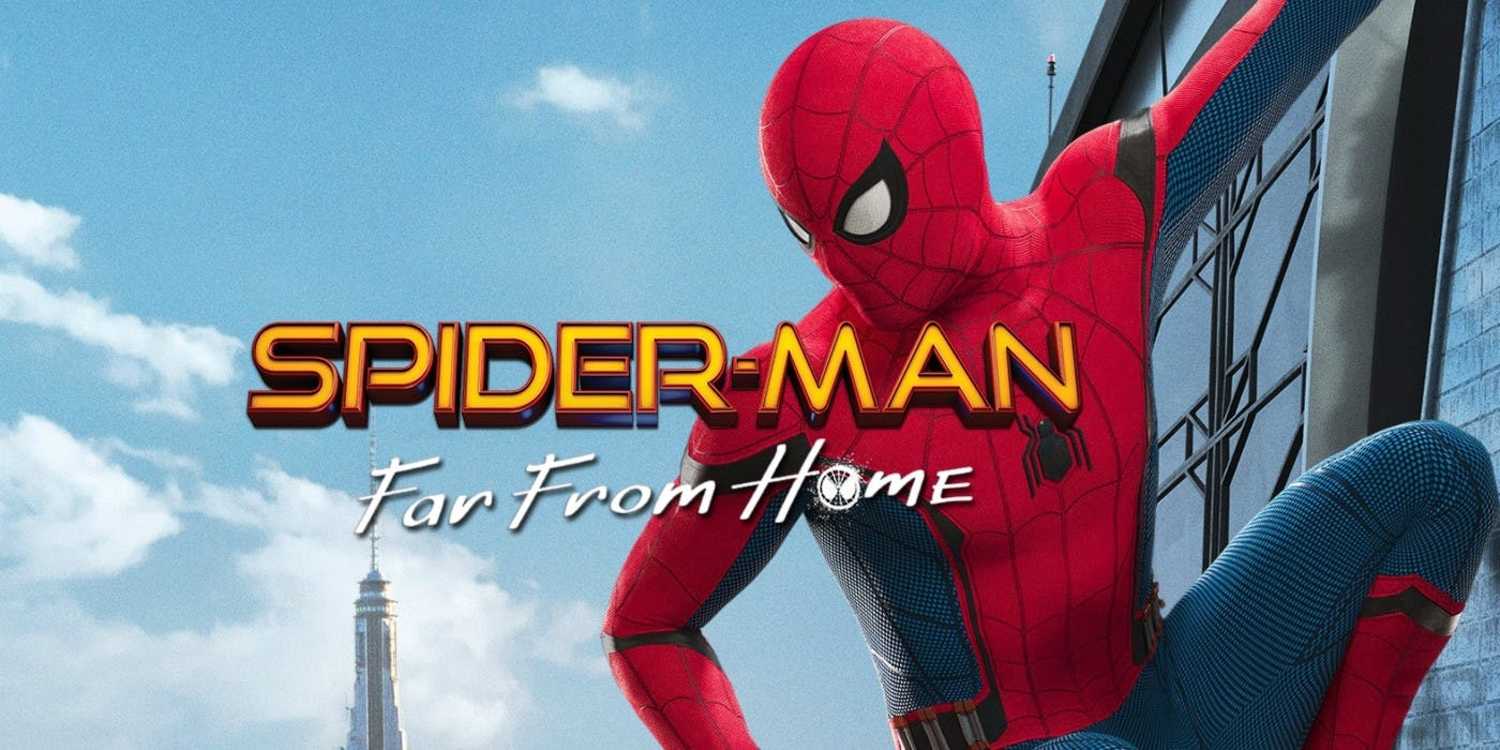
Today we talk through movies that do not make European trips seem wise. We also talk through the ten best films of the first half of 2019 and what’s new in home entertainment.
Listen to the full podcast HERE.
Another week of less than perfect options, although a couple of these are worth a look.
Click the film title for the full review.