Tag Archives: MaddWolf

Lost and Found

Unbroken

by Hope Madden

With Unbroken, Angelina Jolie’s second effort behind the camera, she proves she knows how to put together a team. Beginning with screenwriters Joel and Ethan Cohen (each with 4 Oscars, two apiece for writing) and extending to cinematographer Roger Deakins (11-time Oscar nominee) and the man behind the music, Alexandre Desplat (with his mere 6 Oscar noms), she’s given Louis Zamperini’s story the storytellers it deserves.

Their film shares the honestly amazing tale of an Olympic runner who finds himself adrift at sea and then held in a Japanese POW camp during WWII. If the film suffers from anything, it’s an overabundance of respect for the source material.

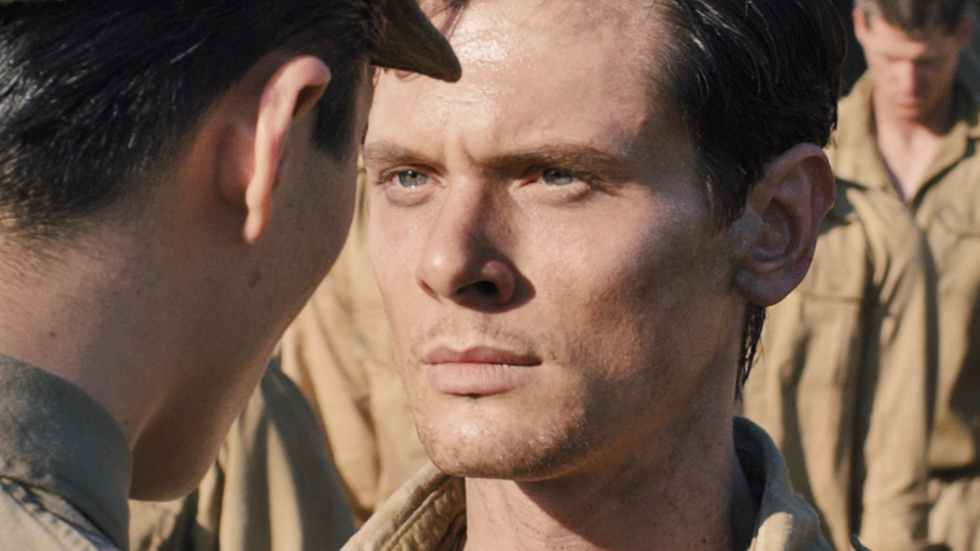
So much of Zamperini’s life just defies belief – if ever there was a true story destined for the big screen, it was his, and Jack O’Connell delivers the grit and spirit needed to pull off the tale. O’Connell may be new to many viewers, but this Brit has been quietly developing an impressive arsenal of work (Eden Lake, Starred Up, ’71). If this performance and film leave questions about Zamperini as a person, O’Connell certainly convinces when it comes to the man’s seemingly bottomless reserve of strength.

While you absolutely get the feeling that this is the guy you’d want with you if you were ever lost at sea, the film refuses to expound on what drives that buoyancy. Nor does it offer a glimpse at the conflicting emotional turmoil he would carry with him after the war.

The cast is large and O’Connell has the kind of easy charisma that makes most scenes feel intimate. The ensemble offers some memorable turns – from Domhnall Gleeson and Takamasa Ishihara, in particular – but too many actors fall back on broad stroke flying ace clichés and too few hold your interest.

Still, there’s no escaping the jaw-dropping facts of this adventure – facts which alone compel rapt attention for the duration of the film. Deakins’s images are on a scale befitting the epic, and Jolie has a knack for taking advantage of every inch of a screen.

Whatever Unbroken’s faults, the adventure will overwhelm you, as it should, and the facts and triumphs will stay with you long after the credits roll.

 

Verdict-3-5-Stars


Trilogy Finale … No, the Other One

Some trilogies come to a close with dragons, gold, tiny heroes, legendary foes and Ben Stiller. Wait, what?

Yes, though it may have flown under your radar, Stiller’s Night at the Museum series comes to a close with its third installment. Night at the Museum: Secret of the Tomb completes the arc begun in 2006 when Stiller’s night watchman Larry Daly learned that, after sundown, the exhibits at New York’s Museum of Natural History come to life. (So basically, Toy Story in a museum setting.)

In 2009, Larry and his crew broke into the Smithsonian. This time around, when the golden tablet that reanimates the exhibits night after night begins to mysteriously corrode, the team heads to a London museum to repair the device and save everyone.

Truth be told, this is a series that has been sweet, imaginative but disposable from its inception.

Much fault lies with the series’ director Shawn Levy (Real Steel, Big Fat Liar), an unrepentant purveyor of anemic family fun. The Museum trilogy represents the best of his body of work. Still, he substitutes a busy screen and abundance of characters for actual pacing and energy.

The talent – Stiller, Robin Williams, Owen Wilson, Steve Coogan and others – creates likeable, rascally characters, and most draw at least a chuckle or two during the adventure.

We’re to learn that life is about letting go as Larry recognizes his son’s impending manhood, though nothing feels genuine or heartfelt. But why start now? When Levy expanded Milan Trenc’s educational children’s book to a feature film, he borrowed a concept and lengthened it with some inside jokes, some cheap theatrics, and lots of dated gags, but little in the way of heart. Its subsequent sequels rehash the same basic concepts in new museums, and because of an underlying lack of creativity and abundance of coasting on the comic timing of the cast, the sequels have all been about as entertaining as the original.

The concluding chapter offers some coincidental tear jerking as Robin Williams delivers lines more moving because of their real-life context than their importance to the film. There are some other mildly amusing, well placed gags and gimmicks, and an awful lot of rehashing. If you and yours enjoyed the first two installments, the third promises more of exactly the same. The rest of us can overlook the third episode, exactly as we did the first two.

Verdict-2-5-Stars

Trading Olympic for Oscar Gold

Foxcatcher

by Hope Madden

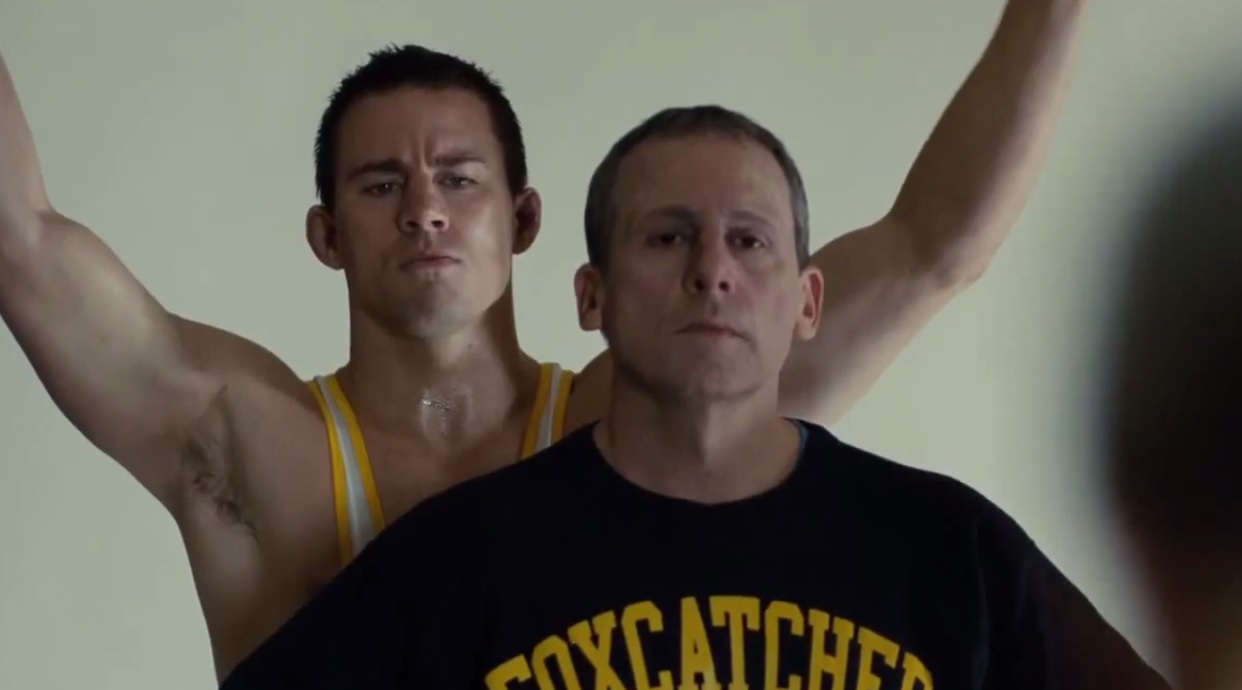
Sibling rivalry, loneliness, competition and madness fuel director Bennett Miller’s award-worthy true crime tale Foxcatcher.

The film follows the events that unfolded as Olympic gold medal winning wrestler Mark Schultz, and later his older brother, gold medal winner Dave (Mark Ruffalo), get involved with sinister millionaire John du Pont, who’s looking to bankroll 1988 US Olympic competitors.

Tatum performs as we have simply never seen him before, a fact that may be outshone by the other two quite amazing performances. Tatum has proven himself a facile comic talent, but his dramatic skills to this point have been lackluster at best.Yet here he brings a brooding, insecure competitor to life in every facet of his performance.

The always excellent Ruffalo is likewise stellar as the more congenial, more talented of the brothers, and the two together create a realistic sibling bond, one as desperate for the other’s approval and help as he is to finally best him; the other a tender, protective mentor.

Joining them, Steve Carell is revelatory as John du Pont. Never transparent, offering no easy answers, equal parts monstrous and pathetic, Carell creates an enigmatic and unseemly presence that haunts the screen. His graceless chemistry with all cast mates creates an uneasy tension in every frame, though his scene with a marvelous Vanessa Redgrave is particularly intriguing.

One thing you can expect from a Bennett Miller film is his meticulous attention to the setting. Miller creates such rich yet understated contexts that the drama unfolding within that environment cannot help but feel authentic. Whether it’s small town 1959 Kansas rocked by murders in Capote or Billy Bean’s world of low rent MLB wheeling and dealing in Moneyball, Bennett shows such respect for the settings of these true tales that the stories immediately take root.

Foxcatcher benefits from his measured touch – from the spare score and the film’s unusual pacing to the embedded, inescapable symbolism he mines of the relationships and the sport of wrestling. It all contributes to a building sense of unease that befits the tale.

Miller may go unnoticed as the maestro behind the weird onscreen magic, but his faith in unproven talent alone is reason to hail him one remarkable director.

Verdict-4-0-Stars

Reese Gone Wild

Wild

by Hope Madden

There may be no more personal, more individual an emotion or experience than grief. It is, by definition, a selfish act: just you and your loss. No one can determine for you the length, depth, duration or symptoms of your own pain. Cheryl Strayed is a case in point.

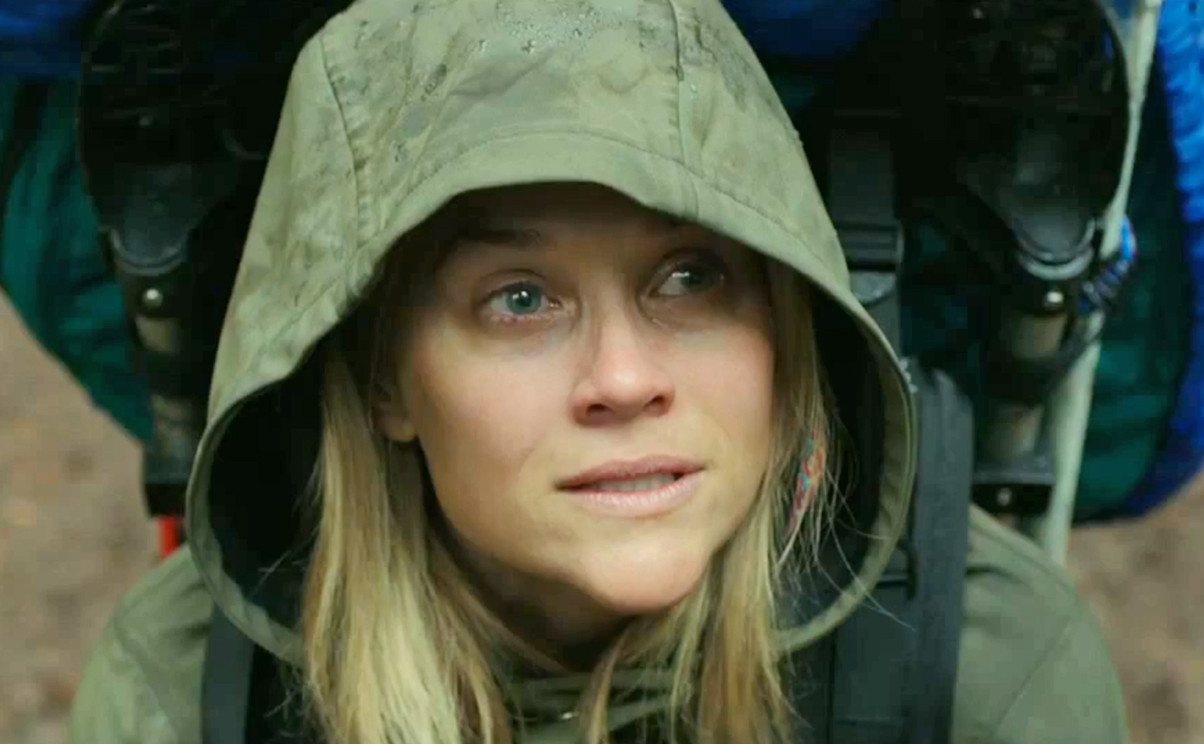
Wild tells the story of how Cheryl overcame the guilt, regret, shame and profound sense of loss that overcame her after her mother’s death. Cheryl’s is a unique tale, as she is a fascinatingly individual character, but the film mines for the universality in her pain and redemption.

Wild moves back and forth between Cheryl’s 1100 mile trek across the Pacific Crest Trail and the memories that haunt her, past and present braiding together to form a clear picture of the woman emerging from her pain and the pretty jaw-droppingly dangerous behavior that pain wrought.

Though director Jean-Marc Vallee’s (Dallas Buyers Club) film gets off to a slow start, Reese Witherspoon’s performance – aided by the sometimes terrifying, sometimes tragic, sometimes funny events of Strayed’s journey – compel rapt attention.

Witherspoon leaves her comfort zone, allowing Cheryl more vulnerability and ugliness than you might expect. Strayed is comfortable enough in her skin to examine and, eventually, accept all of her own failings, so presenting the character fully is a requirement for the film to work. Witherspoon understands this and gives easily the grittiest, most naturalistic performance of her career.

Witherspoon spends an awful lot of screen time alone, Strayed’s relationship with herself the larger conflict than her relationships with the inhospitable terrain, weather, circumstances and occasional creepy guy. Her pain and self loathing are impeccably drawn, never maudlin or false, and in Witherspoon’s scenes with the equally impressive Laura Dern she sews the seeds that bloom in her time alone onscreen.

The truth is that Strayed’s grief is not typical, and her behavior is certainly extreme, yet Vallee is content to create a somewhat safe structure for the adventure: the lengthy journey punctuated by nightmares and memories that give us a glimpse into the life Strayed was trying to shake off with her hike.

Still, the understated approach allows scenes to breathe, and Strayed’s true alone-ness seeps into certain frames in a way that is deeply unsettling and yet triumphant. And there are no two words better suited to Strayed’s experiences than unsettling and triumphant, so Vallee, Witherspoon and crew were certainly doing something right.

Verdict-3-5-Stars

Bilbo’s Misty Mountain Hop

The Hobbit: The Battle of the Five Armies

by Hope Madden

This Christmas, Peter Jackson gives us the gift of his final trip to Middle Earth with The Hobbit: The Battle of the Five Armies (or Enough Already).

I went reluctantly to LOTR: Fellowship of the Ring back in 2001. I am not a big fan of fantasy and was never able to make it through one of Tolkien’s epics as a kid, so a cinematic adaptation held no interest. But I did go, and immediately celebrated that decision.

Peter Jackson (previously know to me solely for splatter-gore comedies) had such a facility for the landscape and heart of these Middle Earth sagas that I was immediately beguiled. And while by hour 4 of the third installment I had wearied of this first trilogy a bit, still I marveled at the accomplishment. Jackson and his versatile cast had carved out genuine characters, which made the peril and adventure all the more absorbing. The fact that Jackson’s native New Zealand lent an authentic backdrop to the derring do completed the fantasy.

The Hobbit has become a tougher slog. Though Martin Freeman continues to be a joy as Master Burglar Bilbo Baggins, the balance of the cast struggles to find dimension for their characters, and Jackson falls back far too often on swelling strings, dramatic lighting and lengthy, ponderous shots to emphasize drama.

What drama? Well, the dragon Smaug (voiced by Benedict Cumberbatch) flies toward innocent Laketown to unleash his fiery fury; meanwhile Thorin Oakenshield (of the Glorious Mane Oakenshields) (Richard Armitage) begins his descent into madness, victim of the Dragon Sickness. Unbeknownst to him and his band of wee warriors, Azog the Defiler (now that is an awesome name) leads Orc armies to claim the mountain Smaug just vacated. Plus some fairies have grievances.

Unfortunately, the most interesting character is done away with before the opening credits, and though the film boasts almost constant action, it fails to hold attention.

Jackson’s first trilogy worked as well as it did because he managed to ground the high fantasy in something authentic. His second go at Tolkien abandons authenticity, creating stagey sets and falling back on theatrical performance and uncharacteristically so-so CGI. The late-film nods to the LOTR films only serve as reminders of that trilogy’s superiority. It’s time to ramble on.


Verdict-2-5-Stars

Freaky Twin Stuff for Your Queue

It can be said that we have a weak spot for twins. Nonetheless, a really excellent comedy/drama that happens to be about twins comes out today – The Skeleton Twins – and we recommend you take a look.

Estranged siblings Maggie and Milo (a great Kristin Wiig and a letter-perfect Bill Hader) reunite over tough circumstances and muddle sloppily through life as they’ve come to know it. Never tidy, often funny, surprisingly intimate and moving, the film looks a lot like life.

Pair it with an utterly brilliant film that looks nothing like life but represents the best Nicolas Cage ever had to offer – twice! Cage plays twin brothers Charlie and Donald Kaufman in Spike Jonze’s twistedly brilliant look at writer’s block, Adaptation. It is a work of genius, co-starring Meryl Streep and Chris Cooper, who won the Oscar for his work.

Countdown: Weird Trend of 2014

Weird theme for great 2014 movies: one word titles. The oddest trait we saw emerge in great films this war was the one-word title film. A full 15 of the best films of 2014 had single-word titles – who knows why? Whatever the reason, in no particular order, are the best of the one-word-title films (and some of the very, very best films of the year.

1. Wild: Reese Witherspoon will no doubt garner her second Oscar nomination and quite possibly her second Oscar starring as a woman who walks 1100 miles solo to get her head together.

2. Selma: Ave DuVernay’s powerful, painfully relevant biopic on Martin Luther King, Jr. and the marches on Selma, Alabama delivers all the punch it needs with one word.

3. Unbroken: Angelina Jolie returns to a spot behind the camera for this true tale of Olympic athlete and WWII POW Louis Zamperini.

4. Birdman: Meta-magical-realism at its finest, Alejandro Gonzales Inarritu’s look at the transience and transcendence of fame will scoop up some Oscars this year.

5. Calvary: Woefully underseen, this wry, weary and brilliant look at the affects of Catholicism’s abuses boasts the great Brendan Gleeson’s best performance.

6. Whiplash: Holy shit! JK Simmons gets the role of a lifetime as an abusive music teacher who is either trying to push his students to greatness or is trying to get away with absolute sadism. This may be the most tense film of the year.

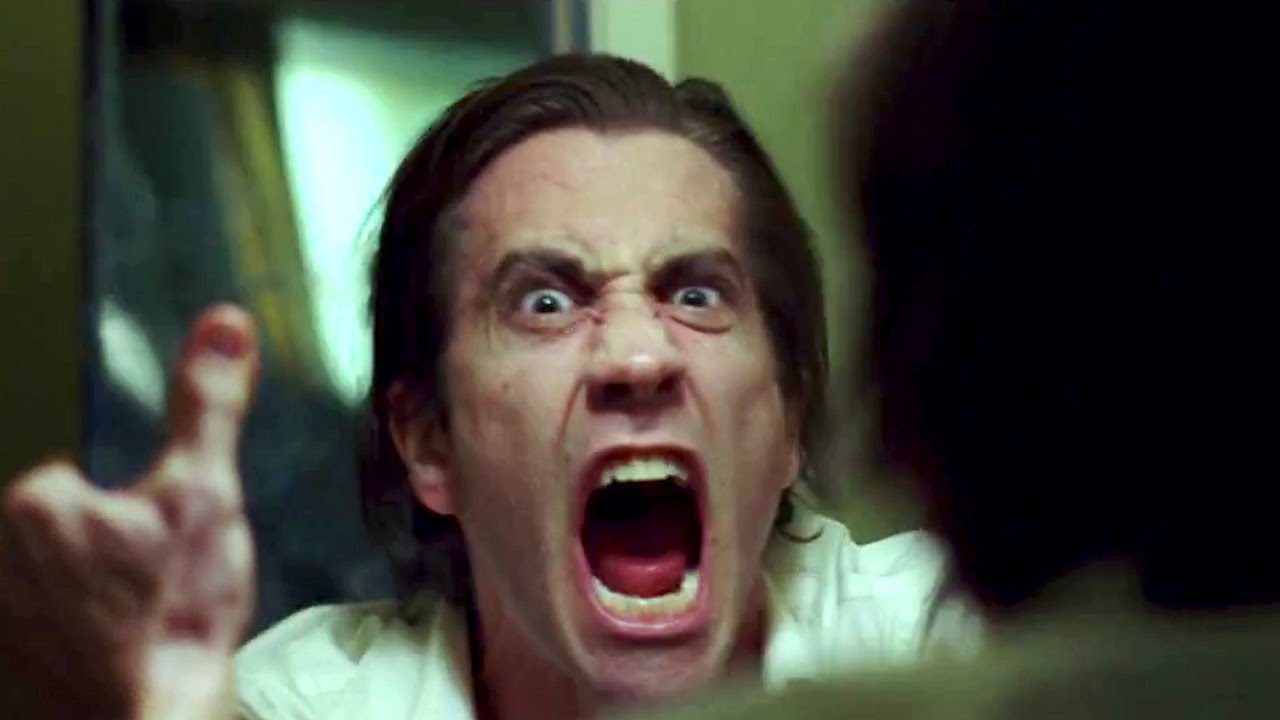
7. Nightcrawler: Another amazing film, this one positing a weirdly sometimes likeable sociopath (Jake Gyllenhaal at his absolute best) in the context of local news – what better fit could there be?

8. Frank: Another underseen gem, this one has the great Michael Fassbender hiding inside a giant plastic head in an exploration of madness and music.

9. Foxcatcher: Bennett Miller returns with another masterpiece in understatement, a true crime tale of Olympic wrestlers and insane billionaires that could bring Oscar nominations to the unlikeliest of actors: Steve Carell and Channing Tatum.

10. Rosewater: Jon Stewart proved his mettle behind the camera with this touching, insightful and underseen true story of a journalist jailed during the Iranian elections of 2009.

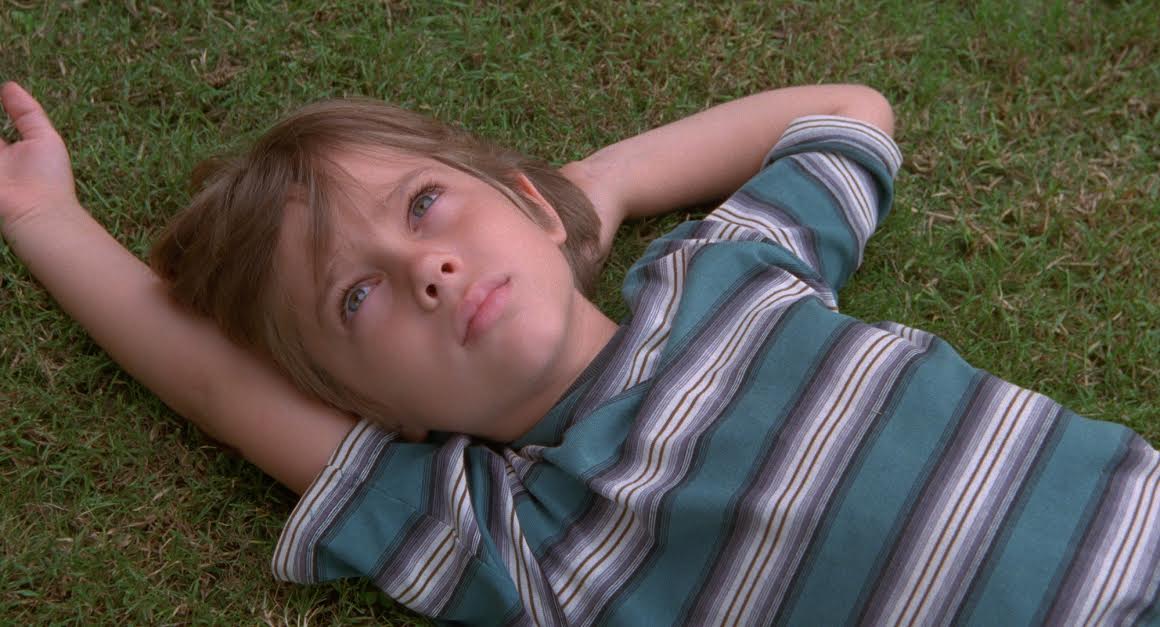
11. Boyhood: The best film of 2014, Boyhood’s filming spanned 12 years and let us glimpse something no other film has ever captured.

12. Wetlands: Underneath the shock and body fluids is a deeply human story boasting a fearless and nuanced performance.

13. Snowpiercer: The best SciFi in a year of especially great SciFi, the film was sabotaged by its own studio and still wound up wowing audiences everywhere.

14. Interstellar: Not Christopher Nolan’s best, but when his intergalactic epic is working, it is a mind-bending ride.

15. Locke: A one man show that highlights the talents of perhaps the greatest actor of his generation, Tom Hardy. See it. Do it!

Oh, Can’t You See, You Belong to Me?

Comet

By Christie Robb

The extent to which you will enjoy Comet will probably depend on whether you are the type of person who thinks the Police’s “Every Breath You Take” is a good song to play at a wedding or not.

Romantic or stalkery?

Comet has a similar feel.

Neurotic Dell (Justin Long, who you might remember as the Mac guy from the commercials),relentlessly pursues Kimberly (Emmy Rossum) over a six year period during which he physically runs her down, declares his probable love for her on their first date, waylays her on a train, and shows up on her doorstep before her wedding.

Long and Rossum deliver stellar performances managing to effortlessly handle repartee of nearly Gilmore Girls proportions. Their chemistry is undeniable. However, it may be my inner cynic talking, but I found myself wanting to shake Kimberly by her slender little shoulders and point out all the red flags she seems unable to see.

Comet is a far more intellectual movie romance than is typical. It takes place in a parallel universe, which allows writer/director Sam Esmail to include some beautiful and trippy imagery. He also presents the story out of sequence, skipping around in the timeline of Dell and Kimberly’s relationship from a meeting during a meteor shower, to a snowy day in Paris, to a heart-to-heart on an LA rooftop at dusk (or is it sunrise?). Comet leaves the interpretation of what actually happens to the couple up to your careful scrutiny and interpretation.

Maybe not the movie to see on a first date, it nevertheless provides excellent fodder for discussion and perhaps a follow up movie marathon featuring 500 Days of Summer and Eternal Sunshine of the Spotless Mind.

Verdict-3-0-Stars

One Bad Book

The Babadook

by  Hope Madden

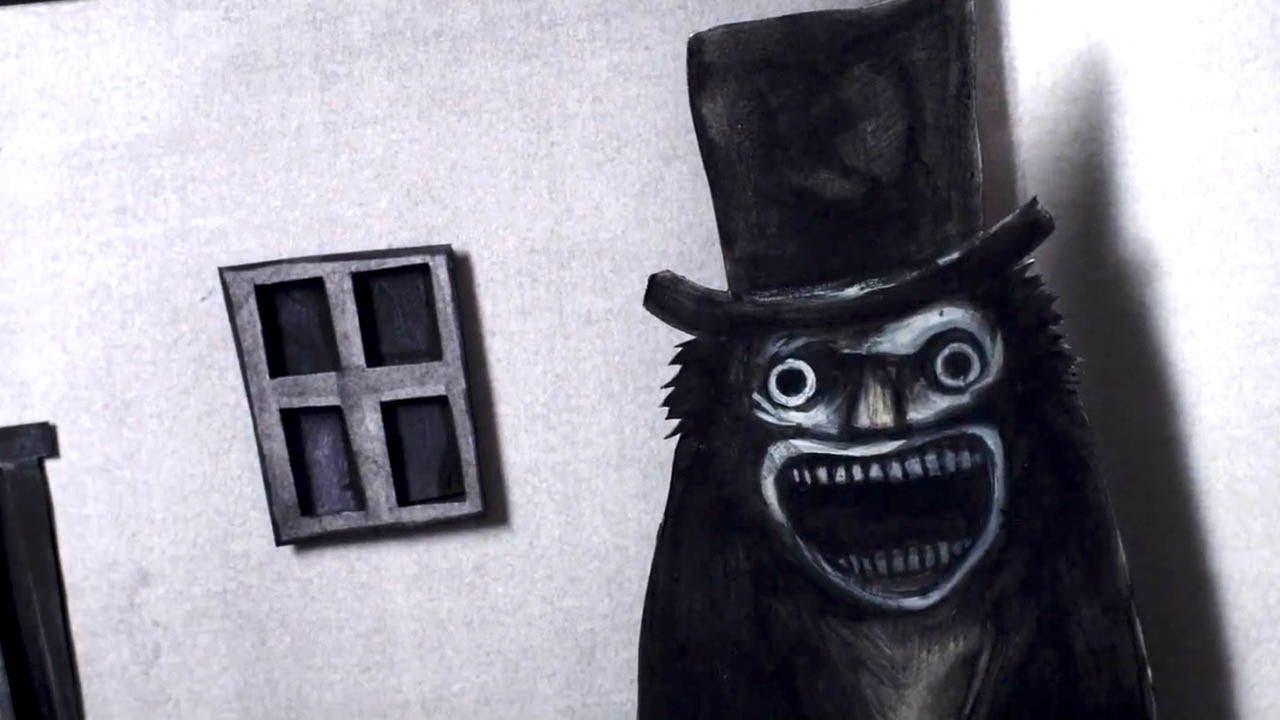
You’re exhausted – just bone-deep tired – and for the umpteenth night in a row your son refuses to sleep. He’s terrified, inconsolable. You check under the bed, you check in the closet, you read a book together – no luck. You let him choose the next book to read, and he hands you a pop-up you don’t recognize: The Babadook. Pretty soon, your son isn’t the only one afraid of what’s in the shadows.

It’s a simple premise, and writer/director Jennifer Kent spins her tale with straightforward efficiency. There is no need for cheap theatrics, camera tricks or convoluted backstories, because Kent is drilling down into something deeply, frighteningly human.

Like a fairy tale or nursery rhyme, simplicity and a child’s logic can be all you need for terror.

Kent’s film is expertly written and beautifully acted, boasting unnerving performances from not only a stellar lead in Essie Davis, but also the alarmingly spot-on young Noah Wiseman. Davis’s lovely, loving Amelia is so recognizably wearied by her only child’s erratic, sometimes violent behavior that you cannot help but pity her, and sometimes fear for her, and other times fear her.

Likewise, Wiseman delivers as a tender, confused, dear little boy you sometimes just want to throttle. Their naturalistic performances genuinely showcase the baggage that can exist between a parent and a child.

Radek Ladczuk’s vivid cinematography gives scenes a properly macabre sense, the exaggerated colors, sizes, angles and shadows evoking the living terror of a child’s imagination.

Much of what catapults The Babadook beyond similar “presence in my house” flicks is the allegorical nature of the story. There’s an almost subversive relevance to the familial tensions because of their naked honesty, and the fight with the shadowy monster as well as the film’s unusual resolution heighten tensions.

The film’s subtext sits so close to the surface that it threatens to burst through. Though that does at times weaken the fantasy, it gives the film a terrifying urgency. In the subtext there is a primal horror, a taboo rarely visited in film and certainly never examined with such sympathy. Indeed, the compassion in the film may be the element that makes it so very unsettling.

Eerily familiar yet peculiar and unique, The Babadook immediately ranks among the freshest and more memorable films the genre has to offer. It also marks a filmmaker to keep an eye on.

Verdict-4-0-Stars

Best First Features of 2014 Countdown

One of the most interesting themes you find when searching back over the best films of 2014 is the brilliance of films with one word titles (Birdman, Nightcrawler, Whiplash, Boyhood, Rosewater – it’s a long list!). Another is the remarkable quality of feature directorial debuts. Many of the year’s most powerful, intriguing films came from first time filmmakers, though several of these are industry veterans. Here is a look at the most impressive feature directorial debuts of 2014.

Nightcrawler

Dan Gilroy’s been writing films – many of them mediocre at best – since 1992’s Freejack. It appears he saved his best script for his debut as a director. Nightcrawler is aided immeasurably by the best performance of Jake Gyllenhaal’s career, but Gilroy’s dark, creepy approach to unseemly but enormously relevant material proves his mettle behind the camera.

Rosewater

An industry veteran with a connection to the source material, Jon Stewart made his directorial debut this year with the tale of a journalist jailed in Iran partly because of an interview he did with The Daily Show. The story behind Rosewater is fascinating, and Stewart’s direction proves thoughtful, insightful and inventive.

The Babadook

Aussie Jennifer Kent’s spooky tale opens this week, offering perhaps the creepiest effort of the year. A cautionary tale about parenting, the movie introduces a filmmaker who grounds fantasy in an unnerving level of naturalism, who can draw deeply human performances, and who knows what scares you.

Dear White People

Justin Simien makes the leap from shorts to features with one of the smartest films of the year. Dear White People tackles racial issues with confidence and a mix of sarcasm, outrage, hilarity and disgust. Simien never abandons comedy for preaching, but there is not an issue he isn’t willing to spotlight, however uncomfortable. It’s an insightful, biting comedy too few people saw this year.

A Girl Walks Home Alone at Night

Ana Lily Amirpour’s first feature is also the first Iranian vampire film, so extra points there. A Girl Walks Home Alone at Night is a gorgeous, peculiar reimagining of the familiar. Amirpour mixes imagery and themes from a wide range of filmmakers as she updates and twists the common vampire tropes with unique cultural flair. The result is a visually stunning, utterly mesmerizing whole.

Obvious Child

Gillian Robespierre crafts an uncommonly realistic, uncomfortable, taboo-shattering comedy with Obvious Child. A romantic comedy quite unlike any other, it succeeds in large part due to a miraculous lead turn from Jenny Slate. Robespierre’s refreshingly frank film rings with authenticity, and is as touching as it is raw.

Bad Words

We’re willing to give anything a shot if Jason Bateman is involved. Sure, it doesn’t always pay off, but his directorial debut Bad Words is as wry, dry and funny as you’d expect. No one has comic timing like Bateman, and it leads to a quickly paced, lean and hilariously mean effort.