Tag Archives: Screen Wolf

Into the Wild

Jane

by George Wolf

Of all the feels stirred by Brett Morgen’s new documentary Jane, perhaps the most lasting is the wonderful rediscovery of an iconic personality we thought we knew.

And if you didn’t know Jane Goodall at all, this is an unforgettable introduction.

Goodall was a young secretary to famed archeologist Dr. Louis Leakey in 1962 when the Dr. dispatched her to Tanzania for a groundbreaking study of  free-living chimpanzees. Her qualifications? Only a love of animals and a passion to live among them.

To Leakey, this only made Jane more valuable, as she would enter the wild with no predetermined biases that might cloud her findings. As the project gained notoriety, National Geographic assigned acclaimed photographer Hugo van Lawick to join Goodall, eventually becoming her first husband.

Morgen (The Kid Stays in the Picture, Kurt Cobain: Montage of Heck) was blessed with over 100 hours of van Lawick’s 16mm footage, and he lets it breathe in a manner that is remarkably organic. These archives, swimming in a loving score from Philip Glass, put us right next to Goodall as she blazes her scientific trail.

The sense of discovery quickly becomes twofold. Goodall was experiencing things unknown to science (as an untrained “comely young miss,” no less), and we become the quiet student of her environment, as she was to the chimps of the Gombe Reserve.

Morgen also includes current memories from Goodall, now in her eighties, and her insightful commentary, interspersed as it is with striking film of her younger self embarking on a historic journey, adds a touching, heartfelt layer.

Jane’s is a remarkable story of curiosity, commitment and the passion to learn. And Jane, easily one of the best docs of 2017, is a beautiful piece of storytelling.

I Don’t Want to Go Out – Week of January 8

Nasty weather getting you down? Nothing cheers a body up like a clown! That’s right, It comes home this week, along with some other bits of middling entertainment from 2017. Wouldn’t it all go so well with popcorn? Pop pop pop pop pop…

Click the film title to read the full review.

It

Marshall

The Foreigner

Mark Felt: The Man Who Brought Down the White House

Friend Request

Fright Club: Oscar Nominee Skeletons in the Closet

You know what? This year’s batch of Oscar hopefuls have made some genuinely excellent horror movies. Richard Jenkins starred in not only the amazing Bone Tomahawk, but also the underseen Fright Club favorite Let Me In. Willem Dafoe took a beating in the amazing Antichrist and grabbed an Oscar nomination for his glorious turn in Shadow of the Vampire. Laurie Metcalf made us laugh and squirm in Scream 2 and Woody Harrelson led one of our all time favorite zombie shoot-em-ups, Zombieland.

But what’s the fun in talking about that when so many of the nominees have made so many bad movies? Here we focus on the worst of the worst, but if you check out the podcast we mention even more.

5. Halloween II (2009)

Octavia Spencer’s 20+ year career, struggling early with low-budget supporting work, guarantees her a place in this list. Indeed, she could have taken several slots (2006’s Pulse is especially rank), but we find ourselves drawn to Rob Zombie’s sequel to his 2007 revisionist history.

Zombie ups the violence, adds dream sequences and suggests that Laurie Strode (played here, poorly, by Scout Taylor-Compton) shares some hereditary psychosis with her brother Michael.

Spencer plays the Night Nurse, which naturally means that she dies. Pretty spectacularly, actually, but that hardly salvages the mirthless cameo-tastic retread.

4. Gary Oldman: Bram Stoker’s Dracula (1992)

Francis Ford Coppola took his shot at Dracula in ’92. How’d he do?

Cons: Keanu Reeves cannot act. Winona Ryder can act—we’ve seen her act—but she shows no aptitude for it here, and lord she should not do accents. Anthony Hopkins has always enjoyed the taste of scenery, but his performance here is just ham-fisted camp.

Pros: Gary Oldman, who can chomp scenery with the best chewers in the biz, munches here with great panache. He delivers a perversely fascinating performance. His queer old man Dracula, in particular – asynchronous shadow and all – offers a lot of creepy fun. Plus, Tom Waits as Renfield – nice!

Still, there’s no looking past Ryder, whose performance is high school drama bad.

3. Clownhouse (1989)

There are several fascinating pieces of information concerning the derivative yet uniquely weird Clownhouse. These range from odd to awful.

1) The Sundance Film Festival somehow found this film—this one, Clownhouse, the movie about 3 escaped mental patients who dress as clowns, break into a house where three brothers are home alone on Halloween night, and commence to terrify and slaughter them— worthy of a nomination for Best Drama. If you haven’t seen this film, you might not quite recognize how profoundly insane that is.

2) The great and underappreciated Sam Rockwell made his feature debut as the dickhead oldest brother in this movie. The clowns themselves—Cheezo, Bippo, and Dippo—are genuinely scary and garishly fascinating, but outside of them, only Rockwell can act. At all.

3) Writer/director Victor Salva would go on to create the Jeepers Creepers franchise. But first he would serve 15 months of a 3-year state prison sentence for molesting the 12-year-old lead actor in this film, Nathan Forrest Winters.

So, basically, this film should never have been made. But at least Rockwell got his start here.

2. Margot Robbie: ICU (2009)

Margot Robbie is a confirmed talent. Underappreciated in her wickedly perfect turn in Wolf of Wall Street, she has gone on to prove that she is far more than a stunning beauty (though she certainly is that).

Not that you’d realize that by way of her early work in this low-budget Aussie dumpster fire.

The then-19-year-old leads a cast of unhappy teens vacationing for the weekend with their estranged dad, who’s called into work yet again. To entertain themselves, they peep on their neighbors through the facing skyscraper windows.

Robbie showers, swims and changes clothes at least 3 needless times within the film’s opening 10 minutes, which makes a film that wags a finger at modern voyeurism feel a little hypocritical. But to even make that statement is to take writer/director Aash Aaron’s film too seriously. Heinously acted, abysmally written and tediously directed, it amounts to 50 minutes of whining followed by utterly ludicrous plot twists, unless Australia boasts the largest per-capita number of serial killers on earth.

But the point is this: Robbie would go on to deliver stellar performances, so this is just something we all need to shake off.

1. Frances McDormand: Crimewave (1985)

Is a horror film really a horror film just because imdb.com says so?

Well, anything as bad as Crimewave is a horror, that’s for sure. The fact that it’s a slapstick crime comedy at its heart hardly matters.

Co-written by Joel and Ethan Coen, directed by Sam Raimi and co-starring Bruce Campbell, this film has a pedigree. And we love them all so much we can almost forgive them for this insufferable disaster. But we suffered through it for two scenes—one at the beginning, one at the end—involving a nun who’s taken a vow of silence.

Frances McDormand, what the hell are you doing in this movie?

No, no. We get it. If we were duped into optimism by Coen brother involvement, what hope did you have? You couldn’t have known that the result would be a tiresome, embarrassing, un-funny, painful waste of 83 minutes.

The Screening Room: Ice, Ice Baby

Some Oscar contenders out this week. The Screening Room helps you sort them out: I, Tonya, Molly’s Game, Insidious: The Last Key plus what’s new in home entertainment.

Listen to the podcast HERE.

I Don’t Want to Go Out – Week of January 5

Big, award-contending business available for slovenly consumption this week. Check out (with the biggest screen possible) one of the best films of 2017, along with a couple of other very strong flicks, all of which you can watch in your jammies without fear of arrest. Nice!

Click the film title for a full review.

Blade Runner 2049

Battle of the Sexes

American Made

The Best of 2017

by Hope Madden and George Wolf, MaddWolf.com

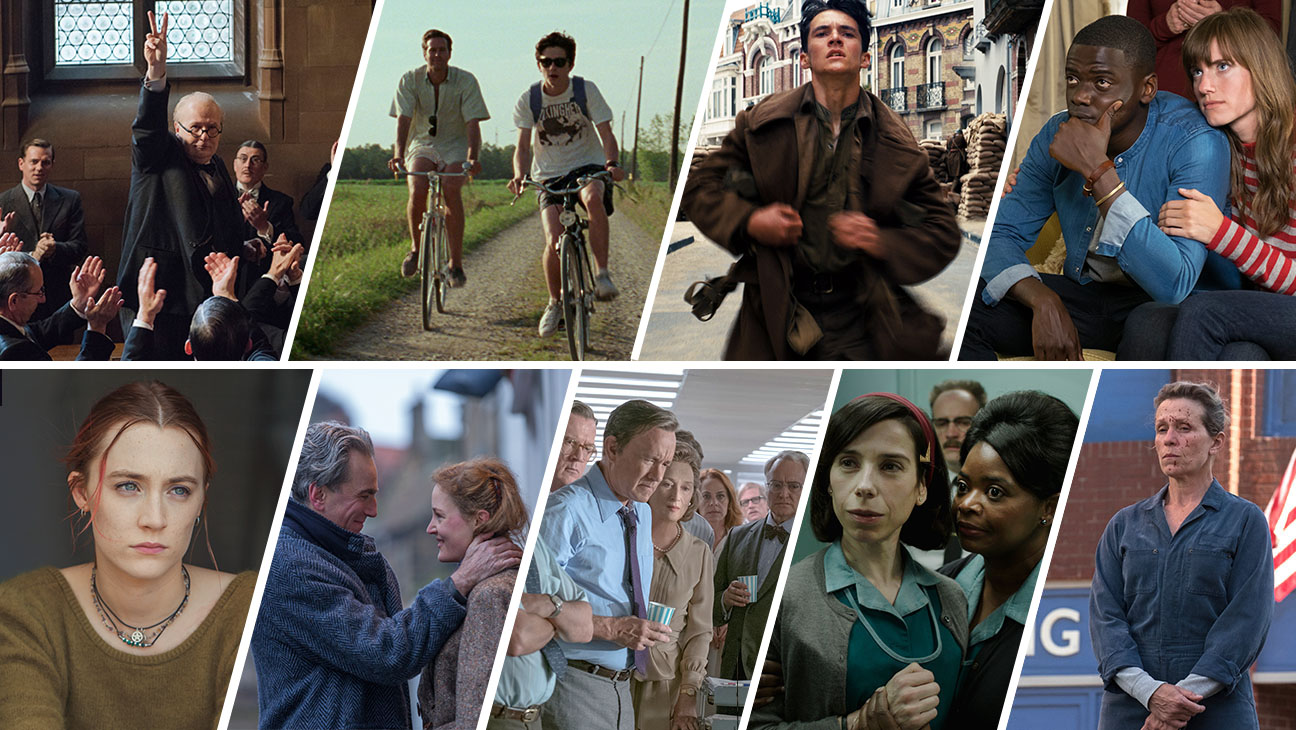
The end is nigh, so let’s celebrate: celebrate the bold visions, surprise hits, underseen gems, beautiful storytelling, social commentary, scares, thrills and love the films of 2017 held in store for us. It was an amazing year for movies, from big budget to micro, horror to rom-com, comic book blockbuster to indie absurdity. Let’s revel. Here are the best of the year, as well as thoughts on nooks and crannies around the movie world.

25. War for the Planet of the Apes  The rebooted Apes trilogy concludes with a thrilling, deeply felt and visually stunning rumination on the boundaries of humanity and the levels of sacrifice, where the wages of brutality are driven home in equal measure by both sweeping set pieces and stark intimacy. Ultimately, we’re left with a bridge to the original 1968 film in sight, and a completely satisfying conclusion to a stellar group of prequels.


24. Mudbound Director/co-writer Dee Rees layers this tale expertly, as the fates of two families come together in 1940s Mississippi. We’re drawn in through finely- crafted characters and excellent performances, as the film gradually builds our investment toward an emotional payoff at times hopeful, devastating, and profound.

https://www.youtube.com/watch?v=xucHiOAa8Rs


23. Baby Driver  Baby Driver is as tasty a feast for the eyes as it is the ears. The game cast never drops a beat, playing characters with the right mix of goofiness and malice to be as fun or as terrifying as they need to be. For all its danceability, Edgar Wright’s film offers plenty of tension, too. Like much of the filmmaker’s work, Baby Driver boasts a contagious pop mentality, intelligent wit and a sweet heart.


22. Spider-Man: Homecoming  As solid as the Marvel universe has been, it’s not hard to find moments (especially in Civil War) when the push for a hip chuckle undercuts the action. The humor in Homecoming hits early and often, but only to reinforce that the film’s worldview is sprung from the teenaged Peter Parker (Tom Holland). In this way, it feels more true to its comic origins than most in the entire film genre. Best of all, Holland re-sets the character to a place where its growth seems both unburdened and unpredictable. That’s exciting, and not just for Pete.


Best Fresh Perspective:              

1. Get Out                                  

2. The Big Sick                            

3. Wonder Woman  


21. Raw In a very obvious way, Raw is a metaphor for what can and often does happen to a sheltered girl when she leaves home for college. But as writer/director Julia Ducournau looks at those excesses committed on the cusp of adulthood, she creates opportunities to explore and comment on so many upsetting realities, and does so with absolute fidelity to her core metaphor. She immediately joins the ranks of Jennifer Kent (Babadook) and Ana Lily Amirpour (A Girl Walks Home Alone at Night) – all recent, first time horror filmmakers whose premier features predict boundless talent.


 20. The Square Writer/director Ruben Ostlund continues to bring visionary scope to his writing and direction. Nearly every frame becomes a lavishly fascinating microscope, probing deep into the inner impulses and outward pressures that are constantly forming our actions and reactions. The humor is dark and droll, often awkward and sometimes laugh-out-loud funny, but The Square (winner of the Palme d’Or at Cannes) is also alternatively weird and occasionally freakish.Regardless of whether you’re able to make sense of it all, it’s a visceral, thoroughly rewarding experience.

https://www.youtube.com/watch?v=zKDPrpJEGBY


19. Whose Streets? Moving like a living, breathing monument to revolution, Whose Streets? captures a flashpoint in history with gripping vibrancy, as it bursts with an outrage both righteous and palpable. Activists Sabaah Folayan and Damon Davis share directing duties on their film debut, bringing precise, insightful storytelling instincts to the birth of the Black Lives Matter movement. Together, they provide a new and sharp focus to the events surrounding the 2014 killing of 18-year-old Michael Brown by Ferguson, Missouri police officer Darren Wilson.


18. Hounds of Love Driven by three fiercely invested performances, Hounds of Love makes a subtle shift from horrific torture tale to psychological character study. In 108 grueling minutes, writer/director Ben Young’s feature debut marks him as a filmmaker with confident vision and exciting potential.

https://www.youtube.com/watch?v=UNEurXzvHqE


Best Nobody Saw It: 

1. Columbus

2. The Survivalist

3. Brigsby Bear


17. Call Me By Your Name  Awash in sensuality, Luca Guadagnino’s love story is unafraid to explore, circling Oliver (a terrific Armie Hammer) and Elio (Timothee Chalamet-astonishing) as they irritate each other, then test each other, and finally submit to and fully embrace their feelings for one another. Theirs is a remarkable dance, intimately told and flawlessly performed.


16. The Post  Spielberg. Streep. Hanks. It is official: The Post has it all, beginning with the almost-too-relevant true story of a newspaper casting off its personal associations to hold the government accountable by sharing actual news with citizens of the United States and the world. Spielberg’s passion and polish come together here as an expertly crafted rallying cry. He’s preaching to the choir, but he preaches so well.


15. Columbus In yet another of 2017’s stunning debuts, writer/director Kogonada unveils a dreamily detailed study of two people (John Cho, Haley Lu Richardson – both stellar) stuck in Columbus, Indiana for very different reasons. The film’s magic is gentle and steady, slowly enveloping you in a beautiful meditation on the mysteries of human connection.


14. The Big Sick  The Big Sick is that rare breed seldom seen in the wilds of the multiplex. It’s a smart and incisive romantic comedy that has something new and vital to say while it’s being both romantic and comedic. It also feels incredibly authentic, probably because co-writers Emily V. Gordon and Kumail Nanjiani are telling much of their own story. At times hilarious, sweet, emotional and even heartbreaking, The Big Sick has a case of charming that will follow you home.


Best Let’s Fight About It: 

1. Star Wars: The Last Jedi

2. mother!

3. It Comes at Night


13. The Florida Project Co-writer/director Sean Baker follows up his ambitious 2015 film Tangerine with another tale set gleefully along the fringes of society. Baker’s many talents include an ear for authentic dialog, a knack for letting a story breathe and an eye for visual details that enrich a tale. But maybe what’s most striking is his ability to tell fresh but universal stories. The Florida Project certainly is one, reveling in the freedom and bravado of a young girl, but always aware of the dangerous edges when blurring childhood and adulthood.


12. The Beguiled  The Beguiled marks a return to critical favor for writer/director Sofia Coppola, who won best directing honor at this year’s Cannes Fest Festival for her adaptation of Thomas Cullinan’s novel. Few frame delicate, ornate beauty quite like Coppola. She has found quite a palette with this film – the draping trees, columned porches, foggy woods, the tender grace of the inhabitants at Miss Farnsworth’s Seminary for Young Ladies, The result is a bewitching film – beautifully acted, gloriously filmed and haunting.


11. Star Wars: The Last Jedi  The Last Jedi makes any letdowns seem light years away. With a deft mix of character-driven emotion, high stakes action and mischievous fun, it waves a proud flag for the legacy of this cinematic universe while confidently taking big strides toward crafting a new one. Visionary talent Rian Johnson (Looper, Brick) now has the con as both director and sole screenwriter. His affection for the franchise, coupled with an innovative sense of character arc and storyline, combine for a freshness that respects nostalgia even while priming you to move beyond it.


Best Foreign Language Feature:

1. The Square

2. Raw

3. B.P.M.


10. A Ghost Story Writer/director David Lowery has crafted a poetic, moving testament to the certainty of time, the inevitability of death and the timeless search for connection. Our vehicle through this existential exercise is the white-sheeted ghost of childhood Halloween costumes. The irony of such a childlike image representing themes so vast and existential seems silly, but only for a few moments, until Lowery’s stationary camera and long, elegant takes wrap you in a strangely hypnotic trance.


9. Detroit Kathryn Bigelow’s return to the screen burns with a flame of ugliness, rage and shame that simmers well before it burrows deep into you. It is brutal, uncomfortable, even nauseating. And it is necessary. Together with writer and frequent collaborator Mark Boal she brings craft and commitment to the story of Detroit’s infamous Algiers Motel Incident. Brilliant supporting performances from Will Poulter, John Boyega and Jacob Latimore keep you riveted even as you cannot wait for the ordeal to end.


8. The Shape of Water Along with a likely Oscar contender in Sally Hawkins, writer/director/unabashed romantic Guillermo del Toro crafts a dreamy mash note to outsiders. An ensemble like none other includes Michael Shannon, Octavia Spencer, Michael Stuhlbarg and Richard Jenkins—not to mention Doug Jones, again in a wet suit. But del Toro’s imagination is the real star here, touching on social anxieties of the Cold War that more than transcend to modern times and putting all of it in a blue-green dream of romance.


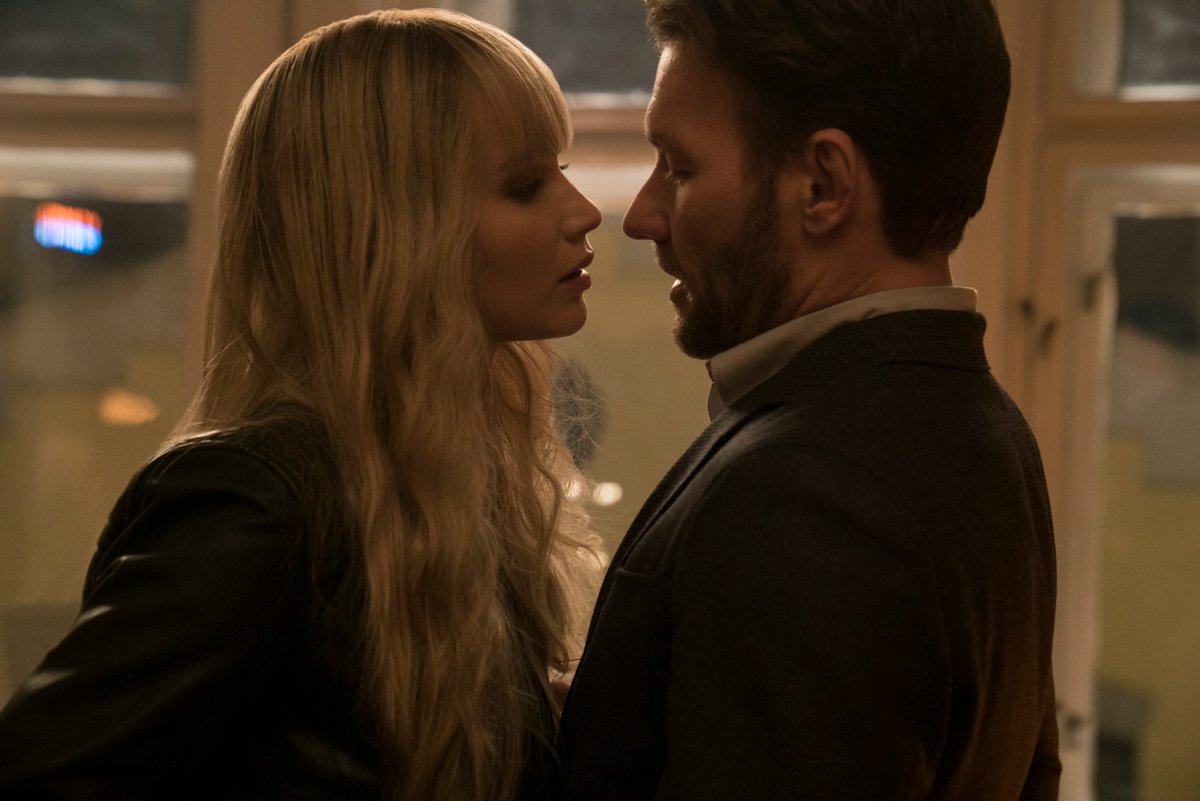
7. It Comes at Night Deep in the woods, Paul (Joel Edgerton, solid as always), Sarah (Carmen Ejogo) and their teenage son Travis (Kelvin Harrison, Jr.) have established a cautious existence in the face of a worldwide plague. They have boarded their windows, secured their doors, and enacted a very strict set of rules for survival. But what are the dangers, and how much of the soul might one offer up to placate fear itself? In asking those unsettling questions, It Comes at Night becomes a truly chilling exploration of human frailty.


6. The Killing of a Sacred Deer What if God exists and he’s an awkward adolescent boy? That’s not exactly the point of Yorgos Lanthimos’s latest, The Killing of a Sacred Deer, but it’s maybe as close a description as we can muster. The filmmaker’s unique tone finds its perfect vehicle in Barry Keoghan (also wonderful this year in Dunkirk). Unsettlingly serene as Martin, the teenage son of a patient killed on surgeon Steven (Colin Farrell) Murphy’s table, he controls the film and its events. With Martin, Lanthimos is able to mine ideas of God, of the God complex, of the potentially ludicrous notion of cosmic justice. All the while he sends up social norms, dissecting the concept of the nuclear family and wondering at the lengths we will go to avoid accountability.


Best Animated Feature:                             

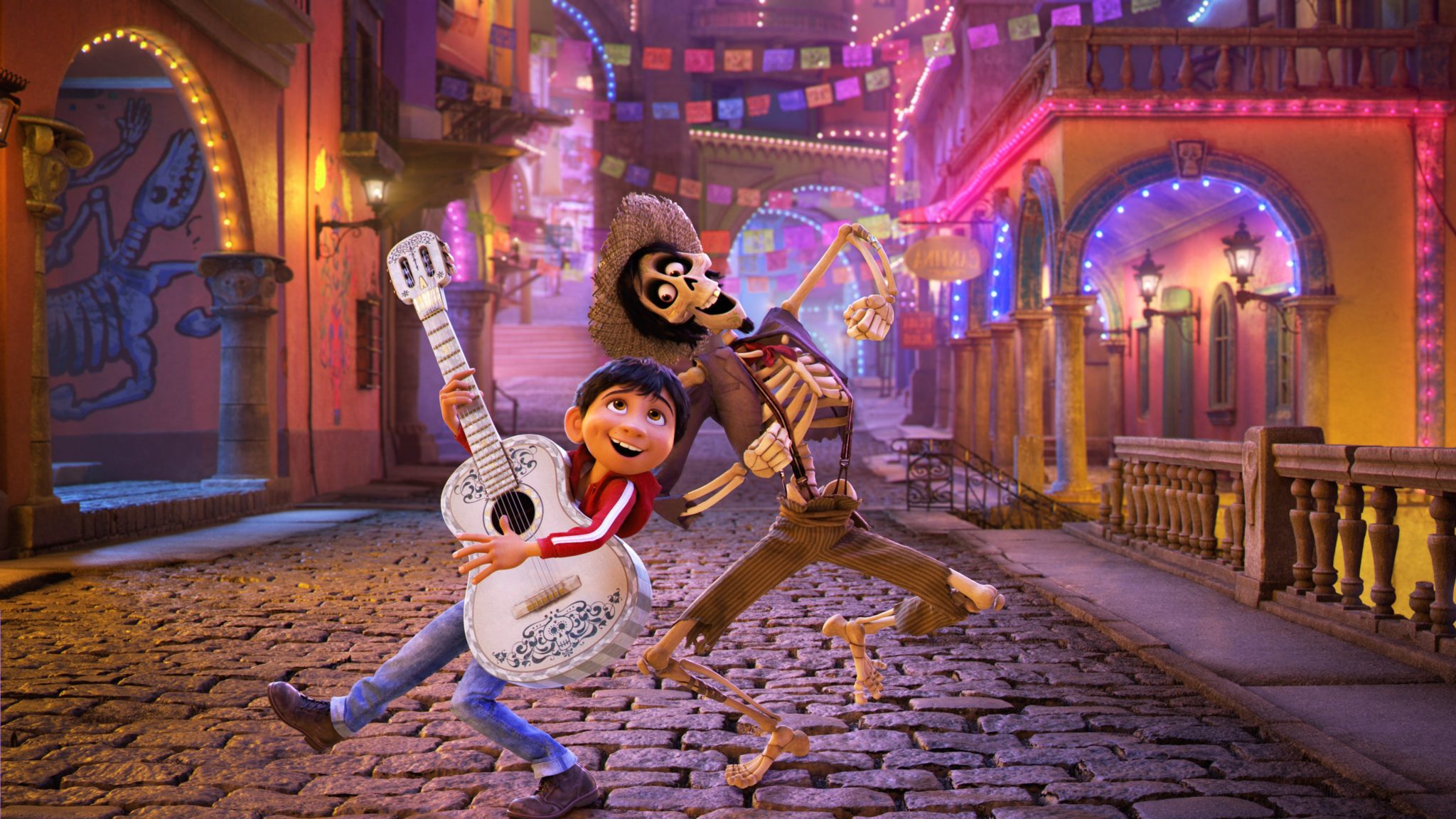
1. Coco                                             

2. Loving Vincent             

3. The Lego Batman Movie    


5. Blade Runner 2049 With Blade Runner 2049, director Denis Villeneuve returns us to the hulking, rain-streaked metropolis of another generation’s LA. We ride with K (Ryan Gosling), a blade runner charged, as always, with tracking down rogue replicants and retiring them. Few if any have delivered the kind of crumbling, dilapidating futurescape Ridley Scott gave us with his original. But between the stunning visual experience and meticulous sound design, BR 2049 offers an immersive experience perfectly suited to its fantasy. Picking at ideas of love among the soulless, of souls among the manmade, of unicorns versus sheep, Villeneuve channels Philip K. Dick by way of Scott as well as a bit of James Cameron and more than a little Spike Jonze. There’s even a splash of Dickens in there. Sounds like a hot mess, but damn if it doesn’t work.


4. Get Out You want to know the fears and anxieties at work in any modern population? Just look at their horror films. You probably knew that. The stumper then, is what took so long for a film to manifest the fears of racial inequality as smartly as does Jordan Peele’s Get Out. Opening with a brilliant prologue that wraps a nice vibe of homage around the cold realities of “walking while black,” Peele uses tension, humor and a few solid frights to call out blatant prejudice, casual racism and cultural appropriation. It’s an audacious first feature that never stops entertaining as it consistently pays off the bets it is unafraid to make.


3. Three Billboards Outside Ebbing, Missouri Writer/director Martin McDonagh provides his stellar ensemble with smart, insightful dialog that crackles with bite, poignancy and scattershot hilarity. His tale is offbeat but urgent and welcome, speaking as it does to grief, compassion, and navigating the contrasts between the good and evil in our flawed selves. McDonagh (In Bruges, Seven Psychopaths) compliments his usual knack for piercing wordplay with well-paced visual storytelling and some downright shocking tonal shifts. We are constantly engaged but never quite at ease, as McDonagh demands our attention through brutality and dark humor, holding the moments of humanity until they will be most deeply satisfying.


Best Documentary Feature:                  

1. Whose Streets?                     

2. An Inconvenient Sequel        

3. Human Flow  


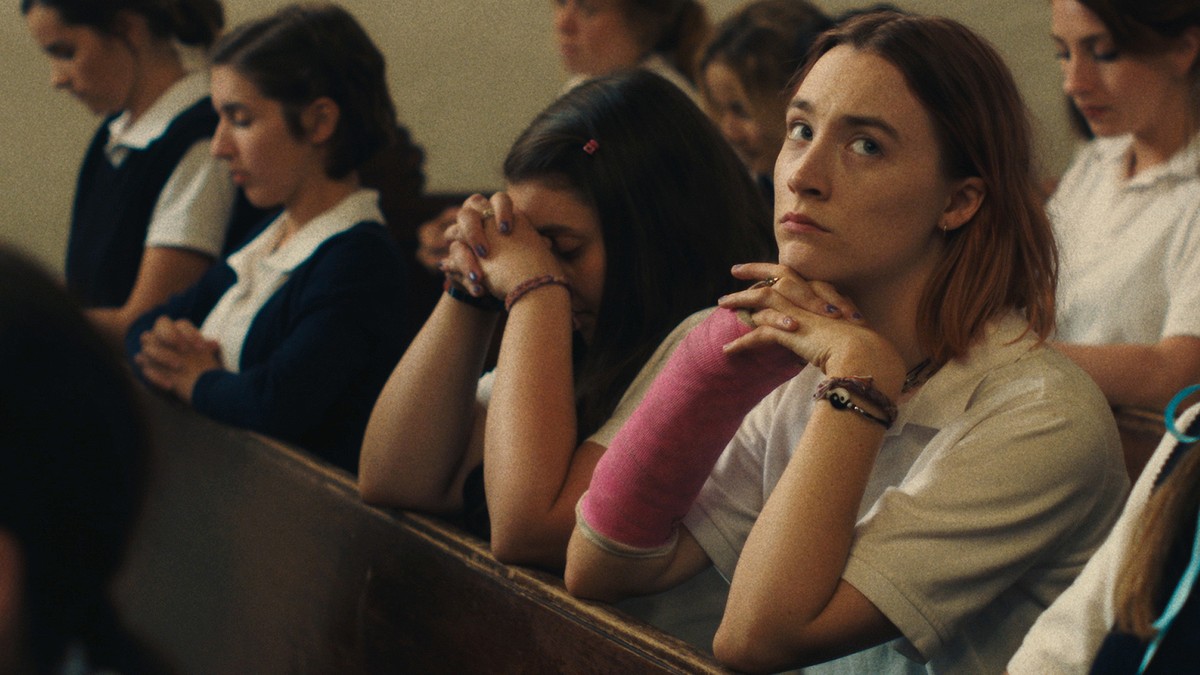
2. Lady Bird Written and directed by Greta Gerwig, Lady Bird may be the most delightfully candid and refreshingly forgiving coming-of-age film we’ve seen. The plot and the comedy are less the point here than you might expect. They are really just a device Gerwig uses to explore adolescence and its characteristic stage of reinvention. Though Lady Bird’s landscape is littered with coming-of-age tropes, there is wisdom and sincerity in the delivery. Gerwig offers genuine insight rather than nostalgia or, worse yet, lessons to be learned. She’s aided by an awards-worthy ensemble. Literally everyone deserves an award, from the letter perfect lead Saoirse Ronan to sweetly tender Lucas Hedges, the downtrodden but loving Tracy Letts to certain Oscar nominee Laurie Metcalf. Oscar or no, what a gift they’ve already gotten from Gerwig.


1. Dunkirk Christopher Nolan’s storytelling here is simultaneously grand and intimate. To do justice to the story of the truly amazing evacuation of 400,000 British troops from certain death on the beaches of Dunkirk, France, he approaches it from three different perspectives and creates, with a disjointed chronology, a lasting impression of the rescue that a more traditional structure might have missed. Solid performances abound without a single genuine flaw to point out, but the real star of Dunkirk is Nolan. He dials back the score – Hans Zimmer suggesting the constant tick of a time bomb or the incessant roar of a distant plane engine – to emphasize the urgency and peril, and generating almost unbearable tension. Visually, Nolan’s scope is breathtaking, oscillating between the gorgeous but terrifying open air of the RAF and the claustrophobic confines of a boat’s hull, with the threat of capsize and a watery grave constant. What the filmmaker has done with Dunkirk – and has not done with any of his previous efforts, however brilliant or flawed – is create a spare, quick and simple film that is equally epic.

The Abyss of Freedom

All the Money in the World

by George Wolf

The eleventh-hour replacement of Kevin Spacey wasn’t just a boldly genius play by legendary director Ridley Scott – it was the only play, a cinematic Hail Mary that elevates All the Money in the World as a curiosity, a statement and a filmgoing experience.

Christopher Plummer steps in as the legendary J. Paul Getty, delivering a terrific, gravitas-rich performance that anchors Scott’s dramatic retelling of events surrounding the 1973 kidnapping of Getty’s teenaged grandson Paul (Charlie Plummer).

Scott digs in to a meaty script from David Scarpa (adapting John Person’s book) to deliver a highly engaging film filled with tension, insight, stellar performances and crackling relevance.

As Paul’s mother Gail Getty, Michelle Williams is award-worthy fantastic. Gail, no longer a “real” Getty after divorcing Paul’s father, must negotiate with both the kidnappers and her former father-in-law for her son’s safety, and Williams makes Gail’s mix of frustration, desperation and disgust emotionally genuine.

While refusing to pay the 17 million-dollar ransom, J. Paul enlists the help of former CIA agent Fletcher Chase (Mark Wahlberg) to recover his grandson. As the hunt intensifies, Scott gracefully balances the extremes on opposing sides of the boy’s fate, each one consumed with profits and losses.

Wahlberg again shows how effective he can be under a strong director, and Fletcher’s search for Paul becomes a taut nail-biter while the elder Getty -“not just the richest man in the world but the richest man in the history of the world“- shells out millions on the black market for a masterpiece canvas.

Getty’s defense of his interest in things over people is just one of several passages from Scarpa that are weighty with resonance. His script is full of biting, memorable dialogue, such as Getty’s explanation of an “abyss of freedom” that comes from extreme wealth, without ever succumbing to grand speechifying.

The “erasing” of Spacey is incredibly seamless, but long after those headlines fade, All the Money in the World holds plenty of capital. As both a fascinating historical drama and a telling reminder of what we value, it’s a film that can stand with the best of Scott’s storied career.

Fright Club: Best Horror Movie Openings

The horror prologue—almost a matter of necessity at this point, a short film in itself to introduce the terror, make you jump, serve as a reference point for a third act call-back.

As cliche as they may be, the opening jump scene is still handled more effectively and more memorably in horror than in any other genre. (I’m looking at you, James Bond.) They can become iconic cinematic moments and pop cultural touchstones like Scream or The Ring. They can, without the aid of the rest of the film, haunt your dreams: It, Martyrs. They can amuse you while setting up the rules for the film: Zombieland. Or they can be just astoundingly beautiful, like Rear Window.

We want to thank Brandon Thomas for joining us this week to count down the six best (fuzzy math!) opening scenes in horror.

6. Dawn of the Dead (2004)

The flick begins strong with one of the best “things seem fine but then they don’t” openings in film.

And finally! A strong female lead who seems like a real person. Poor, overworked Ana (Sarah Polley) just wants to get off her nursing shift—a subtly brilliant way to introduce the facts of the infection without beating you about the face and neck with it.

Then on to a quiet ride home with “Have a Nice Day” on the radio—one of many brilliant musical choices by director Zack Snyder—and our first aerial of the tidy suburban landscape that is about to be destroyed.

Cut to ordinary, comfortable wedded bliss, then Vivian in her bloody little nightgown, then a rabid husband, a bloody escape and the second pan around the neighborhood gone insane.

5. The Reflecting Skin (1990)

It isn’t often when documenting horror cinema that you have the need to mention an art director, but for The Reflecting Skin, the work of Rick Roberts deserves a note. His gorgeous, bucolic Idaho is perfectly crafted, with golden wheat and decrepit wooden outbuildings representing both the wholesomeness and decay that will meld in this tale.

Writer/director Philip Ridley has a fascinating imagination, and his film captures your attention from its opening moments. A cherubic tot walks gleefully through wheat fields toward his two adorable little buddies, carrying a frog nearly as big as he is. “Look at this wonderful frog!” he calls out to them.

What happens next is grotesque and amazing – the casual but exuberant cruelty of children. It’s the perfect introduction to this world of macabre happenings as seen through the eyes of a little boy.

4. It Follows (2014)

David Robert Mitchell wears his fondness for the genre on his sleeve. His startlingly realized prologue not only sets you on edge for one of the strongest new genre films in a decade, but it announces that Mitchell, like many of us, is a very big John Carpenter fan.

As Mike Gioulakis’s camera circles this comfortable suburban street, following poor Annie (Bailey Spry) in circles as she decides her next panicky move, Mitchell’s inspirations are clear. It’s both clever and ballsy: drawing comparisons to the genre master in your opening scene can very well set you up for tremendous failure.

But not if you’re about to follow this pristine piece of horror set-up with one of the most imaginative, well-crafted and terrifying films in recent memory. Well done.

https://www.youtube.com/watch?v=Cs0PrI3ylso

3. Halloween (1978)

Speaking of John Carpenter, here’s a guy who knows how to open a movie. The Thing, for instance, brilliantly and almost wordlessly sets up the entire film with an economy and visual style that tells you all you need to know about the harsh environment, isolation and, if you’re really paying attention, the danger that’s afoot.

But it’s the prologue to Halloween that has been the most inspirational of any of his film openings. Backed by his spare and perfect score, the spooky chanting of children sets the mood: black cats and goblins and broomsticks and ghosts/covens of witches with all of their hosts/ you may think it’s scary/ you’re probably right/ black cats and goblins on Halloween night!

Switch to the now-famous killer’s pov through the eye-holes of a Halloween mask—an iconic image clearly inspired by Bava’s devil mask pov shot in Black Sabbath—and then the blank face and bloody knife of the jester-suited Michael Meyers and your masterpiece has taken its first steps.

https://www.youtube.com/watch?v=nnWw060ygG8

2. Get Out (2017)

Opening with a brilliant prologue that wraps a nice vibe of homage around the cold realities of “walking while black,” writer/director Jordan Peele uses tension, humor and a few solid frights to call out blatant prejudice, casual racism and cultural appropriation.

Lakeith Stanfield is just trying to find the party, but he’s lost on McMansion avenue in a suburb. When a sports car slows down next to him and then stops, Peele has introduced utterly perfectly his method of subverting genre expectations to make terrifying salient points about America.

Backed by Flanagan and Allen’s utterly terrifying golden oldie Run Rabbit Run, we watch the age-old genre scene unfold: a vulnerable innocent alone in the dark with no one coming to the rescue. But suddenly it’s not the beautiful co-ed, not the helpless victim we’re trained to worry for, accustomed to seeing as prey. It’s actually the image we’ve been trained to see as the aggressor, the villain, the reason to fear.

And yet, what happens here feels far, far too much like reality.

https://www.youtube.com/watch?v=GheJAxYvbfs&t=5s

1. Jaws (1975)

Poor, drunk Chrissie and her stupid, wasted suiter.

Steven Spielberg, 29-years-old at the time, was about to cause a tidal wave of pop culture defining terror. But first, a late-night beach party, a couple of wholesome if drunken revelers, a late swim and our first taste of John Williams masterpiece of a score.

No, Chrissie does not look like she’s having a good time, and actress Susan Backlini seems to have gone through enough of an ordeal to come away with PTSD. Bill Butler’s camera switches from the disturbing shark’s-eye-view to the even more disturbing close up just above the water line—that line Chrissy keeps crossing, up and down, up and down, and then back and forth and back and forth.

The result was a lingering terror of the water that not only kept you hoping against hope that every member of Amity stayed off that beach, but very likely caused you at least a little anxiety the next time you want for a late night dip.
d: Steven Spielberg; w: Peter Benchley

The Screening Room: A Stocking Full of New Movies

Helping you separate naughty from nice with this weekend’s movie options, The Screening Room looks at Jumanji: Welcome to the Jungle, Pitch Perfect 3, Downsizing, Darkest Hour, The Greatest Showman as well as your new options in home entertainment. Join us!

Listen to the full podcast HERE.