There’s always the Homer Simpson defense (“It takes two to lie – one to lie and one to listen”), or even the George Costanza (“It’s not a lie if you believe it”).
But with The Farewell, writer/director Lulu Wang finds poignant truths in an elaborate lie, speaking the universal language of “family crazy” while crafting an engaging cultural prism.
Inspired by an episode of the This American Life podcast, The Farewell unfolds through the view of Billi (Awkwafina), a Chinese American who follows her parents back to China after the news of her grandmother Nai Nai’s terminal cancer diagnosis.
But Nai Nai (Shuzhen Zhao-priceless) is the only one who doesn’t know how sick she is, and the extended family has concocted a ruse about a grandson’s wedding to give everyone an excuse to come visit Nai Nai one last time.
Billi’s parents (Tzi Ma and Diana Lin) are worried she’ll end up giving the game away – and with good reason. Billi is not entirely on board for the “good lie,” and this conflict of conscience is the vessel Wang steers to expose important cultural differences while she’s getting solid laughs with all the family antics.
The lies -both big and small- pile up, all in service of the belief that one’s life is part of a whole, and thus it is Nai Nai’s family who must carry the emotional burden of her illness.
It is Awkwafina who carries the film. If you only know her as a comic presence (Ocean’s 8, Crazy Rich Asians), prepare to be wowed. As our window into this push and pull of tradition in the modern world, she makes Billi a nuanced, relatable soul.
While Wang’s script is sharp and insightful, her assured tone is even more beneficial. Even as the film feels effortlessly lived in, it never quite goes in directions you think it might. Wang doesn’t stoop to going maudlin among all the whiffs of death, infusing The Farewell with an endless charm that’s both revealing and familiar.
Happy QT Day, everyone — that rare and special holiday where moviegoers love a movie made by an unabashed lover of movies. And this time, he’s made a movie about loving the movies.
It’s Once Upon a Time…In Hollywood, Quentin Tarantino’s clearest love letter to cinema both great and trashy. Spilling with nostalgia and packing more sentiment than his previous 8 films combined, Hollywood is the auteur’s most heartfelt film.
Not that it isn’t bloody. Once it hits its stride the film
packs Reservoir Dogs-level brutality into a climax that’s as nervy as
anything Tarantino’s ever filmed. But leading up to that, as the filmmaker asks
us to look with a mixture of fondness and sadness at two lives twisting toward
the inevitable, he’s actually almost sweet.
One of those lives belongs to Rick Dalton (Leonardo
DiCaprio), a one-time TV Western leading man who’s made a couple of poor career
choices and seems to be facing obsolescence. This would mean, domino-style, the
obsolescence of his best friend and stunt double with a sketchy past, Cliff
Booth (Brad Pitt).
But that’s not the second story, which instead belongs to the real life tragedy of Sharon Tate (Margot Robbie). Set in the LA of 1969, Once Upon a Time…In Hollywood uses the Manson family crimes (marking its 50th anniversary this August) as the thematic underpinning, a violent metaphor for the end of two eras.
Tarantino being Tarantino, though, he’ll use the movies to
make everything better.
From the foot fetish (more proudly on display than ever) to the familiar faces (even one who made the cutting room floor and the credits), the hiply retro soundtrack to the inky black humor, Hollywood hides no Tarantinoism. But the film establishes a timestamp more precisely than any of his other works. And on the whole, he shows unpredicted restraint.
The film moseys through the first two acts, with long, deliberate takes full enough of pop culture as to completely immerse you in time and place. Tarantino again frames sequences with alternating levels of homage, but dials back the dialogue from his usual quick-hitting crispness to measured ruminations often thick with intention.
In strokes stylish and self-indulgent, Tarantino is bidding adieu to halcyon days of both flower power innocence and the Hollywood studio machine. Here, he’s looking back on the Manson murders as a dividing line, and again wondering what might have been.
For us QT aficionados, Hollywood may feel at first like an odd, overlong duck, but its wandering nature gives you ample time to adjust. The cast shines from top to bottom, propelling an entertaining vision of humor and blood and irony and bittersweet nostalgia.
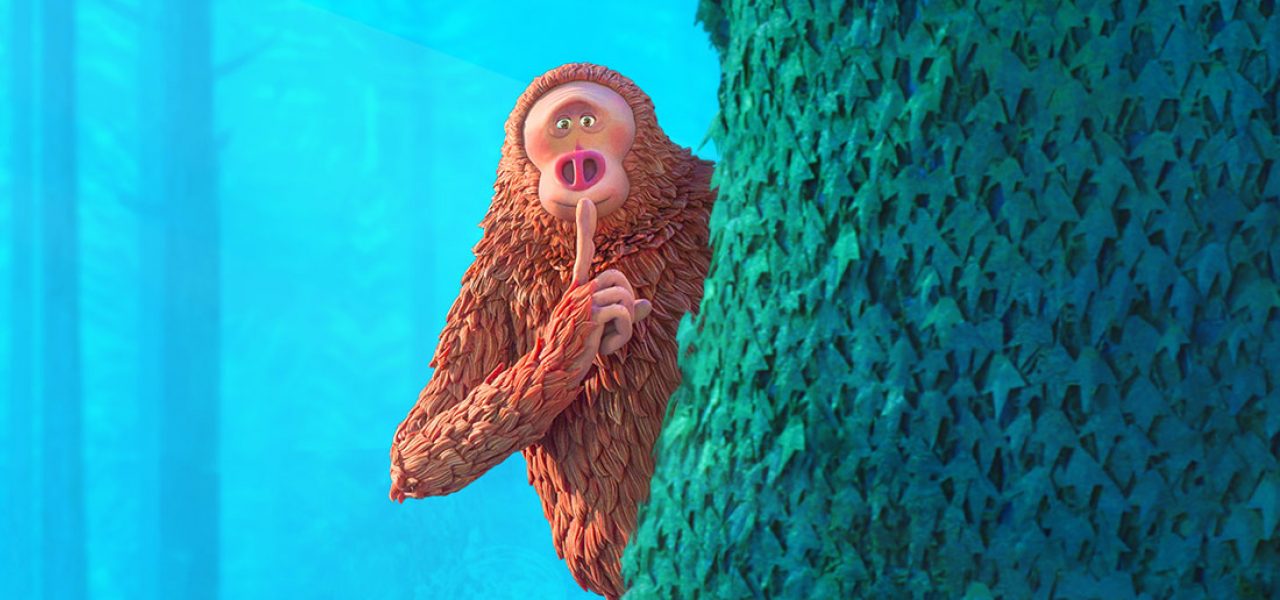
So, there’s this great animated movie that no one saw. It probably isn’t entertaining enough for the littlest kids, but everyone else should see it. There’s also a middling action flick and a sad, sad reboot.
Lots going on this week in theaters. We talk through Crawl, Stuber, Darlin’, Wild Rose, and Toni Morrison: The Pieces I Am. We also cover what’s new in home entertainment.
Even as a child, Bill Perks felt the need to be a pack rat., saving and categorizing mementos from throughout his life. Usually, the interest for such an archive is limited to friends and family. Not this time.
After a trouble relationship with his father, Bill Perks created a new identity for himself as Bill Wyman, and The Quiet One opens his vaults for a look inside the life of the original bass player of The Rolling Stones.
Wyman has quite a collection to show you, and director Oliver Murray assembles it all dutifully. Anchored by Wyman himself as the wistful curator in an office full of artifacts, it’s not long before we understand a youthful Keith Richards remarking to the camera, “If I want to know what I did yesterday, I have to ask Bill Wyman.”
Wyman’s devotion to documenting his life becomes both a blessing and a curse for Murray”s documentary. For Stones aficionados (like myself, admittedly) the videos, photos, interviews and memories create a true insider’s tour through the history of one of the greatest rock bands of all time.
For anyone else, the film might resemble an unassuming tour guide pointing things out at the Rock and Roll Hall of Fame.
In a band with Mick and Keith (and later, even Ron Wood), Wyman’s nickname was never going to be the Charismatic One. But now, at 82 and retired, he’s like the weary grandfather proudly showing you his keepsakes.
They are some pretty amazing keepsakes, no doubt. But only at the end of the film, when Wyman recounts a backstage meeting with his hero Ray Charles, does Wyman really let you in.
It’s only a rock and roll doc, but a little more of that honest insight and we could love it.
Not a terrible week in home entertainment, actually. And also not a bad week to avoid the oppressive weather, sit on the couch with a chilly beverage and enjoy.
Today we talk through movies that do not make European trips seem wise. We also talk through the ten best films of the first half of 2019 and what’s new in home entertainment.
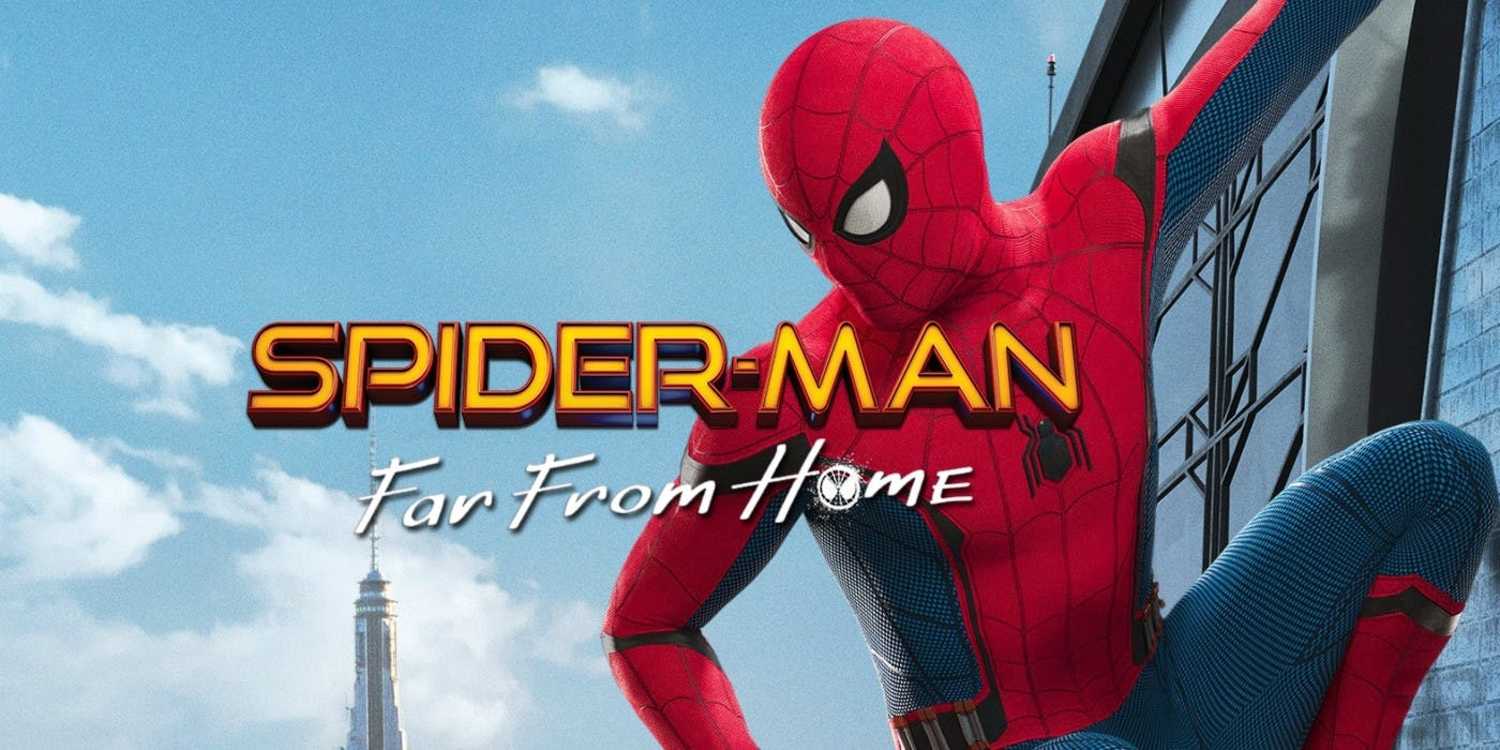
Spider-Man: Far From Home has more than a webshooter up its sleeve.
One part reflection on the state of MCU, one part statement on our cartoonishly ridiculous world today, one part charming coming-of-age tale, the latest Spidey episode almost takes on more than it can carry. But return writers Chris McKenna and Erik Sommers embrace franchise strengths while betting director Jon Watts, also back from Homecoming, can maneuver slick surprises.
The wager pays off, and Far From Home winds up being a film that feels a bit campy for a while, but in retrospect succeeds precisely because of those early over-the-top moments.
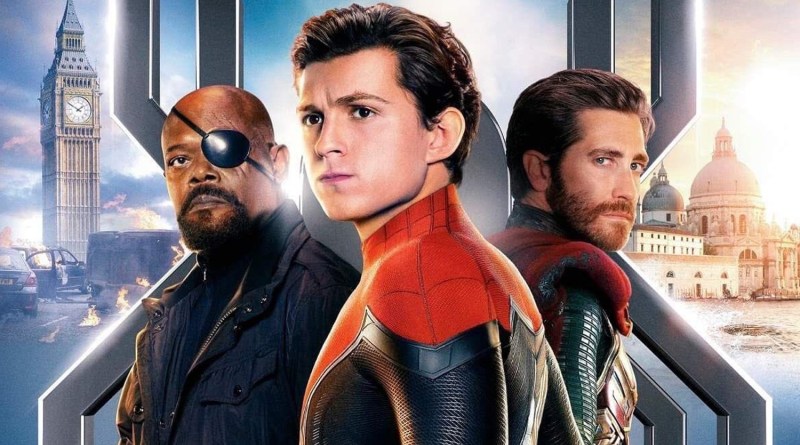
Peter Parker (the immeasurably charming Tom Holland), having returned from oblivion (Infinity War), then universal salvation and personal loss (Endgame), would like a vacation. The poor kid just wants to take a trip abroad with his class and get a little closer to his crush MJ (Zendaya).
But that is not to be, is it?
Not with Nick Fury (Samuel L. Jackson) following him across the globe, or the surprise appearance of Quentin Beck aka Mysterio (Jake Gyllenhaal), a new monster-slayer from another Earthly dimension.
“You mean there really is a multi-verse?”
That’s a nice nod to the stellar animated Spidey adventure from last year, and a big clue about how self-aware this chapter is determined to be. The front and center ponderings about what Peter (and by extension, Marvel) is going to do now threaten to collapse the film from self-absorption.
To the rescue: a jarring and unexpected pivot, and that wonderfully youthful vibe that now has one eye on growing up.
Interestingly, Tony Stark fills in for the guilt-inducing father figure that’s always been missing from this iteration of Peter Parker’s tale. Without Uncle Ben, Stark becomes that hallowed hero whose shadow threatens to obliterate the fledgling Avenger.
Peter’s still a teenager, after all, and Homecoming soared from embracing that fact, and from Holland’s ability to sell it in all its wide-eyed and awkward glory.
He still does, but now our hero’s naiveté is shaken by some mighty timely lessons. Number one: “It’s easy to fool people when they’re already fooling themselves.”
Not exactly subtle, but fitting for the world of a distracted teen. And for kids of all ages, there’s no denying how cathartic it is to see world leaders, their media lapdogs and widespread buffoonery on blast and blasted across the largest screens, where good will inevitably conquer.
As fun and funny as this keep-you-guessing Eurotrip is, its core is driven by a simple search for truth. And don’t leave early, because that search doesn’t stop until Far From Home plays its second post-credits hand, and you walk out re-thinking everything you just saw.
Is it really that time already? Yes, 2019 is half over and that means taking a gander backward to appreciate the horror we’ve witnessed thus far. Two first film filmmakers leave a mark while three of the greats remind us why they have that ranking.
5. Climax
Hey, club kids, it’s a Gaspar Noe dance party! And you know what that means: a balls-out psychedelic bacchanal soaked in body fluids, drugs and EDM.
Noe’s usual reliance on extended takes, stationary cameras and overhead shots makes the dance sequences utterly intoxicating, the performers’ energy creating exciting visual beauty and a palpable exuberance for their art. These seductive odes to dance are interspersed with sometimes graphically sexual conversations between the dancers, sharpening character edges and laying down an interpersonal framework that will soon be turned on its head.
In what seems like an instant, suspicion, mob rule and primal desire
overtakes the company. The dancers’ movements become monstrosities bathed in
pulsating rhythms, visual disorientation, wanton violence and illicit sex.
What spurred this sea change, and who is to blame? Noe turns that mystery
into a greater conversation about the opportunity of birth, the impossibility
of life and the extraordinary experience of death, and as is his wont, batters
your senses while doing it.
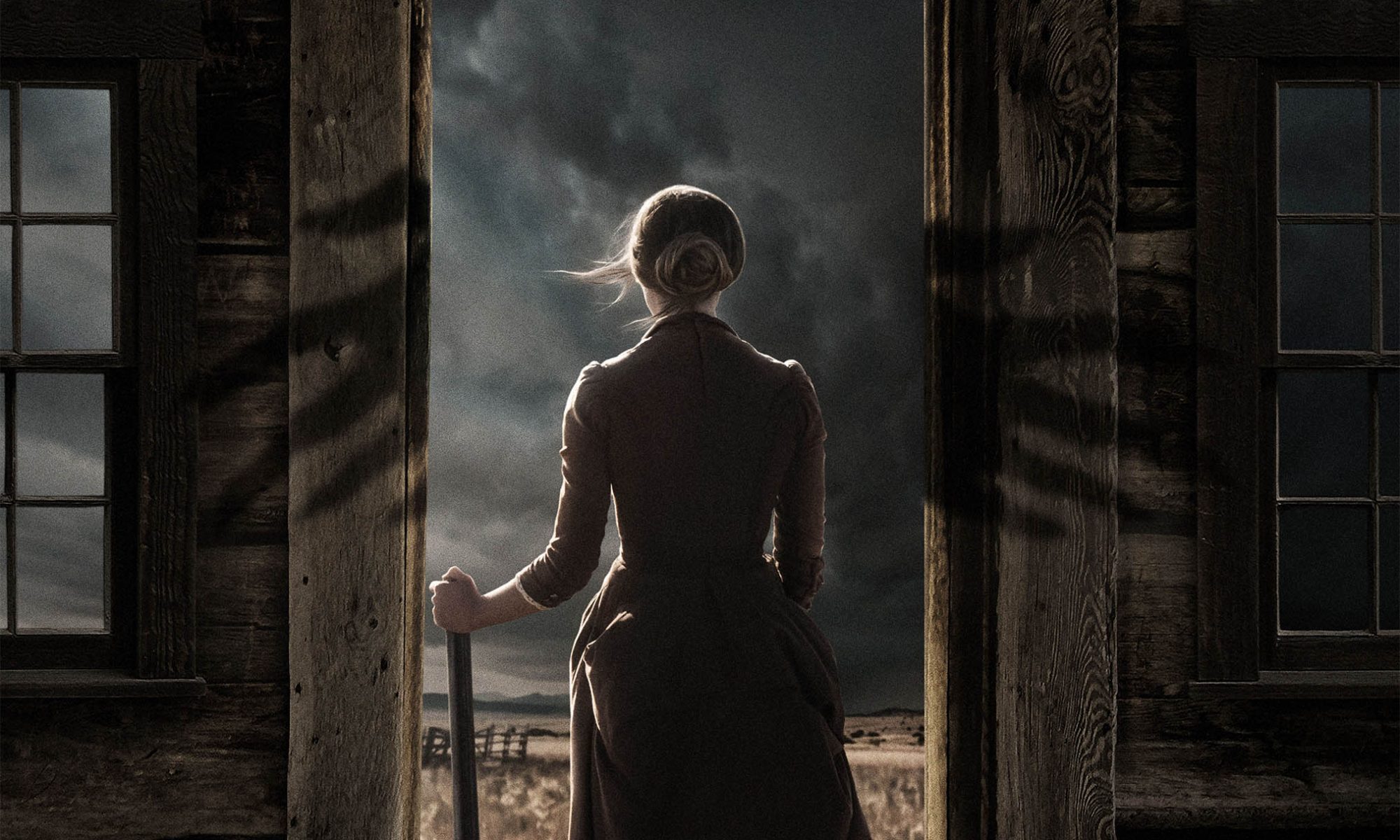
4. The Wind
Lizzy and Isaac Macklin (Caitlin Gerard and Ashley Zukerman, respectively) are
relieved to see smoke coming from a distant chimney. The only other cabin for
miles has been empty a long while, and the prairie does get lonesome.
But companionship and burden go hand in hand for Lizzy, and company won’t
chase away all the demons plaguing this harsh land.
Working from a spare script by Teresa Sutherland, Tammi develops a
wonderfully spooky descent into madness. Throughout Lizzy’s isolation, Tammi
swaps images onscreen from present moment reality to weeks earlier, to months
earlier, to a present-day hallucination or specter and back again. The looping
time frame and repetitive imagery turn in on themselves to create a dizzying
effect that echoes Lizzy’s headspace.
3. Hagazussa
Making a remarkably assured feature debut as director, Lukas Feigelfeld
mesmerizes with his German Gothic poetry, Hagazussa: A Heathen’s Curse.
Settled somewhere in the 15th Century Alps, the film shadows lonely, ostracized women struggling against a period where plague, paranoia and superstition reigned.
It would be easy to mistake the story Feigelfeld (who also writes) develops as a take on horror’s common “is she crazy or is there malevolence afoot?” theme. But the filmmaker’s hallucinatory tone and Aleksandra Cwen’s grounded performance allow Hagazussa to straddle that line and perhaps introduce a third option—maybe both are true.
The film lends itself to a reading more lyrical than literal. Feigelfeld’s influences from Murnau to Lynch show themselves in his deliberate pacing and the sheer beauty of his delusional segments. He’s captured this moment in time, this draining and ugly paranoia that caused women such misery, with imagery that is perplexingly beautiful.
2. The Dead Don’t Die
Jim Jarmusch’s zombie film never loses its deadpan humor or its sleepy, small town pace, which is one of The Dead Don’t Die‘s greatest charms. Another is the string of in-jokes that horror fans will revisit with countless re-viewings.
But let’s be honest, the cast is the thing. Murray and
Driver’s onscreen chemistry is a joy. In fact, Murray’s onscreen chemistry with
everyone—Sevigny, Swinton, Glover, even Carol Kane, who’s dead the entire film—delivers
the tender heart of the movie.
Driver out-deadpans everyone in the film with comedic delivery I honestly did not know he could muster. Landry Jones also shines, as does The Tilda. (Why can’t she be in every movie?)
Though it’s tempting to see this narrative as some kind of metaphor for our current global political dystopia, in fairness, it’s more of a mildly cynical love letter to horror and populist entertainment.
Mainly, it’s a low-key laugh riot, an in-joke that feels inclusive and the most quotable movie of the year.
1. Us
From a Santa Cruz carnival to a hall of mirrors to a wall of rabbits in cages—setting each to its own insidious sound, whether the whistle of Itsy Bitsy Spider or Gregorian chanting— writer/director Jordan Peele draws on moods and images from horror’s collective unconscious and blends them into something hypnotic and almost primal.
Even as Peele lulls us with familiar surroundings and visual quotes from The Lost Boys,Jaws, then Funny Games, then The Strangers and Night of the Living Dead and beyond, Us is far more than a riff on some old favorites. A masterful storyteller, Peele weaves together these moments of inspiration not simply to homage greatness but to illustrate a larger, deeper nightmare. It’s as if Alice’s Adventures in Wonderland turned into a plague on humanity.
Do these evil twins represent the darkest parts of ourselves that we fight
to keep hidden? The fragile nature of identity? “One nation” bitterly
divided?
You could make a case for these and more, but when Peele unveils his coup de
grace moment (which would make Rod Serling proud), it ultimately feels like an
open-ended invitation to revisit and discuss, much like he undoubtedly did for
so many genre classics.
While it’s fun to be scared stiff, scared smart is even better, a fact
Jordan Peele has clearly known for years.