Quiet poetry is hardly what we’ve come to expect from a surf movie. But actor-turned-director Simon Baker offers exactly that in his elegantly familiar coming-of-age story, Breath.
Based on Tim Winton’s novel, the film follows two mates in coastal Australia as their childhood friendship faces the snarls of the onset of adulthood.
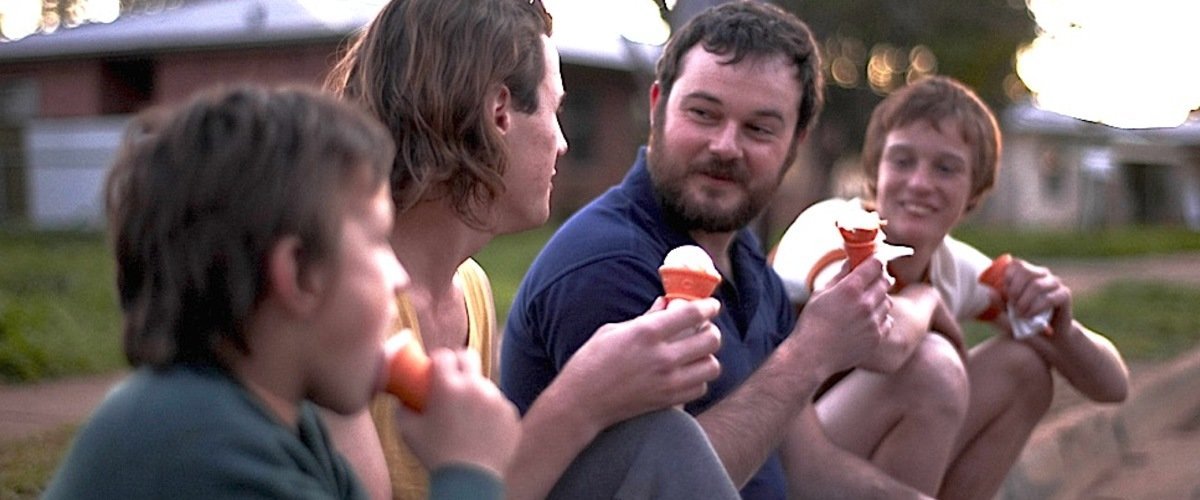
Pikelet (Samson Coulter) —a beautiful gangle of limbs and promise—is the only child of a humble but loving family. He and Loonie (Ben Spence) are inseparable, though their futures are destined to veer in wildly different directions. Before that happens, they will tumble toward adulthood on some dangerous waves.
The lads find an unlikely mentor in the form of a bohemian surfer. Bodhi…no, I’m lying. His name is Sando (Baker), and for every one of Point Break’s Hollywood-slick moments of waves, wisdom and gleaming tan, Sando offers authentic surf-tossed ruggedness and reflection.
This film is less about that one big one, the one that’ll make you famous. It’s entirely about the journey, the solitude and the fear—what an individual can make of those elements, what those elements make of an individual. It’s about life.
The young actors’ performances are wonderfully true and fresh, each easily articulating those days immediately before adulthood claims a child, determining his inevitable direction. Breath is most at home as these two boys bristle and bond, but slightly less honest as they separate and explore the world’s dangerous secrets on their own.
The lads are full of promise, though you can already see a darker path for one. The adults onscreen, including Sando and his wife Eva (played with appropriate chill by Elizabeth Debicki), represent the many possible ways that journey could go wrong.
Though Baker directed a number of episodes of his TV show The Mentalist, Breath represents his first venture into feature filmmaking. He shows a knack for authenticity and understatement—two elements sorely lacking in coming-of-age dramas, not to mention surf films.
Even the way he captures the water evokes the idea of imperfection and wonder, unlike those crystal blue, foaming tubes we’ve become used to.
It works well with Winton’s words, adapted for the screen by Gerard Lee. Both he and Baker seem to have crafted the entire, lovely effort around one nearly perfect line: Never had I seen men do something so beautiful, so pointless and elegant, as if dancing on water was the best and brightest thing a man could do.
Well, not a lot to boast about in home entertainment this week. What we recommend is binging all the films of Justin Benson and Aaron Moorehead: Resolution, Spring and—available to stream or bring home this week—The Endless. The other options this week suck pretty hard.
Hey! We’re back with a look at the latest in the dino-series, Jurassic World: Fallen Kingdom. We don’t like it. We much prefer The Catcher Was a Spy, American Animals and Izzy Gets the F*ck Across Town. We talk through what’s what in home entertainment, as well.
If you don’t know director J.A. Bayona, that’s unfortunate. His first three feature films—The Orphanage, The Impossible and A Monster Calls—emphasized storytelling skills that were equal parts visceral and poetic.
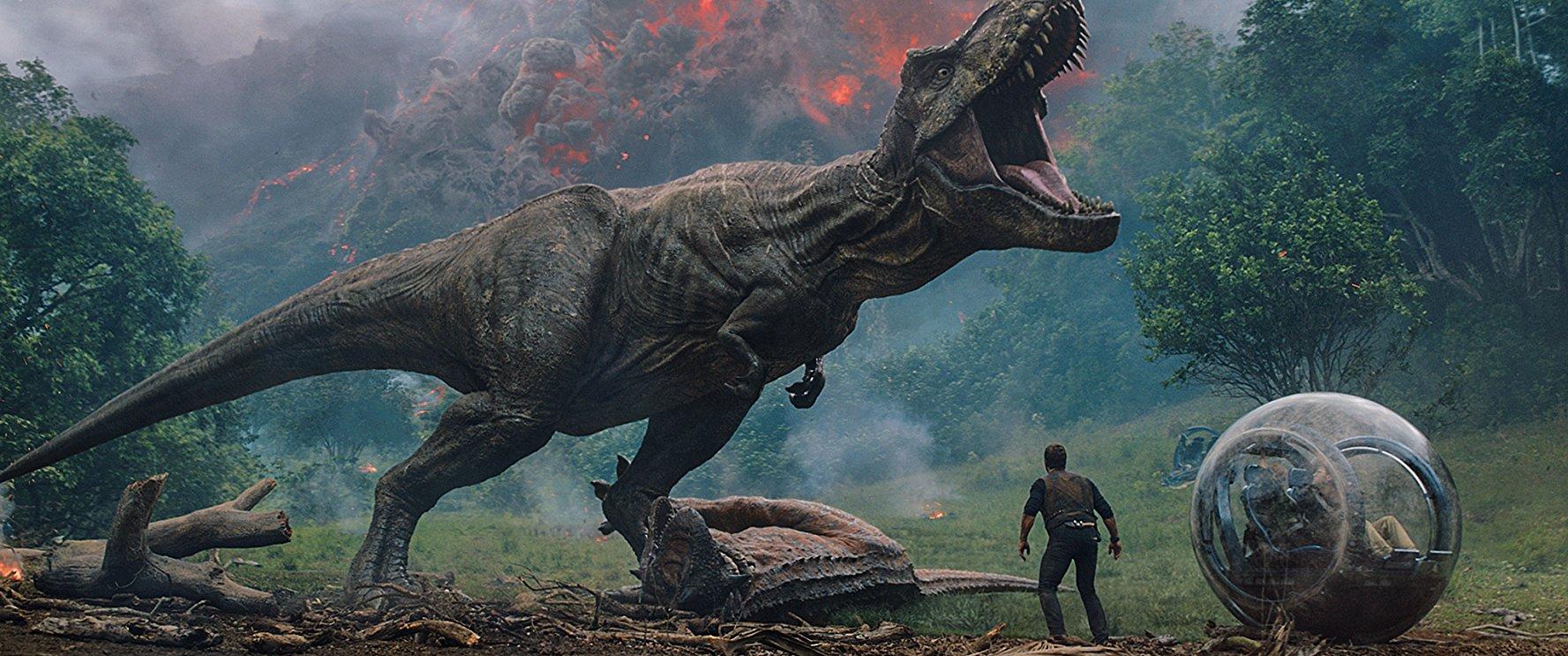
He picks up the Jurassic mantle with the latest in the franchise, Jurassic World: Fallen Kingdom. The visceral part seems likely, but dinosaur poetry? Sadly, no.
It’s been a few years since toothy, carnivorous hell broke loose on the island theme park Jurassic World. Though the un-Jurassic world has left those dinosaurs alone on their island—mostly—the island itself seems to be self-selecting extinction for the beasts, its now-active volcano an immediate threat to their very survival.
Claire Dearing (Bryce Dallas Howard) wants to save them. But how? I mean, dinosaurs are really big. Many of them bite. Interacting with them has proven dangerous and silly four different times. What’s a girl to do?
Well, put on some sensible shoes, for once, and take a deal from a dying old billionaire with a Hogwarts-style estate and a guilt complex. Benjamin Lockwood (James Cromwell), one-time partner of John Hammond (Richard Attenborough from the original film), wants to bring as many beasties as possible to a secluded island he owns where they’ll be safe.
Or is this just another example of idealistic lefties falling prey to greedy capitalists and scientists with their cadre of guns-for-hire?
It’s basically The Lost World with more volcano and less Vince Vaughn.
Howard’s Dearing—point of such contention in the previous installment with her severe hair, white pumps and icy demeanor just waiting to be melted by a real man—is simultaneously softer and stronger this time around. Howard, though, is mainly just dewy-skinned and earnest.
Chris Pratt returns as the real man in question, and he is as charmingly Chris Pratt as ever.
The real problem, besides the hackneyed and derivative story penned by Derek Connolly and Colin Trevorrow (who both penned Jurassic World, which Trevorrow directed), is Bayona’s tired direction.
Though he does not shy away from showing human carnage, there is not a fresh or compelling set piece in the film. What doesn’t feel directly lifted from earlier works plods along blandly, the only tension coming from the real curiosity about why the character hasn’t yet a) closed the door, b) climbed the ladder, c) run.
Yes, the sight of a volcano exploding on Hawaii (location for the filming) does generate some anxiety, and the sound of a child crying out near images of anything being caged against its will is even more horrific. It’s hard to credit Bayona for having his finger on the pulse of current events, though, given that he’d have completed shooting at least a year before our latest American shame.
Hell, dinosaurs would be a welcome change of pace at this point.
In 2012, director Bart Layton laid down one of the most compelling and nutty documentaries in recent history. His true crime doc The Imposter was one of those rare films that you could not predict nor could you turn away from. It was fascinating, and not just because the story was so wild, but because of Layton’s spry skills as a storyteller.
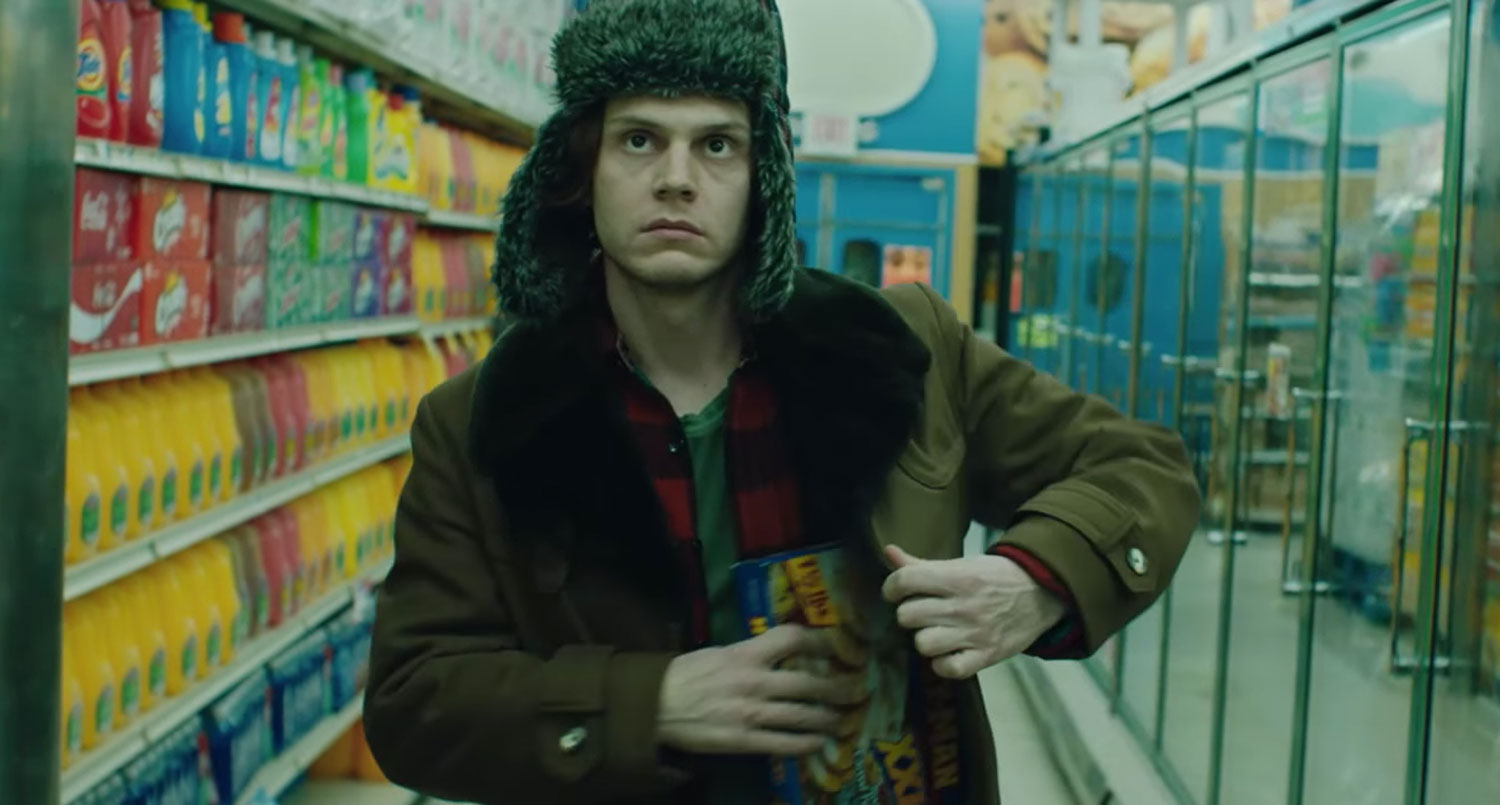
He’s again pulling from the world of true crime to tell a potent story with his latest, the narrative feature American Animals. The yarn he spins here: four perfectly reasonable, likable, comfortable college kids steal a set of pricey books from Transylvania University’s rare books collection, including Darwin’s original Origins of the Species and Audubon’s Birds of America.
The audacity of the plan itself is reason enough to pay attention. Buddies get the itch to do something big. Something life-changing. Consequences be damned. Or, more rightly, ignored.
Build from there with a truly talented group of young actors: Evan Peters (X-Men’s Quicksilver), Barry Keoghan (Killing of a Sacred Deer, Dunkirk – the kid can do no wrong), Jared Abrahamson (Sweet Virginia, Detour) and Blake Jenner (Everybody Wants Some).
Layton opens with text on screen: This is not based on a true story. The words “not based on” disappear, leaving: This is a true story.
A bold statement to make, and American Animals is as interested in the effect individual perspective plays on true stories as Craig Gillespie’s I, Tonya or Sarah Polley’s near-perfect 2012 documentary, Stories We Tell.
Once again, Layton blends fiction and nonfiction devices to question the possibility of honesty in storytelling. As he weaves from actors recreating the heist to the actual participants telling their versions of events, Layton poses intriguing questions about perspective and truth.
They aren’t questions he answers, though, or even truly explores.
The film works best when it digs into the American preoccupation with unlimited potential, the individual’s specialness. The four young men who risk their futures unnecessarily suffer from that curse of the restlessly entitled.
As you watch the inevitable collapse of a reckless gang of kids’ movie-inspired heist, American Animals suggests depth and introspection but feels more like it’s grasping for a suitable ending, an appropriate way to cap all this madness with a bit of insight.
The problem with the film is the problem with the heist itself: it was fun while it lasted, but was there really a purpose?
Dude, it’s the heat of the summer. No better way to escape all that hair-frizzing humidity than by lounging about in your own home watching movies. We understand. This week, you can choose from new indie comedies, horror, dramedies and straight up trash. Let us help.
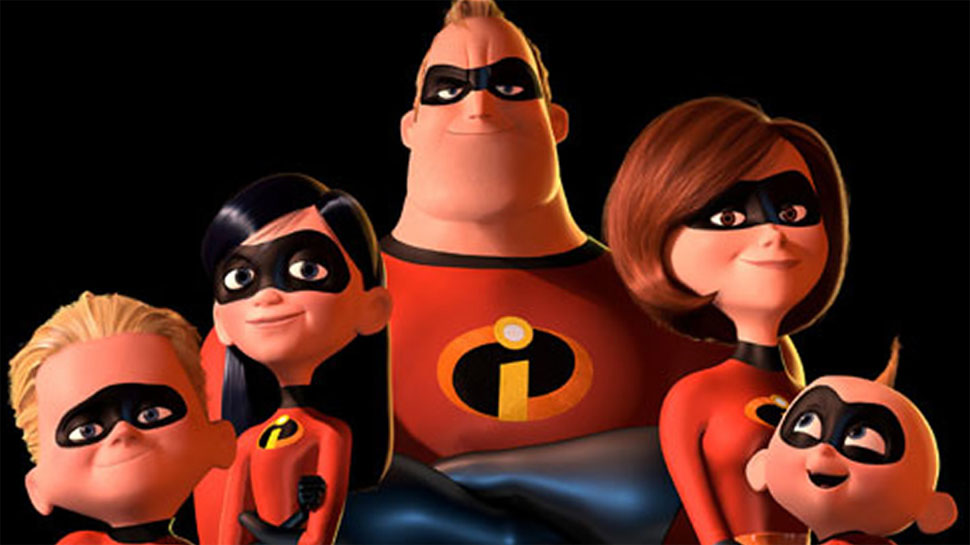
On this week’s podcast, Hope and George disagree about Pixar’s latest, Incredibles 2. They also talk through Tag, SuperFly, A Kid Like Jake, Feral, The Seagull and what’s new in home entertainment.
Part of the fun of horror is to be able to separate yourself from the images onscreen. The old “this could never really happen” thing helps us sleep at night. But there are some films that rob you of that safety net, burrowing under your skin and into your subconscious specifically because you are convinced that it could definitely happen—maybe it already has.
Today we salute realism in horror with five films to give you nightmares.
5. Nothing Bad Can Happen (2001)
This film is tough to watch, and the fact that it is based on a true story only makes the feat of endurance that much harder. But writer-director Katrin Gebbe mines this horrific tale for a peculiar point of view that suits it brilliantly and ensures that it is never simply a gratuitous wallowing in someone else’s suffering.
Tore (Julius Feldmeier) is an awkward teen in Germany. His best friend is Jesus. He means it. In fact, he’s so genuine and pure that when he lays his hands on stranded motorist Benno’s (Sascha Alexander Gersak) car, the engine starts.
Thus begins a relationship that devolves into a sociological exploration of button-pushing evil and submission to your own beliefs. Feldmeier is wondrous—so tender and vulnerable you will ache for him. Gersak is his equal in a role of burgeoning cruelty. The whole film has a, “you’re making me do this,” mentality that is hard to shake. It examines one peculiar nature of evil and does it so authentically as to leave you truly shaken.
4. Open Water (2003)
Jaws wasn’t cinema’s only powerful shark horror. In 2003, young filmmaker Chris Kentis’s first foray into terror is unerringly realistic and, therefore, deeply disturbing.
From the true events that inspired it to one unreasonably recognizable married couple, from superbly accurate dialog to actual sharks, Open Water’s greatest strength is its unsettling authenticity. Every element benefits from Chris Kentis’s control of the project. Writer, director, cinematographer and editor, Kentis clarifies his conception for this relentless film, and it is devastating.
A couple on vacation (Blanchard Ryan and Daniel Travis) books a trip on a crowded, touristy scuba boat. Once in the water, they swim off on their own – they’re really a little too accomplished to hang with the tourists. And then, when they emerge from the depths, they realize the boat is gone. It’s just empty water in every direction.
Now, sharks aren’t an immediate threat, right? I mean, tourist scuba boats don’t just drop you off in shark-infested waters. But the longer you drift, the later it gets, who knows what will happen?
3. The Snowtown Murders (2011)
John Bunting tortured and killed eleven people during his spree in South Australia in the Nineties. We only watch it happen once on film, but that’s more than enough.
Director Justin Kurzel seems less interested in the lurid details of Bunting’s brutal violence than he is in the complicated and alarming nature of complicity. Ironically, this less-is-more approach may be why the movie leaves you so shaken.
An unflinching examination of a predator swimming among prey, Snowtown succeeds where many true crime films fail because of its understatement, its casual observational style, and its unsettling authenticity. More than anything, though, the film excels due to one astounding performance.
Daniel Henshall (also in Babadook) cuts an unimpressive figure on screen – a round faced, smiling schlub. But he brings Bunting an amiability and confrontational fearlessness that provides insight into what draws people to a sadistic madman.
https://www.youtube.com/watch?v=qcoCTA2IZ7c
2. Hounds of Love (2016)
Driven by a fiercely invested and touchingly deranged performance from Emma Booth, Hounds of Love makes a subtle shift from horrific torture tale to psychological character study. In 108 grueling minutes, writer/director Ben Young’s feature debut marks him as a filmmaker with confident vision and exciting potential.
It is the late 1980s in Perth, Australia, and at least one young girl has already gone missing when the grounded Vicki (Ashleigh Cummings) sneaks out her bedroom window to attend a party. This isn’t nearly as dumb a move as is accepting a ride from Evie White (Booth) and her husband John (Stephen Curry).
As the couple dance seductively and drink to celebrate, Young disturbingly conveys the weight of Vicki’s panicked realization that she is now their captive. It is just one in a series of moments where Young flexes impressive chops for visual storytelling, utilizing slo-motion, freeze frame, patient panning shots and carefully chosen soundtrack music to set the mood and advance the dreadful narrative without a spoken word.
And then, just when you might suspect his film to wallow in the grisly nature of the Whites’ plan for Vicki, Young turns to dialog sharp enough to upend your expectations, and three vivid characters are crafted in the suffocating dread of the White’s neighborhood home.
No doubt, events get brutal, but never without reminders that Young is a craftsman. Subtle additions, such as airplanes flying freely overhead to contrast with Vicki’s captivity, give Hounds of Love a steady dose of smarts, even as it’s shaking your core.
https://www.youtube.com/watch?v=UNEurXzvHqE
1. Texas Chainsaw Massacre (1974)
Not everyone considers The Texas Chainsaw Massacre a classic. Those people are wrong. Perhaps even stupid.
Tobe Hooper’s camera work, so home-movie like, worked with the “based on a true story” tag line like nothing before it, and the result seriously disturbed the folks of 1974. It has been ripped off and copied dozens of times since its release, but in the context of its time, it was so absolutely original it was terrifying.
Hooper sidestepped all the horror gimmicks audiences had grown accustomed to – a spooky score that let you know when to grow tense, shadowy interiors that predicted oncoming scares – and instead shot guerilla-style in broad daylight, outdoors, with no score at all. You just couldn’t predict what was coming.
He dashes your expectations, making you uncomfortable, as if you have no idea what you could be in for. As if, in watching this film, you yourself are in more danger than you’d predicted.
But not more danger than Franklin is in, because Franklin is not in for a good time.
So, poor, unlikeable Franklin Hardesty, his pretty sister Sally, and a few other friends head out to Grampa Hardesty’s final resting place after hearing the news of some Texas cemeteries being grave-robbed. They just want to make sure Grampy’s still resting in peace – an adventure which eventually leads to most of them making a second trip to a cemetery. Well, what’s left of them.
The 70s blaxploitation classic Super Fly was no masterpiece, but it was a provocative time capsule of flash, style and soulful soundtrack. Any attempt to recapture the spirit seems doomed to failure.
But Director X, with a decades-long career in flashy music videos showcasing the same kind of decadent lifestyle first glamorized by films like Super Fly, has the cred to take a good swing.
Plus, he throws in some Curtis Mayfield just when you missed him the most.
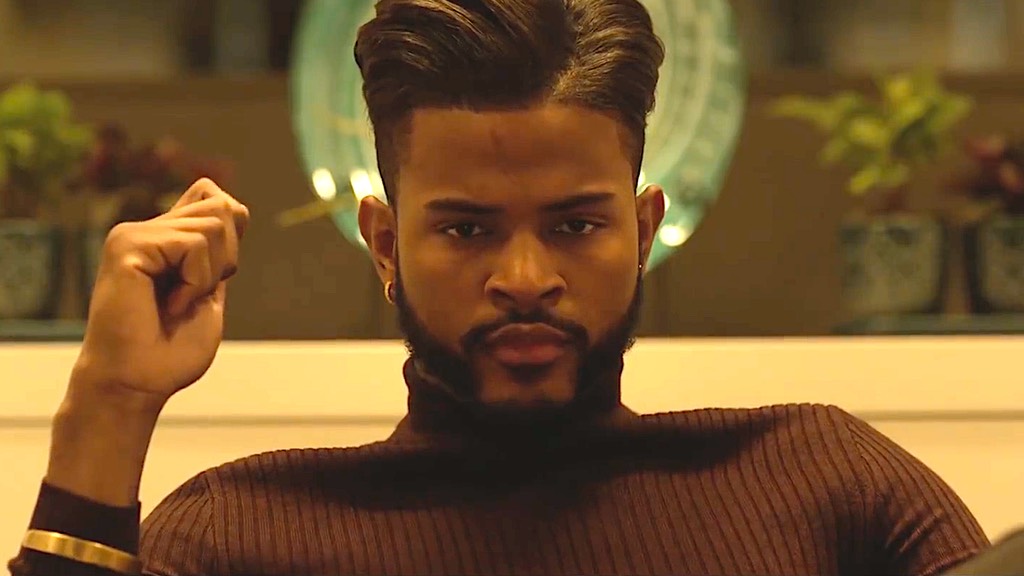
It’s clear X and screenwriter Alex Tse (Watchmen) are fans of Gordon Parks Jr.’s first and most important film. Tse is mostly, surprisingly faithful to the original. Youngblood Priest (Trevor Jackson) is a successful drug dealer who wants out while he still looks good, but The Man and an assortment of less-controlled colleagues complicate an already difficult process.
Less provocative than the original by a wide margin, X’s vision still takes some hard-earned enjoyment in scenes of comeuppance that are, unfortunately, as timely today as they were when Ron O’Neal outwitted corrupt New York detectives 46 years ago.
The update is marginally more respectful of women and boasts an impressive supporting cast including the always welcome Jason Mitchell, the always intimidating Michael Kenneth Williams, and a great turn by Esai Morales.
Oddly enough, that splashy support, which enlivens the film immeasurably, also helps to showcase its weakness—Jackson. There’s no conflicted soul inside that leather duster and skinny jeans, no tormented mind beneath that pompadour. Sure, O’Neal’s karate and cape now seem embarrassingly of-the-moment, but his performance evoked a restlessness and internal conflict that Jackson cannot manage.
A clever new image built on the skeleton of the groundbreaking ’72 film, SuperFly does not manage to provoke, intrigue or satisfy in the same way as the original. It does have style, though, and something relevant to say.
Here’s the thing about Feral. It’s a decent movie: well-paced, competently directed, solidly performed. And there is not a single interesting, novel, surprising or inspired moment in it.
Maybe one, but it’s not reason enough to make this movie.
Three handsome couples head into the woods. They get a little lost, decide to pitch tents and find the lake in the morning.
They hear a noise.
One of them goes out to pee.
There’s something dangerous in the woods.
Duh.
Co-writer/director Mark Young follows up half a dozen low budget, middling-to-poor horror and action films with this adequate take on a monster-in-the-woods tale.
The sole reason the film stands out in any way is that Young’s hero, Alice (Scout Taylor-Compton) is a lesbian. Equally refreshing, males are as likely as females to fall prey to the hungry forest beast.
Bravo the nonchalance with which this is depicted, as the film does not strain to call attention to the novelty of this final girl and hero twist.
Yes, it’s about time. And yet, maybe Feral needed at least one other thing to set it apart? Because as it is, it’s simply a checklist of cabin-in-the-woods horror tropes, faithfully rendered, right up to the waning moments of its running time.
Taylor-Compton offers a perfectly serviceable performance, as do most of the actors around her. Olivia Luccardi, Renee Olstead and Landry Allbright all work to provide something close to a second dimension to underwritten, throwaway characters.
Lew Temple is an always welcome sight as the—wait for it—hermit whose assistance in this situation is suspect.
Together, cast and director generate scares by relying less on imagination and more on your familiarity with the genre itself. Therefore, assuming you have ever seen a horror movie in your life, you will not be scared.
You’ll just be reminded for the thousandth time that camping is an undeniably stupid thing to do. That’s what I got out of it, anyway.