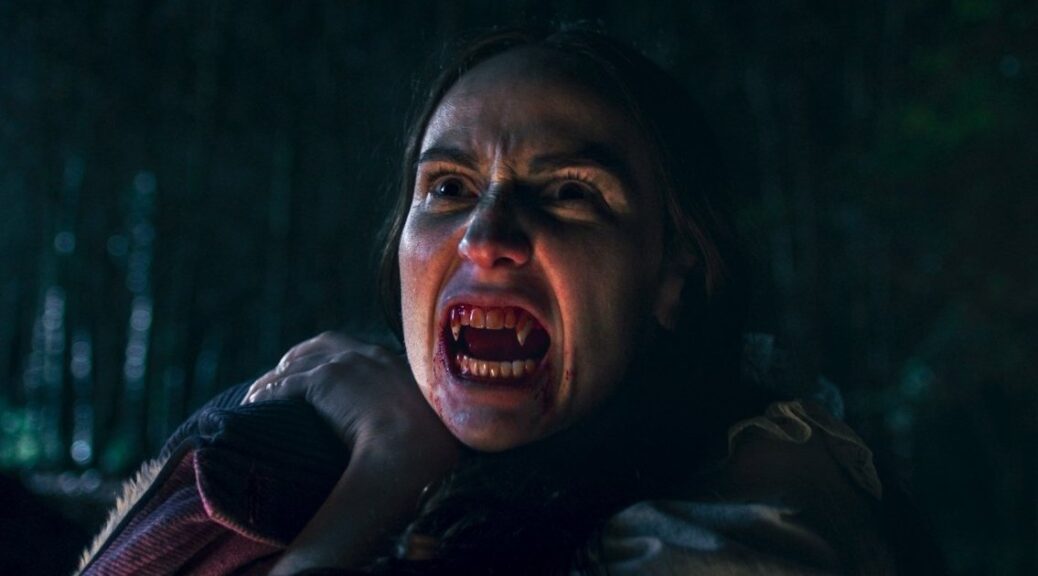
Horror owes Ireland a huge debt for vampires. Yes, basically every culture and nationality has a vampire myth, but Ireland gave us Dracula and Carmilla. Remmick is the coolest vampire to come along in decades. But those bloodsuckers are predated by some millennia by the Dearg Due, Ireland’s first vampire, who finally gets her cinematic due in Marco van Belle’s indie horror, Feed.
It’s been a year since Orla’s (Grace Collender) tragedy. Her influencer/bestie Nessa (Daisy Jelley) is sure that a week away in a remote Irish cottage will help bring Orla out of her depression, and if Nessa can take advantage of the beautiful spot for some posts, all the better.
This is essentially a cabin-in-the-woods horror, isolating five attractive young people of mixed gender in a natural, even primeval, setting.
Is it a tired set up? It is. Do filmmakers drag it out time and time again because it’s effective? Also yes. Locals are spooky, there’s no phone service, characters are out of their element, and a natural evil is disturbed.
An early-film flashback gives us a sense of what that evil is, but van Belle could mine the mythology more effectively. It would have more effectively set Feed apart from other films. Instead, we spend most of our time inside the cabin with the more predictable storyline.
The cast does a fine job of finding characters hiding in these fairly typical characters. Jelley is the most hamstrung as the vain best friend and failing influencer, but Clinton Liberty, as Orla’s boyfriend, struggles with the film’s most underwritten character.
Collender’s solid and both Rhys Mannion and Oskar Smith find nuance and personality for their characters. Naimh Hogan’s central villain has come cool trickery, but her presence lacks real terror. Charlotte Bradley, on the other hand, is effortlessly frightening as the innkeeper who’d rather keep the vampire.
It’s a good looking movie and van Belle uses the tools of the influencer within the vampire myth well. He just doesn’t break out of routine often enough to make Feed particularly memorable.
Is a horror film writer’s imagination creating real life carnage? Writer/director Spider One (Little Bites) asks the question in his latest, Big Baby.
Brandon Scott is Adam, an insecure but successful horror screenwriter who opens the film by listening to two dumbasses with a podcast say his latest movie is so bad that he should kill himself.
The point is not whether the movie is bad. The point is that Adam continues to listen. Then to stew and brood, even though his girlfriend Kate (Krsy Fox) reminds him that he’s too good to be bothered by these idiots. He’s kind of being a big baby.
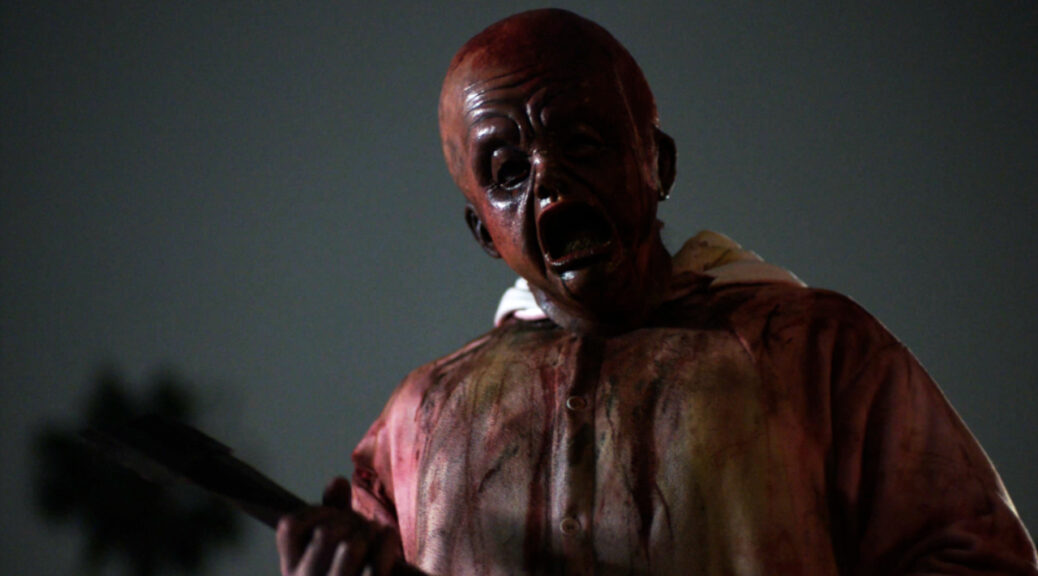
Cue the nightmares: a hulking brute in a crying baby mask axes Kate in half. And the only way Adam knows to deal with this nightmare…and the others…and the waking hallucinations…is to write a script about it.
Spider One takes advantage of Scott’s genuine talent to anchor a film with a lot of insights and jabs. When you write horror, people forever wonder what’s wrong with you. Big Baby digs into this, as characters in Adam’s script show up in his life begging for theirs. He can change their fate. He has the control.
It’s kind of a cross between In the Mouth of Madness and Stranger Than Fiction with the baby mask from Happy Death Day thrown in for good measure. And it’s often fun and more often compelling, again due mainly to Scott’s committed performance.
Fox turns in solid support in a part that generates the film’s real tension as Big Baby nudges toward toxic behavior and domestic abuse. Things get sloppy once the film focuses more deliberately on what it is that Adam’s writing.
Had the script’s story tied into the core story in any way, the final product could have been quite rich. Instead, we get a series of non sequitur murders. While the tension outside Adam’s script amps to a spectacular, yell-at-the-screen level, the parallel story within the script Adam’s writing squanders that energy.
The result is curiously unsatisfying. Even as Big Baby leaves room for sequels, we’ve lost interest in the tale it’s telling.
Writer, director, and star Robbie Banfitch crafts a unique, documentary-style film with his feature, Tinsman Road.
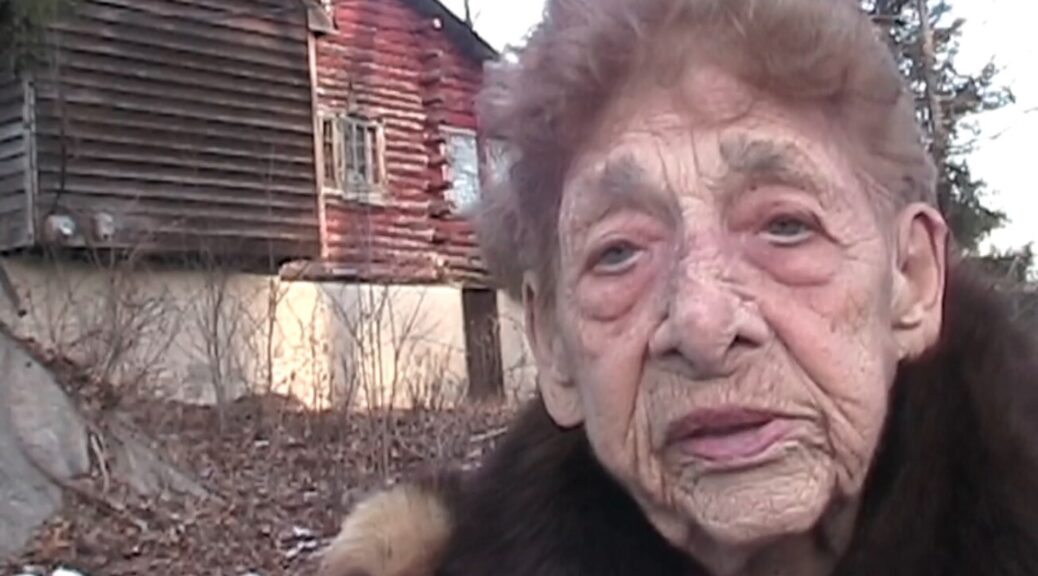
Banfitch plays Robbie Lyle, a documentarian focused on capturing his mother Leslie’s (Leslie Ann Banfitch) belief that her missing daughter is now an angel.
Leslie’s grief is tangible, and as the “documentary” progresses, her hold on reality seems more and more tenuous. Her belief that her daughter is now a visiting angel is met with tender skepticism by her son. When she asks if he believes in psychics, she answers his no with the assurance that while “some are scams,” hers is real.
Leslie Banfitch’s naturalism helps sell the documentary approach. Her ability to fully encompass a woman who believes her missing daughter now haunts her life is not only heartfelt but convincing. Her performance sets the film apart from similar, weaker fare. Robbie’s own grief feels two-fold. Not only does he also mourn the loss of his sister but feels helpless in helping his mom with her grief. It’s a heart wrenching dilemma.
Eerie elements underscore the fact that, while this is a movie about a grieving family, it’s also a horror film. It’s these subtleties from the very beginning that slowly suck you in. The film also pulls artfully from the true crime genre.
The camera work and low-budget quality of the movie both heighten the tension and add to the sorrow surrounding the characters. Though the style has certainly been overused in the horror genre, Banfitch manages to make it feel like a necessary choice.
Certain moments feel unnecessary, but they’re few and far between. The removal of one or two scenes may have helped tighten pacing. But these are small imperfections, easy to overlook.
Tinsman Road‘s slowly building dread gives way to a shattering climax. The intensity of the third act is stomach churning, especially after the quiet meditation on grief that came before it. Banfitch rewards your patience with the finale.
Grief and horror have often gone hand in hand, and Banfitch offers up a worthy contribution.
Director Evan Miller focuses his attention on a desperate Woman in his first feature film, Due West.
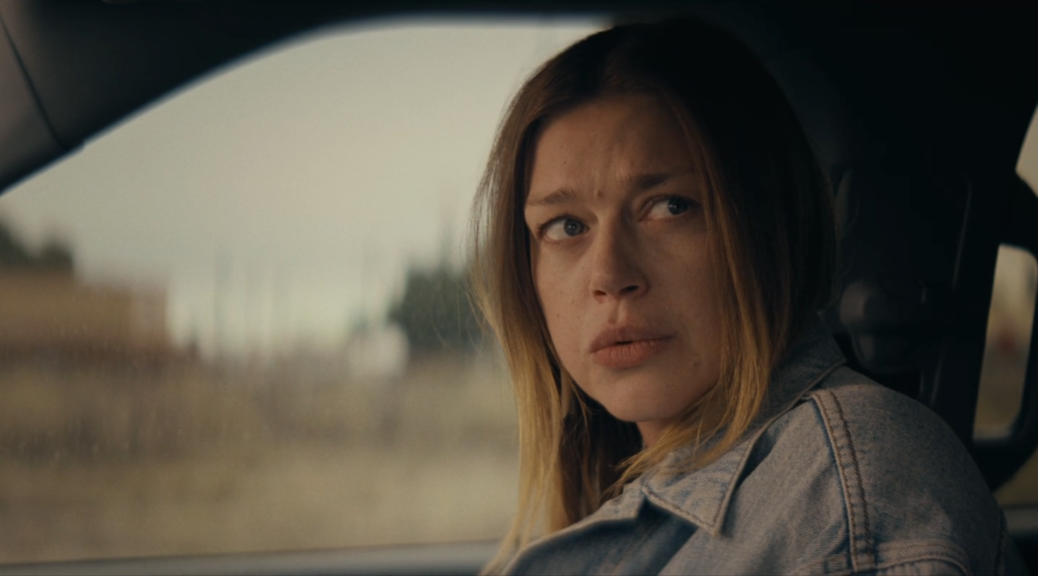
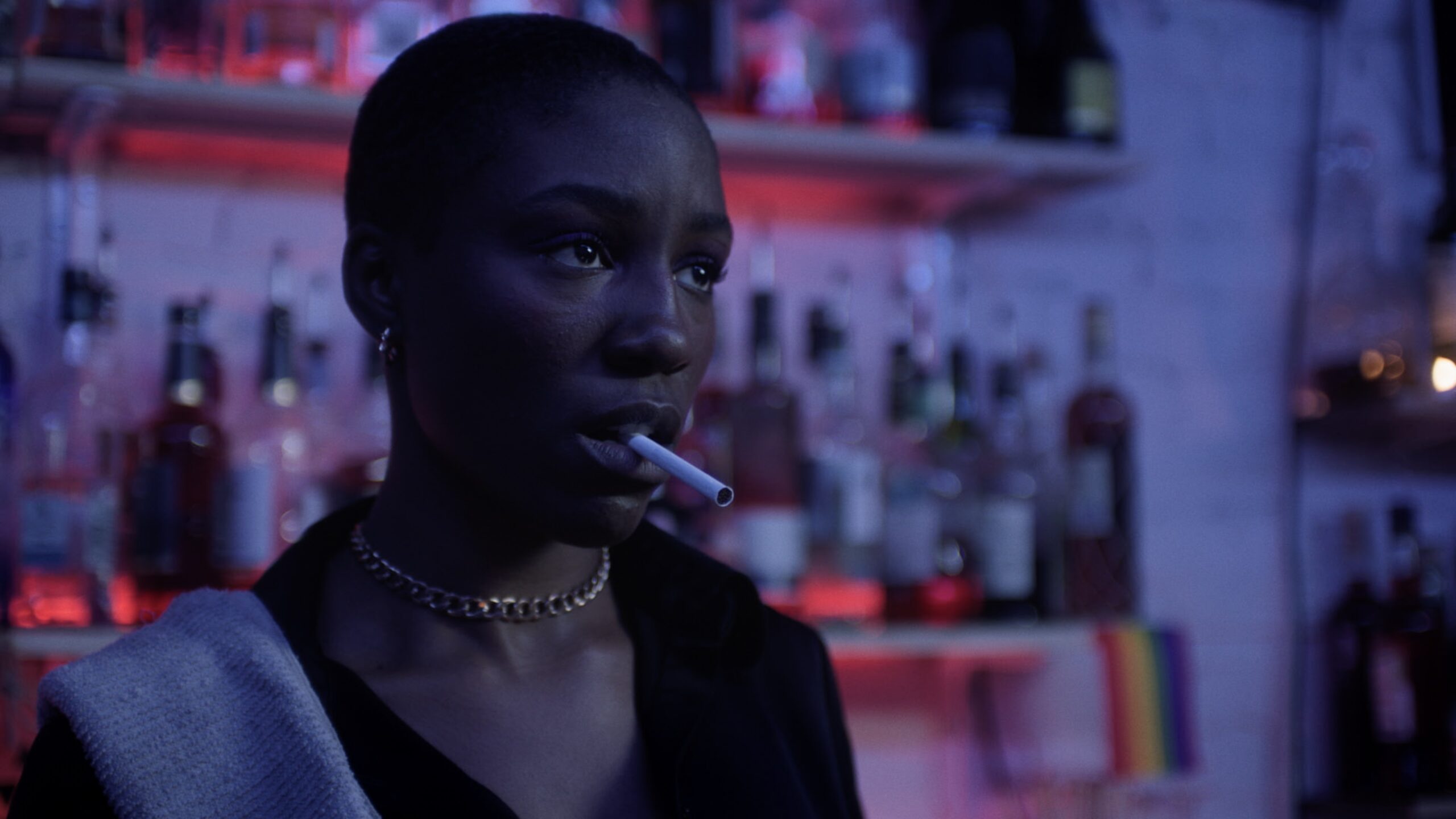
Co-writing with Hardy Janson, Miller opens the film by letting the camera rest on a solitary woman standing outside a quiet bar. This unnamed Woman (Adrianne Palicki) smokes, taps her foot nervously against the wall, and waits for a text that tells her she will need $700 by tomorrow.
It’s not much to go on, but it’s clear from the tension that bleeds from every gesture and expression from the Woman that this is a steep sum of money. And money she desperately needs.
It’s hard not to be hooked as we follow her from moment to moment. Even as two bar patrons shoot the shit with a female bartender, our gaze never strays from our protagonist for long. When she re-enters the bar, her anxious body language belies the smile on her face.
Though not explicitly stated, it’s easy to figure out why the Woman needs the money. The sum, the cryptic texts, and the command to text from a burner phone when she reaches her destination speak to a procedure recently made illegal in many states after a certain, damaging Supreme Court ruling.
The film’s dialogue, at times, is stunning. It brings with it snatches of backstory, life lived in a small town in West Texas, where the people know your business whether you want them to or not. Especially when you don’t want them to. Sadly, there are also times when it leaves subtlety behind – to the film’s detriment.
The second half of the film is when it starts to fall apart. Though our sympathy lies with the protagonist, as we learn more of her story, as she makes certain choices, judgment bleeds into the film. It ends up making a statement that there is a “right” type of situation when a certain procedure is justified. Whether intentional or not, it’s a harmful choice for a film to make when women deserve the right to care regardless of the why.
It’s hard to do something new with the “pregnant with Satan’s baby” formula. There are only so many ways it can go, and you can’t hope to unseat Rosemary’s Baby. But writer/director Houston Bone and a game cast breathe weird life in this oft-told tale.
Sara (Chloe Van Landschoot) is very pregnant. Overdue, huge, and constantly vomiting, she’s ready to be done. Her devoted girlfriend Carol (Tymika Tafari) takes good care of her. Still, Sara’s definitely not entirely OK.
She runs into Troy (Garrett Hnatiuk), the pre-Carol fling and baby daddy, and feels strangely compelled to take him up on his offer of dinner. Back at his house. Out in the middle of nowhere. With his mom (Jane Moffat).
While moments of Act 1 smack of cliché —certainly that package of bloody ground chuck in the refrigerator—Bone’s script and his actors’ talent, plus Sara’s convincing pregnant state, keep you invested.
Bone gives his cast breathing room, never rushing a scene, always lingering just long enough for someone to be intriguing. That could be Hnatiuk’s awkwardly seductive dancing, Tafari’s disdainful glare, Moffat’s contemptuous sneer, or Landschoot’s childlike gesturing. The chemistry between and among the actors is top notch, and the way they inhabit their characters ensures even formulaic scenes feel unusual and fresh.
Son of Sara is not a spendy affair, but it rarely feels trapped by its budget. Bone and crew make great use of what funds they do have, and the filmmaker’s instinct for relationship-driven humor and discomfort overcome nearly every cinematic setback.
Even if a few beats buckle under familiarity, the underlying change in theme quietly upends a status quo expectation in enormously enjoyable ways. Son of Sara has an F-you quality to it that doesn’t draw attention to itself and is all the more satisfying for it. It’s fun, tightly constructed, compellingly performed horror and you’re out in under 90 minutes. What do you have to lose?
I was cautiously optimistic about The Dink, Josh Greenbaum’s feature that pits the elegant sport of tennis against goofy good time of pickle ball. It seemed like a funny concept.
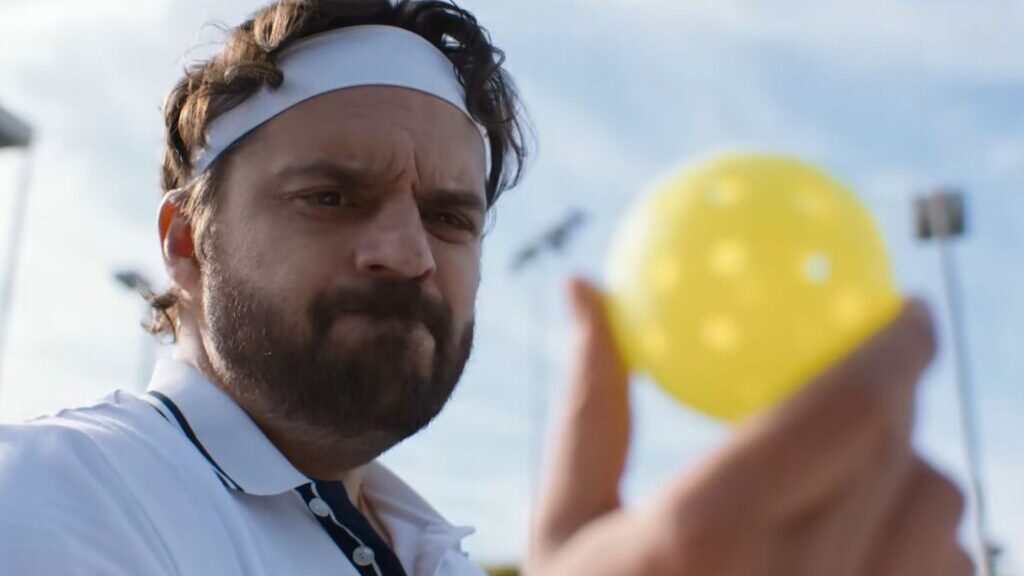
Jake Johnson plays one-time tennis phenom Dustin Boyd, also known as the Hammer because that was the name his dad (Ed Harris) gave him as a kid due to his incredible serve. But now, rolling through his 40s in his 1998 Dodge LeSabre and working at his dad’s country club as the junior tennis instructor, the Hammer’s hitting some hard times.
As luck would have it, Dad has hatched a plan to rid the club of the goofy menace that is pickle ball. Does it involve a tournament, one pickle baller vs one tennis player? Will the Hammer somehow screw up his opportunity to be that tournament tennis pro? Will he somehow find himself falling for pickle ball?
I’m not saying, but if you’ve ever seen either a sports film or a comedy, you may be able to guess. No, Sean Clements’s script doesn’t feel terribly fresh, but the sort of Dodgeball meets Caddyshack concept is immediately appealing.
Lower your expectations and you might enjoy the movie.
Johnson’s built a career on the likeable goof character, and he’s as endearingly off-putting here as anywhere. Greenbaum surrounds him with solid support. Harris, obviously, but the ensemble teems with comic talent: Mary Steenburgen, Patton Oswalt, Ben Stiller, Chris Parnell, and even more veterans in cameos.
The Dink opens on its funniest scene, of the Hammer and his sidekick bestie (Aaron Chen) regaling two unimpressed kids with tales of their instructor’s youthful glory. Both kids (Indiana Elle and Cayden Romero) are dry, droll comic gold.
Everything after that is formula broken occasionally by random comedy bits. Stiller’s doctor is preoccupied with the “stickyhoney” dating app. Oswalt’s pickle ball advocate wastes a lot of tiny paper cups. John McEnroe brings his own concessions. Nothing is laugh-out-loud funny, but all the silliness is delivered by such pros that you chuckle regardless.
The Dink doesn’t rank among the great sports comedies, surely, but you’ll crack a smile.
After her mother leaves, Clara is forced to take care of her little sister in director Matt Englebert’s feature, What Tomorrow Brings.
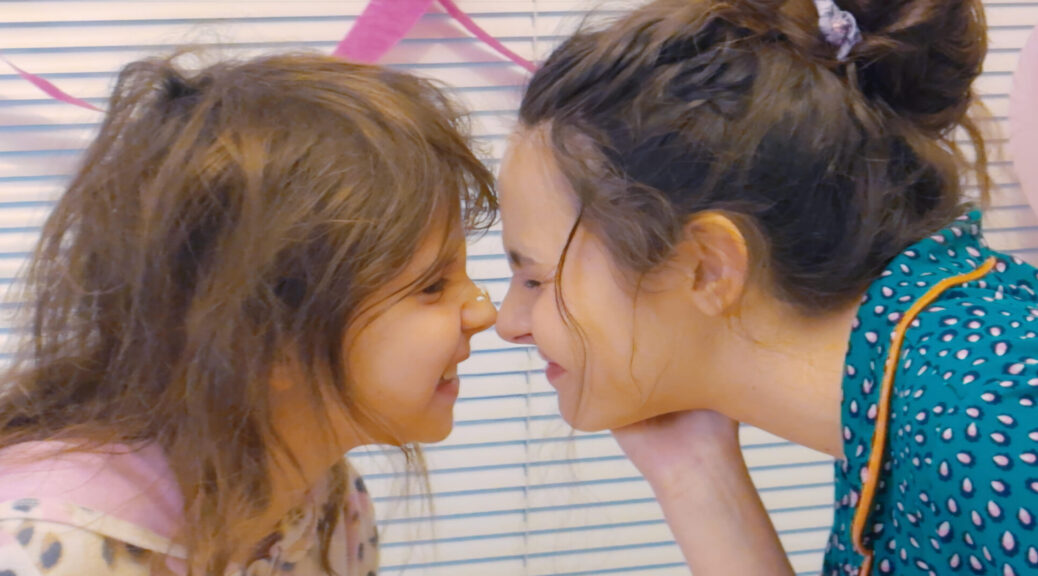
Clara (Joely Englebert, who is also credited as a writer) is used to caring for Ruby (Phoebe Englebert, another co-writer). Even before her mother left, Clara’s dying father charged her with putting Ruby first, telling Clara her mother “wasn’t as strong” as Clara. Though Clara has fond memories of her father, the parent in me cringed to watch him put that burden on her.
The film’s present-day story is framed by voice-over narration in the form of Clara’s diary entries. Through these, we’re told rather than shown how she feels while shouldering the weight of caring for her sister alone.
The movie has some genuinely touching moments, but too often, those moments flounder under the weight of unnatural dialogue. The young actors struggle delivering such artificial lines.
The film’s tender heart and moments of true emotion manage to sparkle through the rough dialogue and some bizarre turns. This is due in part to the strength of the film’s youngest actor, Phoebe. She excels throughout, crafting Ruby as the film’s most believable character. Ruby’s moments of fear, heartbreak and joy are when the film’s emotion truly shines.
Though Clara anchors the film as its center, Joely never quite conveys the depth of anxiety the character feels. Nor is she quite able to show us how deeply she cares for her sister (despite their real-life relationship).
Directing, Matt glosses over the sisters’ hardships in favor of several montages that try to draw us into their sisterly bond. It doesn’t work.
Unfortunately, What Tomorrow Brings shies away from anything too intense or raw. This means that when the film reaches its climax, the turn feels unearned.
It’s too bad, because this is a movie that wants you to focus on hope, found family, and faith. Those are worthy themes, but when they come too easily, they don’t hold any weight.
The disastrous production documentary has become a classic genre of its own. It’s easy to love a great movie, but there’s no highwire act like watching potential disaster unfold in real time, with the hope that artistic brilliance can still win out. And then there are the unfiltered geniuses working to the edge of madness, filmmaking greats like Coppola, Gilliam, Herzog, Coppola somehow again 45 years later … and now we can add to those luminaries the people who brought you Sharknado, Abraham Lincoln vs. Zombies, and Transmorphers.
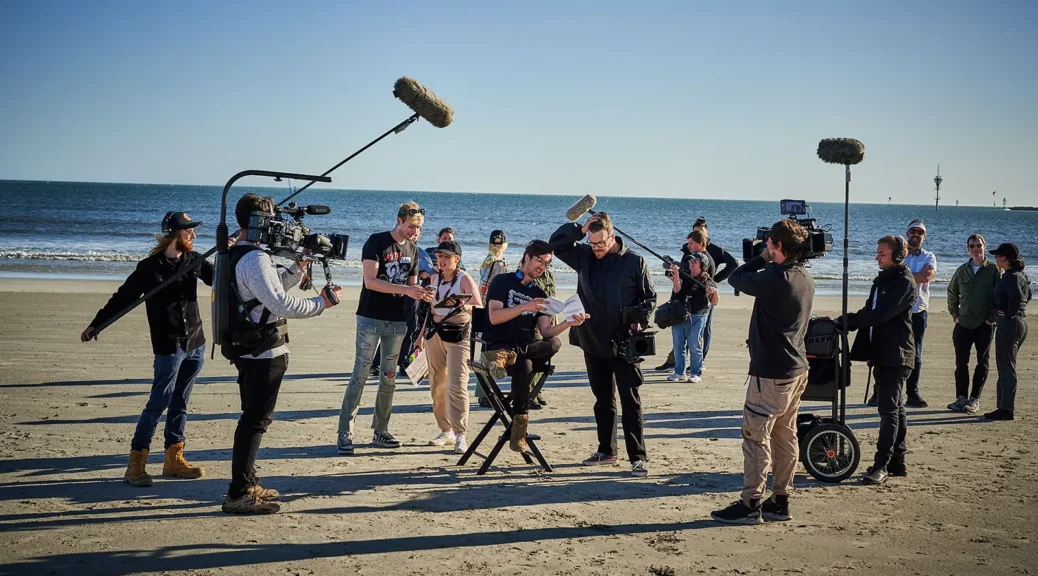
Australian director Anthony Frith turns in two features in one with Mockbuster, a documentary that follows his last best chance to direct a real Hollywood feature movie. The studio willing to give him a shot just happens to be the Asylum, the B-movie powerhouse behind the Sharknado series plus hundreds of other films that tend to be either blatant Hollywood ripoffs (“mockbusters”) or public domain material.
Frith enjoys a successful if artistically unfulfilling career in Adelaide directing corporate films. He still holds out hope for that last big break to create a real feature film, the kind he always dreamed of making as a kid. The Asylum gives him an immediate yes, and why wouldn’t they? The generous behind-the-scenes access portrays them as strict but self-aware schlockmeisters. And their studio process, while hectic, stays mostly on the rails. Frith’s role seems as much about watching the clock on a ludicrous six-day filming schedule as it is actually directing the production. And even then, the Asylum pairs him with in-house producer Brendan Petrizzo to make sure Frith gets his feature out of this. (And, perhaps, so Frith’s documentary also gets a happy ending that makes the studio look good.)
Frith is an affable subject, and he relays the right amount of incredulity at each new Asylum quirk such as not having a script just weeks before the shoot, or approving costumes on the first day of filming. But his ultimate embrace of “the Asylum Way” and the tightly budgeted—and mostly controlled—chaos that comes with it defangs his documentary’s more pointed critiques. The Asylum higher-ups are happy to lean into their roles as anti-Hollywood rogues. Co-founders David Rimawi, David Latt and Paul Bales all feature heavily in Frith’s interviews and know what they’re doing when they toss out soundbites like “We make shitty movies for people with bad taste.”
And these are shitty movies. They get churned out with the same ruthless efficiency as Hallmark, complete with in-house rules about runtime, plot beats and a stable of reliable names who can spout as much exposition as it takes to answer any lingering script questions that a six-day shoot didn’t have time to address.
It’s hard to root against Frith, who is likeable, competent and surprisingly unflappable in the face of near-impossible constraints. But it’s also hard not to see the same studio cynicism lurking beneath the Asylum’s B-movie gloss. Asylum movies are profitable, which is more than can be said for many studio films. But their system locks Frith into the same directorial trappings and lack of agency as any Marvel movie. Just because they’re doing it for a fraction of the cost doesn’t mean the result is anything that could meaningfully qualify as art versus content. Nor does it have anything helpful to say about the future of moviemaking.
Frith must know this as well. Why else do one for the arts and one for the charts with the same movie? Frith’s positive tone doesn’t address whether his experience would’ve been so rewarding if he hadn’t also had the chance to follow his actual dreams with Mockbuster. Yes, he succeeds on his own terms, in that Mockbuster is a far more enjoyable and introspective 90-minute movie than any Asylum film. But the cotton candy confection comes at the expense of the documentary compared to more probing films like Burden of Dreams, Lost in La Mancha or Hearts of Darkness.
Frith sums up the Asylum by declaring that “making a bad movie is better than making no movie at all.” But that’s easy for him to say. If we only had The Land That Time Forgot, his contractual Asylum film, would audiences come to the same conclusion? Would he?
Even if Spielberg’s latest alien adventure left you a bit frustrated, you might think twice about turning to The Outer Threat to scratch that E.T. itch.
That’s not to say it’s a terrible movie. But while Disclosure Day leaned into the extra-terrestrial question the more it went along, The Outer Threat does the opposite, ultimately becoming more of a family-based race against time and tech.
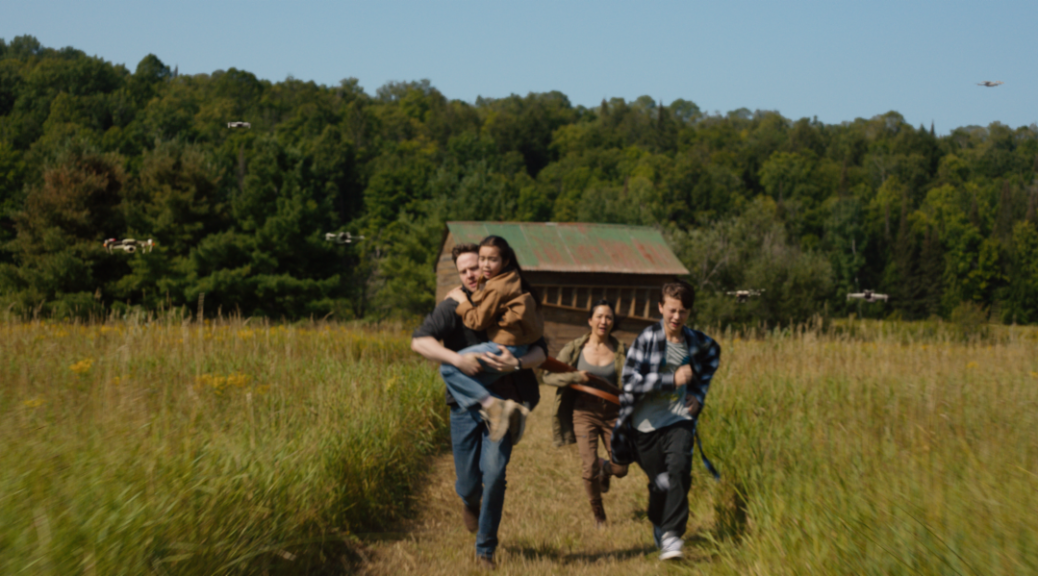
Scientist couple Daniel (Ready or Not‘s Mark O’Brien) and Michelle (Constance Wu, Hustlers and Crazy Rich Asians) live out in the country with their two teen kids (Calista Crowe, Isaac Smelcer-Zhang). They’re not married, and if Daniel keeps abandoning his family to search for signs of alien life in his underground lab, they won’t be any time soon.
This time he swears it’s different, though. Really. He finally has proof we are not alone. Too bad no one at NORAD is listening to him anymore.
And even when Daniel’s newest findings convince Michelle, she implores him not to..ahem…disclose the news to anyone. But in an impulsive moment, he emails the data to a trusted contact and instantly becomes the target of a mysterious threat.
In his debut behind the camera, writer/director William Woods crafts a competent ride full of paranoia, cautionary tales and family bonds. The cast is trusty and believable (William Fichtner’s second half cameo is an added bonus), but the third act moves the film closer to a softened young adult thriller assembled via well-traveled plot points and surface level messaging.
To say what films The Outer Threat will bring to mind is probably saying too much, but this is one where the trailer teases some closer encounters than those actually delivered.
Still, need a mild, 90-minute diversion with the kids? The Outer Threat will be perfectly fine and pretty forgettable.
No, really! The horror of the first half of this year has been amazing! Bloody, original, meaningful, fun, terrifying—it has it all! So much, actually, that we’re obligated to run through a quick list of honorable mentions.
Writers Nick Kocher and Brian McElhaney, fresh off the hilariously unhinged Pizza Movie, adapt the 2021 Norwegian film The Trip with a healthy scoop of witty cynicism atop one good ol’ American mean streak.
Jason Segel and Samara Weaving make an excellent pair of frassasins (friendly assassins), he of the emasculated man child and she of the exasperated younger wife wondering what she saw in this guy. Neither is blameless in the demise of the marriage, and the two actors make the deadly bobbing and weaving (pun intended) a surprising, squirm-inducing delight. Over Your Dead Body is an entertaining genre blast that’s pretty hard to ignore. And by pretty, I mean pretty funny.
And pretty gross.
9. Ready or Not 2: Here I Come
On Prime Premium
If you enjoyed Ready or Not, I’m hard pressed to believe its sequel won’t also leave you smiling. Weaving is back for the sequel. This time, Grace is paired with her sister and reluctant sidekick Faith (Kathryn Newton), as both are forced to endure Round 2. And what this game teaches us is that the entire world is run by a bunch of billionaires, each of whom is unspeakably, irredeemably evil. Just like real life!
Weaving and Newton share a fun, funny, bickering chemistry. Their backstory becomes the spine of a film that, like the original, delivers series of entertaining, bloody set pieces.
8. They Will Kill You
On Disney+, Hulu, HBOMax, and Prime
Zazie Beetz is Asia. She takes a gig as a maid in old school, elite Manhattan high rise, The Virgil. Asia has ulterior motives. The Virgil has ulterior motives. It’s a home for Satanists and she is to be their sacrifice. But Asia has mad skills and the best hair in action hero history, so The Virgil’s residents don’t have such an easy time of it.
What follows is room after crawlspace after room of absolute carnage. They Will Kill You definitely bears a resemblance toReady or Not 2: Here I Come. But this film is more hard-core, the stakes are higher, and the confined, goretastic action is superior.
7. Crazy Old Lady
On Shudder, Prime
Crazy Old Lady traps us in a home with a dementia sufferer who’s stopped taking medication and has embraced a violent unreality. But Martín Marengui, an Argentinian filmmaker, is less interested in what the future holds as what the past hides. He takes a Death and the Maiden approach to much of the film. The result is a profoundly uncomfortable, breathtakingly performed exhumation of the kind of dark past that refuses to stay buried in the garden.
Mauregui builds tension, delivers unexpected shocks, and lets his exceptional cast compel your attention. Despite its exploitation title, Crazy Old Lady delivers a gripping tale.
6. Leviticus
In theaters
Writer/director Adrian Chiarella’s heartbreaking, aching coming-of-age horror deposits Naim (Joe Bird, wonderful) in an Australian backwater with his widowed mom (Mia Wasikowska). She’d been struggling but has found strength in a small community church. That community is less supportive of Naim and Ryan (Stacy Clausen), the boy he loves.
Leviticus turns into a supernatural horror story, but its themes are as true as they can be. Those who seek to save you are the danger, and that which they would save you from is your only salvation. The film is fearless, tender, aching, frightening, and a must see.
5. The Bride!
On Disney+, Hulu, HBOMax
One part Metropolis, one part Bonnie & Clyde, just a touch of Bride of Frankenstein and yet somehow entirely writer/director Maggie Gyllenhaal’s own, The Bride! deserves that exclamation point. Jessie Buckley is a force of nature in a dual role—sort of a triple role, really: an unhappy Chicago gangster’s moll; Mary Shelley, silenced far too soon; and a monster, chaotic, unruly, unburdened by memory and guided by peculiar fury.
The Bride! delights with an anarchic energy, but its underlying plot is tight, its characters clearly drawn and beautifully performed, and its aesthetic wondrous. In just her second feature, after 2021’s sublime The Lost Daughter, Gyllenhaal’s cemented her spot as one of the most exciting filmmakers working.
4. Hokum
On Prime
Damian Mc Carthy is doing something right. The Irish filmmaker writes original stories, invests time and attention to visual storytelling, and produces eerie, memorable horror. There’s an elegance to his movies, but his tales are not meant simply to provoke thought or to elevate the genre. Caveat, Oddity, and now Hokum draw from a long tradition of Irish horror storytelling and love a jump scare as much as anybody.
Scene after scene balances a funhouse vibe with Irish folktale spookiness, and the vintage horror beauty of every frame beguiles you. Caviat offered quietly claustrophobic terror. Oddity delivered clever, melancholy horror. Hokum feels more polished yet more old school. It is perhaps less terrifying than Mc Carthy’s previous features, but it’s a haunting good time.
3. Backrooms
In theaters
Twenty-year-old filmmaker Kane Parsons adapts a series of shorts that made him a YouTube force, all of it based on online Twenty-teens creepypasta dread of being trapped eternally in an endless, yellow, moistly carpeted maze of empty rooms with no hope of escape. The fact that Parsons turned this concept into a compelling feature essentially about our own labyrinthine minds and psychiatry’s impotence is pretty impressive for a teenager!
The endlessly talented Chiwetel Ejiofor and Renate Reinsve play two disillusioned adults lost in the maze. Here are two actors who’ve built careers on understated, natural performances that ground every moment onscreen in something honest. Which makes them a magnificent choice for a film where nothing makes sense, and that’s the whole point.
2. 28 Years Later: The Bone Temple
On Netflix
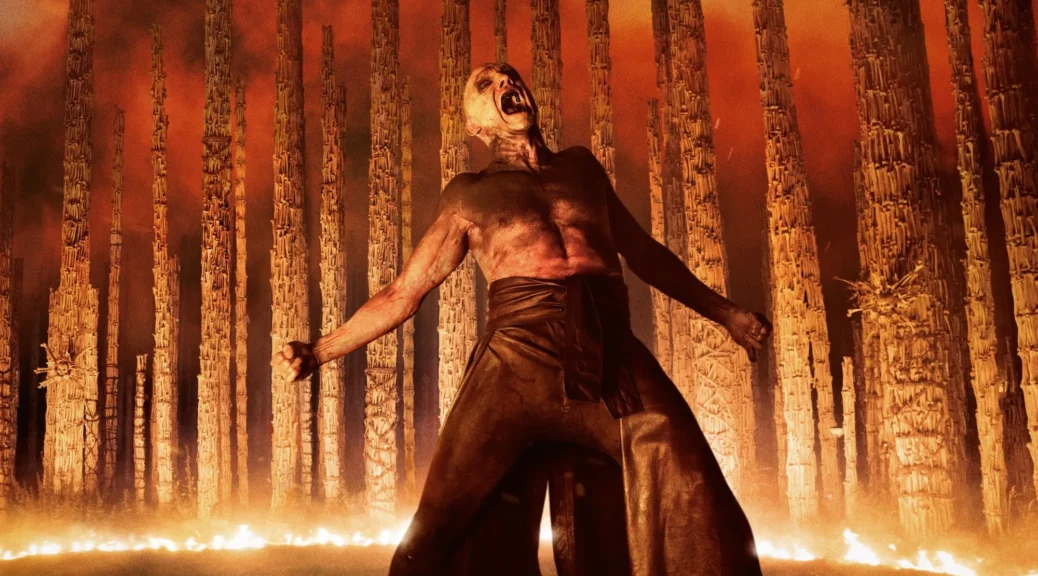
There is more visceral horror in the first three scenes of Nia DaCosta’s film than in the entire hour and fifty-five minutes of 2025’s 28 Years Later. She delivered the first great horror film of the year with 28 Years Later: The Bone Temple, also written by Alex Garland. It picks up the most intriguing threads left untied last time: those of the band of Clockwork Orange-esque marauders who saved young Spike (Alfie Williams) from the infected, and the beautiful soul covered in iodine and living amongst the bones, Dr. Ian Kelson (Ralph Fiennes).
The filmmaker (Little Woods, Candyman, The Marvels, Hedda) returns to horror with aplomb, expertly weaving from the grimmest horrors the sadistic, bewigged Jimmys can muster to the tender bromance blossoming over at the bone temple. And the climactic musical number she stages there is a thing for the ages.
1. Obsession
In theaters
Obsession is a film about consent. Sad by Bear (Michael Johnston) can’t bring himself to confess his feelings for coworker Nikki (Inde Navarrette). He’s so desperate after one cringy missed chance that he breaks open a One Wish Willow he’d purchased as a joke and—without reading any of the warnings printed all over the box—wishes that she would love him more than anyone else on earth. And she does.
The themes writer/director Curry Barker mines are incredibly of-the-moment. Bear wants what he wants, but he wants it to be true. It isn’t, but that’s not good enough. Make it be true. But you can’t make something be true if it isn’t true, no matter how sad the boy is who wants it. Male entitlement masquerading as loneliness leads to violently self-centered behavior. Barker’s story, however jump-scary or genre friendly it becomes, never forgets this central, relevant concept.