Category Archives: Fright Club

A celebration of horror movies with updates on our monthly Fright Club film series at the Gateway Film Center.

Fright Club: Best Horror Films of the Sixties

The Sixties offered a turning point in horror, redefining and reshaping a genre that would explode the following decade. The era saw horror evolve from the atomic paranoia that informed schlocky Fifties fare to more politically challenging, artistically relevant work – work that would shape the modern genre. Here are the five best films horror had to offer in the 1960s.

5. Eyes Without a Face (1960)

The formula behind this film has been stolen and reformulated for dozens of lurid, low-brow exploitation films since 1960. In each, there is a mad doctor who sees his experiments as being of a higher order than the lowly lives they ruin; the doctor is assisted by a loyal, often non-traditionally attractive (some might say handsome) nurse; there are nubile young women who will soon be victimized, as well as a cellar full of the already victimized. But somehow, in this originator of that particular line of horror, the plot works seamlessly.

An awful lot of that success lies in the remarkable performances. Still, the power in the film is in the striking visuals that are the trademark of giant French filmmaker Georges Franju. His particular genius in this film gave us the elegantly haunting image of Dr. Genessier’s daughter Christiane (Edith Scob). Her graceful, waiflike presence haunts the entire film and elevates those final scenes to something wickedly sublime.

https://www.youtube.com/watch?v=TGNFynNqJ2A

4. The Innocents (1961)

Quietly desperate and delicately high strung, Deborah Kerr’s performance is the perfect central image in The Innocents, the best of many screen adaptations of Henry James’s The Turn of the Screw. Is Kerr’s hypersensitive governess turning delusional as she spirals toward spinsterhood, or are her angelic charges in danger of becoming possessed by the spectral lovers who seem to haunt the property?

Thanks to Kerr, the wickedly cherubic turn by Martin Stephens as young Miles, and Freddie Francis’s gorgeous black and white photography, this eerie ghost story is a glorious study in the shadowy line between reality and imagination.

3. Rosemary’s Baby (1968)

Rosemary’s Baby remains a disturbing, elegant, and fascinating tale, and Mia Farrow’s embodiment of defenselessness joins forces with William Fraker’s skillful camerawork to cast a spell. Along with Repulsion (1965) and The Tenant (1976), Rosemary’s Baby is part of Polanski’s “apartment trilogy” – disturbing films of tension and horror in which metropolitan life and nosey neighbors conspire to drive a person mad.

Working from Ira Levin’s novel, Polanski takes all the glamour out of Satanism – with a huge assist from Ruth Gordon, who won an Oscar for her turn as the highly rouged busybody Minnie Castevet. By now we all know what happens to poor Rosemary Woodhouse, but back in’69, thanks much to Mia Farrow’s vulnerable performance, the film boiled over with paranoid tension. Was Rosemary losing it, or was she utterly helpless and in evil hands?

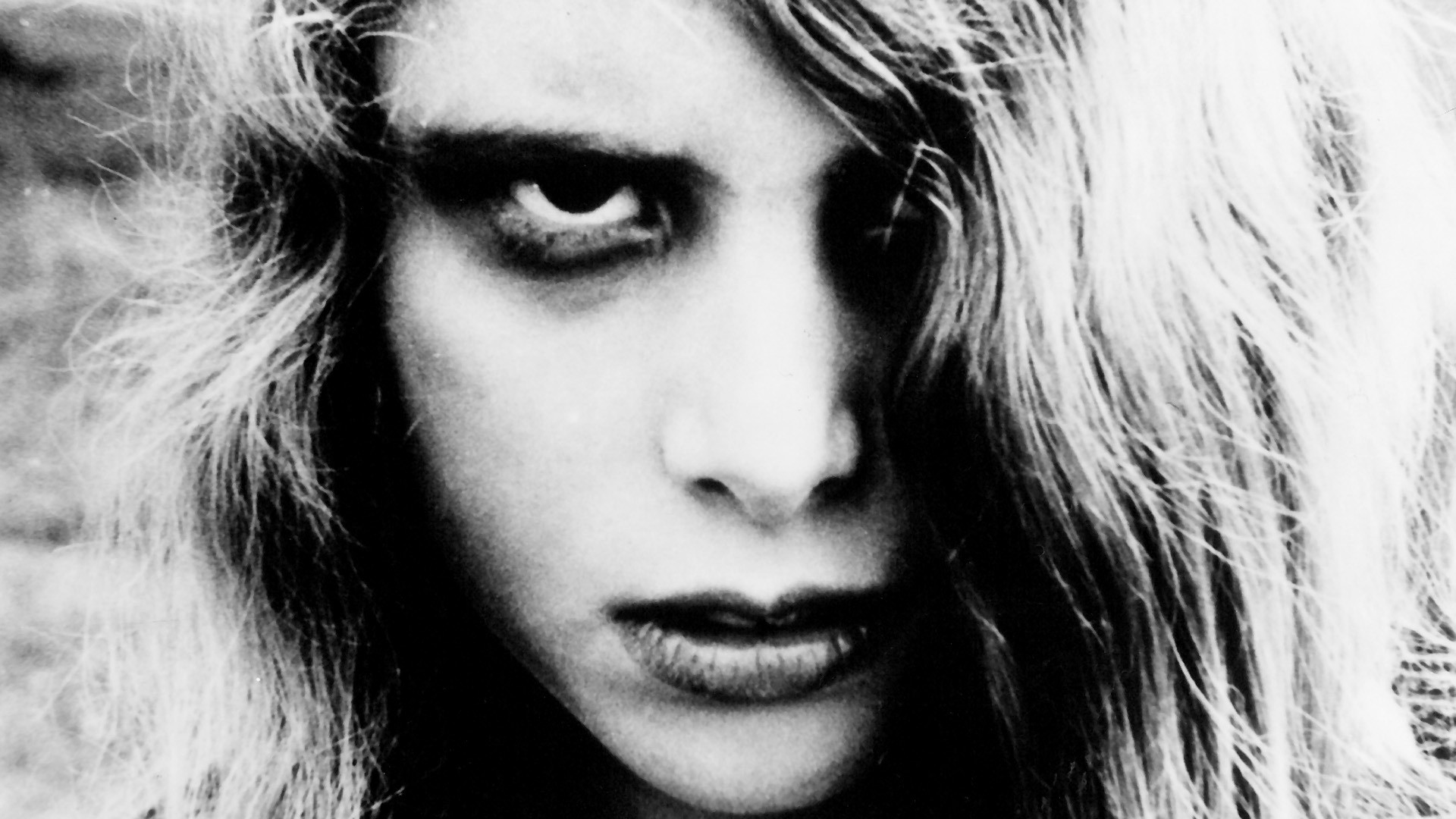
2. Night of the Living Dead (1968)

From the brightly lit opening cemetery sequence to the paranoid power struggle in the house to the devastating closing montage, Night of the Living Dead teems with the racial, sexual and political tensions of its time. An unsettlingly relevant George A. Romero knew how to push societal panic buttons.

As the first film of its kind, the lasting impact of this picture on horror cinema is hard to overstate. Romero’s inventive imagination created the zombie genre and the monster from the ground up. Beyond that, the film’s shrill sense of confinement, the danger of one man turning on another, and the unthinkable transformation going on in the cellar build to a startling climax – one that utterly upends expectations – followed by the kind of absolutely genius ending that guarantees the film’s eternal position in the annals of horror cinema.

1. Psycho (1960)

In making Psycho, Alfred Hitchcock made horror a legitimate genre by producing a movie that scared smart people, mostly by upending expectations. Hitch kills off his pretty lead in the first act, after letting us know that she has pre-marital sex and is capable of stealing large sums of money. What’s great about these revelations is that she isn’t judged for them. She’s treated as a sympathetic, likeable heroine – although the villain comes off as even more of an innocent. Anthony Perkins’s sexually confused, vulnerable, awkward killer is almost too sympathetic.

Hitchcock’s masterpiece is known best, of course, for the shower scene, and with good reason. But what changed history was his decision to give us a hero who is flawed and a villain (a full-on psycho, no less) that we can’t help but root for.

Listen to our FRIGHT CLUB PODCAST for the whole bit.

Fright Club: Horror’s Best Female Directors

Sunday, March 8 was International Women’s Day. We thought we’d celebrate by perusing the very best horror directed by women. It’s a much stronger list than many people realize and it includes two of the finest genre works of last year.

5. Near Dark (1987)

Back in ’87, future Oscar winner Kathryn Bigelow brought a new take on a familiar theme to the screen. A mixture of vampire and western tropes, Near Dark succeeds mostly on the charisma of the cast. The always welcome Lance Henricksen is campy fun as the badass leader of a vampire family, while the beguiling Mae (Jenny Wright) – nomadic white trash vampire beauty – draws you in with a performance that’s vulnerable and slightly menacing.

The most fun, though, is Bill Paxton as the truest psychopath among the group looking to initiate a new member. All the film’s minor flaws are forgotten when you can watch an unhinged Paxton terrorize a barful of rednecks. Woo hoo!

4. American Mary (2012)

A masterful Katharine Isabelle (Ginger Snaps) stars as med student Mary Mason, a bright and eerily dedicated future surgeon who’s having some trouble paying the bills. She falls in with an unusual crowd, develops some skills, and becomes a person you want to keep on your good side.

Writer/director/twins Jen and Sylvia Soska offer a screenplay that is as savvy as they come, clean and unpretentious but informed by gender politics and changing paradigms. Were it not for all those amputations and mutilations, this wouldn’t be a horror film at all. It’s a bit like a noir turned inside out, where we share the point of view of the raven haired dame who’s nothin’ but trouble. It’s a unique and refreshing approach that pays off.

3. A Girl Walks Home Alone at Night (2014)

Writer/director Ana Lily Amirpour has made the world’s first Iranian vampire movie, and though she borrows liberally and lovingly from a wide array of inspirations, the film she’s crafted is undeniably, peculiarly her own. The film is simply, hauntingly gorgeous.

Set in Bad Town, a city depleted of life – tidy yet nearly vacant – Girl haunts the shadowy, lonesome fringes of civilization. The time is spent with singular individuals – a prostitute (a world-wearied and magnificent Mozhan Marno), a drug addicted father (Marshall Manesh), a street urchin (Milad Eghbali), a pimp (Dominic Rains), and a rich girl (Rome Shadanloo). Two people weave in among these players – the handsome Arash (Arash Marandi), and a lonesome vampire (Sheila Vand).

Vand’s Girl is the constant question mark, and that – along with the eerie, sometimes playful camerawork – is what makes the film unshakably memorable. I promise the image of a vampire on a skateboard will stay with you.

2. The Babadook (2014)

You’re exhausted – just bone-deep tired – and for the umpteenth night in a row your son refuses to sleep. He’s terrified, inconsolable. You check under the bed, you check in the closet, you read a book together – no luck. You let him choose the next book to read, and he hands you a pop-up you don’t recognize: The Babadook. Pretty soon, your son isn’t the only one afraid of what’s in the shadows.

Like a fairy tale or nursery rhyme, simplicity and a child’s logic can be all you need for terror. Writer/director Jennifer Kent’s film is expertly written and beautifully acted, boasting unnerving performances from not only a stellar lead in Essie Davis, but also the alarmingly spot-on young Noah Wiseman.

The film’s subtext sits so close to the surface that it threatens to burst through. Though that does at times weaken the fantasy, it gives the film a terrifying urgency. In the subtext there is a primal horror, a taboo rarely visited in film and certainly never examined with such sympathy. Indeed, the compassion in the film may be the element that makes it so very unsettling.

1. American Psycho (2000)

American Psycho represents the sleekest, most confident black comedy – perhaps ever. Director Mary Harron trimmed Bret Easton Ellis’s novel, giving it unerring focus. More importantly, the film soars due to Christian Bale’s utterly astonishing performance as narcissist, psychopath, and Huey Lewis fan Patrick Bateman.

There’s an elegant exaggeration to the satire afoot. Bateman is a slick, sleek Wall Street toady, pompous one minute because of his smart business cards and quick entrance into posh NYC eateries, cowed the next when a colleague whips out better cards and shorter wait times. The more glamour and flash on the outside, the more pronounced the abyss on the inside. What else can he do but turn to bloody, merciless slaughter? It’s a cry for help, really.

Harron’s send up of the soulless Reagan era is breathtakingly handled, from the set decoration to the soundtrack, but the film works as well it does because of the lunatic genius of Bale’s work. Volatile, soulless, misogynistic and insane and yet somehow empathetic. It is wild, brilliant work that marked a talent preparing for big things.

Fright Club: Doc-Style Horror

The year’s first great comedy and first decent horror film – What We Do in the Shadows – releases wide this weekend. Hooray! We loved it so, and wanted to celebrate it as well as all our other favorite documentary-style horror films. There are so many greats to choose from – the Norwegian lunacy of TrollHunter? The meta-slasher Behind the Mask? Well, it took some doing, but we landed on our favorite documentary-styled horror films. Enjoy!

What We Do in the Shadows (2015)

In the weeks leading up to the Unholy Masquerade – a celebration for Wellington, New Zealand’s surprisingly numerous undead population – a documentary crew begins following four vampire flatmates. Besides regular flatmate spats about who is and is not doing their share of dishes and laying down towels before ruining an antique fainting couch with blood stains, we witness some of the modern tribulations of the vampire. The filmmakers know how to mine the absurd just as well as they handle the hum drum minutia. The balance generates easily the best mock doc since Christopher Guest. It’s also the first great comedy of 2015.

Vampires (2010)

About 5 years ago, Belgiain filmmaker Vincent Lanoo made his own (blandly titled) mock-doc about vampires. Far darker and more morbid than Shadows (the first two film crews were eaten before they could complete the documentary; the final film is dedicated to the memory of the third crew), Lanoo’s film is still insightful and very funny.

The crew moves in with a vampire family with two undisciplined teens. The house also contains the couple who live in their basement (vampires can’t own a home until they have – make – children), and Meat (the name they’ve given the woman they keep in their kitchen). There’s also a coop out back for the illegal immigrants the cops drop off on Mondays. Wickedly hilarious.

https://www.youtube.com/watch?v=mqS_6nlctG8

American Zombie (2007)

American Zombie begins as an insightful satire on the modern documentary, pitting objective artist against gonzo filmmaker. Director Grace Lee, playing herself, agrees to co-direct a documentary on the Los Angeles area’s growing undead population with her zealous, craftless friend John (John Solomon). They interview experts – doctors, historians, social workers – and choose a handful of zombies as subjects. Lee approaches the film as the documentation of a misunderstood community; her co-director John is looking for something a little more lurid.

American Zombie is observant and often very funny. (An evangelist hoping to serve this untapped market remarks to the camera, “Jesus loves zombies. Jesus was the original zombie.” Nice!) As the movie progresses you find yourself lulled by Lee’s low-key, funny take on the living dead. And then, slowly but surely, she turns her film into a surprisingly creepy little horror flick.

The Blair Witch Project (1999)

Not every faux-documentary in horror is a comedy. BW is, of course, the now famous instigator of the found footage movement. (Yes, we’ve seen Cannibal Holocaust.) Between the novelty of the found footage approach and the also novel use of viral marketing, the film drew a huge audience of people who believed they were basically seeing a snuff film. Nice.

And those two cutting edge techniques buoyed this minimalistic, naturalistic home movie about three bickering buddies who venture into the Maryland woods to document the urban legend of The Blair Witch. Twig dolls, late night noises, jumpy cameras, unknown actors and not much else blended into an honestly frightening flick that played upon the nightmares some of us have had since childhood.

The Last Exorcism (2010)

Out to expose the fraudulent exorcisms perpetrated by evangelical ministers like himself all over the South, Cotton Marcus (Patrick Fabian) teams up with a documentarian and her cameraman. Together they set out to capture his final exorcism – chosen at random from his PO Box – before he hangs up his bible. Things don’t go as planned.

Fabian exploits every possibility he finds in the character of a disenchanted preacher. He’s absolutely terrific, and is aided by an effectively shaken and/or creepy supporting cast working with a script that explores any number of unseemly Southern Gothic possibilities before deciding what kind of devil is plaguing poor Nell (Ashley Bell). Thanks largely to the commitment of the cast and the effortlessly eerie backdrop of backwoods Louisiana, The Last Exorcism entertains throughout.

Fright Club: White Death

We’re buckling under blustery weather and offensive temperatures. We require more degrees! Why not just embrace the White Death? These films certainly do, so snuggle in with a big blanket and look at how much worse you could have it in this wintery weather.

5. Frozen (2010)

No, not the Disney film. In this skiing mishap, three friends hit the slopes one afternoon. They con their way onto the lift for one last run up the hill. But they didn’t really have a ticket to ride, you see, and the guy who let them take that last lift gets called away and asks a less reliable colleague to take over. That colleague has to pee. One thing leads to another. So, three college kids get left on a ski lift. It’s Sunday night, and the resort won’t reopen until Friday. Wolves come out at night. This is a brisk and usually believable flick. Sure, it’s Open Water at a ski resort, but that doesn’t mean it doesn’t work.


4. 30 Days of Night (2007)

If vampires can only come out at night, wouldn’t it make sense for them to head to the parts of the globe that remain under cover of darkness for weeks on end? Like the Arctic circle? The first potential downfall here is that Josh Hartnett plays our lead, the small town sheriff whose ‘burg goes haywire just after the last flight for a month leaves town. A drifter blows into town. Dogs die viciously. Vehicles are disabled. Power is disrupted. You know what that means…the hunt’s begun. Much of the film’s success is due to the always spectacular Danny Huston as the leader of the bloodsuckers. His whole gang takes a novel, unwholesome approach to the idea of vampire, and it works marvelously.

http://www.youtube.com/watch?v=2xAJGjPQpOM

3. Dead Snow (2009)

You had us at “Nazi zombies.” A fun twist on cabin-in-the-woods horror, this film sees a handful of college kids heading into a remote mountain cabin for some winter sport fun and maybe a little lovin’. Dead Snow boasts some of the tongue-in-cheek referential comedy of the outstanding flick Cabin in the Woods, but with a great deal more actual horror. It’s grisly, bloody, hilarious fun. Its 2014 sequel Dead Snow 2: Red Versus Dead is also a very fun choice!


2. The Thing (1982)

For our money, this is John Carpenter’s best film – isolated, claustrophobic, beardtastic, and you can get frostbite just watching. A group of Arctic scientists take in a dog, but he’s not a dog at all. And soon, most of the scientists are not scientists, either, but which ones?! The FX still hold up and so does the chilly terror.
https://www.youtube.com/watch?v=uoAuJaN78Hk


1. The Shining (1980)

Because that’s what could happen if you wander outside right now. You might find yourself lost in a maze, icicles hanging from your eyebrows, your bloody axe frozen to your cold, dead hand. Not that anyone inside is much better off. Enjoy Stanly Kubrick’s masterpiece of family dysfunction, Gatsby-style partying, Big Wheel love and bad carpeting. It’s never a bad time to watch The Shining.

http://www.youtube.com/watch?v=1G7Ju035-8U

Listen to us cover this in more depth and goofiness on our Fright Club podcast!

Fright Club: Best Doomed Romances

Valentine’s Day came and went, but we are still in a romantic mood. Why not celebrate those great, doomed romances so often found in horror? Surely, The Bride of Frankenstein may be the all-time best, but we wanted to share some of our lesser-appreciated favorites, beginning with one of the very best horror films of the last decade.

The Loved Ones (2009)

Brent (Xavier Samuel) is dealing with guilt and tragedy in his own way, and his girlfriend Holly tries to be patient with him. Oblivious to all this, Lola (a gloriously wrong-minded Robin McLeavy) asks Brent to the school dance. He politely declines, which proves to be probably a poor decision.

The Loved Ones is a cleverly written, unique piece of filmmaking that benefits from McLeavy’s inspired performance as much as it does its filmmaker Sean Byrne’s sly handling of subject matter. It’s a wild, violent, depraved to spend 84 minutes. You should do so now.

https://www.youtube.com/watch?v=olB5Wrg8Sxc

Thirst (2009)

Leave it to the great Chan-wook Park (Oldboy) to think of turning the Postman Always Rings Twice storyline into a vampire tale. Thirst would be a weird movie regardless, but the steamy/guilty romantic entanglements with an ailing friend’s young wife take on a peculiar tone when the other man is not just a vampire, but a former priest to boot.

Father Sang-hyeon (Kang-ho Song) volunteers for a medical experiment, but instead of a cure the procedure creates vampirism. The poor guy’s barely wrapped his head around his new drinking problem before he falls for his buddy’s scheming wife. Park’s visuals are a sumptuous wonder, and his romantic bloodletting is as curiously humorous as it is creepy.

May (2002)

Few horror films are as touching, funny, heartbreaking or bloody as May. Lucky McKee’s 2002 breakout is a showcase for his own talent as both writer and director, as well as his gift for casting. As the title character, Angela Bettis inhabits this painfully gawky, socially awkward wallflower with utter perfection. McKee’s screenplay is as darkly funny as it is genuinely touching, and we’re given the opportunity to care about all the characters: fragile May, laid back love interest Adam (a faultless Jeremy Sisto), hot and horny Polly (a wonderful Anna Faris).

McKee’s film pulls no punches, mining awkward moments until they’re almost unendurable and spilling plenty of blood when the time is right. He deftly leads us from the sunny “anything could happen” first act through a darker, edgier coming of age middle, and finally to a carnage laden climax that feels sad, satisfying and somehow inevitable.

https://www.youtube.com/watch?v=es0HnQqCqg0

The Signal (2007)

A transmission – a hypnotic frequency – broadcasting over TV, cell and landline telephones has driven the good folks of the city of Terminus crazy. David Bruckner, Dan Bush and Jacob Gentry created a film in three segments, or transmissions. Transmission 1 introduces our lover heroes as well as the chaos. Can Mya and Ben remain sane, reunite and outrun the insanity? Transmission 2 takes a deeply, darkly funny turn as we pick up on the illogical logic of a houseful of folks believing themselves not to have “the crazy.” The final transmission brings us full circle.

The movie capitalizes on the audience’s inability to know for certain who’s OK and who’s dangerous. Here’s what we do know, thanks to THE SIGNAL: duct tape is a powerful tool, bug spray is lethal, and crazy people can sure take a beating.

Hellraiser

Here’s an alternative to Fifty Shades of Grey. Clive Barker’s feature directing debut worked not only as a grisly splatterfest, but also as a welcome shift from the rash of teen slasher movies that followed the success of Halloween. Barker was exploring more adult, decidedly kinkier fare, and Hellraiser is steeped in themes of S&M and the relationship between pleasure and pain.

Hedonist Frank Cotton solves an ancient puzzle box, which summons the fearsome Cenobites, who literally tear Frank apart and leave his remains rotting in the floorboards of an old house. A gash on brother Larry’s leg spills blood on the floor, which awakens the remains of Frank, who then requires more blood to complete his escape from the underworld. Larry’s wife (and Frank’s lover) Julia, both repulsed and aroused by her old flame’s half-alive form, agrees to make sure more blood is soon spilled.

Listen in every week for our FRIGHT CLUB PODCAST. Join the club!

Fright Club: Best Horror Reboots

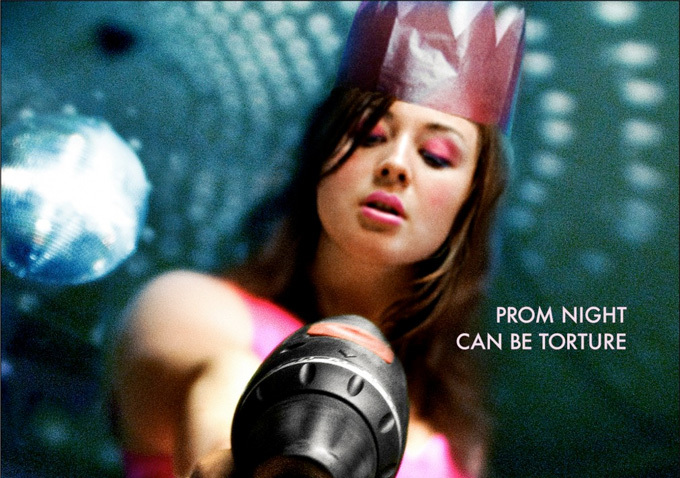
This week the new Ghostbusters cast was announced and for the first time, we were excited about this reboot. The reimagining of a classic is hard to do well, which is obvious when you count the unforgivably botched horror reboots there are: Shutter, The Eye, The Hills Have Eyes, Prom Night, Rob Zombie’s Halloween – don’t even make us say Oldboy. It’s a long, depressing list. But that only makes those rare gems – the well-made reboots – shine the brighter.

Here is a list of horror reboots we love – maybe even as much as we loved the original!

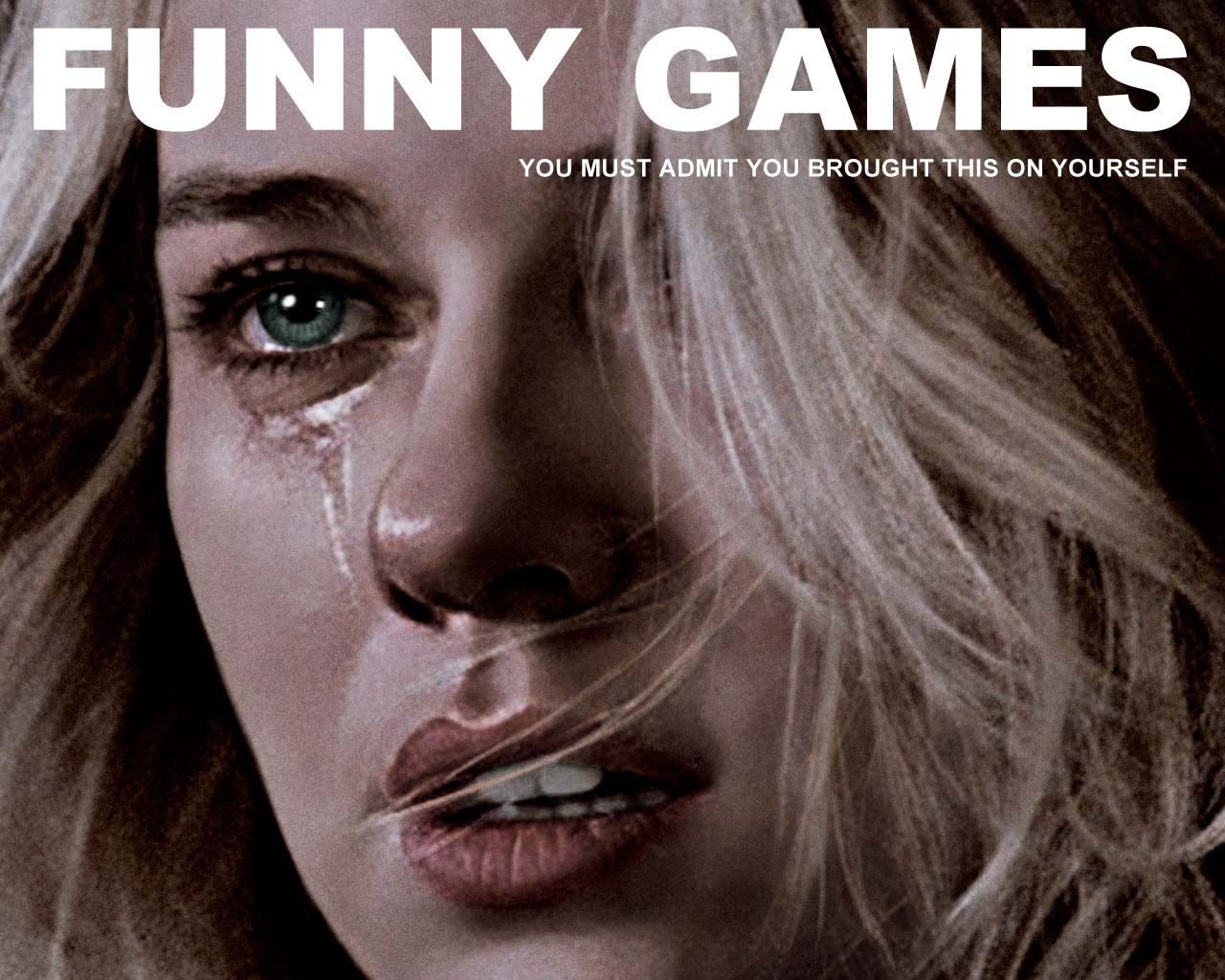
Funny Games (1997, 2007)

Michael Haneke is a genius, an amazing creator of tension. Everything he’s done deserves repeated viewing. With Funny Games, he makes it easy because he made it twice.

A family pulls into their vacation lake home to be quickly bothered by two young men in white gloves. Things deteriorate.

Haneke begins this nerve wracking exercise by treading tensions created through etiquette, toying with subtle social mores and yet building dread so deftly, so authentically, that you begin to clench your teeth long before the first act of true violence.

As teen thugs put the family through a series of horrifying games, they (and Haneke) remind us that we are participating in this ugliness, too. We’ve tuned in to see the family tormented. Sure, we root for them, but we came into this with the specific intention of seeing harm come to them. So, the villains rather insist that we play, too. In one particularly famous scene, Haneke decides to play games with us as well.

His English language remake is a shot for shot repeat of the German language original. In both films, the performances are meticulous. This is true of the entire cast, but it’s the villains who sell this. Whether the German actors Arno Frisch and Frank Giering or the Americans Brady Corbet and Michael Pitt, the bored sadism that wafts from these kids is seriously unsettling, as, in turn, is each film.

https://www.youtube.com/watch?v=48s781bxWF8

Dawn of the Dead (1978, 2004)

Zack Snyder would go on to success with vastly overrated movies, but his one truly fine piece of filmmaking updated Romero’s Dead sequel with the high octane horror. The result may be less cerebral and political than Romero’s original, but it is a thrill ride through hell and it is not to be missed.

The flick begins strong with one of the best “things seem fine but then they don’t” openings in film. And finally! A strong female lead (Sarah Polley). Polley’s beleaguered nurse Ana leads us through the aftermath of the dawn of the dead, fleeing her rabid husband and neighbors and winding up with a rag tag team of survivors hunkered down inside a mall.

In Romero’s version, themes of capitalism, greed, and mindless consumerism run through the narrative. Snyder, though affectionate to the source material, focuses more on survival, humanity, and thrills. (He also has a wickedly clever soundtrack.) It’s more visceral and more fun. His feature is gripping, breathlessly paced, well developed and genuinely terrifying.

The Ring (1998)/Ringu (2002)

Gore Verbinski’s film The Ring – thanks in large part to the creepy clever premise created by Koji Suzuki, who wrote the novel Ringu – is superior to its source material principally due to the imagination and edge of the fledgling director. Verbinski’s film is visually arresting, quietly atmospheric, and creepy as hell.

This is basically the story of bad mom/worse journalist Rachel (Naomi Watts) investigating the urban legend of a video tape that kills viewers exactly seven days after viewing.

The tape itself is the key. Had it held images less bizarre the whole film would have collapsed. But the tape was freaky. And so were the blue-green grimaces on the dead! And that horse thing on the ferry!

And Samara.

From cherubic image of plump cheeked innocence to a mess of ghastly flesh and disjointed bones climbing out of the well and into your life, the character is brilliantly created. (It’s actually a full grown man who climbs herky-jerky out of the TV.)

Hideo Nakata’s original was saddled with an unlikeable ex-husband and a screechy supernatural/psychic storyline that didn’t travel well. Screenwriter Ehren Kruger did a nice job of re-focusing the mystery.

Sure, it amounts to an immediately dated musing on technology. (VHS? They went out with the powdered wig!) But still, there’s that last moment when wee Aidan (a weirdly perfect David Dorfman) asks his mom, “What about the people we show it to? What happens to them?”

At this point we realize he means us, the audience.

We watched the tape! We’re screwed!

https://www.youtube.com/watch?v=_PkgRhzq_BQ

Let the Right One In (2008)/Let Me In (2010)

In 2008, Sweden’s Let the Right One In emerged as an original, stylish thriller – and the best vampire flick in years. A spooky coming of age tale populated by outcasts in the bleakest, coldest imaginable environment, the film breaks hearts and bleeds victims in equal measure.

Kare Hedebrant‘s Oskar with a blond Prince Valiant cut falls innocently for the odd new girl (an outstanding Linda Leandersson) in his shabby apartment complex. Reluctantly, she returns his admiration, and a sweet and bloody romance buds.

Hollywood’s 2010 version is the less confusingly entitled Let Me In, and fans of the original that feared the worst (ourselves included) can rest easy. Director Matt Reeves (Cloverfield) managed to retain the spirit of the source material, while finding ways to leave his own mark on the compelling story of an unlikely friendship.

Twelve year old Owen (Kodi Smit-McPhee) is a lonely boy who’s being bullied at school. When young Abby (Chloe Moretz) and her “dad” (Richard Jenkins) move in next door, Owen thinks he’s found a friend. As sudden acts of violence mar the snowy landscape, Owen and Abby grow closer, providing each other a comfort no one else can.

While the original had an ominous sense of dread, a feel of bleak isolation, and a brazen androgyny that the update can’t touch, Let Me In scores points all its own.

Together the films set the standard for child vampire fare, and neither one should be missed.

https://www.youtube.com/watch?v=DYcBSQokyBU

The Crazies (1973/2010)

Just five years after Night of the Living Dead, George A. Romero found himself interested in taking his zombiism concepts in a different direction. Building a cumulative sense of entrapment and dread, the both versions of this film rely on a storyline whisper-close to a zombie tale, but deviate in a powerful way. The slight alteration plumbs for a different kind of terror.

The military has accidentally tainted a small town’s drinking supply with a chemical. Those who drink the water go hopelessly mad. Both films begin by articulating humankind’s repulsion and fear of infection and loss of control before introducing the greater threat – our own government.

Romero was more interested in social commentary than in horror, therefore his film is not as scary as it could be. Military incompetence, the needless horror of Vietnam, and the evil that men can do when ordered to do so are all central conceits in his film.

Breck Eisner’s remake offers solid scares, inventive plotting, and far better performances than expected in a genre film. Eisner’s languid pace builds dread and flirts with an effectively disturbing sense of compassion. His sense of timing provides a fine balance between fear of the unknown and horror of the inevitable. He also has a far more talented cast, and he mines individual madness for more terror – although he pulls one punch Romero was happy to land.

Listen to our Frihgt Club PODCAST at Golden Spiral Media!

Skeletons in the Closet: Oscar Edition

There’s nothing more fun come Oscar season than to dig around celebrity closets to find the long lost horror output of the year’s nominees. Of course we all remember Michael Keaton’s unfortunate late-career genre work in White Noise, while Reese Witherspoon starred years ago in the glorious American Psycho. You may not know that the always magnificent Eddie Redmayne starred as a conflicted friar in the low budget effort Black Death. But we don’t mean to pick recent scabs, and our point is not to applaud excellent early careers in horror. So instead, we thought it would be more fun to look at four gems of a different color. Oscar nominees Mark Ruffalo, Laura Dern, Patricia Arquette and Bradley Cooper star in this month’s Skeletons in the Closet: Oscar Edition.

The Midnight Meat Train (2008)
Photographer Leon (Bradley Cooper) comes to believe he is snapping evidence of a serial killer – a meticulously groomed butcher who emerges from the subway in the wee hours every morning carrying a suspicious bag. Written by Clive Barker (Hellraiser), the film is meant to implicate the viewer. It opens on all out slaughter, followed quickly by an image of Cooper, the lens of his camera pointed directly at you, the viewer. Why are we watching? Why is he watching? What does he find so fascinating about the festering underbelly of the city that he chooses to watch no matter how ugly. Why do we keep watching this film, even after Ted Raimi’s eyeball bursts out at us? It’s a bloody, foul mess, this one, but somehow not terribly tense and rarely if ever scary. Cooper overacts, and while the premise shows promise, the conclusion doesn’t satisfy.

A Nightmare on Elm Street 3: Dream Warriors (1987)
Patricia Arquette – a working actress with her first Oscar nomination, which only means that the Academy turned a blind eye to her awesome turn as Alabama Worley – got her start in 1987’s third Nightmare on Elm Street installment: Dream Warriors. Of course, Johnny Depp got his start in Wes Craven’s original nightmare, but by the franchise’s third episode both budget and inspiration were running short. Arquette plays a patient in a sleep clinic. Screechy Nancy (the epically untalented Heather Langenkamp – sole survivor of the original) is now an adult and a psychiatrist working with patients to take control in their dreams and kill Freddy. Arquette plays Kristin, lead dream warrior. Aside from being known as Arquette’s feature film debut, this is also the episode where we learn that Freddy is the bastard son of hundred maniacs. Sets are pretty ludicrous, we don’t get nearly enough Freddy, but Langenkamp’s wondrously wooden performance makes everyone else look talented by comparison.

The Dentist (1996)

Oh, we’ve celebrated the ridiculous glory of The Dentist previously, but given Mark Ruffalo’s Oscar nom, it deserves just another quick mention. The film follows a psychotic dentist (Corbin Bernsen) who goes off the deep end after his wife gets dirty with the pool boy. Director Brian Yuzna’s film misses every opportunity to capitalize on the discomfort of the dentist’s chair, and the film’s puffy hair and pastel sweaters suggests that it’s ten years older than it is. The sole reason to sit through this is the small, supporting turn from Ruffalo as the boyfriend/agent of one of the not-so-good doctor’s patients. God bless him, even in a film this bad, Ruffalo can act.

Grizzly II: The Concert (1987)

Here’s the crowning jewel for nearly any Skeletons in the Closet feature. It features not just a current nominee, but one past winner and ever-the-winner Charlie Sheen. It’s hard to come by and even harder to watch. The sequel to William Girdler’s 1796 forest-astrophe Grizzly was filmed in 1983 and never completed, but sort of, kind of released anyway in 1987. Every death scene ends just before the death itself, because the bear side of the struggle was never shot. So, we get a lot of bear’s eye view of the victim, but never a look at the bear side of the sequence. It’s surreal, almost.

Sandwiched somewhere between the non-death sequences is a never ending faux-eighties synth pop concert. The concert footage is interminably long, nonsensical enough to cause an aneurism, and awful enough to make you grateful for the aneurism. You will lose your will to live. So, why bother? Because this invisible grizzly puppet kills Charlie Sheen, Oscar nominee Laura Dern, and George Clooney. (Dern and Clooney are making out at the time, which actually probably happened).

https://www.youtube.com/watch?v=dG0dfhbyXBQ

Check out our Fright Club podcast on the subject of Skeletons in the Closet and join us the 4th Saturday of every months for Fright Club live at the Drexel Theater in Bexley, OH.

Fright Club: Best in French Horror

French horror films are not for the squeamish. In particular, the French languge output in the first decade of this century boasted some of the most extreme and well-crafted horror available anywhere. Films like Sheitan, Trouble Every Day, Frontiers, High Tension and many others mark an era that may never be bettered. In celebration of this week’s live Fright Club, we walk through some of the best in best French language horror films.

Inside (2007)

Holy shit. Sarah lost her husband in a car crash some months back, and now, on the eve of Christmas, she sits, enormous, uncomfortable, and melancholy about the whole business. Were this an American film, the tale may end shortly after Sarah’s Christmas Eve  peril makes the expectant mom realize just how much she loves, wants, and seeks to protect her unborn baby. But French horror films are different. This is study in tension wherein one woman (the incomparable Beatrice Dalle) will do whatever it takes, with whatever utensils are available, to get at the baby still firmly inside another woman’s body.

Them (Ils) (2006)

Brisk, effective and terrifying, Them is among the most impressive horror flicks to rely on the savagery of adolescent boredom as its central conceit. Writers/directors/Frenchmen David Moreau and Xavier Palud offer a lean, unapologetic, tightly conceived thriller that never lets up. Creepy noises, hooded figures, sadistic children and the chaos that entails – Them sets up a fresh and mean cat and mouse game that pulls you in immediately and leaves you unsettled.

https://www.youtube.com/watch?v=z9Djvi1-k0s

Irreversible (2002)

Gaspar Noe is perhaps the most notorious French filmmaker working in the genre, and Irreversible is his most notorious effort. Filmed in reverse chronological order and featuring two famously brutal sequences, Noe succeeds in both punishing his viewers and reminding them of life’s simple beauty. There’s no denying the intelligence of the script, the aptitude of the director, or the absolute brilliance of Monica Bellucci in an incredibly demanding role.

Martyrs (2008)

This import plays like three separate films: orphanage ghost story, suburban revenge fantasy, and medical experimentation horror. The first 2 fit together better than the last, but the whole is a brutal tale that is hard to watch, hard to turn away from, and worth the effort.

https://www.youtube.com/watch?v=Jbct9qWBSME

Calvaire (The Ordeal) (2004)

A paranoid fantasy about the link between progress and emasculation, The Ordeal sees a timid singer stuck in the wilds of Belgium after his van breaks down. With the darkest imaginable humor, the film looks like what might have happened had David Lynch directed Deliverence in French. As Marc (a pitch perfect Laurent Lucas) awaits aid, he begins to recognize the hell he’s stumbled into. Unfortunately for Marc, salvation’s even worse. The whole film boasts an uneasy, “What next?” quality. It also provides a European image of a terror that’s plagued American filmmakers for generations: the more we embrace progress, the further we get from that primal hunter/gatherer who knew how to survive. This film is a profoundly uncomfortable, deeply disturbing, unsettlingly humorous freakshow that must be seen to be believed.

http://www.youtube.com/watch?v=WgB9JTdrXhg

FC 02-Best in French Horror Films

Join us the 4th Saturday of every month for Fright Club Live, as we unspool a horror gem at Drexel Theater. Join the club!

Fright Club: Best Horror in 2014

If you think 2014 was a paltry year in horror, you just weren’t looking hard enough. Sure, the big blockbusters – Ouija, Annabelle, etc. – disappointed, but there were independent and foreign gems aplenty. We count downt the best horror had to offer in 2014. You’re welcome!

5. Housebound: Long before Hobbits and dragons, kiwi Peter Jackson filled New Zealand cinemas with laughs and screams while covering their screens in blood and body fluids. The torch has been passed to Gerard Johnstone, whose Housebound is a funny, clever, heart-racing horror flick about a potentially haunted house. It’s also among the very best of the genre released this year.

https://www.youtube.com/watch?v=BT1KcYiPb4I

4. Big, Bad Wolves: In Isreal’s hypnotic fairy tale nightmare Big Bad Wolves we follow one driven cop, one driven-to-madness father, and one milquetoast teacher who’s been accused of the most heinous acts. Not for the squeamish, the film boasts brilliant performances, nimble writing and disturbing bursts of humor. It treads in dark, dark territory, but repeatedly dares you to look away. It’s a bold and brilliantly realized effort.

3. A Girl Walks Home Alone at Night: Ana Lily Amirpour’s first feature – also Iran’s very first vampire film -is a gorgeous, peculiar reimagining of the familiar. Amirpour mixes imagery and themes from a wide range of filmmakers as she updates and twists the common vampire tropes with unique cultural flair. The result is a visually stunning, utterly mesmerizing whole.

2. Only Lovers Left Alive: The great Jim Jarmusch (Ohio boy!) updates the vampire genre with a well conceived twist on the unusual, aided by Tilda Swinton and Tom Hiddleston’s wonderful performances as well as his own dry humor and magnificent eye for visuals.

1. The Babadook: A familiar tale given primal urgency, the horror fueled by compassion, the terror unsettling and genuine – this film is more than a scary movie, and it immediately ranks among the freshest and most memorable the genre has to offer.

Listen in to our new Fright Club podcast with Golden Spiral Media!

FC 01-Best Horror in 2014