Counting Down Cinema’s Best Trilogies

The third Hunger Games installment is set to smash box office records this week. It’s part of that rare brotherhood of series where the sequel is stronger than the original, like Star Wars and Lord of the Rings. We’re eager to see what they can do with #3, which got us to thinking about our favorite trilogies. Today we are counting down the best trilogies in film.

10. Dead Trilogy

George A. Romero may have gone to the well a few too many times, but the first three installments of his Dead series – Night of the Living Dead, Dawn of the Dead, Day of the Dead – were groundbreaking achievements that created the pattern for all future zombie films. Packed with social commentary as well as bloody entrails, they are as weirdly compelling today as they were when they were first released.

9. Back to the Future

Michael J. Fox and Christopher Lloyd head to the 1950s, back to the Eighties, back to the Fifties, and eventually to the Wild West in a charming, funny, nostalgic time travel fantasy.

8. Evil Dead

Truth be told, the 2013 reboot is a worthy addition to the franchise. But it’s Bruce Campbell and the 1981 goretastic Stoogesque original, its 1987 reboot/sequel, and the epic third installment Army of Darkness that create the three headed monster we love.

7. Godfather Trilogy

Honestly, this is here on the merit of the first two films alone. Though the third installment is not the debacle it is often labeled, it is certainly comparatively weak. But since I and II are among the greatest American films ever made, we’ll let that slide.

6. Dollar Trilogy

Sergio Leone’s spaghetti westerns A Fistful of Dollars, For a Few Dollars More, and The Good, The Bad and the Ugly stole from Kurosawa, established Clint Eastwood, and changed the landscape of the American Western. Morally complicated and full of violence, Leone’s trilogy is a landmark in cinema – American, Italian or otherwise.

5. Vengeance Trilogy

Korean filmmaking genius/madman Chan-wook Park unleashed three riveting, bizarre tales of vengeance beginning in 2002 with Sympathy for Mr. Vengeance, the unnervingly merciful tale of kidnapping, compassion and revenge. He followed it the next year with his masterpiece, Oldboy, a revenge fable so bizarre it defies simple summarization. He capped the trilogy in 2005 with Lady Vengeance, another twisted and human tale of vengeance and unattainable redemption.

4. Star Wars

If a trilogy ever had as much impact as the first three Star Wars films, we don’t know of it. Yes, there are weaknesses in Star Wars, The Empire Strikes Back and Return of the Jedi (Ewoks, for example), but it’s a galaxy we’d return to regardless of its distance.

3. Lord of the Rings

Peter Jackson’s Lord of the Rings trilogy is a majestic, gorgeously filmed and beautifully crafted nerdgasm. Scary, heroic and genuinely epic, it’s a fantasy world that offsets the magic with enough authenticity to give the trilogy compelling urgency. Jackson’s vision is magnificent. (But enough already, please?)

2. Dark Knight

Christopher Nolan recast superheroes with his dark, brooding Batman Begins. Provocatively written and fascinatingly cast, the film spun into the superior sequel The Dark Knight, proving that a superhero movie could be among the very best films made in any year. Then he capped it with The Dark Knight Rises and the kind of excitement, revisiting of themes and satisfying closure required of a genuine cinematic trilogy. Nicely done!

1. Toy Story

When Pixar unleashed Toy Story in 1995, the world changed for animation, family entertainment, and movies on the whole. What a glorious achievement – too good for a sequel. And yet John Lasseter revisited Buzz, Woody and gang in ’99 with new buddies and a toy-centric plot that was as riveting as the first film. And then, showing true genius, Lasseter returned to Andy’s house in maybe the most honest and heartbreaking coming of age film ever digitally created. Tell us you didn’t cry during Toy Story 3 and we’ll label you a sociopath.

The Beat Goes On

Whiplash

by Hope Madden

Whether you recognize the name or not, you know J. K. Simmons. A that guy among that guys, Simmons has appeared in scores of films and dozens of TV shows – sometimes simultaneously – and he’s never turned in a mediocre performance. Perhaps the most reliable character actor of all time, Simmons finally gets a role that will no doubt draw Oscar attention with Whiplash.

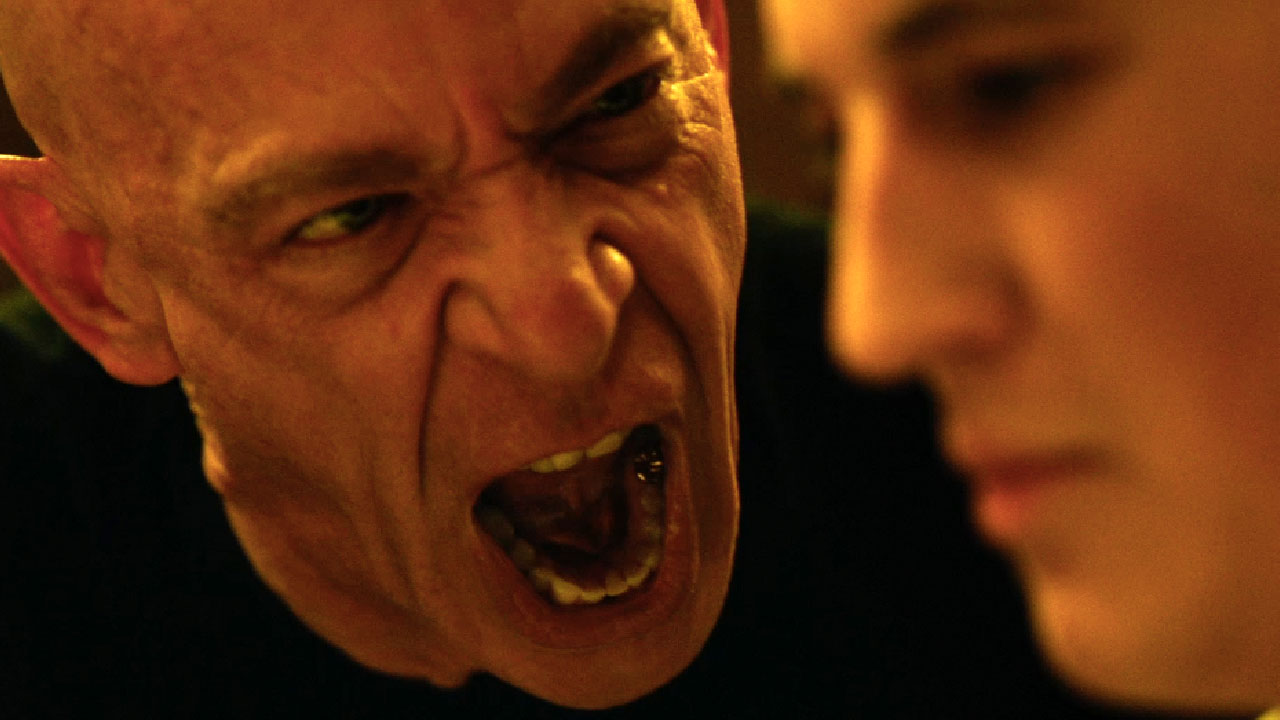
He plays Terence Fletcher, the meanest, most abusive professor at the finest music conservatory in New York. Miles Teller plays the driven young drummer taking the lion’s share of his torment at the moment.

Writer/director Damien Chazelle has crafted a unique and immensely tense human drama, and his casting could not have been better. Teller and Simmons offer not an inauthentic moment as both inhabit characters that are not like the rest of us, which is necessary in an environment where the next Charlie Parker could emerge. There is something excruciating and beautiful and dizzying about their bursting volcano of a relationship.

That neither is an entirely good person makes the film that much fresher. Surprisingly, Whiplash is neither victim versus victimizer nor is it a testament to tough love. Chazelle abandons all cliché, rarely taking the predictable course. His provocative choices and his leads’ fearless work set this film far apart from other mentor/mentee pics.

Teller has real talent, a fact made clear in his screen debut Rabbit Hole. He understands the drive, arrogance, need and insecurity roiling beneath the surface of his character. His screen time with Simmons is violent, vibrant magic.

Whiplash takes us to the burgeoning of that solitary, lonesome madness that marks so many artistic geniuses. It isn’t tidy, it isn’t comfortable, it isn’t quiet but it is endlessly fascinating and it sounds good.

Verdict-4-0-Stars

Stewart’s Moment of Zen

Rosewater

by Hope Madden

It should probably come as no surprise that Jon Stewart has keen instincts for telling a tale about journalistic integrity, witness bearing and global politics. It is perhaps even less shocking to find that he can weave wry humor into the most unexpected places, or that his insights are sharp and his material is smart.

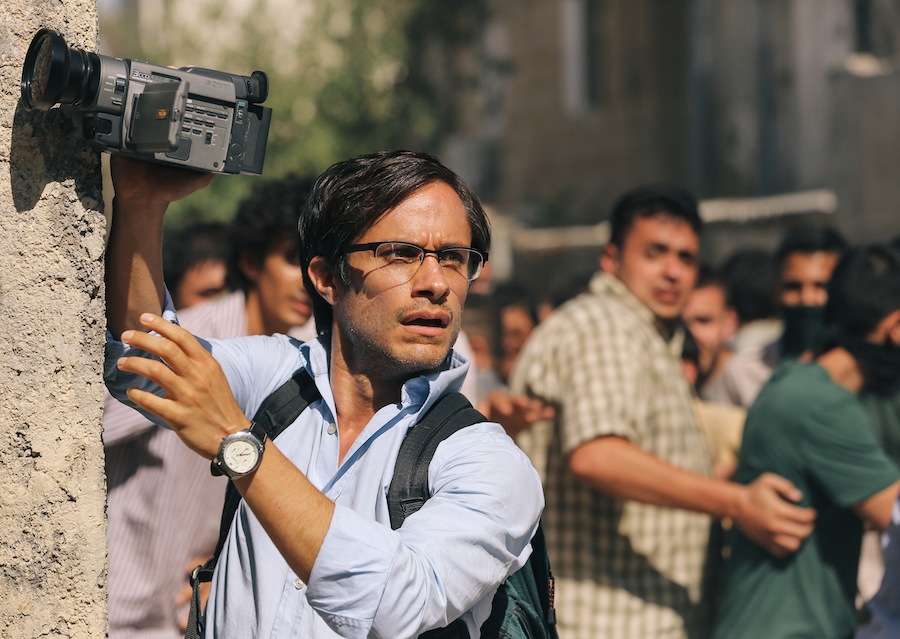
His directorial debut Rosewater recounts journalist Maziar Bahari’s story of capture and captivity during protests following Iran’s 2009 presidential election.

The always wonderful Gael Garcia Bernal plays Bahari with the perfect mix of wisdom, naiveté, fear and courage – sometimes all flashing at once across his face. He’s more than matched by two magnificent supporting turns.

Iranian born Shohreh Aghdashloo (House of Sand and Fog) plays Bahari’s mother with pride, humanity and strength in every gaze, every tear. She’s never turned in a weak performance, but as the world-wearied matriarch of a politically troubled family, she is at her stirring best.

Likewise, as Bahari’s detention “specialist” – the man assigned to his daily mental, emotional and physical torment – Kim Bodnia shines. Like his colleagues, Bodnia says more with his posture and expression than with his lines. He creates a layered and fascinating character of a man most films would cast aside as a one dimensional villain.

There are weird comic moments between Bodnia and Bernal that are thrilling to watch.

Stuart possesses genuine skill as a director, layering performances with sounds, images, even framing that enrich every scene. He details early exposition with lovely, rich imagery that provides more power to the foundational scenes than the voiceover alone ever could.

He writes a pretty mean screenplay as well, adapting Bahari’s book into a succinct, approachable but intelligent tale. He knows how to use a quote from Iranian poet Ahmad Shamloo, sees the dramatic benefit of understated dialog, and recognizes the soothing balm of a well placed Leonard Cohen song.

Rosewater is not a condemnation or a chance for finger wagging – an opportunity that must have appealed to Stewart, whose program The Daily Show had actually contributed to Bahari’s plight. Instead Stewart crafts an image of modern journalism, global politics, and outdated ideology that has a pulse as quick as its tongue is sharp.

Just as Stewart the stand-up comic became one of the most urgent and satisfying voices in American broadcasting, so has this talk show host suddenly blossomed into one of this year’s most relevant filmmakers.

Verdict-4-0-Stars

Fireworks & Ringtones

Dumb and Dumber To

by George Wolf

After 20 years, one ill-advised prequel and several false starts, Harry Dunne and Lloyd Christmas are finally back for more moronic hijinx in Dumb and Dumber To, and while the sequel may be dumber, it’s not at all fumber..funner..er, funnier.

The Farrelly Brothers are back to direct and help write the screenplay, and they set the course for another road trip, as Harry (Jeff Daniels) needs a kidney transplant and Lloyd (Jim Carrey) figures the best candidate for a donor is a brand new family member. It seems that years back, Harry got lucky with the town floozy (Kathleen Turner, agreeing to painful jokes about her current appearance) and now has a grown daughter that was adopted by a rich, famous scientist.

That daughter, named Penny (Rachel Melvin) is a chip off the old blockhead and is en route to a convention so she can accept an award on her ailing adopted father’s behalf. So the boys are off to find her, in hopes that Harry can get a kidney and Lloyd can pursue the crush he’s developed since first seeing Penny’s photo. Eww.

Expect plenty of sight gags, toilet humor, bodily fluids, funny faces and butchered wordplay (“that’s just water under the fridge!”) as well as an abundance of overly contrived situations. Though there are a couple solid laughs (watch out for the fireworks and listen hard for Lloyd’s ringtone), most of D&DT doesn’t rise to the inspired lunacy of the original.

Keep in mind, though, that there wasn’t really a call for a sequel until two decades of cable airings made the original Dumb and Dumber a cult classic. The need for a part 3 might take twice that long.

OK, fine, I’ll say it…

So you’re telling me there’s a chance!


Verdict-2-0-Stars


Girl Gone


White Bird in a Blizzard

by George Wolf

Ready for a pulpy mess of lust and mystery? Gregg Araki’s White Bird in Blizzard serves it up with mixed results, buoyed by another terrific performance from Shailene Woodley.

Woodley is Kat, a 17 year-old high schooler in LA. It is 1988, and just as Kat is blossoming into womanhood, her mother Eve (Eva Green) is withdrawing into a bitter, vindictive drunk. When Eve suddenly vanishes, Kat appears unconcerned, even while her father Brook (Christopher Meloni) is reporting the disappearance to police and hanging “missing” flyers all over town.

Kat’s boyfriend (Shiloh Fernandez), her two best friends (Gabourey Sidibe, Mark Indelicato) and her therapist (Angela Bassett) all try to comfort her during the stressful time, but Kat insists she is fine. Frequent, vivid dreams about her mother suggest otherwise.

Director Araki, who also wrote the screenplay, adapts Laura Kasische’s novel with wildly shifting tones, anchoring the film with the solid portrayal of a sensitive young woman while surrounding her with surreal dreamscapes and over-hyped dramatics.

We hear a marriage described as “a lone drink of water from a frozen fountain,” and watch a character walk slowly away before turning on heel to proclaim, “I will tell you one thing’!” amid set-pieces bursting with kitsch.

And there’s Green, in manic Mommie Dearest mode, vamping it up in skimpy attire for her daughter’s boyfriend, then leaning back to release a condescending guffaw in her husband’s face. Green’s performance is can’t-look-away hypnotic, even as it crashes headlong into her young co-star’s authenticity.

Woodley continues to show the chops of a future Oscar winner, and she makes Kat’s complex emotions ring true, no matter what noir trash is going on around her. As Kat screams “What is wrong with you? Are you insane?” at her mother’s antics, the outburst cuts deeper than it has a right to.

The erratic flashbacks and anticlimactic ending add to a temptation to the label the entire project as simply amateurish, but Araki’s resume (Mysterious Skin/Kaboom) suggests otherwise. He’s got a vision for White Bird in a Blizzard and he sees it through in so many ways, some of them can’t help but feel right.


Verdict-3-0-Stars


Beyond the Cliches

Beyond the Lights

by Hope Madden

Don’t let the Beyond the Lights trailer fool you. What looks like a by-the-numbers melodrama about selling your soul for success does follow a familiar trajectory, but it does a fine job with that journey.

Noni (Gugu Mbatha-Raw) teeters at the edge of superstardom: she’s just won a Billboard award for her rap duet with hip hop giant Kid Culprit (a wonderfully sketchy Richard Colson Baker – better known as Cleveland’s own Machine Gun Kelly – in his screen debut), and her first album, releasing in days, is poised to break records. But the troubled star is buckling under the pressures and compromises.

In comes Kaz (Nate Parker), or “Officer Hero” as Noni’s fans come to call him.

Yes, his grounded do-gooder character wants Noni to respect herself, and the big question is whether the pull of fame will tear them apart, which is a wildly predictable set up. But writer/director Gina Prince-Bythewood (Love & Basketball) knows what she’s doing. She certainly cobbles together a familiar frame – part Gypsy, part Glitter, part Mahogany – but somehow the final product feels, if not fresh, at least relevant.

Mbatha-Raw stands out in her second powerful performance this year, after her stunning turn in Belle. She never resorts to clichés. She’s able to craft a character with both an entirely believable public persona as well as a blossoming personality of her own. There’s not a false note in the performance.

Parker’s less effective – in fact, though he’s turned in worthy performances throughout his career, here he’s strangely wooden. Still, the two have some chemistry and Mbatha-Raw is so compelling that you’re hard press to take your eyes off her anyway.

Not that Prince-Bythewood doesn’t offer plenty of reasons to look away. Her camera misses no opportunity to draw attention to Parker’s striking physique.

Minnie Driver impresses as the stage mother, and Prince-Bythewood’s script offers plenty for her sink her teeth into. Threadbare plot aside, the writing is sharp and the direction is incisive. The opening scene confirms that this is not going to be a color by numbers affair, and the filmmaker peppers scenes with strong imagery as she gives her cast room to breathe and create memorable, dimensional characters.

The weakness of the central plot is problematic, and though the filmmaker takes advantage of the trope to draw attention to some gaping holes in our current culture, it still leaves a stale aftertaste. But if the storyline isn’t memorable, Mbatha-Raw is – and she’s worth the ticket price.

Verdict-3-0-Stars

Counting Down Holiday Must-Sees

Both Whiplash and Rosewater open this weekend at the Drexel and Gateway Film Center respectively. Both are must-see independent films with Oscar buzz aplenty, but they also signal the end of the fall films. Next weekend, things move toward holiday hoopla, and the awards-baiting indies flow alongside giant blockbuster contenders – indeed, the two sometimes even intersect. What are the holiday films to look out for?

The Hunger Games: Mockingjay – Part 1 (11/21)

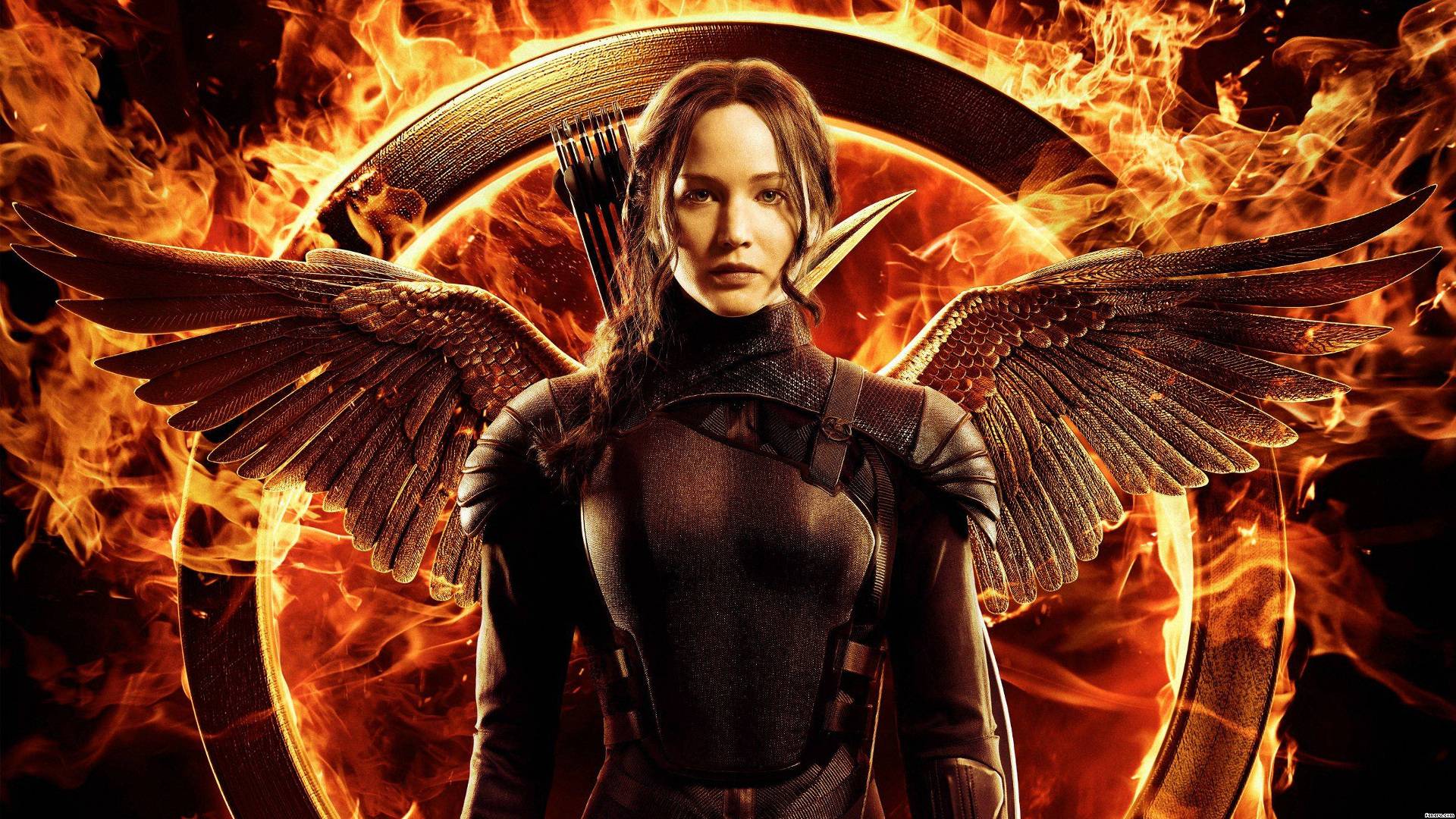
Not every adolescent novel series turns into quite this strong a film franchise. Much credit goes to the boundless talent of Jennifer Lawrence, whose surly heroine goes beyond games and into real revolution in the third of four installments.

Horrible Bosses 2 (11/26)

Will it garner Oscar nominations? No. But early word on the sequel to the surprisingly hilarious Horrible Bosses looks to have upped its game, and I want to play.

The Theory of Everything (11/28)

Get to know Eddie Redmayne. This guy can do no wrong, and he may finally get the notice he deserves in this film. Redmayne plays young Stephen Hawking in the magnificent James Marsh’s dramatization of Hawking’s relationship with his first wife, Jane (Felicity Jones).

The Imitation Game (12/5)

Benedict Cumberbatch is impressing early audiences in his turn as Alan Turing, an Englishman who helped break the Enigma code during WWII. Director Morten Tyldum’s last film Headhunters was too enthralling to miss his follow up.

Wild (12/19)

Reese Witherspoon is already the frontrunner in a an Oscar race not yet underway, but her turn as a woman who walks 1100 miles alone to get her head straight is impressing early audiences that much.

Unbroken (12/25)

Angelina Jolie goes behind the camera again, this time to direct the biopic of Olympian and POW Louis Zamperini. Actor-to-watch Jack O’Connell stars, but what’s more impressive is that Joel and Ethan Coen adapted Laura Hillenbrand’s nonfiction text.

The Interview, (12/25)

This Is the End proved that Seth Rogan and Evan Goldberg were solid comedic filmmakers. The two return to their spot behind the camera and pen, with Rogan and BFF James Franco starring as two shoddy journalists who head to North Korea to interview/assassinate Kim Jong-un. No taboo shattering there! It should prove to be uncomfortable, but smart money says it’ll be funny as hell.

Big Eyes (12/25)

Perennial Oscar contenders Amy Adams and Christoph Waltz star in Tim Burton’s biopic of artist Margaret Keane. Early predictors put Adams in the running for best actress, but if this is the film that returns Burton to solid directorial ground, it’s a victory already.

Into the Woods (12/25)

Rob Marshall brings the Sondheim musical to the screen, spinning a yarn that knots Brothers Grimm tales together and sees Meryl Streep, Johnny Depp, Emily Blunt, Anna Kendrick and Chris Pine playing recognizable fairy tale characters. Early word is that the cinematic version boasts inspired performances, particularly from Depp and Streep as The Wolf and The Witch, respectively. We’re in.
http://www.youtube.com/watch?v=2Byk9Is3TjY

Come January we can expect a couple late-running heavy hitters including Paul Thomas Anderson’s Inherent Vice and Clint Eastwood’s American Sniper before the winter blahs hit theaters. Foxcatcher’s been a moving target, but it looks like local audiences will finally get a chance to see that by mid-January. But you know what? As far as we know, the Browns may still be in contention in January, so we may still have something to watch!

Wait, did we just jinx us?

Twofer ‘Toon Tuesday For Your Queue

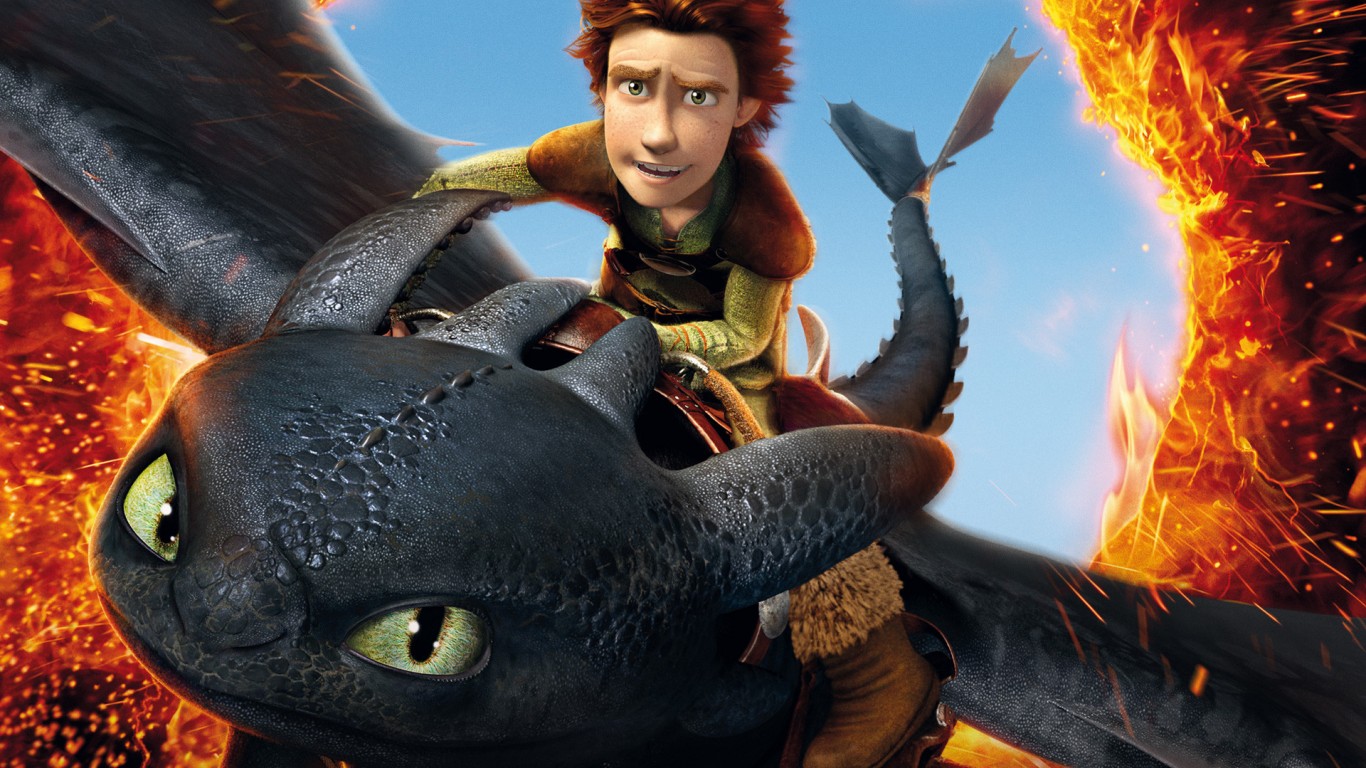
You can put that obscenely expensive, insanely large HD TV to good use this week, as How to Train Your Dragon 2 releases for home entertainment. As visually arresting as its predecessor, Dragon reunites viewers with Hiccup and his beloved flying dragon Toothless as they take on dragon-napping pirates led by Drago Bloodfish. That is how you name a villain! Breathtaking visuals and a story rooted in family and frienship make this sequel well worth looking into.

An obvious double bill is the gorgeous, moving and thorougly entertaining original How to Train Your Dragon, but we hate to be so obvious. Instead we’re recommending another film about a boy, his unusual best friend and their adventures: The Iron Giant (1999). Director Brad Bird’s first feature roots itself in 1950s Cold War hysteria but tells a story brimming with immediacy. It’s also one of the more deeply touching animated adventures you will ever find.

The Art of the Mail


Making Mail

by George Wolf

In a digital age that often renders letter delivery nearly irrelevant, there exists a group of people who use “snail mail” to express themselves artistically and establish deeply personal connections across the miles.

Making Mail, a Kickstarter-funded documentary from Columbus-based filmmaker Michael Polk, does a good job of doing what good documentaries do:  uncovering a world you probably know little, if anything about. Through interviews with mail artists and numerous examples of their work, we’re introduced to a thriving community anchored in the intimacy of letter writing.

As one artist explains, “It costs 46 cents and really brightens someone’s day,” a sentiment which seems to be shared by most everyone involved in mail art. The common thread appears to be rising above social awkwardness by imaging the positive response the mail art gets from the person it is sent to, even if the artist is not there to see it first hand.

Polk is also effective at showcasing the paradox that the internet presents for ambitious mail artists. Their craft may be steeped in traditional modes of communication, but the most efficient way to make themselves widely known is posting their work online.

Though Polk grabs your attention to his interesting subject immediately, a repetitive vibe creeps in around the 60 minute mark, suggesting a bit of editing and a reclassification as a “documentary short” might benefit the film long-term. The sound editing could use some work as well, as the volume of the background music rises and falls, and then sometimes vanishes completely mid-segment.

But credit Polk with shining an interesting light on a little-known segment of the art world.

You can watch Making Mail online HERE.

Verdict-3-0-Stars


Color Me Weirded Out

The Strange Color of Your Body’s Tears

by Hope Madden

For a Belgian film, The Strange Color of Your Body’s Tears sure feels Italian.

Married writing/directing team Helene Cattet and Bruno Forzani appear to be fans of Italian horror – the gaillo style of Mario Bava and Dario Argento, in particular.  Their more memorable films had a dreamlike quality, and often boasted vivid colors and superb cinematography. Almost invariably their storylines were mysteries wherein an unknown marauder in black leather gloves picked off beautiful women in particularly bloody fashion.

Or, for Cattet and Forzani: check, check, check and check.

Bava and especially Argento have often been criticized for the overt sexuality and misogyny of their work, but Cattet and Forzani are not among the critics. Indeed, their film takes all those elements Bava and Argento are known for, amps them up, then basically drops the idea of any coherent narrative. The result is a visually arresting fantasy of blood and sexuality.

A man returns from a business trip abroad to find that his wife is missing, but the chain was on the door, so how is that even possible? He promptly drinks himself into a stupor, harasses his neighbors, then begins collecting weird clues. There ends any sense of narrative structure.

From there expect a lot of heavy breathing, ornately decorated bedrooms, hidden passageways, and characters with suspicious backgrounds and nefarious motives. Plus a lot of nudity and plenty of blood.

Cattet and Forzani display an imaginative and commanding directorial style. The film’s serpentine structure suits the almost unconnected scenes, saturated with color and surreal imagery. They’ve created a truly dreamlike quality with a film rich with bizarre and provocative ideas. And had their film been a short, or even a sixty minute exercise, it would have been quite a product. Unfortunately, it runs for 102 minutes.

Long before the film is over the novelty may wear off, as well as the astonishment with the directorial mastery. It begins to feel like a bad dream that is no longer very scary, just tiresome in that it won’t end. Maybe a few additional themes or ideas would help, as the film circles back so often to the same cycles of images that it grows wearying. The Strange Color of Your Body’s Tears is a fine cinematic experiment, just not an entirely successful one.

Verdict-3-0-Stars

Hope Madden and George Wolf … get it?