Category Archives: New In Theaters

Reviews of what’s out now

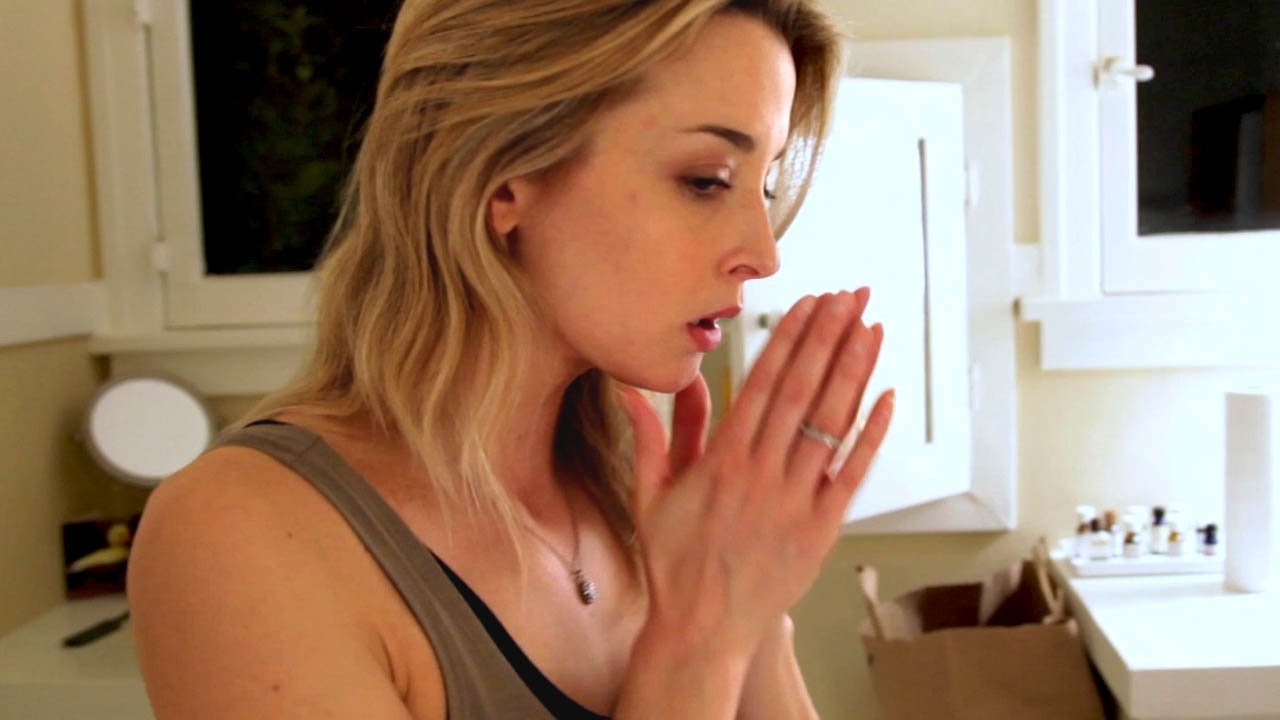
Don’t Call It Lip Service

Burt’s Buzz

by Hope Madden

Burt Shavitz does not measure success the way most of us do, but if you like old hippies, bees and golden retrievers, he may have just the movie for you.

That bearded kisser that graces the little tins of Burt’s Bees creams and jellies belongs to Shavitz, and filmmaker Jody Shapiro hopes to get behind those rheumy eyes with his new documentary, Burt’s Buzz. He’s not the only one. His film is littered with folks – Burt’s brother, his caretaker, his marketing contact in Taiwan – who would dearly like to make a personal connection, get to know the real Burt.

It turns out, the man is a bit of a conundrum, a walking contradiction, even – which should come as no surprise from the guy who uses his own ugly mug to hawk beauty balms.

Shapiro’s film is most engaging when it lets itself simply capture the contradictions: the septuagenarian Mainer living without electricity or hot water as he’s greeted by throngs of screaming, bee-costumed fans in a Taiwan airport; the fella too frugal to fix his hot water heater, complaining that the marketing folks didn’t bring Turkish coffee, but regular. But Burt is an eccentric old cuss and, more than anything, he is not what you expect and doesn’t care.

For many, including Shaprio, the film might seem a likely expose on the hostile takeover that forced beekeeper Shavitz from his company in the Nineties, when his then-partner in life and business Roxanne Quimby bought him out, only to later sell the company to Clorox for epic riches. (Yes, the international bleach company owns the earth-friendly Burt’s Bees. This film breathes these little ironies.)

But pity is not appropriate. Shavitz walked away from corporate wealth as a youth when he turned down the chance to run his family business, and walked away from prestige and fame in the Sixties when he quit his successful venture as a photo journalist to move to an abandoned barn in Upstate New York.

It’s hard to tell whether Shapiro is impatient with his subject, or whether he’s afraid the audience will be, but when the filmmaker can just settle down and let the cameras roll, you finally get a feel for who Burt Shavitz is. It’d be too patronizing and myopic to call his a simple life – I haven’t been to Taiwan, I never photographed Malcolm X, I never lost a multimillion dollar company, and none of that seems simple to me.

He isn’t simple, isn’t quaint, and is not likely to be what you expect. Except when he is.

Verdict-3-5-Stars

Deja Cruise


Edge of Tomorrow

by George Wolf

Remember how badass Sigourney Weaver’s Aliens battle suit was back in ’86?

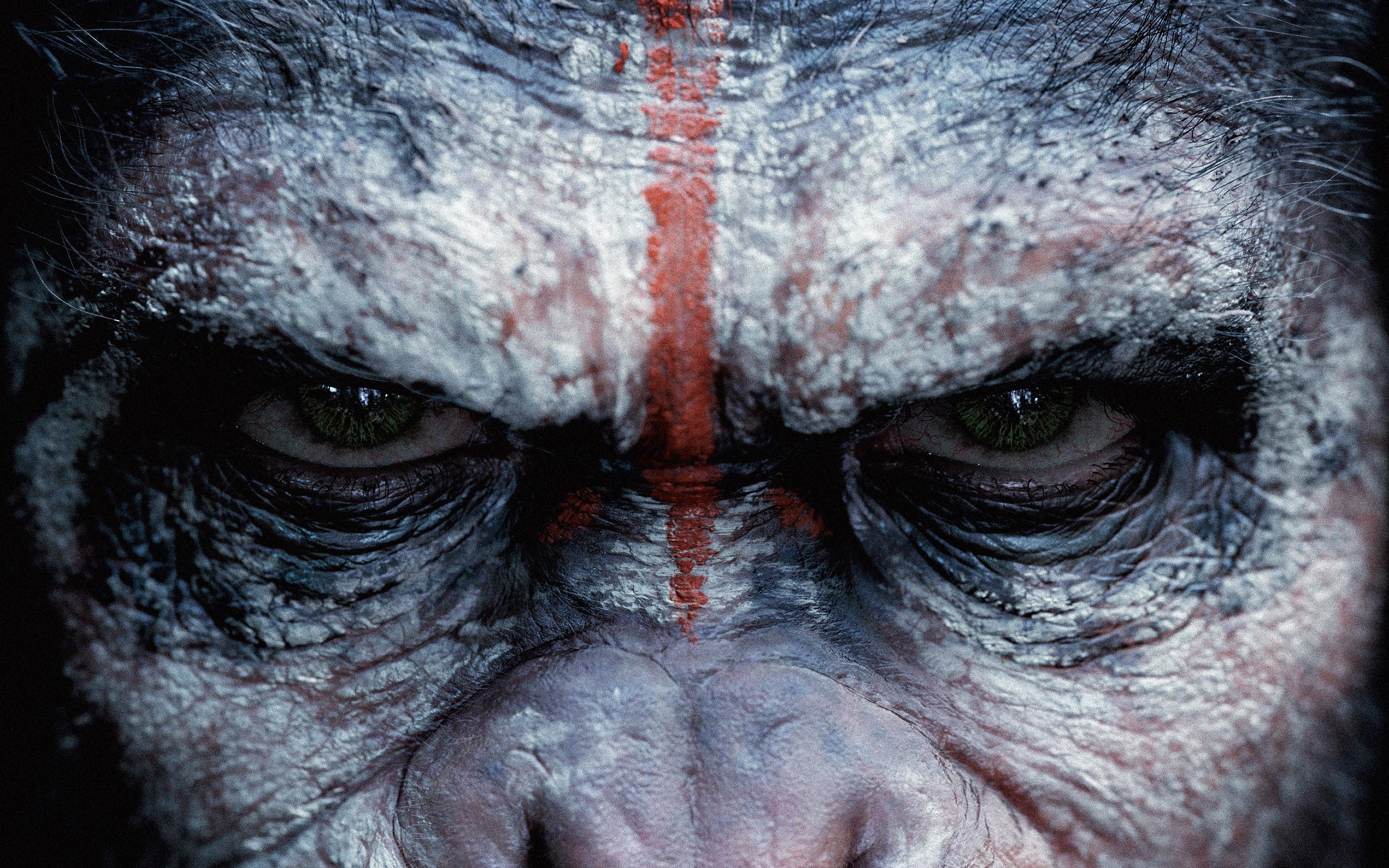
Edge of Tomorrow remembers it, along with a few other things about that movie and others, weaving all its inspirations into an entertaining slice of summer escapism.

As Lt. Col. Bill Cage, Tom Cruise is also battling aliens, albeit from a safe distance. Earth has been invaded by “mimics,” and Cage never met a TV talk show he didn’t see as a perfect chance to flash a handsome smile and sell the merits of a war that someone else will fight.

Until, that is, he’s suddenly fitted with his own super suit and made part of a doomed mission. After dying, he wakes up back at boot camp, reliving the same events over and over, death after death, until he can figure out how to break the time loop.

Cage’s first step toward an answer is meeting Rita (Emily Blunt), a celebrated war hero who admits she not only knows his story, she’s lived it.

Cruise’s latest is the smart sci-fi adventure that his last so badly wanted to be. Though Oblivion did boast more truly eye popping visuals, Edge of Tomorrow scores with sharp writing, crisp direction, vivid imagination and one damn good co-star.

Truly, Blunt classes up any project, from awful (The Wolfman) to awesome (Looper) to in-between (The Five Year Engagement). Here, she not only gives Cruise the strong female counterpart his movies often lack, she makes Rita the strongest personality, and the film is better for it.

For his part, Cruise shows some welcome range early on as a cowardly chickenhawk, slowly falling back into autopilot mode the more Cage becomes battle-hardened and heroic. Either way, his charm never wavers.

The team of screenwriters gives a sleek adaptation to Hiroshi Sakurazaka’s novel “All You Need is Kill.” Yes, we’ve seen these elements before, but the film carries a wise self-awareness about the familiarity, and is even able to toe the line between questioning the folly of war and respecting the sacrifice of soldiers in battle.

Director Doug Liman (Go/The Bourne Identity/Fair Game/Mr. and Mrs. Smith) again proves he knows his way around an action scene. Moreover, he handles the “Groundhog Day” transitions skillfully, injecting some humor and varying scene structure so that the repetitive events don’t feel repetitive.

Look past the isn’t-that-the-name-of-an-SNL-soap-opera-parody title, and Edge of Tomorrow delivers.

 Verdict-3-5-Stars


Terrific Texas Trio

Cold in July

by Hope Madden

Pulpy, seedy and hot with hidden dangers, Cold in July is that uniquely Southern crime drama that moseys at its own pace as it unveils its lurid details.

Michael C. Hall turns in his Dexter lab coat  in favor of a mullet and short-sleeved button down as Richard Dane, the Texan family man who startles a burglar and accidentally puts a bullet in his head.

Thus begins our investigation of Texan ideas of manhood.

Hailed a local hero, Dane is troubled by his own actions, but even more troubled when the dead boy’s ex-con father (a delightfully salty Sam Shepard) shows up looking for revenge.

Nothing’s as it seems in this twisty yarn that weaves through corruption, deception and the elusive honor in masculinity.

Here and in several other recent turns, Hall has proven a cagey character actor able to slip on the skin of wildly different characters and find an authentic human heartbeat. Shepard, a seasoned pro, also performs admirably, but both are routinely outshone by the sheer joyous swagger Don Johnson brings to his role as a flamboyant  Texas P.I.

With Johnson comes some much needed wry humor. His character’s entrance also alters the trajectory of the story, and while the film benefits from the change of course, it also never fully resolves the questions brought up during its first act.

Paternal anxiety fuels the sometimes questionable decisions made by the threesome, and the sordid, conspiracy-riddled mess they find themselves in is pure Joe R. Lansdale (Bubba  Ho-Tep!).

That great (and often mediocre) purveyor of pulp wrote the source material that’s adapted here by director Jim Mickle and his creative partner, co-star Nick Damici.

The duo have honed a storytelling style that never ceases to compel, with previous efforts (Stake Land and We Are What We Are, in particular) worth seeking out. This effort takes too long to find its path and its pace, feeling in the end like two separate films sewn together. Questionable character motives don’t help matters. But, together with a gripping trio of performances, the filmmakers have crafted a potent, unwholesome little thriller.


Verdict-3-5-Stars


No Badass is Safe

Maleficent

by Hope Madden

Hey, thanks a lot Wicked.

For those of us who love a good villain for their terrifying villainy, the popularity of the stage musical Wicked has created a bit of a problem: the neutering of the greatest of the greats. Gregory Maguire started it when he gave the Wicked Witch of the West a political backstory that exposed her self-sacrifice and good nature.

Now Disney wants to turn their greatest and most terrifying villain, Sleeping Beauty‘s Maleficent, into another role model.

Bah!

I’ll give them this. They can cast a lead.

Angelina Jolie has always cut an imposing, otherworldly figure, and Maleficent’s horns and leather look right at home. She offers the chilly elegance, dry humor and shadowy grace needed to bring the animated evildoer to life.

Plus, she looks great. And the film looks great – we’d expect nothing less from first-time director, longtime visual effects and set design maestro Robert Stromberg. But it’s not enough to save the effort.

The truly talented Elle Fanning struggles in an anemically-written role while Sharlto Copley flails, saddled with a character whose descent into madness is articulated with little more than overacting.

The basis of the problem is a toothless script by Linda Woolverton. Less the girl-power theme that elevated Frozen (another Wicked rip off) and more a bitter pill about untrustworthy men, the film feels mean in all the wrong ways. Woolverton’s also littered the enchanted landscape with forgettable or annoying characters – the three pixies of Disney’s ’59 animated film devolve from adorable, amusing pips to annoying, useless caregivers.

Stromberg’s plodding pace helps little. He forever undercuts any tension he builds, and the film suffers immeasurably from lack of momentum.

He and Woolverton could have learned a lot from the flawed but watchable Snow White and the Huntsmen (2012), a film that sought to update the old fable with a larger focus on its great villain without de-fanging her bite. Instead, Maleficent takes the very strongest element of the Sleeping Beauty fairy tale and weakens it.

Look out, Darth Vader. At the rate Hollywood is corrupting our great villains, you’ll be singing show tunes in no time.


Verdict-2-0-Stars


http://www.youtube.com/watch?v=_pgmFAOgm5E

Shooting from the Lip


 A Million Ways to Die in the West

by George Wolf


Picture Seth MacFarlane cracking wise as he watches an old western, and you’re probably not far from the inspiration for A Million Ways to Die in the West.

So how well do MacFarlane’s modern comedy cow patties work when dropped into a pasture of Old West cliches?

Pretty dang well, pardner.

MacFarlane, who co-writes and directs, also stars as Albert, a timid sheep farmer who’s brokenhearted over losing Louise (Amanda Seyfried) to the dashing Foy, owner of the town mustache emporium (Neil Patrick Harris).

Things start looking up when Anna (Charlize Theron) rides into town, and as she and Albert get friendly, Anna conveniently forgets to mention she’s already married to Clinch (Liam Neeson), the most feared gunslinger in the land.

With MacFarlane, you pretty much know what’s coming:  cutaway gags to reinforce a line, toilet humor, and sex jokes (turned up a notch here by the always-demure Sarah Silverman as a town prostitute). But the film also has good fun with the historical setting, as Albert often reacts to his world like a wiseass who just arrived from the future.

Even so, MacFarlane is wise enough not to resort to outright mockery, always keeping the door cracked open just enough to let some homage shine through.

The chemistry between MacFarlane and Theron helps loads. You saw it when she helped him with a bit during his stint as Oscar host in 2012 and you see it here:  they really like each other, and she thinks he’s really funny. Together, they’re a charming pair.

The middle suffers a bit from comedy drought, but the laughs come faster as Albert nears his final showdown with the evil Clinch. Expect a cast more than ready to poke fun at themselves, some very clever songs, a few inspired cameos and two extra scenes after the credits start rolling.

A Million Ways to Die in the West is a big, broad idea that’s thrown on the screen with more frenzy than focus. But will you laugh?

Darn tootin’.

Verdict-3-0-Stars


Put That Popcorn Down!


Fed Up

by Hope Madden

Today’s children will be the first generation with a shorter life expectancy than their parents.

With that sobering piece of information, Katie Couric and director Stephanie Soechtig explore America’s obesity problem, poking holes in conventional wisdom and exposing a culture far more concerned with profit than with our kids’ life expectancy.

Despite our culture’s twisted fascination with thinness, the market saturation of fitness products and low-fat food alternatives, and a First Lady committed to getting our kids in shape, America still leads the world in obesity and diabetes. According to this documentary, the numbers will only keep growing.

Likening the American food industry to the tobacco industry of just a few years ago, Fed Up points to a willful, frighteningly slippery misinterpretation of facts, burying of evidence, and corporate spin to account for our catastrophic rise in obesity rates.

First of all, Couric and Soechtig, along with a host of nutritionists, doctors, scientists, and Bill Clinton, want you to understand that the old adage that to lose weight you need to take in fewer calories and burn more calories is nonsense.

I know!

But they systematically point to evidence of cause and effect to actually back up their claim, and then they go on to unveil the corporate wheeling and dealing, governmental complicity and savvy marketing that has turned unprecedented numbers of our elementary school children in to diabetics.

The film is startlingly eye-opening, even for those who consider themselves fit.

Though her film is a well crafted, truly effective call to action, Soechtig missteps here and there.

Surprisingly, though Soechtig spends plenty of time on the almost oppressive availability of junk food – a fact that makes breaking the sugar habit potentially impossible for children and adults – she never really talks about the role convenience plays in our eating habits.

She also, and rightly, points to the fast food and soda conglomerates’ hold on our public school cafeterias as the younger generation’s involuntary indoctrination into a life of awful eating habits. She suggests we all call our principals and tell them to turn down junk food money. Maybe instead she should tell us to vote for some levees so our public schools wouldn’t be so desperate for funding that they get into bed with Pizza Hut, Coke and McDonalds.

Faults aside, the expose that emerges is one with unfiltered, confrontational information to share. It’s not infotainment, but a call to action, and one that we truly must heed.

Verdict-3-5-Stars


http://www.youtube.com/watch?v=KNqymWYB-18


Portrait of a Lady


Belle

by George Wolf


A scandalous affair. An innocent child. A society obsessed with money, power, and its own prejudices.

Belle is the latest historical drama to remind us that sometimes, the past looks pretty familiar.

It’s based on the true story of Dido Elizabeth Belle, born in the 1700s as the bi-racial daughter of a slave and an Admiral in the British Navy. She was raised by members of her father’s aristocratic family, standing alone as an anachronistic mix of wealth, prestige, and brown skin.

Actually, the story of how writer Misan Sagay came to find Belle could be a movie in itself.

Inspiration leapt from a painting of Belle and her cousin, Lady Elizabeth Murray, that Sagay (who adapted Their Eyes Were Watching God for TV) encountered while in Scotland as a college student. After years of research, Sagay’s screenplay mixes fact with poetic liberties to make Belle’s story truly compelling.

The cast is letter-perfect. In the lead, Gugu Mbatha-Raw delivers a breakout performance, infusing Belle with an effective mix of intellect, wonder, spirit and hurt. As family patriarch Lord Mansfield, Tom Wilkinson is…well, Tom Wilkinson, an actor who’s seemingly impervious to missteps.

Director Amma Asante not only gives the film a fitting majestic sheen, but delicately balances Jane Austen-style period romance with serious social commentary and historical heft. At times, Belle flirts with overplaying its hand on both fronts, but Asante displays fine instincts for restraint before the storytelling takes too obvious a turn.

It is a fascinating story and a completely satisfying film. When Asante finally throws her trump card and you glimpse the inspirational portrait, it’s clear that, whatever barbs historians may throw, they can’t keep Belle from hitting a bullseye.


Verdict-3-5-Stars


Benefitting from Low Expectations


Blended

by Hope Madden

In 1998, Adam Sandler, Drew Barrymore and director Frank Coraci made The Wedding Singer, one of Sandler’s more charming comedies. While Barrymore’s meandering career path has had its hits and misses since then, Coraci’s films have gotten progressively worse. Meanwhile, Sandler’s produced two Grown Ups installments, Jack and Jill, and That’s My Boy, among other affronts to both cinema and good taste.

Can a reunion with the romantic lead and creative drive behind an earlier, moderately enjoyable film rekindle enough chemistry to craft another passably entertaining flick?

Almost.

The group reunites for Blended, an impossibly contrived mash-up of The Parent Trap and Sandler’s 2011 debacle Just Go With It.

Sandler plays Jim, the schlubby but loving widowed father of three girls. Barrymore is Lauren, divorced mom to two boys. As the film opens, Jim and Lauren are on a blind date. They do not like each other at all.

I know – where could this possibly be going?

Do you suppose Jim’s daughters need a make-over…er…I mean mother?

And what about Lauren’s boys? Who will teach them to hit a baseball?

But wait! What if both families wind up accidentally sharing a suite in a South African resort – and during that resort’s Blended Families Celebration?

Do you believe in magic?

If you look beyond the ludicrous premise, and the themes that were relevant in the Seventies, and if you’re not too bothered by the mildly racist depictions of the hotel staff…all right, it’s no gem, but it’s no Jack and Jill, either.

Barrymore’s effortless likability helps a lot, as do relatively sharp cameos from Kevin Nealon, Wendi McLendon-Covey and Jessica Lowe.

Perhaps more importantly, there are no cameos from David Spade, Kevin James or Rob Schneider, so we can at least be thankful for small mercies.

You won’t laugh, but you might offer an anemic chuckle here and there. The film’s heart seems to be in the right place, more or less.

Seriously, did you see Jack and Jill? It’s really hard not to be grateful for Blended.


Verdict-2-0-Stars


http://www.youtube.com/watch?v=DPsBx82FN78

A Road Trip Like No Other

Locke

by Hope Madden

Give him the chance and Steven Knight will restore your faith in low budget filmmaking. All you need is a well written script, a car, hands free mobile, and Tom Hardy.

Actually, maybe all you really need is Tom Hardy.

In writer/director Knight’s Locke, Hardy plays Ivan Locke, and he and Knight invite you to spend 85 minutes in the car with him. The entire duration of the film takes place inside that car, alone with Ivan, who handles a crisis at work and a crisis at home simultaneously, all on the phone. Roll credits.

While it may sound boring as hell, please give it a chance, because Tom Hardy – and probably only Tom Hardy – has the natural charisma and bone-deep talent to keep every second of the film riveting.

Lucky Knight’s such a fine writer. Having penned the Cronenberg masterpiece Eastern Promises as well as Stephen Frears’s darkly winning Dirty Pretty Things, Knight’s proven to be a nimble storyteller. Locke offers none of the sinister, international dread that saturates those other efforts. Rather, like the driver of the car himself, we are trapped and yet propelled forward in a story confined to the immediate decisions and potentially disastrous effects spilling at the second.

It doesn’t just give Locke a powerful sense of immediacy. The simplicity of conversation and traffic and moments of silence between calls offer an undiluted image of action and consequence situated in such a familiar setting that it can’t help but feel universal.

Ever the chameleon, always an actor who leaves himself behind and utterly inhabits a character, Hardy’s performance here is nothing short of an education. He reveals more with less than any performer you’ll see this year.

He feeds off the talent of the ensemble – all vocal talent only – and it’s truly like nothing else onscreen. He establishes a character, authentic and whole, and though you are ostensibly trapped with him as he grapples with the collapse of his painstakingly crafted life, you cannot look away.

I can imagine no better antidote to a summer of monsters, mutants, super-this and exploding-that than a film so simple and powerful as Locke.


Verdict-4-0-Stars


Vampires Done Right


Only Lovers Left Alive

by George Wolf


Vampires again! Can’t we just give it a rest already?

I hear ya, but before you write them off completely, let Only Lovers Left Alive renew your faith in the genre’s possibilities.

Leave it to visionary writer/director Jim Jarmusch to concoct the perfect antidote to the pop culture onslaught of romantic teenage blood drinkers. OLLA is a delicious black comedy, oozing with sharp wit and hipster attitude.

Great lead performances don’t hurt, either, and Jarmusch gets them from Tom Hilddleston and Tilda Swinton as Adam and Eve (perfect!), a vampire couple rekindling their centuries-old romance against the picturesque backdrop of…Detroit.

I’m not going to lie, they had me at Swinton/Hiddleston/Jarmusch/vampires, but it’s such a treat to find the end result only exceeds expectations.

Not since the David Bowie/Catherine Deneuve pairing in The Hunger has there been such perfectly vampiric casting. Swinton and Hiddleston, already two of the most consistently excellent actors around, deliver cooly detached, underplayed performances, wearing the world- weariness of their characters in uniquely contrasting ways.

The less you know about the lifestyles of Adam and Eve, the better, and the plot consists mainly of consequences from a surprise visit by Eve’s sister Ava (Mia Wasikowska). But Jarmusch, as he often does, creates a setting that is totally engrossing, full of fluid beauty and wicked humor. 

His camera lingers in dark corners and high ceilings, swimming in waves of sublime production design, evocative music and mood lighting that is subtle perfection.  This is a master class in style and atmosphere, conjuring up a dark world you’re just geeked to spend time in.

There is substance to accent all the style. The film moseys toward its perfect finale, casually waxing Goth philosophic about soul mates and finding your joy.

Ironically, Jarmusch treats the possibility of nightwalkers among us more realistically than any vampire flick in recent memory. And in the process, has some wry fun with how the whole thing went south.

Talk about finding our joy.

Vampires are back, baby, and Edward can suck it.


Verdict-4-0-Stars