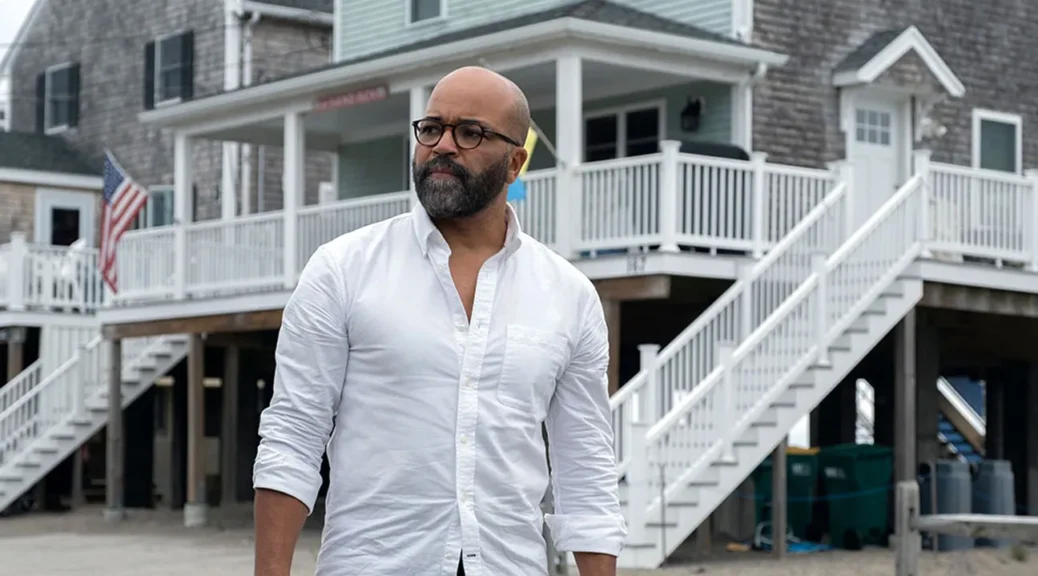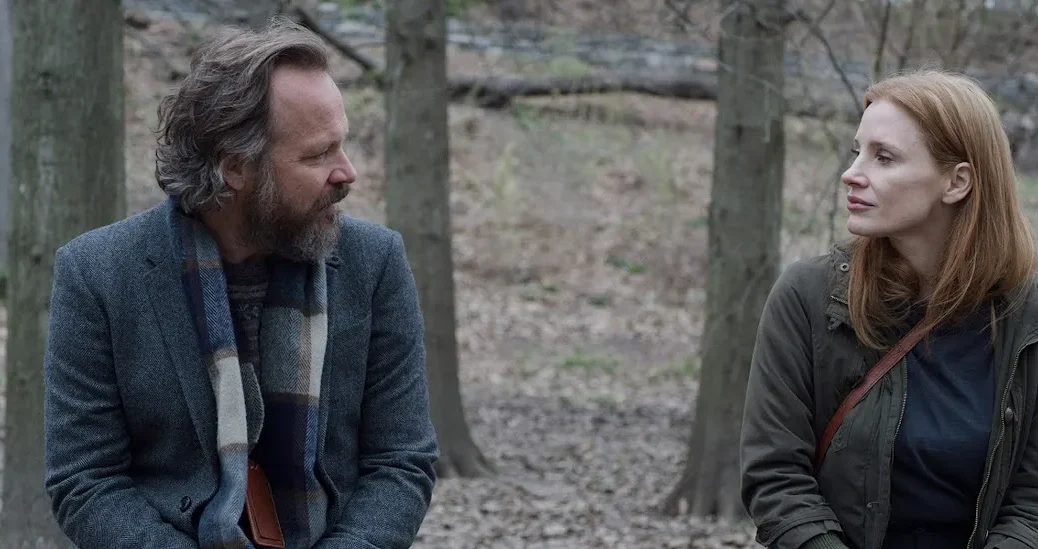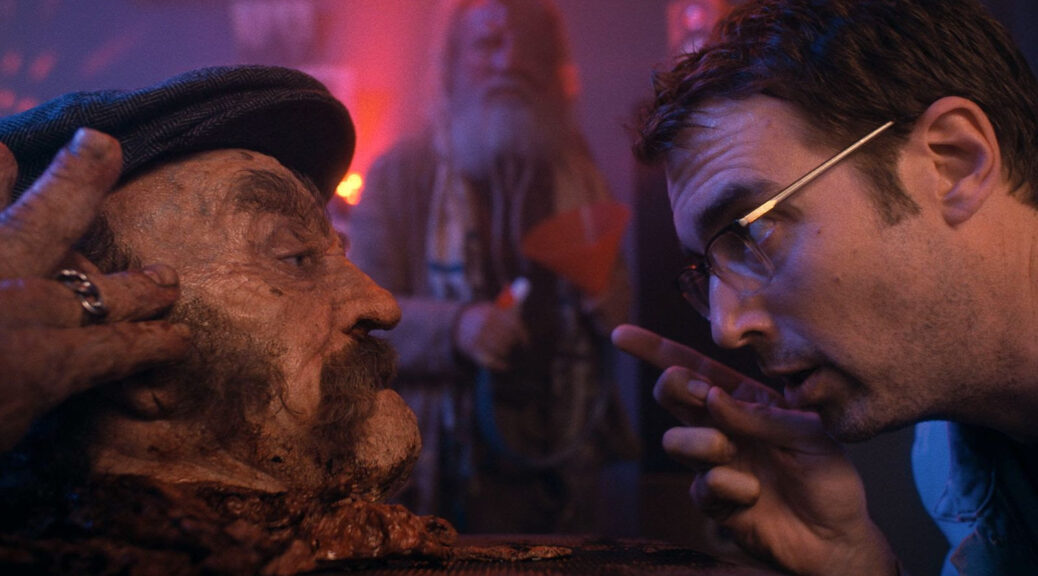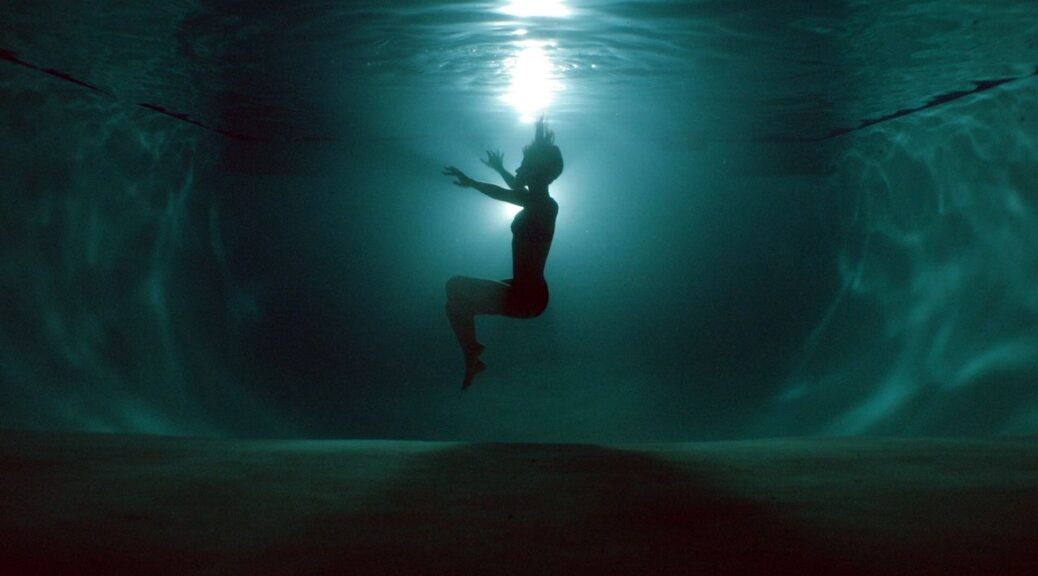
Tag Archives: Madd at the Movies

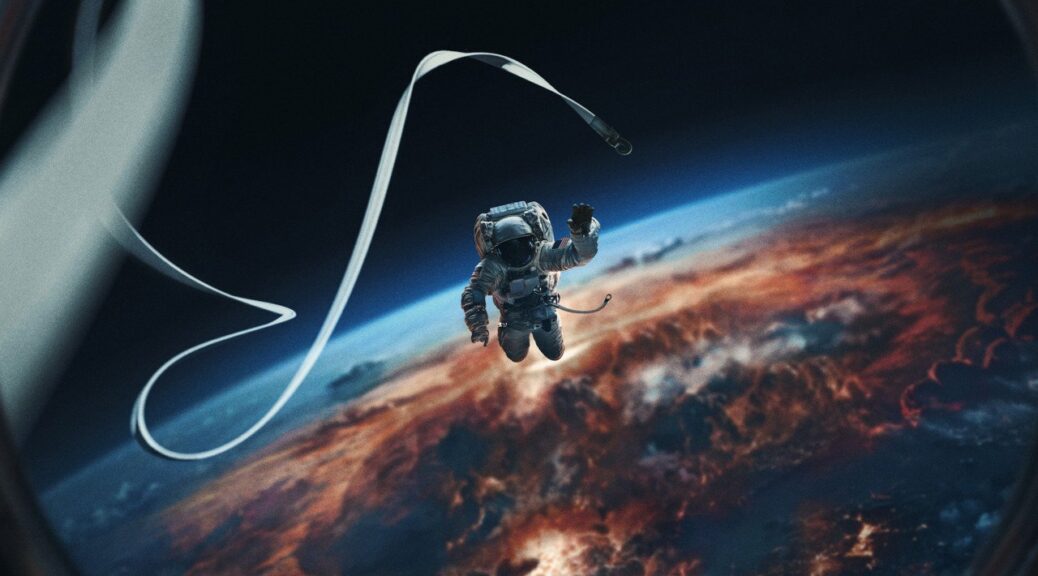
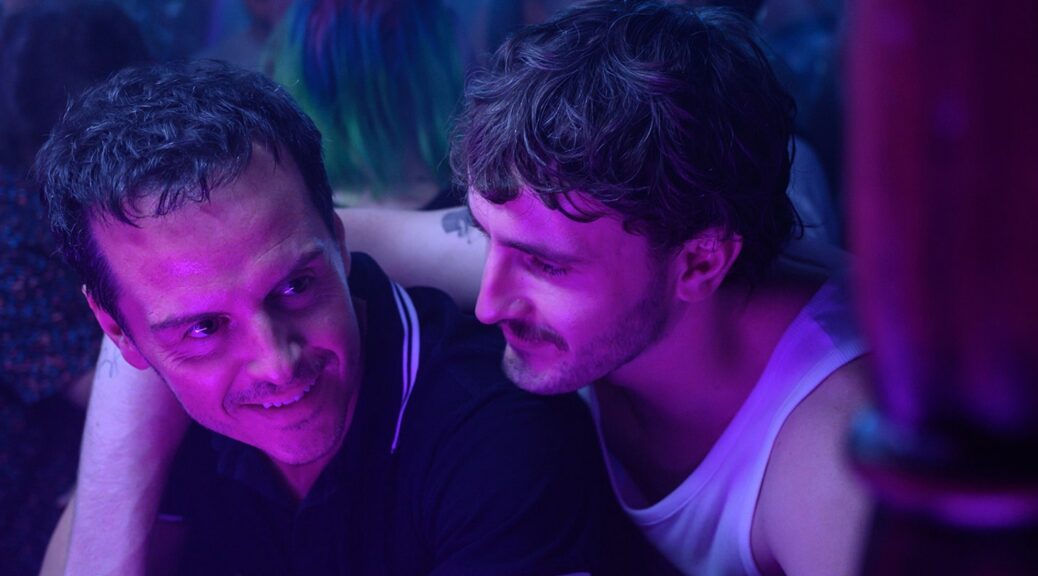
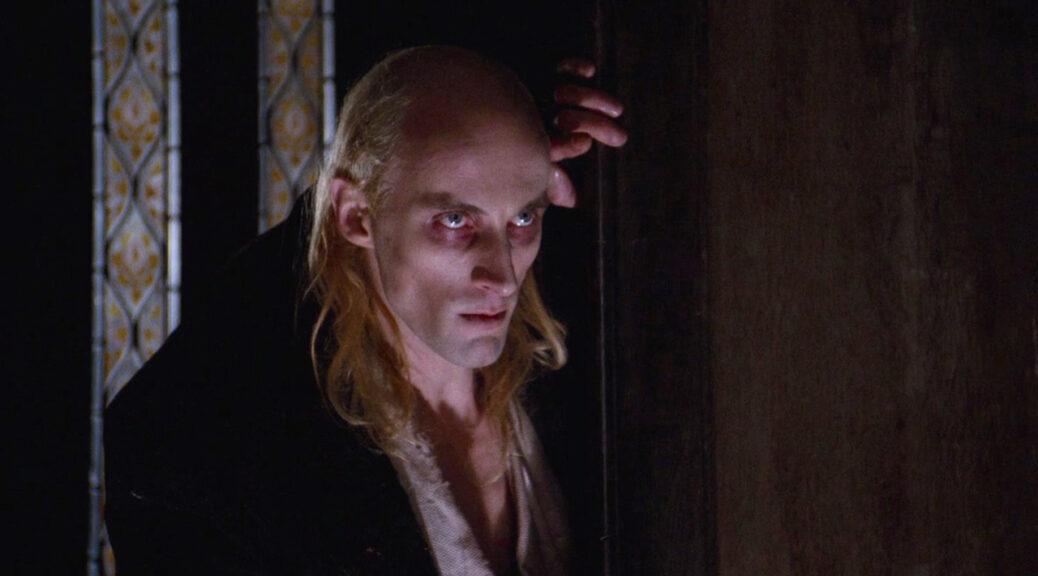
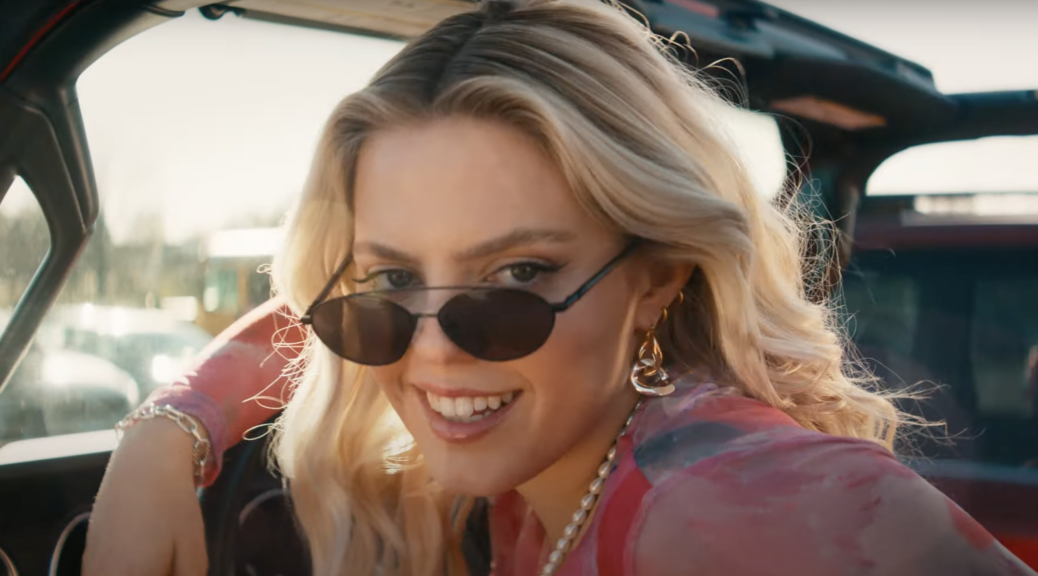
Night of the Penned In

Night of the Hunted

by Hope Madden

Sometimes simplicity in horror is very effective. Take a very routine moment, something so familiar to viewers they realize they wouldn’t even think twice about it, and turn it into something sinister.

It’s late. You stop for gas. A sociopath with a high-powered rifle and good aim is hiding behind a God Is Nowhere billboard.

Franck Khalfoun’s Night of the Hunted is the latest horror to make what it can of a tiny cast, limited set of locations, and modern anxieties. Camille Rowe is Alice. She and John (Jeremy Scippio) are on their way back from a conference – their relationship is complicated – but Alice is in a hurry. And not in a great mood.

It’s 2 am. They stop for gas. The sniper makes excellent use of the well-lit, heavily windowed setting. There’s also a walkie talkie.

Any film that focuses so heavily on an exchange between two people only works when the writing and performances are strong. Rowe delivers when the script lets her. Alice is savvy and angry, recognizes her weaknesses but makes frustrating choices. Those choices are, of course, part of the character’s arc. They may also be due to the fact that all five writers and the director are men.

Night of the Hunted pulls in a lot of buzzy ideas and mixes and matches in a way that’s sometimes clever – the sniper toys with Alice, but why would Alice (or the audience) believe he means anything he says? It’s also sometimes frustrating for a number of reasons, chief among them that the monologue never ties to anything concrete in the story. No insight is gleaned – which is fine as no insight is needed, but the film behaves as if the speechifying has relevance.

There’s tension and some smart moments, although Night of the Hunted is still just another horror movie made by men in which the female lead has no purpose or value until she finds her maternal instinct.

Fright Club: Backwoods Messiahs in Horror Movies

What is it about one charismatic leader that can cause so much devastation? Horror filmmakers have long dug into the narcissism, vanity, and downright evil that lurks within these figures. Here are our five favorite films about a backwods Messiah.

5. The Sacrament (2014)

Ti West dives into Jim Jones territory in probably his most assured film prior to X. A cast of West regulars Joe Swanberg, AJ Bowen join the great Gene Jones for a tense news event.

West mines tensions, upends ideas of safety and power, but never dismisses the vulnerability that draws people toward charismatic figures like Father (Jones). It’s this openness that creates room for the real frights in the film.

4. Jug Face (2013)

Writer/director Chad Crawford Kinkle brings together a fine cast including The Woman’s Sean Bridgers and Lauren Ashley Carter, as well as genre favorite Larry Fessenden and late-life scream queen Sean Young to spin a backwoods yarn about incest, premonitions, kiln work, and a monster in a pit.

As a change of pace, Bridgers plays a wholly sympathetic character as Dawai, village simpleton and jug artist. On occasion, a spell comes over Dawai, and when he wakes, there’s a new jug on the kiln that bears the likeness of someone else in the village. That lucky soul must be fed to the monster in the pit so life can be as blessed and peaceful as before.

Kinkle mines for more than urban prejudice in his horror show about religious isolationists out in them woods. Young is particularly effective as an embittered wife, while Carter, playing a pregnant little sister trying to hide her bump, a jug, and an assortment of other secrets, steals the show.

3. Luz: The Flower of Evil (2019)

As colorful as a dream, Juan Diego Escobar Alzate’s feature film debut Luz: The Flower of Evil looks like magic and brims with the casual brutality of faith.

Set inside a religious community in the mountains of Colombia, the film drops us into ongoing struggles with the group’s religious leader, El Señor (Conrad Osorio). No one knows the devil as he does, he reminds his daughter Laila (Andrea Esquivel).

She lives contentedly, devoutly, along with her two adopted sisters. El Señor and the villagers consider the trio angels—just as they believe the little boy chained up out back is the Messiah who will deliver the community from its recent calamities.

2. The Other Lamb (2019)

The first step toward freedom is telling your own story.

Writer C.S. McMullen and director Malgorzata Szumowska tell this one really well. Between McMullen’s outrage and the macabre lyricism of Szumowska’s camera, The Other Lamb offers a dark, angry and satisfying coming-of-age tale.

Selah (Raffey Cassidy, Killing of a Sacred DeerVox Lux) has never known any life except that of Eden, the commune where she lives with the sisters, the wives, and the Sheperd (Michiel Huisman, The Invitation).

Szumowska doesn’t tell as much as she unveils: Selah’s defiant streak, Sheperd’s unspoken rules, what puberty can mean if you’re a good follower. She strings together a dreamlike series of visions that horrify on a primal level, the imagery giving the film the feel of gruesome poetry more than narrative.

The Other Lamb does not simply suggest you question authority. It demands that you do far more than that, and do it for your own good.

1. Martha Marcy May Marlene (2011)

Writer/director Sean Durkin took essentially the Charles Manson story, set it within modern privilege, and swapped the point of view to create an unnervingly realistic look at the reasons people find themselves drawn to cults.

And then, once we relate to Martha (Elizabeth Olsen), he sets the true terror in motion.

This film – through brilliantly written and beautifully directed – benefits from perhaps the best ensemble of 2011: Sarah Paulson, Christopher Abbott, Brady Corbet, Julia Garner, Hugh Dancy. But Olsen’s fearless, vulnerable turn as the woman who just doesn’t fit is only exceeded by the great John Hawes in the most mesmerizing, blistering turn of his magnificent career.

Sea’s Bounty

Mami Wata

by Hope Madden

Almost Shakespearean in its scope, with a bold visual style that stands on its own, C.J. Obasi’s Mami Wata delivers a spellbinding folktale of power, of matriarchy versus patriarchy.

In the mythical village of Iyi on the West African coast of a time period that could be today, or could be the recent past, Zinwe (Uzoamaka Aniunoh) has lost patience with her mother, Mama Efe (Rita Edochie). Mama Efe is the village intermediary to Mami Wata, the sea goddess who protects and provides for them. Zinwe is eager to become intermediary.

Zinwe is not the only villager growing restless with Mama Efe. Wild, angry Jabi (Kelechi Udegbe) is calling for a revolution against the madness of the Mami Wata followers. But Prisca (Evelyn Ily Juhen) believes in her village and her people and hopes to resolve the conflict.

As is the case with most fairy tales, Mama Wati is symbolic, the story itself a simplified, magical version of life. In this case, a story of power and powerlessness is reminiscent of communities across West Africa over the decades. When Jasper (Emeka Amakeze) drifts ashore, with his outsider views and experience of war, a spark is ignited that Mama Efe will not be able to drown.

Obasi amplifies the tale’s cinematic quality with breathtaking visual instincts. The costuming and makeup – magnificently structured hairstyles, incandescent makeup and boldly patterned fabrics – give the story a hypnotic feel. Cinematographer Lílis Soares ­– whose work here earned her Sundance’s special jury prize – capitalizes on the film’s gorgeous production design as well as the expressionistic black and white to create a spellbinding vision suited to the tale.

Mami Wata is a spectacle of water and light. Raindrops on a forehead, seashells in a braid, sea spray as day turns to night – Obasi builds an otherworldly atmosphere from moments like these.

The action sequences feel a little out of place, and performances can sometimes come off as stilted. But the core themes take on heartbreaking relevance, and both Ily and Amakeze offer compelling turns. Plus, you will not see another film quite like Mami Wata.

Good Bones

15 Cameras

by Hope Madden

There have been a lot of movies that tread the same water as 15 Cameras: true crime, new homes, unannounced cameras, creepy guys, basements – among them, Victor Zarcoff’s 2015 thriller 13 Cameras.

I didn’t hold out a lot of hope for this one, honestly, but director Danny Madden (no relation), working from a fine script by PJ McCabe (co-star of 13 Cameras and writer of the criminally underseen The Beta Test), layers themes and ideas to develop a rich picture of villainy.

There’s a little hitch to the starter home recently purchased by Sky (Angela Wong Carbone) and Cam (The Wolf of Snow Hollow’s Will Madden, also no relation to me, but he is the director’s brother). They got the duplex pretty cheap, but that’s because the former owner is the famous Slumlord from a popular true crime show (full of footage from 13 Cameras), who’d wired all his homes up with many cameras, watched victims to get their habits down, then kidnapped and killed at will.

Sky can’t get enough of the show. She binges it, finishes it, and binges it again. It’s a huge turnoff for her ignored husband, and more than a little creepy to her sister Carolyn (Hilty Bowen), who’s crashing while she tries to get a restraining order against her ex.

And there you have it: one location (duplex), a handful of characters (those mentioned plus two tenants), and a found footage/true crime sensibility. Efficient, logical, but never boring and though inevitable, rarely truly predictable.

The slyest thing about 15 Cameras is the way it shows the distance between nice guy, abusive boyfriend and all out monster in inches. By keeping us with Cam’s perspective, that continuum takes on an even more powerful feel.

Will Madden does a fine job of developing an uncomfortable, believable arc for Cam. Likewise, Carbone allows her character enough space to be occasionally unlikeable, while often quite tender.

Indeed, all the performances have texture and depth, even those that might have been considered throwaways in other horror flicks. (Shout out to a very brief but memorable turn from Jim Cummings.) And the storyteller in Danny Madden knows how this should play out.

There’s nothing groundbreaking about 15 Cameras, but what it does, it does well.

Shots in the Dark

When Evil Lurks

by Hope Madden

Just when you thought no one could do anything fresh with a possession movie, Terrified filmmaker Demián Rugna surprises you.

Well, fresh may not be the word. Indeed, you can almost smell this putrid tale. I mean that in the best way.

Pedro (Ezequiel Rodriguez) and his brother Jimmy (Demián Salomón) hear shots. It’s late, and the sound is far – somewhere between their land and their neighbor Ruiz’s (Luis Ziembrowski) farm. The way Rugna reveals what the brothers find, where it leads them and what it unleashes is a tale so masterfully told you almost miss the underlying character study and the blistering performance that brings it to life.

When Evil Lurks does sometimes feel familiar, its road trip to hell detouring through The Crazies, among others. But Rugna’s take on all the familiar elements feels new, in that you cannot and would not want to predict where he’s headed.

As choices are made and usually regretted, Rugna propels his heroes onward, each step, each choice, each misstep adding pressure and confusion, unveiling the character beneath even as bits of the brothers’ history organically comes to light. This is a magnificently written piece of horror, and Rugna’s expansive direction gives it an otherworldly yet dirty, earthy presence.

The entire cast is wonderful, each one cracked and poisoned just a bit. But Rodriguez sears through the celluloid with a performance so raw, frustrating and full of rage it makes you uncomfortable.

His counterpoint, Salomón’s younger, gentler brother Jimmy, infects the film with enough tenderness to make the wounds hurt. And in creating injury, Rugna is fearless. No one is safe, not even the audience.

The inexplicable ugliness – this particularly foul presence of evil – is handled with enough distance, enough elegance to make the film almost beautiful, regardless of the truly awful nature of the footage. And Rugna never lets up. Each passing minute is more difficult than the last, to the very last, which is an absolute knife to the heart.

In case Rugna’s 2017 treasure Terrified didn’t solidify his place among the greats working in the genre today, When Evil Lurks demands that recognition.

Still Preoccupied

V/H/S/85

by Hope Madden

If found footage, horror anthologies and 80s nostalgia are your thing, V/H/S/85 is speaking your language. The sixth episode in the series straps on those heavy camcorders and uploads that security cam footage to remind us of all the horrors of the Reagan era.

Highlights include David Bruckner’s wraparound story, “Total Copy.” An alum of the 2012 original V/H/S and successful filmmaker behind The Ritual and the recent Hellraiser,  Bruckner has a tricky assignment. The wraparound has to serve as an anchor for the balance of the short films while standing on its own. Bruckner’s tale delivers a VHS tape of security footage that’s been copied over with commercials, exercise videos, and other horrors. But the main story it tells, of an entity in lockdown being studied by researchers, is chilling, sometimes funny, and eventually pretty bloody.

Not to be outdone, Mike P. Nelson contributes two short films with one clever twist. The first, “No Wake” follows a group of campers who head out onto a lake despite posted signage forbidding it. And though things go predicably wrong for them, the actual execution (both by the director and of the characters) delivers genuine surprises, as does the twist in Nelson’s second outing, “Ambrosia” about a fundamentally bent family tradition.

“TKNOGD” (technogod), from Natasha Kermani (Lucky), is the most daring of the set, although it nearly outstays its welcome before hitting its stride. A performance artist laments the blossoming obsession with tech. The plausibility of the audience reaction is almost as much fun as the gory finale of her show.

Gigi Saul Guerrero (Satanic Hispanics, Bingo Hell) contributes a news piece gone wrong during Mexico City’s 1985 earthquake. What’s most effective is her use of the set to increase claustrophobia to high levels before bursting that tension with the bloody finale.

Scott Derrikson’s (Sinister, The Black Phone) “Dreamkill” is the most effective and imaginative of the set, plus there’s a Goth kid! Now that’s a reason to love the 80s! A police detective keeps receiving VHS tapes in the mail of murders that have not yet been committed. From the grim crime scenes to the plot twists to the almost funhouse architecture of the final acts of carnage, “Dreamkill” never lets go.

This is the strongest set of shorts in a V/H/S installment in a while. It’s fun, gory, creepy and bite sized – ideal for the season.

Soul Power

The Exorcist: Believer

by Hope Madden and George Wolf

There have been more Exorcist movies than you might realize and almost all of them are good. One is great. One is a masterpiece.

Is it really fair to hold any of them up against the mastery of William Friedkin’s 1973 original? Well, The Exorcist: Believer flies the titular flag, and brings back Ellen Burstyn to reprise her role as Chris MacNeil, so the film isn’t exactly staying away from it. And with two more Exorcist films on the way, director and co-writer David Gordon Green is nothing if not ambitious.

Green has been here before, recently bringing Michael Myers roaring back to life with his Halloween trilogy. That project came out of the gate with strength and promise, which only made the final two installments that much more disappointing.

This opening statement brings cause for both optimism and worry.

Green’s multiple nods to Friedkin’s original start from Believer‘s opening frame, as Victor Fleming (Leslie Odom, Jr.) and his pregnant wife are traveling in Haiti. Tragedy strikes, and we move ahead thirteen years, with Victor raising Angela (Lidya Jewett from Hidden Figures and TV’s Good Girls) as a single father in Georgia.

Angela and her friend Katherine (Olivia O’Neill, in her debut) go missing after a walk in the woods, showing up three days later as very different people. Katherine’s parents (Jennifer Nettles and Norbert Leo Butz) are true Bible thumpers, and their contrast with Victor’s skepticism becomes an important thread that Green will pull to the end.

The girls’ shocking and blasphemous behavior leads Victor’s neighbor (Ann Dowd) to suggest contacting MacNeil, now a best-selling author who has devoted the last 50 years to understanding what happened to her daughter, Regan.

Odom, Jr. delivers a complex but never showy performance that anchors all the fantastical that orbits him. And it’s great to see the Oscar-winning Burstyn back in this role, but her rushed introduction here reminds you of what an effectively slow burn the original employed. Maybe today that’s a harder sell. But as good as all these performances are, you are just not as deeply invested once the fight for two souls begins.

Green does show a good feel for the callbacks, never going overboard and holding your attention with a consistently creepy mood. The girls’ makeup, demonic voices and atrocities combine for a series of solidly unnerving sequences. Nothing may come close to the shocks from the original, but really, what could? You’re not going to put another child actor through what Linda Blair endured.

Still, 1990’s Exorcist III managed two original moments that bring chills to this day, and nothing about Believer feels destined for iconic status.

The storytelling scores by mercifully limiting the Catholicism, as Green embraces the idea that every culture has a ritual for expelling evil. It’s nice to point out that the Catholics don’t hold a monopoly on exorcisms and that maybe horror fans have grown weary of priests and nuns at this point. Green removes the power from an individual faith and empowers the idea of community, where “the common thread is people.”

But while Believer brings in some welcome new ideas, it lacks the confidence to let a path reveal itself without guideposts of undue exposition. Too much of what happens in the third act is telegraphed early or explained late, even saddling the always-great Dowd with a needless, bow-tying monologue. 

What made the original great? Friedkin and writer William Peter Blatty tied us all up in one man’s shame, his inability to do the right thing, and his crisis of faith just to see him sacrifice himself for an innocent. Friedkin terrified us with the most unholy image one could imagine at that time, closed us in a tiny space with this foul idea, and then released us only when one good man died for us. 

The demon is again playing on shame and exploiting grief, ultimately revealing a long held secret that becomes key to the fate of both girls. And while the issue this film raises is worthy and mildly provocative, the question of where the franchise goes next is equally intriguing.

Believer spends two full hours telling the story, and it needs those 121 minutes. But Green doesn’t spend them where he should. He tells us too much, shows us too little, and doesn’t invest our time with characters so we feel for the families. There are scary moments, for sure, but this episode does not feel like a kick start to a beloved franchise or a new vision of evil. It feels like an entertaining sixth movie in a decent series.

Fright Club: Horror at the Dinner Table

The dinner scene is a staple in all of film. It’s a way to get to know the family, tweak tensions, display power struggles, uncover secrets, get sentimental, get gross.

And horror filmmakers have mined the anxiety of the dinner table brilliantly for decades. Hereditary‘s “I am your mother!” to The Invitation‘s big reveal, Invisible Man‘s public, damning murder to Beetlejuice‘s singing possession to every amazing scene in The Menu. There are dozens of worthy scenes and films to discuss, but since we must limit ourselves, here are our five favorite dinner scenes in horror.

5. Freaks (1932)

It’s the turning point in Tod Browning’s controversial film. It’s the moment when all the circus freaks embrace Cleopatra, accept her as family.

Gooble gobble gooble gobble, one of us! One of us! The proud call of the outcast, a phrase adopted and beloved but horror fans and weirdos the world over. Could Browning have known when he filmed this boisterous celebration that he’d instantly created a classic?

4. Dead Alive (Braindead) (1992)

Nasty!

Peter Jackson knows gross out splatter gore. If he didn’t prove that with his first films, he owns it with Dead Alive. Power tools and priests, zombie babies and Sumatran Rat Monkeys, and one delicious custard.

That custard bit wins. The dinner scene in this film – a movie spilling over with viscera – is among the most disgusting things ever set to film.

Bravo, Peter Jackson!

3. Rocky Horror Picture Show (1975)

Master! Dinner is prepared!

Poor Dr. Frank-N-Furter (Tim Curry, perfection). These party crashers have ruined his big event AND Rocky’s birthday party! And now that repugnant old scientist is here looking for Eddie – a rather tender subject.

An exceptional cast, a clever dance of allegiances, a showy reveal and my favorite “Happy Birthday” meme all roll into one delicious dish!

2. Eraserhead (1977)

Henry (Jack Nance) is so uncomfortable in this scene, and it’s the first scene where the audience really associates with him. He’s a hard character to get behind until he goes to his girlfriend Mary’s parents’ house for dinner.

Her dad tells this weird story and asks him to do the honors of cutting the meat. He’s nervous, wants to vanish, is afraid to say no but has no idea what to do.

Which is probably everybody’s fear in such a situation. Although, this being a David Lynch film, none of us will ever have exactly this experience. Man, Mom seems to be really invested.

https://www.youtube.com/watch?v=JamnCWXNsPs

1. The Texas Chain Saw Massacre (1974)

It is around the dinner table that a guest gets to see the true family dynamics. Sally’s getting a good look. Like a really close up, veiny eyed look.

This is the scene that grounds Tobe Hooper’s 1974 masterpiece. Suddenly it’s a family with a lived-in vibe and a backstory. And another person’s face. And a metal basin and a nearly mummified old man.

Edwin Neal’s already had his chance to nab the spotlight in the van, and of course Gunnar Hansen’s the star of the show. It’s in this scene that Jim Siedow gets to dig in and create an unforgettable character. And Sally (Marilyn Burns – god bless her) – goes through a lot and comes out the other side.