There are a limited number of reasons people become and
remain friends. Some of those reasons are just nonsense. And yet, three friends
of dubious worth to one another gather to repeat their familiar patterns, which
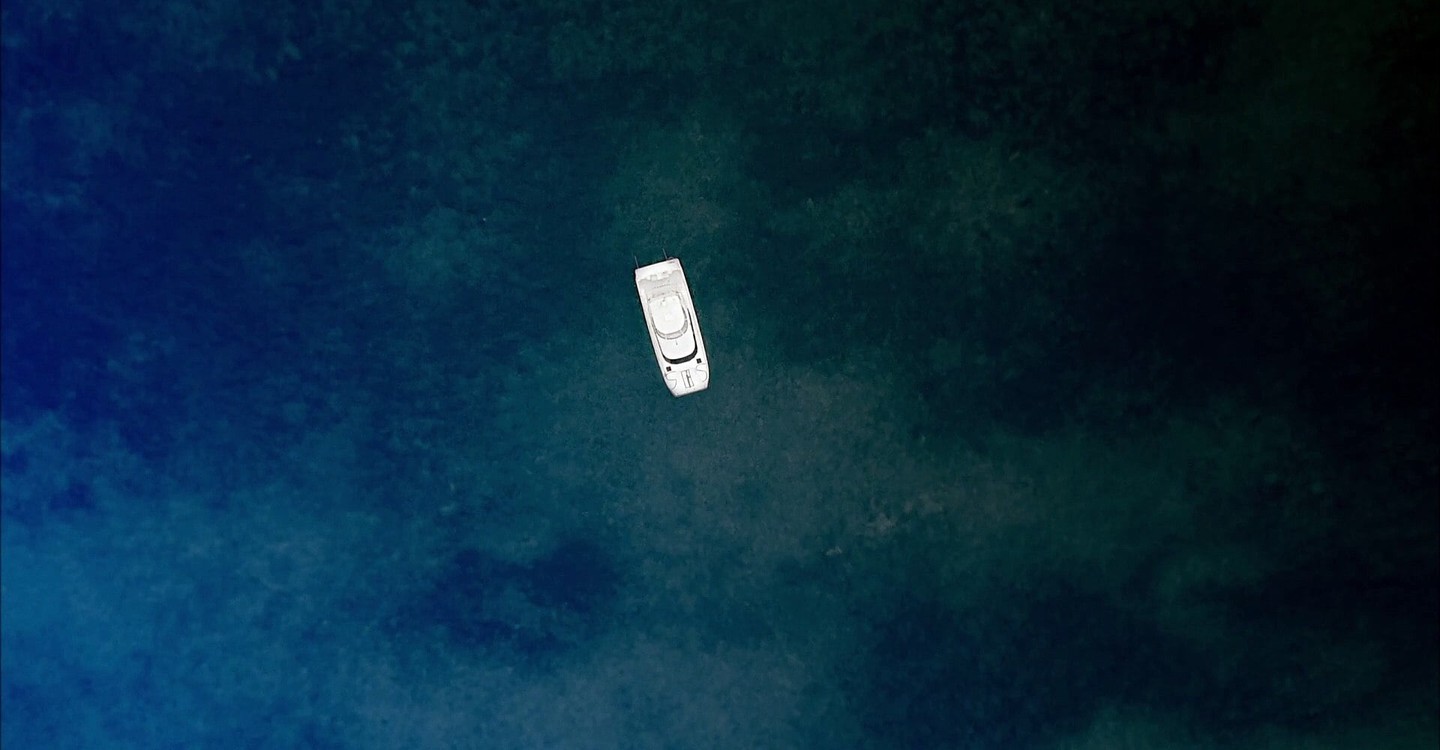
land them on a yacht for an apology daytrip.
Richard (Christopher Gray) — brash, spoiled and quick to anger— is apologizing. Jonah (Munro Chambers – Turbo Kid!) —bruised and bloody—is probably too quick to forgive. Sasha (Emily Tyra) has plenty of reason to be tired of both boyfriend Richard and bestie Jonah.
The fact that Jonah and Sasha bring along Richard’s birthday
gift clarifies how little anyone in this triangle has learned.
And so, Sasha, Jonah, Richard and Richard’s new harpoon set
off on an unplanned, ill-advised, seafaring jaunt.
Drinks all around!
Co-writer/director Rob Grant keeps events snarky with a voice-of-God narration (assuming God’s a sailor) performed by a brilliantly deadpan Brett Gelman. As far as this nameless narrator who inexplicably sees all is concerned, the dangers facing this volatile threesome have less to do with their pathological history and more to do with the sailing omens they ignorantly flout.
Give an irrational drunk prone to fits of rage the gift of a
pointy projectile weapon? Meh. But bring bananas on board—now that’s really
pushing things.
The darkly silly commentary adds some tang to the friends’
foolhardy adventure, but Grant’s themes are not entirely comedic. He strands
the trio at sea for days on end, their survival instincts overtaking their
petty sniping as they find a new reason for friendship: the common good.
Grant offers a nice balance here between dark humor and
genuine tension born of realistic performances. Chambers, Tyra and Gray offer
frustratingly recognizable characters, the kind that make idiotic choices, less
because it forwards the action of the script (although it does) and more because
people are stupid and they fall into familiar roles.
The film makes more than a few convenient moves, but it
packs a lot of surprises and showcases very solid performances.
When done well, their use of unseen horror gets under my skin like no other kind of scary movie. There’s a heart-pounding anticipation prevalent in these movies that tends to hit everything I find terrifying.
Of course, this reaction comes with good found footage movies. Does Hell House LLC 3: Lake of Fire rank up there with the greats?
Yeah… not so much.
Right before its demolition, Russell Wynn (Gabriel Chytry) swoops in to buy the infamous Abaddon Hotel. He’s young, showy, rich… and full of potentially bad ideas, such as using the hotel as the venue for his popular interactive show, “Insomniac.” Along for the ride is a journalist and her camera crew, a handful of actors for the show, and Russell’s dedicated, but ultimately naive, staff.
The original Hell House LLC delivered a budget-friendly, but fun, offering into the found footage canon. The filmmakers weren’t reinventing the wheel, but they understood what they could produce with the premise and money available to them. Director Stephen Cognetti’s knowledge of how to make basic scares work lifted the film to a higher level.
The slow-building of dread is a staple in this genre. It’s what gets the audience to squirm well before the proverbial shit hits the fan. Hell House LLC 3 peaks early with its scares and doesn’t quite finds its footing again. The climax ends up being more chaotic than scary with conveniently placed camerawork being substituted for well-placed frights.
The film truly stumbles by relying too heavily on the installments that came before. There’s far too much time spent building a mythology that brings in characters from the other two movies. As a result, Hell House LLC 3 never gets to work as a singular piece of filmmaking.
Outside of a few clever scares, this third installment in the Hell House LLC series never manages to rise above being a middling effort.
Have you ever noticed how adorable Browns fans are during pre-season every year? Every year! There is always reason for optimism.
That’s how I feel about filmmakers with the “haunted house attraction that’ll really kill you” premise. Year after year (The Houses October Built, 2014; 31, 2016; The Houses October Built 2, 2017; Hell Fest, 2018) somebody wheels out the stinky old corpse of an idea and says, “This year, we’ll get it right!”
The 2019 attempt belongs to writers/directors Scott Beck and Bryan Woods, who struck silent film gold last year with the screenplay for A Quiet Place. (In retrospect, maybe we didn’t give co-writer/director John Krasinski enough credit for that one.)
Haunt follows a handful of college students seeking thrills on Halloween. They stumble upon an isolated haunted house attraction—with not one single visitor. On Halloween night. Kids! Come on! Clearly it’s either the lamest thing on earth or it will kill you. This isn’t rocket science.
And yet, they give up their cell phones, sign some waivers
and enter.
Katie Stevens is Harper, damaged but mainly wholesome
brunette and center of gravity for the group. Will Brittain is Nathan, pre-requisite
“will they or won’t they” nice fella who sees past Harper’s prickly exterior.
In truth, the actors playing the six gullible youths all
perform above expectation and, mercifully, Beck and Woods choose not to subject
us to the couple that just can’t keep their hands to themselves.
Made sensibly and economically, Haunt sticks to what it knows and focuses on what it came to do. Gaps in logic are few (they’re there, but they’re not distracting). One or two of the kills offer intrigue and the villains are, if not especially impressive, at least kind of fun.
It’s adequate. Unlike the Browns. The Browns are going all the way this year. No doubt. No doubt about it.
For about 37 minutes, you may feel like Shin’ichirô Ueda’s One Cut of the Dead delivers, cleverly enough, on a very familiar promise.
One Cut opens as a micro-budget zombie movie, which soon reveals itself to be a film within a film when real zombies show up on set. As the bullying egomaniac director continues filming, ecstatic over the authenticity, Ueda appears to deconstruct cinema.
And though that may sound intriguing on the surface, the
truth is that what transpires after that 37 minute mark officially defines Ueda
as an inventive, gleeful master of chaos and lover of the magic of nuts and
bolts filmmaking.
To detail any additional plot points—as tempting as that is—would spoil the enjoyable lunacy One Cut has in store.
Suffice it to say, Ueda improves upon that opening act
without really losing the themes he introduces. Everything that feels like a
misstep blossoms into an inspired bit, all of it highlighting Ueda’s true love
for what he’s doing.
Likable and silly, One Cut is brightly economical, embracing rather than hiding its shoestring – in fact, Ueda’s camera jubilantly closes in on shoestrings. His movie giddily exposes the neuroses, dangers, tribulations and mistakes—he really, deeply loves the mistakes—inherent in genre filmmaking. If nothing else, this movie is a mash note to artistic compromise.
The manic comedy proves as infectious as the zombiism on the
screen, and much of the reason is the committed cast. Ueda allows each
performer the opportunity to grow and discover, and every actor at one point or
another takes full advantage of his or her moment to shine.
Harumi Shuhama particularly impresses as, well, let’s just
say she’s the make up artist and self defense hobbyist. Yuzuki Akiyama delivers
the most layered performance, but, playing the director, Takayuki Hamatsu
steals every scene. He’s hilarious, adorable, compassionate, and incredibly
easy to root for.
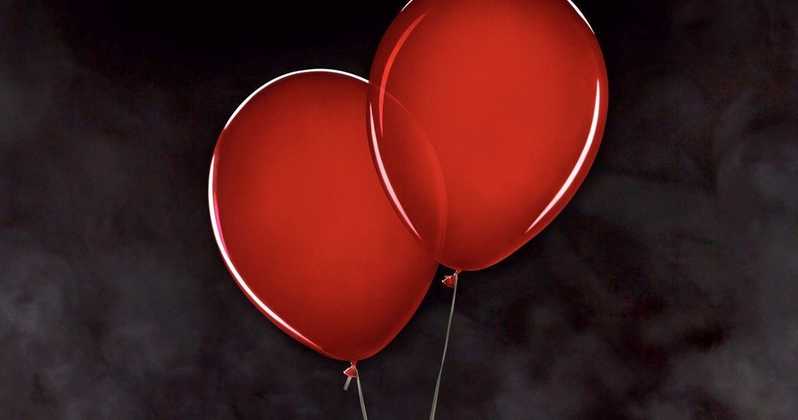
Two years ago, director Andy Muschietti and writer Gary Dauberman accomplished quite a magic act. They made the film It, not only improving upon Part 1 of the beloved 1990 TV miniseries, but cleaning up some of Stephen King’s most audacious, thrilling and sloppy work.
Their second outing together closes the book on Pennywise, the scariest of all scary clowns. But this sequel faces inherent obstacles that loom even larger because the second half of King’s novel and the ’90 adaptation are both worse than weak. They’re massive let downs, and it’s pretty tough to make a great film with poor source material.
How bad is the King ending? So bad that it’s actually a running gag in It Chapter Two, a tale that sees a bunch of losers returning to their hometown 27 years after they last battled town bullies, abusive fathers, low self-esteem and that psychotic, shape-shifting clown.
The outstanding young cast from chapter one returns for flashback sequences and sometimes awkward de-aging effects. Their adult counterparts are, to a one, impressive. Jessica Chastain is reliably solid, as is James McAvoy. Isaiah Mustafa (hey, it’s the Old Spice guy!) and James Ransone (Tangerine – see it!) make fine additions to the cast, but it’s Bill Hader who owns this movie. He’s funny, heartbreaking and more than actor enough to lead this ensemble.
But Muschietti runs into serious problems early and often. He’s at a disadvantage in the thrills department in that children in peril generate a far more palpable sense of terror than what you can get by threatening adults. We’re just not nearly as invested in the survival of the grown up Losers Club.
The filmmaker flashes some style with his scene transitions, but betrays a serious lack of inspiration when it comes to both CGI and practical effects. If the scare doesn’t come directly from Bill Skarsgård’s committed performance as Pennywise, it doesn’t come at all.
And even then, set piece after set piece seems constructed with only one aim: a clearly telegraphed jump scare. The slog of a second act is where the film is at its most undisciplined -and where the nearly three hour running time feels more than unnecessary.
When the Losers strike out alone to face their long repressed demons, the narrative loses its grip on any sustained, cohesive tension.
Then, like a conquering hero, act three arrives with guns blazing, blood spurting and the emotional weight to give this bloated clown show a proper send off.
It’s here – when things get most intensely horrific – that the psychological wounds Muschietti had been poking are the most raw and resonant. Nostalgic melodrama finally gives way to graceful metaphor, and we remember why we cared so much about these characters the first time.
Does Chapter Two improve the finales of the novel and TV version? Most definitely.
But can it successfully realize all the promise from the first chapter?
There is a moment in George Miller’s 2015 action masterpiece Mad Max: Fury Road. The empty bridal chamber is revealed quickly. Scrawled on the wall: Who killed the world?
It occurred to me partway through Jennifer Kent’s sophomore feature The Nightingale that Miller isn’t the only Aussie director with that question on the mind.
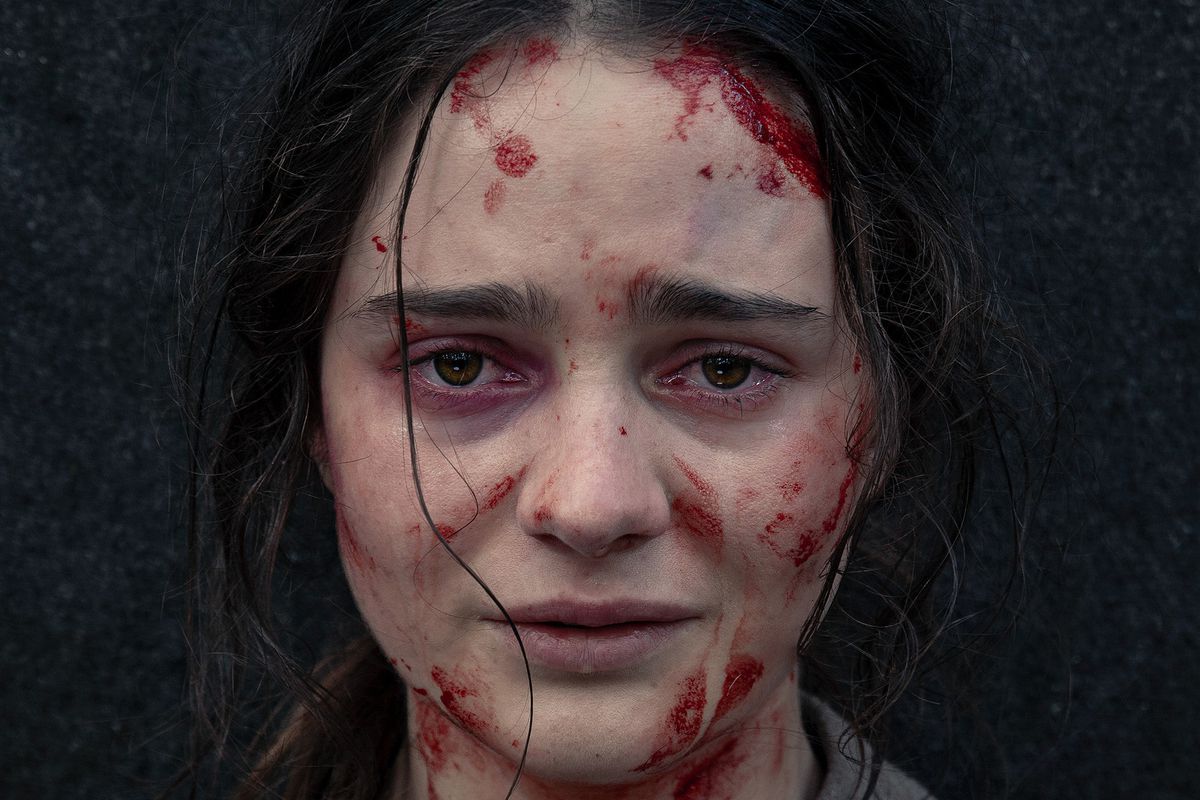
The Nightingale is as expansive and epic a film as Kent’s incandescent feature debut The Babadook was claustrophobic and internal. In it she follows Clare (Aisling Franciosi), an Irish convict sentenced to service in the UK’s territory in Tasmania.
What happens to Clare at the hands of Leftenant Hawkins (Sam Claflin), the British officer to whom she is in service, is as brutal and horrifying as anything you’re likely to see onscreen this year. It’s the catalyst for a revenge picture, but The Nightingale is far more than just that.
As Clare enlists the aid of Aboriginal tracker Billie (Baykali
Ganambarr, magnificent) to help her exact justice, Kent begins to broaden her
focus. Those of us in the audience can immediately understand Clare’s mission because
we witnessed her trauma in its horrifying detail. Kent needed us to recognize
what British military men were capable of.
What she wants us to see is that the same thing—the worst,
almost imaginable brutality—happened to an entire Australian population.
In the second act, Clare—on a higher social rung than her tracker, and just as condescending and racist as that position allows—and Billy begin to bond over shared experience. Franciosi’s fierce performance drives the film, but Ganambarr injects a peculiar humor and heart that makes The Nightingale even more devastating.
Kent’s fury fuels her film, but does not overtake it. She
never stoops to sentimentality or sloppy caricature. She doesn’t need to. Her
clear-eyed take on this especially ugly slice of history finds more power in
authenticity than in drama.
Her tale becomes far more than an indictment of colonization, white male privilege, domination and subjugation. It’s a harrowing and brilliant tale of horror. It’s also our history.
There is something primally terrifying in the idea of missing persons – losing someone or being lost. Where are they and what is happening to them? No mater which side of that question you are on, the imagination conjures terrifying images.
Listen to the full podcast, including a special interview with Hounds of Love director Ben Young.
5. The Poughkeepsie Tapes (2007)
John Erick Dowdle’s film is a difficult one to watch. It contains enough elements of found footage to achieve realism, enough police procedural to provide structure, and enough grim imagination to give you nightmares.
Edward Carver (Ben Messmer) is a particularly theatrical serial killer, and the film, which takes you into the police academy classroom, asks you to watch his evolution from impetuous brute to unerring craftsman. This evolution we witness mainly through a library of videotapes he’s left behind—along with poor Cheryl Dempsey (Stacy Chbosky)—for the police to find.
Cheryl is Carver’s masterpiece, the one victim he did not kill but instead reformed as his protégé. It’s easily the most unsettling element in a film that manages to shake you without really showing you anything.
4. Berlin Syndrome (2017)
Aussie photographer Clare (Teresa Palmer, better than she’s ever been) is looking for some life experience. She backpacks across Europe, landing for a brief stay in Berlin where she hopes to make a human connection. Handsome Berliner Andi (Max Riemelt) offers exactly the kind of mysterious allure she wants and they fall into a night of passion.
What follows is an incredible combination of horror and emotional dysfunction, deftly maneuvered by both cast mates and director Cate Shortland. The mental and emotional olympics Palmer goes through from the beginning of the film to the end showcase her instincts for nuanced and unsentimental performance. Clare is smart, but emotionally open and free with her own vulnerability. The way Palmer inhabits these characteristics is as authentic as it is awkward.
Even more uncomfortable is the shifting relationship, the neediness and resilience, the dependency and independence. It’s honest in a way that is profoundly moving and endlessly uncomfortable. Riemelt matches Palmer’s vulnerability with his own insecurity and emotional about-faces. The two together are an unnerving onscreen pairing.
3. The Vanishing (Spoorloos) (1988)
Back in ’88, filmmaker George Sluizer and novelist Tim Krabbe adapted his novel about curiosity killing a cat. The result is a spare, grim mystery that works the nerves.
An unnervingly convincing Bernar-Pierre Donnadieu takes us through the steps, the embarrassing trial and error, of executing on his plan. His Raymond is a simple person, really, and one fully aware of who he is: a psychopath and a claustrophobe.
Three years ago, Raymond abducted Saskia (Johanna ter Steege) and her boyfriend Rex (Gene Bervoets) has gone a bit mad with the the mystery of what happened to her. So mad, in fact, that when Raymond offers to clue him in as long as he’s willing to suffer the same fate, Rex bites. Do not make the mistake of watching Sluizer’s neutered 1993 American remake.
https://www.youtube.com/watch?v=fcA10H-85×4&t=36s
2. The Blair Witch Project (1999)
Blair Witch may not date especially well, but it scared the hell out of a lot of people back in the day. This is the kind of forest adventure that I assume happens all the time: you go in, but no matter how you try to get out – follow a stream, use a map, follow the stars – you just keep crossing the same goddamn log.
One of several truly genius ideas behind Blair Witch is that filmmakers Daniel Myrick and Eduardo Sanchez made the audience believe that the film they were watching was nothing more than the unearthed footage left behind by three disappeared young people. Between that and the wise use of online marketing (then in its infancy) buoyed this minimalistic, naturalistic home movie about three bickering buddies who venture into the Maryland woods to document the urban legend of The Blair Witch. Twig dolls, late night noises, jumpy cameras, unknown actors and not much else blended into an honestly frightening flick that played upon primal fears.
1. Hounds of Love (2018)
Driven by a fiercely invested and touchingly deranged performance from Emma Booth, Hounds of Love makes a subtle shift from horrific torture tale to psychological character study. In 108 grueling minutes, writer/director Ben Young’s feature debut marks him as a filmmaker with confident vision and exciting potential.
It is the late 1980s in Perth, Australia, and at least one young girl has already gone missing when the grounded Vicki (Ashleigh Cummings) sneaks out her bedroom window to attend a party. This isn’t nearly as dumb a move as is accepting a ride from Evie White (Booth) and her husband John (Stephen Curry).
As the couple dance seductively and drink to celebrate, Young disturbingly conveys the weight of Vicki’s panicked realization that she is now their captive. It is just one in a series of moments where Young flexes impressive chops for visual storytelling, utilizing slo-motion, freeze frame, patient panning shots and carefully chosen soundtrack music to set the mood and advance the dreadful narrative without a spoken word.
Fast, brave and baffling, Tilman Singer’s experimental demon thriller Luz enters hot, exits quickly and leaves you puzzled. In a good way.
The film begins with a nightmarish vision leeched of color, as battered young cabbie Luz (a letter-perfect Luana Velis) tumbles into a banal police station lobby shouting about how the receptionist wants to live his life. Soon she’s seated in an equally bland hallway, mumbling blasphemies to herself in Spanish as two German police officers—one who doesn’t understand and one who refuses to translate—look on.
Meanwhile, in a dive bar across town…
It makes little sense to summarize the plot because the fairly slight premise unfolds in front of you, offering as many questions as answers. To spoil that seems pointless.
There is something fascinating happening in this film, though, and Singer has no real sense of urgency about clarifying what that is. Seedy, lifeless places become environments where those as baffled as we bear witness—or don’t—to a patient if tenacious courtship of sorts.
It all begins in dehumanizing but fascinating wide angle shots. Slowly, clip by clip, Singer draws us in closer to the diabolical unfolding in our midst. It’s the deconstruction of a possession film, a bare-bones experimental feature that hangs together because of its clever turns, solid performances and Singer’s own technical savvy with sound design.
Running about 70 minutes and boasting no more than 6 speaking roles, Luz is surrealism at its most basic, storytelling at its sparest.
Viscosity! That’s the name of the game today, and it’s a messy, messy game to play.
Today we slip and slide through the sloppiest movies we could find as we count down the most inspired use of body fluids in horror. The whole mess is recorded live at Gateway Film Center, so please listen.
And don’t forget to bring a towel!
5) Don’t Breathe (2016)
Fede Alvarez’s magnificent home invasion horror made this list, beating out the projectile vomit of The Exorcist, the melting bums of Street Trash, the medical what-not of Re-Animator and the viscosity of other films. How did it do it? It was not because of volume.
It’s really just the one scene.
The one with a turkey baster.
The one with the single hair.
Ew.
4) Dead Alive (1992)
The list doesn’t exist without Peter Jackson, let’s be honest. Any old horror director can work with blood. Jackson certainly can. That party scene? The arterial spray poor Lionel Cosgrove causes with his lawnmower is truly a site to behold.
But what Jackson can do with pus and a bowl of custard? Chef’s kiss right there.
3) We Are the Flesh (2016)
Emiliano Rocha Minter loves him some taboos. No one bursts through taboos like him – well, Takashi Miike, maybe.
He also really loves body fluids. We mean all the body fluids. His 2016 social commentary swims them all. All all all.
Taboos and body fluids. Sloppy!
2) Evil Dead (2013)
Peter Jackson’s Dead Alive held the record for most blood in a film – 1000 gallons – until 2013.
It’s a record Sam Raimi’s earlier Evil Dead franchise efforts had once held, but Fede Alvarez (making his second appearance on this list!) drenched all records when he poured out 50,000 gallons of fake blood in a single scene.
Allegedly It Chapter 2 tops that, but I don’t know how you out-soak a torrential downpour of blood.
Gozu (2003)
Who’s not afraid of taboos? Well, the great and prolific Takashi Miike has no fear of body fluids, either. Hell, Ichi the Killer’s title screen is done in semen and one of Audition’s most memorable moments sees a multiple amputee eating his mistress’s vomit.
But with Gozu, Miike’s not holding back: blood, urine, semen, lactation, pus and other discharges I’m not sure how to even categorize. Gozu is an inspired, viscous mess.
Just two features into filmmaker Ari Aster’s genre takeover
and already you can detect a pattern. First, he introduces a near-unfathomable
amount of grief.
Then, he drags you so far inside it you won’t fully emerge for days.
In Midsommar, we are as desperate to claw our way out of this soul-crushing grief as Dani (Florence Pugh). Mainly to avoid being alone, Dani insinuates herself into her anthropology student boyfriend Christian’s (Jack Reynor) trip to rural Sweden with his buds.
Little does she know they are all headed straight for a modern riff on The Wicker Man.
From the trip planning onward, Dani and the crew don’t make a lot of natural decisions. The abundance of drugs and the isolation of their Swedish destination make their choices more believable than they might otherwise be, but in the end, individual characters are not carved deeply or clearly enough to make their arcs resonate as terrifyingly as they might.
There are definite strengths, though—chief among them,
Florence Pugh. The way she articulates Dani’s neediness and strength creates a glue
that holds the story in place, allowing Aster to add spectacular visual and mythological
flourishes.
Will Poulter, as Christian’s friend Mark, is another standout. Equal parts funny and loathsome, Poulter (The Revenant, Detroit) breaks tensions with needed levity but never stoops to becoming the film’s outright comic relief.
Like Hereditary, Midsommar will be polarizing among horror fans -perhaps even more so- for Aster’s confidence in his own long game. Like a Bergman inspired homage to bad breakups, this terror is deeply-rooted in the psyche, always taking less care to scare you than to keep you unsettled and on edge.
Slow, unbroken pans and gruesome detail add bleak depth to the film’s tragic prologue, leaving you open for the constant barrage of unease and disorientation to come. Carefully placed pictures and artwork leave trails of foreshadowing while the casual nature of more overt nods (“there’s a bear”) only add to the mind-fuckery.
And while Aster is hardly shy about this motives – multiple shots through open windows and doors reinforce that – it doesn’t mean they’re any less effective.
The contrast of nurturing sunlight with the darkest of intentions recalls not only Wicker Man but Texas Chainsaw Massacre for its subliminal takeover of the sacred by the profane. Pair this with the way Aster manipulates depth of field, both visual and aural, and scene after scene boasts hallucinatory masterstrokes.
Midsommar is a bold vision and wholly unnerving experience (emphasis on experience)—the kind of filmmaking the genre is lucky to have in its arsenal.