Tag Archives: horror movie podcast

Fright Club: Best Contagion Horror Movies

The Seventh Seal, Blindness, Carriers, Rabid, Mayhem, Masque of the Red Death, Infection, Flesh + Blood, The Crazies – all amazing movies exploring our communal fear of contagion. They pick that scab, so to speak, but are there others that do it better?

Our two rules: no zombies, no living beasties (The Thing, Shivers, etc.) Just some kind of virus. Here goes!

5. Pontypool (2008)

Canadian director Bruce McDonald’s shock jock horror film is best appreciated as a metaphor on journalistic responsibility and the damage that words can do. Radio air personality and general pot-stirrer Grant Mazzy (Stephen McHattie) finds himself kicked out of yet another large market and licking his wounds in the small time – Pontypool, Ontario, to be exact. But he’s about to find himself at the epicenter of a national emergency.

McDonald uses sound design and the cramped, claustrophobic space of the radio studio to wondrous effect as Mazzy and his producers broadcast through some kind of mad epidemic, with Mazzy goosing on the mayhem in the name of good radio. As he listens to callers describe the action, and then be eaten up within it, the veteran McHattie compels attention while McDonald tweaks tensions.

Shut up or die is the tagline for the film. Fitting, as it turns out that what’s poisoning the throng, turning them into a mindless, violent mob, are the very words spewing at them. It’s a clever premise effectively executed, and while McDonald owes debts all around to previous efforts, his vision is unique enough to stand out and relevant enough to leave an impression.

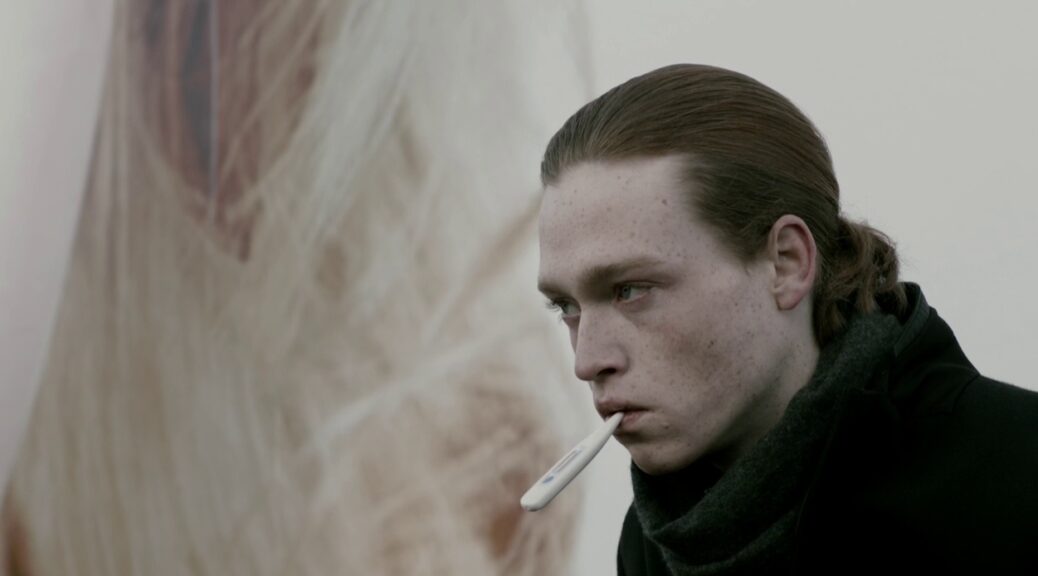
4. Antiviral (2012)

If you could catch Kim Kardashian’s cold, would you?

This is the intriguing concept behind writer/director Brandon Cronenberg’s seething commentary on celebrity obsession, Antiviral. 

Young Syd March (Caleb Landry Jones) works for a clinic dealing in a very specific kind of treatment. They harvest viruses from willing celebrities, encrypt them (so they can’t spread – no money if you can’t control the spread), and sell the illnesses to obsessed fans who derive some kind of bodily communion with their adored by way of a shared herpes virus. Gross.

But the ambitious Syd pirates these viruses by injecting himself first, before the encryption. Eventually, his own nastiness-riddled blood is more valuable than he is, and he has to find a way out of quite a pickle. Maybe vitamin C?

3. It Comes at Night (2017)

Deep in the woods, Paul (Joel Edgerton, solid as always), Sarah (Carmen Ejogo) and their teenage son Travis (Kelvin Harrison, Jr.) have established a cautious existence in the face of a worldwide plague. They have boarded their windows, secured their doors, and enacted a very strict set of rules for survival.

At the top of that list: do not go out at night.

Writer/director Trey Edward Shults explores the confines of the house with a fluid camera and lush cinematography, slyly creating an effective sense of separation between the occupants and the dangers outside. But what are those dangers, and how much of the soul might one offer up to placate fear itself? In asking those unsettling questions, It Comes at Night becomes a truly chilling exploration of human frailty.

2. It Follows (2014)

It Follows is another coming-of-age tale, one that mines a primal terror. Moments after a sexual encounter with a new boyfriend, Jay (Maika Monroe) discovers that she is cursed. He has passed on some kind of entity – a demonic menace that will follow her until it either kills her or she passes it on to someone else the same way she got it.

Yes, it’s the STD or horror movies, but don’t let that dissuade you. Mitchell understands the anxiety of adolescence and he has not simply crafted yet another cautionary tale about premarital sex.

Mitchell has captured that fleeting yet dragging moment between childhood and adulthood and given the lurking dread of that time of life a powerful image. There is something that lies just beyond the innocence of youth. You feel it in every frame and begin to look out for it, walking toward you at a consistent pace, long before the characters have begun to check the periphery themselves.

Mitchell’s provocatively murky subtext is rich with symbolism but never overwhelmed by it. His capacity to draw an audience into this environment, this horror, is impeccable, and the result is a lingering sense of unease that will have you checking the perimeter for a while to come.

1. 28 Days Later (2002)

Activists break into a research lab and free the wrong effing monkeys.

28 days later, bike messenger Jim wakes up naked on an operating table.

What follows is the eerie image of an abandoned, desolate London as Jim wanders hither and yon hollering for anybody. In the church, we get our first glimpse of what Jim is now up against, and dude, run!

Prior to 28 Days Later, the zombie genre seemed finally dead and gone. But director Danny Boyle single-handedly resurrected the genre with two new(ish) ideas: 1) they aren’t dead, 2) therefore, they can move really quickly.

Both Brendan Gleeson and Cillian Murphy are impeccable actors, and Naomie Harris is a truly convincing badass. Their performances, and the cinematic moments of real joy, make their ordeal that much more powerful. But you know you’re in trouble from the genius opening sequence: vulnerability, tension, bewilderment, rage, and blood – it launches a frantic and terrifying not-zombie film.

Fright Club: Frightful Patients

There is something scary about hospitals, especially the old, abandoned ones and those creepy, windowless floors! But what about the patients? We take a look – limiting our discussion to actual patients in actual facilities, not involuntary patients in homes, garages and storage units (although that turned out to be quite a list, so maybe later…)

5. Patrick: Patrick (1978)

One of a number of underappreciated Aussie horror flicks of the Seventies, Patrick is the first pairing of director Richard Franklin and writer Everett de Roche. The two would make a number of solid genre flicks together, but it was probably the popularity of this film that sparked the Ozploitation craze.

Here, big-eyed Robert Thompson is an unblinking catatonic in a Melbourne hospital. Though nothing’s going on in his body and eyelids (honestly, the fact that he never blinks and no one give him eyedrops might generate more unease than anything else in the movie!), his mind is very busy. Especially now that he’s keen on nurse Kathie (Susan Penhaligon).

Thompson owns the screen, regardless of his state, and effortlessly creates dread. Franklin ups the ante with some elevator claustrophobia and the general tension of being in a hospital. This is a low budget indie and suffers a bit from sprawl, but when Patrick turns his head and scares his new nurse. I still jump.

4. Mary Hobbes: Session 9 (2001)

Nyctophobia, dissociative identity disorder, creepy tapes, an abandoned asylum – the pieces are there for a spooky horror movie. Credit writer/director Brad Anderson for swimming familiar waters and yet managing a fresh, memorable and disturbing film.

Gordon (Peter Mullan) needs some cash – and some sleep. Troubles at home aside, he’s having problems getting his latest assignment completed on time. With just a skeleton crew and an unreasonable turnaround time, Gordon has to remove the asbestos from the long-abandoned Danvers Lunatic Asylum.

He sneaks away a lot to call his wife and listen to these therapy tapes he’s found. Meanwhile, a couple of his guys are bickering over a shared girlfriend, another one’s a pothead, and then there’s Gordon’s sweet, mulleted nephew Jeff (Brendan Sexton III), who’s afraid of the dark.

Atmosphere is everything in this film. Performances are outstanding and Anderson has some seriously scary moments in store. Oh, poor Jeff.

3. Elvis Presley: Bubba Ho-Tep (2002)

Who wants to see Bruce Campbell play Elvis Presley?! We do.

Director Don Coscarelli (Phantasm) brings Joe R. Lansdale’s short story to the screen to depict the horror and sadness of aging, although its done with such humor that the film is impossible not to love.

Elvis never died, he swapped places with an impersonator who died and ever since then he’s been stuck living someone else’s life. And now he’s in this low-rent old folks home where his only real friend is a guy who believes he’s JFK (Ossie Davis). Obviously, when they realize that the recent spate of patient deaths is due to a mummy sucking the life from people through their assholes, who’d believe these knuckleheads?

The script is great and Coscarelli knows exactly how to make the most of budgetary limitations. The entire cast soars, but Campbell and Davis have such incredible chemistry that the film delivers not just laughs, message, and some scares but genuine tenderness.

2. Nola Carvath: The Brood (1979)

Dr. Hal Ragland – the unsettlingly sultry Oliver Reed – is a psychiatrist leading the frontier in psychoplasmics. His patients work through their pent-up rage by turning it into physical manifestations. Some folks’ rage turns into ugly little pustules, for example. Or, for wide-eyed Nola Carveth (Samantha Eggar), rage might turn into bloodthirsty, puffy coated spawn. This is Cronenberg’s reimagining of procreation, and it is characteristically foul.

Cronenberg wrote the film during his own ugly divorce and custody battle. He created a fantasy nightmare rooted firmly in the rage, despair, and the betrayal that comes from watching someone who once loved you turn into someone who seems determined to harm you.

Cronenberg is the king of corporeal horror, and The Brood is among the best of the filmmaker’s early, strictly genre work. Reed and Eggar are both unseemly perfection in their respective roles. Eggar uses her huge eyes to emphasize both her former loveliness and her current dangerous insanity, while Reed is just weird in that patented Oliver Reed way.

1. Patient X: The Exorcist III (1990)

You can absolutely never outdo Friedkin’s original masterpiece, but William Peter Blatty – who wrote the novel The Exorcist – takes a nice stab with the third installment.

Who is this secret Patient X? Or, who’s controlling him? Kinderman (played in this film with much gusto by George C. Scott) will live through a nightmare to figure it out. Jason Miller makes a heartbreaking return, but honestly, Blatty has so much fun with the rest of the patients, the film offers constant, weird terror.

Fright Club: Iconic Creature Make Up

We are beyond thrilled to get to talk with horror makeup FX master and good friend David Henson Greathouse for an episode on the best creature makeup in horror.

5. The Howling (1981) (Rob Bottin)

Rob Bottin won an Oscar for his FX makeup in Total Recal and was nominated for the glorious mostermaking in Ridley Scott’s Legend. Still, he may be best known for the touchstone in horror movie makeup, The Thing.

But the Bottin work we want to celebrate is in Joe Dante’s 1981 lycanthrope horror The Howling. Not because we love it more than his groundbreaking work those others, but because he shapes so many characters, and his makeup defines those characters. From partial transformations to complete metamorphosis, the makeup FX in The Howling create an unseemly atmosphere and tell us all we need to know about the characters on the screen.

4. Hellraiser (1987) (Bob Keen)

Bob Keen’s creatures have terrified in Candyman, Lifeforce, Nightbreed, Dog Soldiers and more. But his crowning glory wore pins.

Keen is the builder who brought Clive Barker’s maleficent cenobites to life and he had such sights to show us. Josh Russell took what Keen created and finessed it brilliantly for David Bruckner’s 2022 reboot, but Keen’s original – Pinhead, especially – cut a figure as memorable and identifiable as any monster since Frankenstein’s.

3. Pan’s Labyrinth (2006) (David Martí)

David Martí won the Oscar for his magnificent work on longtime collaborator Guillermo del Toro’s 2006 masterpiece Pan’s Labyrinth. He’d brought del Toro’s wondrously macabre imagination to life many times – The Devil’s Backbone, Hellboy II: The Golden Army, Crimson Peak – but never as beautifully, terrifyingly or heartbreakingly as here.

The Pale Man is a perfect example of actor and artist melding, Doug Jones taking the inspired horror of Martí’s makeup and animating the character as no one else could. The result is absolute perfection.

2. The Fly (1986) (Chris Walas)

When Chris Walas and David Cronenberg collaborated on 1981’s Scanners, a star was born. Probably two. That head explosion catapulted both artists into the genre stratosphere. With Naked Lunch, Walas was able to indulge his imagination in wildly various ways with all manner of creature.

But his Oscar came for his 1986 stroke of genius that was The Fly. Once again, artist and actor merged as Walas’s designs led Jeff Goldblum through the transformation, and his character’s arc. No matter how grotesque or repulsive, Walas and Goldblum managed to maintain a human heart, which is what was broken by the time the credits rolled.

1. Frankenstein (1931) (Jack Pierce)

What else? There may be on planet earth no image more instantly recognizable, and in the genre there is certainly no profile more iconic, than that of the monster created by Jack Pierce and brought to life by Boris Karloff.

The design didn’t resemble the description from Shelley’s text, nor did Whale’s direction or Karloff’s performance resemble the doomed monster of the novel. But what image do you associate with the Frankenstein monster? What square head, big boots, bolted neck has become the shorthand across popular culture from film to cereal boxes? And whose wild imagination conjured that image? Jack Pierce’s.

Fright Club: Drugs in Horror Movies

It wasn’t always bears, kids. In other movies, people use drugs, although the result – limbs akimbo and carnage aplenty – usually still follows. Here are our favorite druggie horror flicks.

5. Cabin in the Woods (2011) (weed)

There are countless reasons to love Drew Goddard’s 2011 horror mash note Cabin in the Woods. Not the least of which is Fran Kranz as Marty, pothead.

Easily the favorite character (inside the cabin, anyway), Marty not only provides the levity necessary for this particular trope to work, his weedy logic is all that actually makes sense in this world.

The entire film is a trip, but it’s Marty’s trip that’s most worth taking.

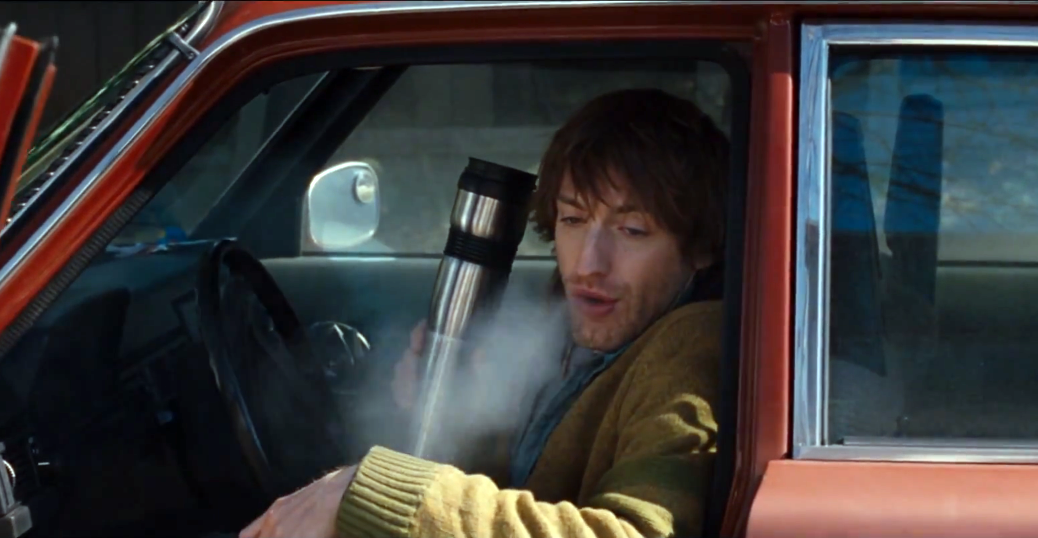
4. Cocaine Bear (2023) (cocaine, obviously)

The year is 1985, from what I can piece together from an inspired soundtrack of pop hits spilling out of speakers, and one Jefferson Starship fan is about to make a jump from his plane with an awful lot of coke. Things don’t go well, and next thing you know, drug kingpin Syd (Ray Liotta in his final screen performance) is sending his reluctant son (Alden Ehrenreich) and best guy (O’Shea Jackson Jr.) to Blood Mountain to retrieve $14 million in missing blow.

As you may have guessed from the title, a bear found it first.

Inspired, manic carnage follows. Entrails spill, children fill their mouths with cocaine, skate punks lose their heads (well, parts of their heads), EMTs really earn their pay, and we all have an incredible, brightly colored, viscera covered good time!

3. Climax (2018) (LSD)

Oh, Gaspar Noe, you scamp! The provocateur returned to screens in 2018 with a bad trip full of percussive dancing and concussive beats that will leave you as bewildered, wrung out, unsettled and horrified as the characters.

Sofia Boutella leads an ensemble of dancers locked into a French warehouse post-production to just party. But there’s more in that sangria than fruit and soon enough, the party is an inescapable hellscape.

Noe has a way with pummeling an audience, overstimulating and punishing us into submission. Turns out, he can also choreograph a decent dance number!

2. Hagazussa (2017) (mushrooms)

Making a remarkably assured feature debut as director, Lukas Feigelfeld mesmerizes with his German Gothic poetry, Hagazussa: A Heathen’s Curse. Settled somewhere in the 15th Century Alps, the film shadows lonely, ostracized women struggling against a period where plague, paranoia and superstition reigned.

Albrun’s is a tragic story and Feigelfeld crafts it with a believable loneliness that bends toward madness. He’s captured this moment in time, this draining and ugly paranoia that caused women such misery, with imagery that is perplexingly beautiful.

He’s cast a spell and you should submit.

1. Mandy (2018) (LSD)

A hallucinogenic fever dream of social, political and pop-culture subtexts layered with good old, blood-soaked revenge, Mandy throws enough visionary strangeness on the screen to dwarf even Nicolas Cage in full freakout mode.

Not just Nic, either. Andrea Riseborough, cannibal bikers on LSD, The Chemist, and a religious sex cult led by a terrible folk singer. Plus a sword, an axe, a lot of blood, and did I mention the LSD?

Like director Panos Cosmatos’s 2010 debut Beyond the Black RainbowMandy is both formally daring and wildly borrowed. While Black Rainbow, also set in 1983, shines with the antiseptic aesthetic of Cronenberg or Kubrick, Mandy feels more like something snatched from a Dio album cover.

It is as insane as any beautifully conceived, expertly executed film has ever been and you must give yourself to it.

Fright Club: Celebrity Crushes in Horror Movies

Killer crushes, literally – that’s what we’re talking about this time. We also run down our own biggest celebrity crushes, because why not? And we talk about the best horror films to capture the moment obsession turns dangerous.

5. Be My Cat: A Film for Anne (2015)

Adrian is a Romanian filmmaker who likes girls and cats. He does not like dogs or boys. His favorite thing? Anne Hathaway as Cat Woman.

He was so inspired by her performance that he knew he had to make a film with her. To convince her, he’s lured three actresses to shoot a film with him. That film is really just to convince Anne, his beloved, that she should star in the real movie.

She’s not going to want to.

This movie works on the sheer, weird charisma of writer/director/star Adrian Tofei. He is pathetic and charming and terrifying as he documents his direction as a kind of “behind the scenes” for Anne, so she can understand how truly perfect she is for his film and he is for her artistic future. The result is unsettling, unique and wildly entertaining.

4. The Phantom of the Opera (1925)

You know the story – a shadowy figure haunts the Paris opera house, demading that the object of his affection, Christine, be given the lead in Faust. In what amounts to a cautionary tale about women prioritizing career over family, the story revolves around a masked and disfigured madman and the singer who is easily duped, then saved by righteous men.

The reason this particular version of the film works so well is, of course, Lon Chaney’s now-legendary look. The actor devised his own make up and underwent painful tricks of physical contortion, succeeding in shocking audiences with a ghastly but very realistic visage. His flair as an actor is also on display, and though other versions sometimes mine for a bit of empathy or heartbreak as this hideous creature connives for a love triumphant, Chaney delivers menace and horror.

3. The Fan (1982)

The first thing Eckhart Schmidt’s film has in its favor is that the audience is meant to empathize with the fan, Simone (Désirée Nosbusch). Generally, we see the fanatical from the celebrity’s point of view, but this makes more sense because every member of the audience is more likely to have lost their shit over a teen idol than they’ve been worshipped themselves.

And yet, Simone clearly has a screw loose. Schmidt’s approach to her obsession as seen through the eyes of worried parents, apologetic postmen and other adults is confused and compassionate. Teenage girls – who can understand them? The tone is ideal to set up the explosive heartbreak you know is coming, as well as a third act you couldn’t possibly see coming.

2. Antiviral (2012)

If you could catch Kim Kardashian’s cold, would you?

This is the intriguing concept behind writer/director Brandon Cronenberg’s seething commentary on celebrity obsession, Antiviral. 

Young Syd March (Caleb Landry Jones) works for a clinic dealing in a very specific kind of treatment. They harvest viruses from willing celebrities, encrypt them (so they can’t spread – no money if you can’t control the spread), and sell the illnesses to obsessed fans who derive some kind of bodily communion with their adored by way of a shared herpes virus. Gross.

But the ambitious Syd pirates these viruses by injecting himself first, before the encryption. Eventually, his own nastiness-riddled blood is more valuable than he is, and he has to find a way out of quite a pickle. Maybe vitamin C?

1. Misery (1990)

Kathy Bates had been knocking around Hollywood for decades, but no one really knew who she was until she landed Misery. Her sadistic nurturer Annie Wilkes – rabid romance novel fan, part-time nurse, full-time wacko – ranks among the most memorable crazy ladies of modern cinema.

James Caan plays novelist Paul Sheldon, who kills off popular character Misery Chastain, then celebrates with a road trip that goes awry when he crashes his car, only to be saved by his brawniest and most fervent fan, Annie. Well, she’s more a fan of Misery Chastain’s than she is Paul Sheldon’s, and once she realizes what he’s done, she refuses to allow him out of her house until she brings Misery back to literary life.

Caan seethes, and you know there’s an ass-kicking somewhere deep in his mangled body just waiting to get out. But it’s Bates we remember. She nails the bumpkin who oscillates between humble fan, terrifying master, and put-upon martyr. Indeed, both physically and emotionally, she so thoroughly animates this nutjob that she secured an Oscar.

Fright Club: Best (Worst?) Hotels in Horror Movies

You check in. You assume the best. You’d never think, as you doze off in total helplessness, that maybe the last guest is still lingering in spirit, or was fed to gators, or that the hotel itself may be the doorway to hell.

In all likelihood the worst thing you’ll bring home with you is bedbugs, but I’ll take the gators.

For this episode we’re joined by our dear friend Jamie Ray from the Fave Five from Fans podcast and, at his behest, we will run through horror cinema’s best – or worst? – hotels.

Listed below are our five favorites, but honorable mentions go to Eaten Alive‘s Starlite Hotel, Basket Case‘s Hotel Broslin, Hotel Quickie from Killer Condoms and Slausen’s Oasis from Tourist Trap.

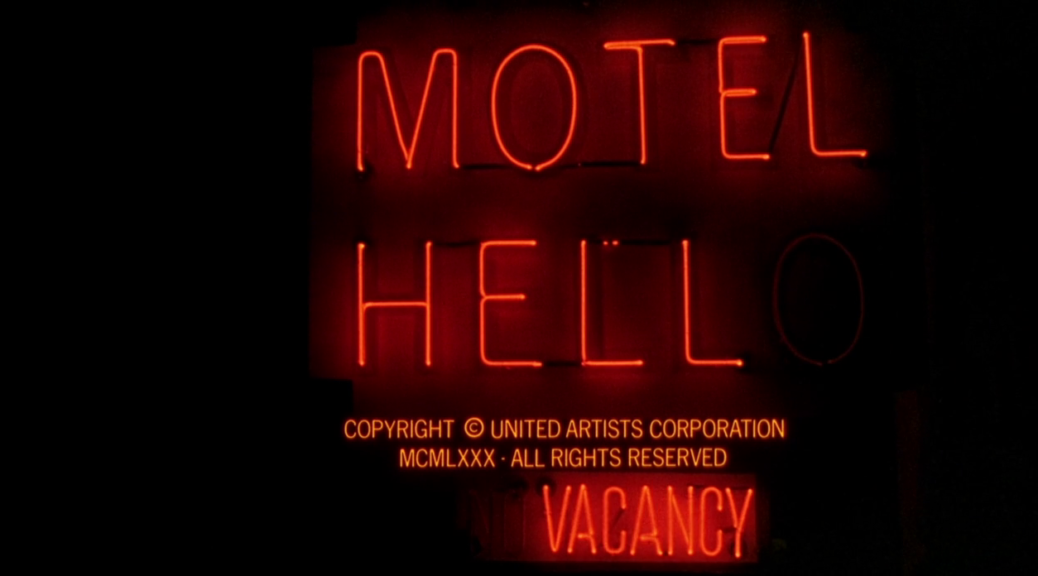
5. Motel Hello (Motel Hell, 1980)

It takes all kinds of critters to make Farmer Vincent’s fritters, so swingers looking for a cheap motel in which to swing – be warned! Fifties heartthrob Rory Calhoun plays Farmer Vincent, who, along with his sister Ida (a super creepy Nancy Parsons) rid the world of human filth while serving the righteous some tasty viddles. Just don’t look under those wiggling, gurgling sacks out behind the butcherin’ barn!

Motel Hell is a deeply disturbed, inspired little low budget jewel. A dark comedy, the film nonetheless offers some unsettling images, not to mention sounds. Sure, less admiring eyes may see only that super-cheese director Kevin Connor teamed up with Parsons and Calhoun – as well as Elaine Joyce and John Ratzenberger – for a quick buck. But in reality, they teamed up to create one of the best bad horror films ever made.

4. White Lovers’ Inn (The Happiness of the Katakuris, 2001)

Guests rarely come and a strange fate awaits them.

Takashi Miike is an extremely prolific director. He makes a lot of musical films, a lot of kids’ movies, a lot of horror movies, and then this – a mashup of all of those things. Like Sound of Music with a tremendous body count.

The Katakuris just want to run a rustic mountain inn. They’re not murderers. They’re lovely – well, they’re losers, but they’re not bad people. Buying this piece of property did nothing to correct their luck, either because, my God, their guests do die.

You might call this a dark comedy if it weren’t so very brightly lit. It’s absurd, farcical, gruesome but sweet. There’s a lot of singing, some animation, a volcano, a bit of mystery, more singing, one death by sumo smothering, and love.

3. Hotel Ostend (Daughters of Darkness, 1971)

Seduction, homoeroticism, drowsy lustfulness – this one has it all.

Countess Bathory – history’s female version of Dracula – checks into an all-but-abandoned seaside hotel. The only other guests, besides the Countess’s lover, Ilona, is a honeymooning couple.

Effortlessly aristocratic, Delphine Seyrig brings a tender coyness, a sadness to the infamous role of Bathory. Seyrig’s performance lends the villain a tragic loveliness that makes her the most endearing figure in the film. Everybody else feels mildly unpleasant, a sinister bunch who seem to be hiding things. The husband, in particular, is a suspicious figure, and a bit peculiar. Kind of a dick, really – and Bathory, for one, has no time for dicks.

Caring less for the victims than for the predator – not because she’s innocent or good, but because her weary elegance makes her seem vulnerable – gives the film a nice added dimension.

The accents are absurd. The outfits are glorious. The performances are compellingly, perversely good, and the shots are gorgeous. Indulge yourself.

2. Bates Motel (Psycho, 1960)

It doesn’t look like much, but the old Bates place used to be something before the new highway. Now it’s really just Norman, some dusty bungalows, that ice machine, swamp out back, some stuffed birds and, of course, Mother.

Anthony Perkins was the picture of vulnerability in Hitchcock’s horror classic, but the motel itself is also about as benign as a spot can be. Hardly the downcast, shadowy, menacing lodging you think of today when you think of low-rent motels. It’s bright, clean and empty. Lonesome, but hardly frightening. Just like Norman.

1. The Overlook Hotel (The Shining, 1980)

You know who you probably shouldn’t hire to look after your hotel?
Jack Nicholson.

A study in atmospheric tension, Kubrick’s vision of the Torrance family collapse at the Overlook Hotel is both visually and aurally meticulous. It opens with that stunning helicopter shot, following Jack Torrance’s little yellow Beetle up the mountainside, the ominous score announcing a foreboding that the film never shakes.

The hypnotic, innocent sound of Danny Torrance’s Big Wheel against the weirdly phallic patterns of the hotel carpet tells so much – about the size of the place, about the monotony of the existence, about hidden perversity. The sound is so lulling that its abrupt ceasing becomes a signal of spookiness afoot.

Nicholson outdoes himself. His early, veiled contempt blossoms into pure homicidal mania, and there’s something so wonderful about watching Nicholson slowly lose his mind. Between writer’s block, isolation, ghosts, alcohol withdrawal, midlife crisis, and “a momentary loss of muscular coordination,” the playfully sadistic creature lurking inside this husband and father emerges.

Fright Club: Apartment Horror

What a treat we have for this episode! Producer Alok Mishra and actor Naomi Grossman join us to talk about the ghost of Peter Lawford, grand theft auto, Jessica Lange, the obstacles facing independent filming and the best apartment-based horror movies. Let’s hit it!

5. 1BR (2019)

Written and directed by David Marmor and clearly inspired by Polanski’s “Apartment Trilogy,” this film is an unnerving experiment in neighborliness. And that’s even without post-lockdown trauma.

Sarah (Nicole Brydon Bloom) just wants to strike out on her own. Yes, she’s nervous, but maybe that’s why this new apartment building feels so right. It’s a real community where people look out for each other.

But they are not keen on pets.

Marmor and a sharp cast move through one surprising door after another. Shifting tones never throw the film off-kilter. Rather, each widens the ripple effect of horror.

4. Rec (2007)

[Rec] shares one cameraman’s footage of the night he and a reporter tagged along with a local fire department. The small news crew and two firefighters respond to a call from an urban apartment building. An elderly woman, locked inside her flat, has been screaming. Two officers are already on the scene. Bad, bad things will happen.

Just about the time the first responders realize they’re screwed, the building is completely sealed off from the outside by government forces. Power to the building is cut, leaving everyone without cell reception, cable, and finally, light. Suddenly we’re trapped inside the building with about fifteen people, some of them ill, some of them bleeding, some of them biting.

Filmmakers Jaume Balaguero and Paco Plaza make excellent use of their found footage approach, first by way of the news report, then because of the need to use the camera to see once power’s been cut. They play the claustrophobic nature of the quarantine to excellent effect, creating a kind of funhouse of horror that refuses to let you relax. The American reboot Quarantine is another excellent choice, but our vote has to go with the original.

3. Candyman (2021)

We return to Chicago’s now-gentrified Cabrini Green housing project with up-and-coming artist Anthony McCoy (Yahya Abdul-Mateen II), whose works have taken a very dark turn since he learned of the Candyman legend from laundromat manager William Burke (Colman Domingo).

DaCosta’s savvy storytelling is angry without being self-righteous. Great horror often holds a mirror to society, and DaCosta works mirrors into nearly every single scene in the film. Her grasp of the visual here is stunning—macabre, horrifying, and elegant. She takes cues from the art world her tale populates, unveiling truly artful bloodletting and framing sequences with grotesque but undeniable beauty.

2. Rosemary’s Baby (1968)

Rosemary’s Baby remains a disturbing, elegant, and fascinating tale, and Mia Farrow’s embodiment of defenselessness joins forces with William Fraker’s skillful camerawork to cast a spell. Along with Repulsion (1965) and The Tenant (1976), Rosemary’s Baby is part of Polanski’s “apartment trilogy” – disturbing films of tension and horror in which metropolitan life and nosey neighbors conspire to drive a person mad.

Working from Ira Levin’s novel, Polanski takes all the glamour out of Satanism – with a huge assist from Ruth Gordon, who won an Oscar for her turn as the highly rouged busybody Minnie Castevet. By now we all know what happens to poor Rosemary Woodhouse, but back in’69, thanks much to Mia Farrow’s vulnerable performance, the film boiled over with paranoid tension. Was Rosemary losing it, or was she utterly helpless and in evil hands?

1. Under the Shadow (2016)

First-time feature filmmaker, Iranian Babak Anvari, treads familiar ground yet manages to shift focus entirely and create the profound and unsettling Under the Shadow.

The tale is set in Tehran circa 1988, at the height of the Iran/Iraq war and just a few years into the “Cultural Revolution” that enforced fundamentalist ideologies. Shideh (Narges Rashidi) and her young daughter Dorsa (Avin Manshadi) shelter in their apartment as missiles rain on Tehran.

Frazzled, impatient, judged and constrained from all sides, Shideh’s nerve is hit with this threat. And as external and internal anxieties build, she’s no longer sure what she’s seeing, what she’s thinking, or what the hell to do about it. The fact that this menacing presence – a djinn, or wind spirit – takes the shape of a flapping, floating burka is no random choice. Shideh’s failure in this moment will determine her daughter’s entire future.

Fright Club: Best Horror Movies of 2022

What a great year! So many horror films were both wonderful and huge box office successes, including Scream, Smile, The Black Phone and Barbarian.

Shudder hit another year out of the park with Good Madam, The Innocents, Speak No Evil, Slapface, Satan‘s Slaves: Communion, Mandrake, A Wounded Fawn and more. Plus the underseen and magnificent indies Men, You Won’t Be Alone, and Soft and Quiet still demand to be seen.

But we had to narrow down, so here are the 10 best horror movies of 2022.

10. Watcher

On Shudder

If you’re a fan at all of genre films, chances are good Watcher will look plenty familiar. But in her feature debut, writer/director Chloe Okuno wields that familiarity with a cunning that leaves you feeling unnerved in urgent and important ways.

Maika Monroe is sensational as Julia, an actress who has left New York behind to follow husband Francis (Karl Glusman) and begin a new life in Bucharest.

Monroe emits an effectively fragile resolve. The absence of subtitles helps us relate to Julia immediately, and Monroe never squanders that sympathy, grounding the film at even the most questionably formulaic moments.

Mounting indignities create a subtle yet unmistakable nod to a culture that expects women to ignore their better judgment for the sake of being polite. Okuno envelopes Julia in male gazes that carry threats of varying degrees, all building to a bloody and damn satisfying crescendo.

9. Mad God

On Shudder

Phil Tippett’s demons take center stage in his stop-motion head trip 30 years in the making, Mad God. It’s like a Bosch painting and a Tool video accusing each other of being too lighthearted.

Mad God delivers a nightmare vision like little else, overwhelming in its detail and scope. Tippett plumbs cycles of mindless cruelty. 

Mad World revels in Tippett’s vulgar, potent fantasy without belaboring a clear plotline. The world itself resembles hell itself. Tippett peoples this landscape with figures and images that also feel reminiscent: a doll’s befouled face, a fiendish surgeon, a cloaked figure.

8. Nitram

Streaming

In 1996, Martin Bryant murdered 35 people, injuring another 23 in Port Arthur, Tasmania. The horror led to immediate gun reform in the nation, but director Justin Kurtzel is more interested in what came before than after.

Playing the unnamed central figure (Nitram is Martin spelled backward), Caleb Landry Jones has never been better, and that’s saying something. He is one of the most versatile actors working today, effortlessly moving from comedy to drama, from terrifying to charming to awkward to ethereal. There is an aching tenderness central to every performance. (OK, maybe not Get Out, but that would have been weird.)

Nitram looks at how nature and nurture are to blame. Socialization plus parenting plus bad wiring is exacerbated by the isolation and loneliness they demand. Everyone is to blame. It’s a conundrum the film nails.

But it’s Landry Jones you’ll remember. He’s terrifying but endlessly sympathetic in a bleak film that’s a tough but rewarding watch.

7. Crimes of the Future

Streaming

In a dreary world where “surgery is the new sex,” two performance artists (Viggo Mortensen, Léa Seydoux) turn one’s mutant organs into art.

If that doesn’t sound like a David Cronenberg movie, nothing does.

The film references, directly or indirectly, The Brood, Dead Ringers, The Fly, Naked Lunch, Crash, and most frequently and obviously,  Videodrome. Like his main character, Cronenberg has long been an “artist of the inner landscape.” And after several decades of excising that tendency from his work, Cronenberg has come full circle to accept what was inside him all along.

6. Bones and All

In theaters and on VOD

The film follows Maren (an absorbing Taylor Russell, Waves), coming of age on the fringes of Reagan-era America. She meets and slowly falls for another outcast with similar tastes, Lee (Timothée Chalamet), and the two take to the road.

Given what the handsome young lovers have in common, you might expect a sort of meat lovers’ Badlands to follow. But Bones and All is less concerned with the carnage left in a wake than in what’s awakening in these characters themselves. 

Bones and All is a tough one to categorize. I suppose it’s a horror film, a romance, and a road picture – not three labels you often find on the same movie. In Guadagnino’s hands, it’s more than that, though. He embraces the strength of the solid YA theme that you have to be who you are, no matter how ugly the world may tell you that is. You have to be you, bones and all. Finding Maren’s way to that epiphany is heartbreaking and bloody but heroic, too.

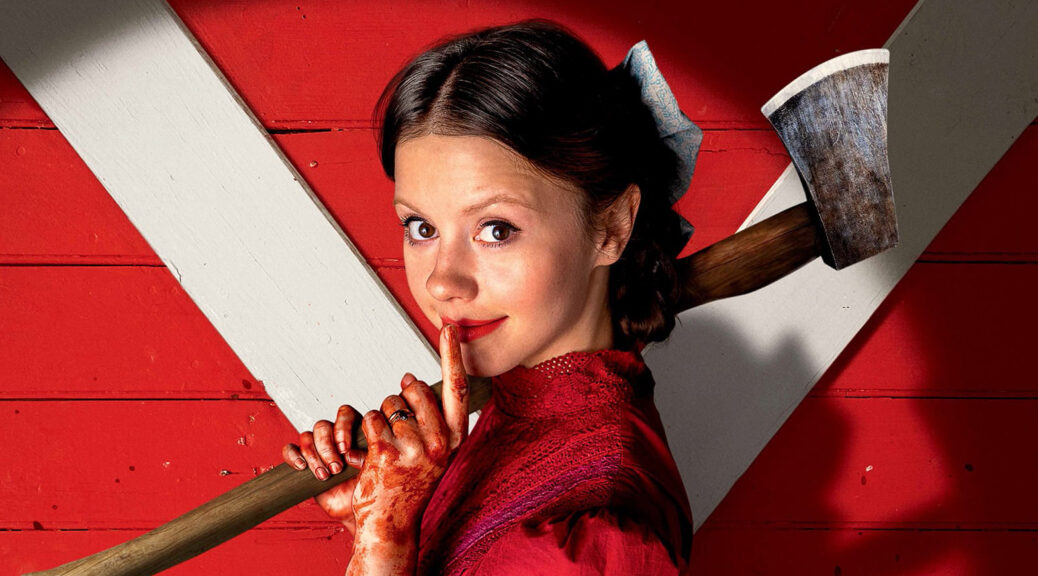
5. Pearl

On VOD

Mia Goth has been impressive in every film she’s graced. But nothing prepared us for Pearl.

With her first writing credit and her first no-question-about-it lead performance, Goth delivers an unerring combination of innocence and psychosis that is as captivating as it is terrifying.

The writing is sly and the direction a magically macabre take on classic American cinema, like the most wrong-headed Judy Garland movie you can imagine. But it comes together seamlessly to deliver a concoction spellbinding concoction.

Goth’s 8-minute monologue and that truly insane frozen smile over the end credits will stay with you forever.

4. Hellraiser

On Hulu

Did you know that this is the 11th film in the Hellraiser franchise? There are 10 others, most of them terrible, a couple unwatchable. Why? How could it be so hard to create fresh horror from Clive Barker’s kinky treasure trove? David Bruckner had no trouble peeling the flesh from this franchise and exposing something raw and pulsing.

Jamie Clayton, with a massive thanks to makeup and costume, offers a glorious new image of pain. In fact, the creature design in this film surpasses anything we’ve seen in the previous ten installments, including Barker’s original. Each is a malevolent vision of elegance, gore and suffering, their attire seemingly made of their own flayed flesh.

Bruckner’s core themes replace the S&M leanings with trauma and addiction, following a young addict named Riley (Odessa A’zion) as she ruins everyone and everything she touches. The kinks may be gone, but the chains are still chilling, in a darkly beautiful world full of sensual, bloody delights to show you.

3. Piggy

On VOD

Mean girls are a fixture in cinema, from Mean Girls to CarrieHeathers to Jawbreaker to Napoleon Dynamite and countless others. Why is that? It’s because we like to see mean girls taken down.

Writer/director Carlota Pereda wants to challenge that base instinct. But first, she is going to make you hate Maca (Claudia Salas), Roci (Camille Aguilar) and Claudia (Irene Ferreiro). In one tiny Spanish town, the three girls make Sara’s (Laura Galán, remarkable) life utterly miserable. Like worse than Carrie White’s.

The filmmaker complicates every trope, all the one-dimensional victim/hero/villain ideas this genre and others feast on. Redemption doesn’t come easily to anyone. Pereda also seamlessly blends themes and ideas from across the genre, upending expectations but never skimping on brutal, visceral horror.

2. X

Streaming

The Texas Chain Saw Massacre meets Boogie Nights?

Yes, please!

Filmmaker Ti West delivers an utterly unexpected and absolutely inspired horror show like nothing he’s made before. A group of good-natured pornographers descends upon an out-of-the-way ranch to shoot a movie, unbeknownst to the owners. Mia Goth leads a thoroughly entertaining cast, each actor making the most of the humor crackling throughout West’s script.

West explores some common themes, upending every one without ever betraying his clear love of this genre. Blending homages of plenty of Tobe Hooper films with a remarkable aesthetic instinct, West fills the screen with ghastly beauty.

1.Nope

Streaming

Nope has plenty to say about Black cowboys, the arrogance of spectacle, and getting that elusive perfect shot. There are some truly frightening moments. Some revolve around things you may think you know based on the trailer. Others feature a bloody monkey in a party hat.

Peele’s direction and writing effortlessly mine comedic moments, but Nope is no comedy. He unravels a mystery before your eyes, and his shot-making has never been so on point. The way he splashes color and motion across this arid landscape is stunning. His visual cues—often executed with macabre humor and panache—amplify the film’s themes while inducing anxiety.

It feels a bit like Peele is saying that making a movie will kill you, if you’re lucky. But opening a film with a Biblical passage is no accident, and on a grander scale, Peele has crafted a genre-loving ode to a comeuppance tempted by grandiose delusions.

Fright Club: Best John Carpenter Horror Movies

Our Christmas gift to ourselves this year is a walk through the career of horror master John Carpenter. Yes, we did want to include Assault on Precinct 13 and Escape from New York. But we stayed strong, because we still had to sift through so many genre classics to determine which five would rise to the top.

5. The Fog (1980)

Stevie Wayne (director John Carpenter favorite, at least while they were married, Adrienne Barbeau) does an air shift from a studio in that old lighthouse out on Antonio Bay. But the fog rolling in off the bay is just too thick tonight. It’s as if she’s entirely alone in the world. Can anyone hear her? Will someone go check on her young son?

While a lot does not work in Carpenter’s pirate leper ghost story (leper pirates?!), his first theatrical release after Halloween does hit some of the right marks. The vulnerability of a radio DJ – totally isolated while simultaneously exposed – has never been more palpable than in this film.

Jamie Lee Curtis (another Carpenter favorite) joins her mom Janet Leigh and B-horror legend Tom Atkins to fill out the pool of leper pirate bait. While the film is hardly one of Carpenter’s best, his knack for framing, his voyeuristic camera, and his ability to generate scares with a meager budget are on full display.

4. They Live (1988)

More SciFi and action than horror, still John Carpenter’s vision of an elite class using tech to mollify and control the population of the US was eerily prescient. And horrifying.

At the time, though, it was just plain entertaining in a way that married Carpenter’s own iconic Escape from New York vibe with the SciFi horror miniseries of the day, V.

But mainly, it’s Rowdy Roddy Piper chewing bubble gum, and the 6 1/2 minute fight scene between Piper and undeniable badass Keith David that make this film as fun to watch today as it was when it was released.

3. In the Mouth of Madness (1994)

Sutter Cane may be awfully close to Stephen King, but John Carpenter’s cosmic horror is even more preoccupied by Lovecraft. The great Sam Neill leads a fun cast in a tale of madness as created by the written world.

What if those horror novels you read became reality? What if that sketchy writer with the maybe-too-vivid imagination was not just got to his own page, but god for real? This movie tackles that ripe premise while ladling love for both of the horror novelists who made New England the creepiest section of America.

2. Halloween (1978)

No film is more responsible for the explosion of teen slashers than John Carpenter’s babysitter butchering classic.

From the creepy opening piano notes to the disappearing body ending, this low budget surprise changed everything. Carpenter develops anxiety like nobody else, and plants it right in a wholesome Midwestern neighborhood. You don’t have to go camping or take a road trip or do anything at all – the boogeyman is right there at home.

Michael Myers – that hulking, unstoppable, blank menace – is scary. Pair that with the down-to-earth charm of lead Jamie Lee Curtis, who brought a little class and talent to the genre, and add the bellowing melodrama of horror veteran Donald Pleasance, and you’ve hit all the important notes. Just add John Carpenter’s spare score to ratchet up the anxiety. Perfect.

https://www.youtube.com/watch?v=rKvxAvkJkac

1.  The Thing (1982)

John Carpenter’s remake of the 1951 SciFi flick The Thing from Another World concocts a thoroughly spectacular tale of icy isolation, contamination, and mutation.

A beard-tastic cast portrays a team of scientists on expedition in the Arctic who take in a dog. The dog is not a dog, though. Not really. And soon, in an isolated wasteland with barely enough interior room to hold all the facial hair, folks are getting jumpy because there’s no knowing who’s not really himself anymore.

This is an amped up body snatcher movie benefitting from some of Carpenter’s most cinema-fluent and crafty direction: wide shots when we need to see the vastness of the unruly wilds; tight shots to remind us of the close quarters with parasitic death inside.

The story remains taut, beginning to end, and there’s rarely any telling just who is and who is not infected by the last reel. You’re as baffled and confined as the scientists.

Fright Club: Mean Girls & Bullies in Horror

Horror is about power versus vulnerability. That’s why bullies and mean girls fit so well into the genre. You always hope the vulnerable will overcome. In this genre, there’s always the real worry that evil will overcome. But somehow, bullies and mean girls never stand a chance.

There are so many great ways to spend time with these high school baddies, but here are our five favorites:

5. Sleepaway Camp (1983)

Meg (Katherine Kamhi) was no picnic, but side-ponytail Judy (Karen Fields) is an all-timer when it comes to onscreen bullies. She hates everyone, is mean to everyone, but she really detests poor Angela (Felissa Rose).

“She’s a carpenter’s dream! She’s flat as a board and needs a screw!”

Like all mean girls in horror, Judy gets what’s coming to her. Still, you have to respect that ponytail.

4. It (2017)

Man, the kids of Derry have it rough long before the circus comes to Derry. Between Henry Bowers (Nicholas Hamilton) and his powerful mullet and the girls dumping wet garbage on Beverly, nobody’s safe. The Losers Club really brings them out of the woodwork.

In fact, they save Mike Hanlon’s life, which bonds the group through the real clown show. Maybe this is what made each of these kids tough enough to withstand he real clown show.

3. Let the Right One In (2008)

Sure, we know Conny learned to be a bully from his older brother, Martin. Maybe Martin learned it from his dad or something. But Oskar’s had just about enough of it.

Unfortunately, Oskar’s not as good at defending himself as he’d like to think he is once big brother shows up. Not that he really needs to defend himself anymore. In one of the greatest bully comeuppance sequences in all horror, Eli shows Oskar what friends are for.

2. Piggy (2020)

Carlota Pereda complicates the mean girl trope in this brutal, moving, amazing Spanish horror film. Sarah is targeted by town mean girl Maca (Clauda Salas). Roci (Camille Aguilar) is almost as bad, but it’s Claudia (Irene Ferreiro) who really breaks Sarah’s heart. It wasn’t long ago, they were friends. Now Claudia is willing to taunt, humiliate, and in one instance, nearly drown “Piggy”.

Maybe that’s why Sarah does what she does when the three girls are taken. That is to say, maybe that’s why Sarah doesn’t do what she doesn’t do.

1. Carrie (1976)

What else? Is there a more tragic scene? Is there a scene that better establishes a character, a context, or horror?

De Palma films the scene in question, appropriately enough, like a tampon commercial, all cheesecloth and beautific music. And then Carrie White (Oscar-nominated Sissy Spacek) desperately claws at her classmates, believing she is dying. It’s the most authentic image of vulnerability and terror you can imagine, matched in its horror by the reaction she receives from those she seeks: laughter, mockery and contempt.

The result is the ultimate in mean girl cinema and an introduction to a nearly perfect horror film.