Humanist Vampire Seeking Consenting Suicidal Person
by Hope Madden
Late bloomers, right? Every family has one. One parent thinks they’re going too easy on their child, the other says they’re being too hard. Is the kid spoiled? Soft? Sensitive?
Ariane Luis-Seize’s Humanist Vampire Seeking Consenting Suicidal Person understands this feeling and empathizes with both perspectives, parent and child. It’s just that, in tender young Sasha’s case, it’s a family of vampires and the trauma of the whole “clown situation” at her 10th birthday might have something to do with her delayed adulthood.
This darkly comedic take – almost sitcomesque – on vampire family matters rings of Vincent Lannoo’s 2010 Belgian mockumentary, Vampires. But here, the cynicism is offset by genuine tenderness. I mean, there’s meanness and bloodshed. But there’s also a lot of sweetness afoot.
Sasha (Sara Montpetit, Falcon Lake) can’t bring herself to kill. Can she drink a Capri Sun style blood bag left in the fridge for her? She can. But cause the actual suffering? Nope. And then she spies Paul (Félix-Antoine Bénard) on the roof of a bowling alley, contemplating a jump.
Sasha is intrigued, though she may not be entirely clear as to why. But Paul might be the solution to her problem.
The pathos in Luis-Seize’s film benefits from both a widespread undercurrent of suicidal thought—both as a parent’s nightmare and a child’s misguided salvation—and an understated theme of neurodivergent love.
Montpetit and Bénard share a charming chemistry, their pairing buoyed by the harsher comedic stylings of Sasha’s cousin Denise (Noémie O’Farrell), and her douchebro sidekick (Gabriel-Antoine Roy). Sasha’s parents (Sophie Cadieux and Steve Lapiante) and her saucy aunt (Marie Brassard) help the angsty romance maintain a healthy comedic balance.
The resolution may be too tidy, but Louis-Seize draws real anxiety from the empathy her leads create. She also injects admirably dark (dare I say biting?) humor throughout, guaranteeing that good hearted sentiment never undoes the brilliant nastiness we witness in those early moments with Rico the Clown.
Horror sequels—absolutely no genre turns out more of them. There are twelve Friday the 13ths, eleven Hellraisers, nine Texas Chainsaw Massacres Hell, there are eight Leprechaun movies! Usually the first one’s great and each successive sequel is weaker than the last. But are there any series where the third installment really stands out? There are! And we are here to count those lucky numbers three down in podcast form.
6. A Quiet Place: Day One
Recency bias? Maybe. Writer/director Michael Sarnoski has more than inventive scares to live up to as he helms A Quiet Place: Day One. The third installment of John Krasinski’s alien invasion series may boast breathless tension, sudden gore, and the most silent theaters you’re likely to visit. Beyond all those things, Krasinski shows no mercy at all when it comes to ripping your heart out. In that area, he does more damage than aliens. Sarnoski is ready for it—all of it—so you should bring some tissues.
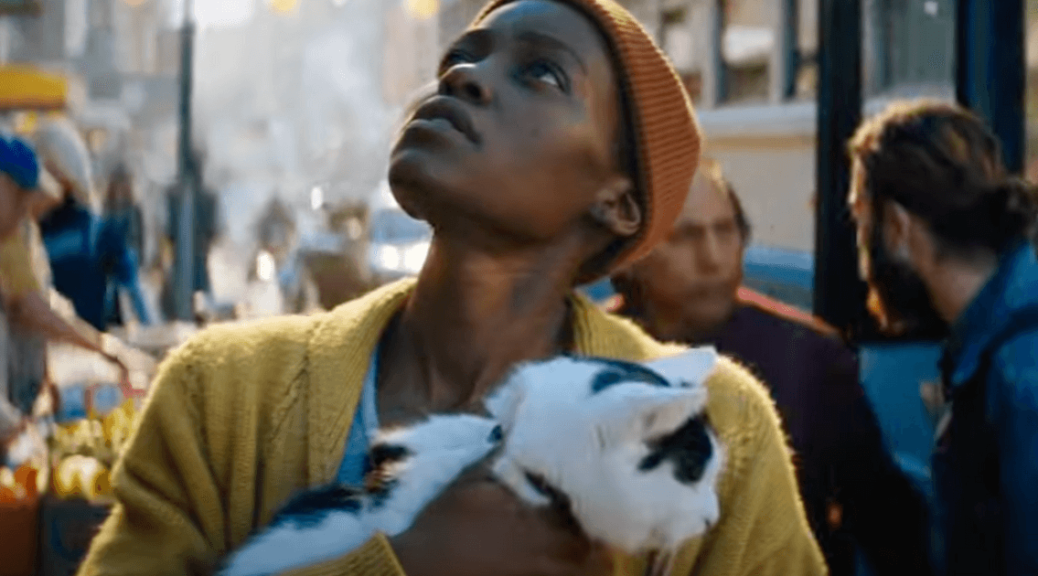
Lupita Nyong’o leads a stellar cast as Sam, an unhappy woman on a day trip with her cat to NYC. Her plans are upended when giant ear-head monsters begin dropping from the sky, smack into the noisiest city in the nation. Any time you can watch a film with giant extra-terrestrials bearing ear drums where a face should be and you find yourself fully believing anything, you’re watching a pretty good movie. A Quiet Place: Day One is a pretty good movie.
5. Annabelle Comes Home (2019)
Easily the best in the outright Annabelle series (not specifically ranking the rest of the Conjuring universe in which she’s also situated). Annabelle Comes Home delivers a blast of fun, and a remarkable tonal shift from its precedessors.
Mckenna Grace is Judy Warren, daughter of Ed (Patrick Wilson) and Lorraine (Vera Farmiga, both in cameo). Folks go out of town to save some souls or buy more polyesther, whichever, and leave Judy with reliable babysitter, who invites an unreliable buddy, who touches every object in the Warrens’ “do not touch by reason of demonic possession” room and all hell breaks loose.
It’s fun—mindless PG13 fun, but definitely fun.
4. Son of Frankenstein (1939)
Basil Rathbone plays the estranged son of the wacky Dr. Frankenstein. He’s spent his life abroad, but now that his father’s dead, he’s decided to look into that old property left to him. His lovely wife and precocious son accompany him, but they find nothing but ill will in the village.
Which does nothing to dissuade the young Dr. Frankenstein from reviving his father’s monster the first chance he gets. Boris Karloff is back, this time taking orders from Ygor (Bela Lugosi), a vindictive little villager who helps out in the laboratory. It’s a tense, sad and often funny film littered with some of the biggest stars of the age, and though it never comes near the heights of the James Whale films, it’s rock solid.
https://www.youtube.com/watch?v=PdgtQoxDiy8
3. Day of the Dead (1985)
The third and in George Romero’s original Dead series, Day of the Dead delivers a cynical look at humanity. The filmmaker turns his eye toward what happens to civilization long after the zombiepocalypse ravages humanity.
It’s clear that this is the episode where Romero began to really identify with the zombies, a thread he pulls more clearly through later installments – Land of the Dead in particular. But if you compare Bub with any of the civilians, even Sarah Bowman, it’s clear who’s the favorite character. Not that anyone blames Romero for that.
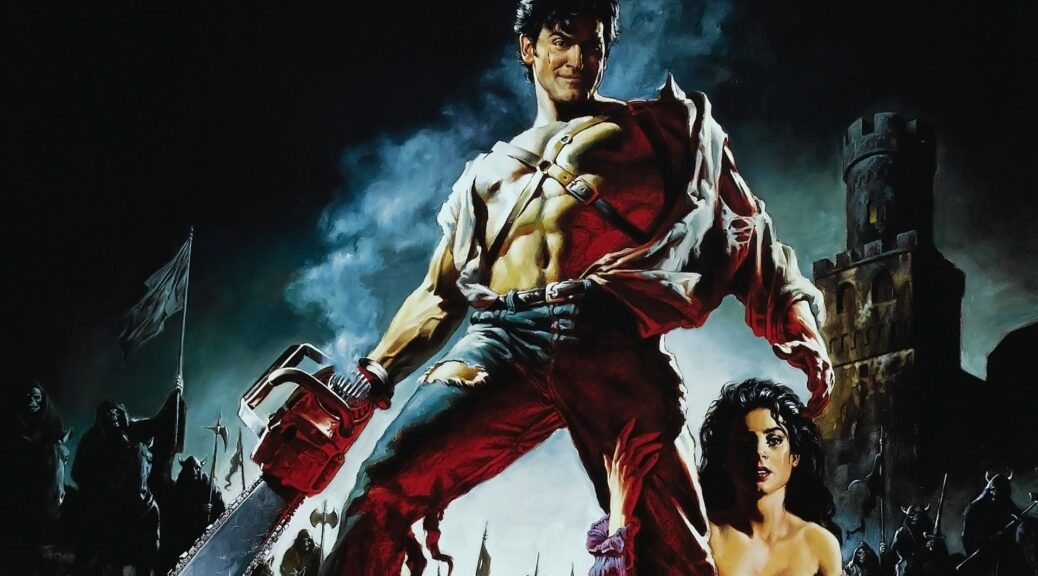
2. Army of Darkness (1992)
Yes, all of Sam Raimi’s Evil Dead films are a laugh riot, a visceral delight, a spew-happy celebration. But the Ashley J. Williams of the first two episodes gets a big makeover for Part 3.
Bruce Campbell loses the unibrow, gains some pecs, biceps and abs, and turns the attitude up to 11. The result is a medieval fantasy spilling over with one liners, bravado, idiocy of the best kind, and angry dooting. That’s right, angry dooting!
1. Exorcist III
Hands down the best third installment of any horror franchise, William Peter Blatty wrote and directed this dialogue-dense sequel to the 1973 phenomenon William Friedken had made of his novel. Blatty starts strong enough, garnishing shots with vivid, elegantly creepy images. He enlists George C. Scott to anchor the tale of a cop drawn back into a supernatural case. In other inspired casting, New York Nicks great Patrick Ewing plays the angel of death in one of Kinderman’s freaky dream sequences, joined by romance novel coverboy Fabio as another angel. Also, the always great character actress Nancy Fish plays the bitchy but reluctantly helpful Nurse Allerton.
There are also two of the scariest scenes in cinema. Eventually the story moves into a hospital and stays there, but just before that move, there’s a terrific confessional scare – crazy spooky voice, effective cackle, blood – that elevates the entire project.
And then there’s that insane flash of terror as one nurse crosses the narrow hallway in front of the camera, quickly followed by some gauze-draped figure, arms outstretched. Eep!
It cannot be that time already! No! All right, well, OK—if we have to, we have to. There’s much to be excited about in the coming months: Longlegs, Maxxxine, Heretic, Nosferatu. But that doesn’t mean we should forget the banner year horror is having already. Here, in alphabetical order, are our favorite horror films so far this year.
The Coffee Table
A remarkably well written script fleshed out by a stunning ensemble becomes utter torture as you want so badly for some other outcome. Co writer/director Caye Casas ties threads, builds anxiety, plunges the depths of “what’s the worst that could happen?” and leaves you shaken.
David Pareja and Estefania de los Santos craft indelible, believable, beautifully flawed characters so convincing that their experience becomes painful for you. Casas salts the wounds with dark comedy, but the tenderness and tragedy collaborate toward something far more crushingly human.
Handling the Undead
With his source novel and screenplay for Let the Right One In, John Ajvide Lindqvist mixed vampire bloodlust and emotional bonds. Handling the Undead (Håndtering av udøde) finds Lindqyist turning similar attention to zombies, teaming with director/co-writer Thea Hvistendahl for a deeply atmospheric tale of grief, longing, and dread-filled reunions.
In the film’s first two acts, Hvistendahl unveils these awakenings with barren and foreboding tenderness. Everyone knows this can’t end well, but the tears of joy that come from seemingly answered prayers create moments that straddle a fascinating line between touching and horrifying. While so much time is spent exploring the pain of those left behind, we know that eventually zombies gonna zombie.
Immaculate
Working from a script by Andrew Lobel, director Michael Mohan mines the desperate helplessness of Rosemary’s Baby. And star/producer Sydney Sweeney does a fine job of swimming the murky waters of faith, innocence, and the wisdom born of innocence lost.
What’s most stunning is how well two male filmmakers channel female rage. Immaculate digs into the way organized religion constrains, punishes, silences, bullies, vilifies and oppresses women and then unleashes glorious fury. Fearless, cathartic, bloody, beautifully sacrilegious fury.
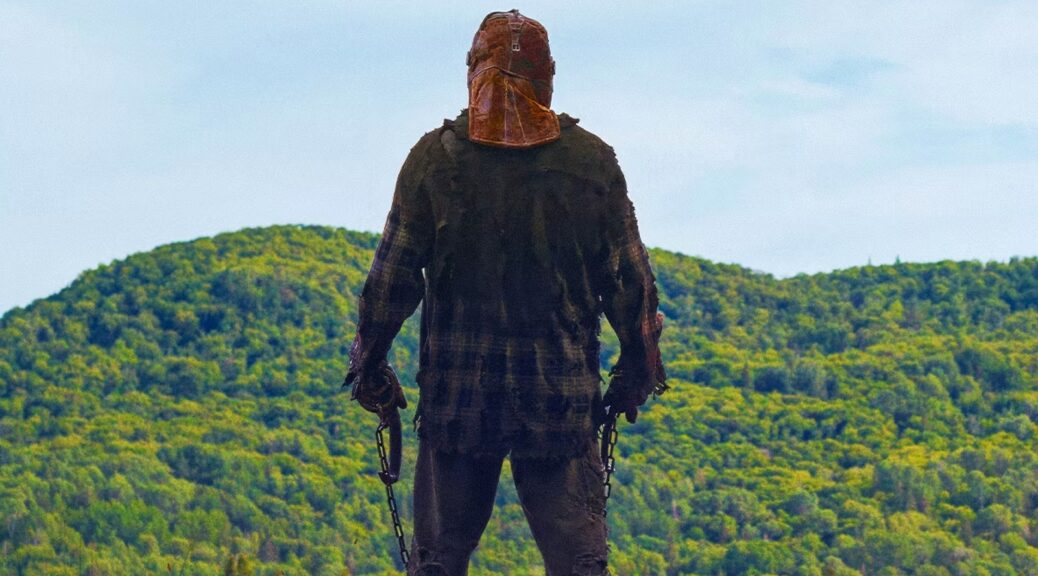
In a Violent Nature
What Chris Nash does with his retake on the slasher—utterly minimalistic except for the carnage, which is generally inspired—is both a deconstruction and loving ode. This movie loves slashers. It does not mock them, doesn’t wink and nod at what we accept when we watch them. Nor does it add any depth to them.
People watch slashers to see characters you don’t care about meet inventive, bloody death in a beautiful landscape. We watch slashers because death is comeuppance, it is coming no matter what, and it’s coming in the form of a hulking, horrifying mass with a tragic backstory. If you don’t like slashers, you won’t like In a Violent Nature. If you sincerely do, though, this film is not to be missed.
Infested
Remember Quarantine (or Rec, for that matter)? Remember that moment when you realize you’re locked inside an apartment building, trapped with the ravenous undead? OK, so that but spiders. Nice, right?! Sébastien Vanicek’s Infested (co-written with Florent Bernard) doesn’t steal from other movies as much as it mines the primal fears that have plagued the most effective horror movies from the beginning.
Apartment horror can be so creepy when it’s done well: dark hallways, grimy elevators, creepy parking garages, too many floors until safety, and loads of places for spiders to nest. Vanicek makes excellent use of these spaces, and he shows solid instincts for creature FX—when to go practical, when to show little, when to show lots (and lots and lots). But his film succeeds on the lived-in world of these neighbors and friends. You may find yourself shaking out your sleeves and pulling the drawstring tight around your hoodie. I did. But at least the cockroaches are under control.
Invader
Lean, mean and affecting, Mickey Keating’s take on the home invasion film wastes no time. In a wordless—though not soundless—opening, the filmmaker introduces an unhinged presence. Immediately Keating sets our eyes and ears against us. His soundtrack frequently blares death metal, a tactic that emphasizes a chaotic, menacing mood the film never shakes. Using primarily handheld cameras from the unnerving opening throughout the entire film, the filmmaker maintains an anarchic energy, a sense of the characters’ frenzy and the endless possibility of violence.
Scenes possess an improvisational quality that coincides with the rawness of the overall effort. Keating is spare with exposition—if you can’t figure out what’s going on without having it explained to you, you are clearly not paying attention. The verité style accomplishes what it’s mean to, lending Invader an authenticity that amplifies the horror. Invader delivers a spare, nasty, memorable piece of horror in just over an hour. It will stick with you a while longer.
I Saw the TV Glow
Fulfilling the promise of 2021’s We’re All Going to the World’s Fair, writer/director Jane Schoenbrun’s follow-up, I Saw the TV Glow, is a hypnotically abstract and dreamily immersive nightmare of longing.
Justice Smith (Dungeons & Dragons: Honor Among Thieves) is heartbreakingly endearing, while Bridgette Lundy-Paine (Bill & Ted Face the Music) provides a revelatory turn of alienation and mystery. It’s hard to take your eyes of either one of them, with Schoenbrun often framing their stares through close-ups that become as challenging as they are inviting. And that feels organically right. Because Schoenbrun is channelling characters who imagine life as someone else, to again emerge as a challenging and inviting filmmaker with a thrillingly original voice.
Late Night with the Devil
If you grew up around 1970s TV, you’re likely to have an even deeper appreciation for this high-concept homage from filmmakers Cameron and Colin Cairnes. The Australian brothers who gave us the terrific low budget horror 100 Bloody Acres have essentially crafted their found footage genre entry, all centered around broadcast and BTS footage from the last episode of Night Owls with Jack Delroy, a nighttime talk show trying to compete with Carson.
David Dastmalchian—a longtime supporting MVP blessed with a memorable face—is finally getting his chance to carry a film, and he does not disappoint. Ultimately, what Late Night with the Devil has in mind is more like an R-rated Twilight Zone, with a twisty moral backed up by blood. Expect devilish fireworks and frisky throwback fun, even if you’re not scared out of your bellbottoms.
A Quiet Place: Day One
Lupita Nyong’o leads a stellar cast as Sam, an unhappy woman on a day trip with her cat to NYC. Her plans are upended when giant ear-head monsters begin dropping from the sky, smack into the noisiest city in the nation. Watching as folks figure out how to survive without saying a word offers Episode 3 an excellent way to carve new ground.
Plus there’s a cat, Frodo. Yes, it’s a cheap way to generate tension as you spend the entire film asking, “Wait, where’s the cat? How is the cat?” The script calls for a handful of other easy ploys for anxiety, fear and emotion, but Sarnoski and his cast rise above these. They make you believe them.
Any time you can watch a film with giant extra-terrestrials bearing ear drums where a face should be and you find yourself fully believing anything, you’re watching a pretty good movie.A Quiet Place: Day Oneis a pretty good movie.
Stopmotion
There will be moments when you’re watching Robert Morgan’s macabre vision Stopmotion that you’ll think you see the twists as they’re coming. That’s a trick. Morgan, writing with Robin King, assumes you’ll catch the handful of common horror twists, but he knows that you won’t predict the real story unfolding.
Stopmotion delivers a trippy, uncomfortable, and deeply felt tale of a struggling artist. This is a descent into madness horror of sorts, but it’s also the story of an artist coming to a realization about what scares her most.
But in case that hideous lie is in fact the truth, we’ve compiled a list of our favorite films so far. Lots of great stuff still ahead, but we do always mark the occasion of mid-year with a look back, so here you have it, in alphabetical order, the 15 best films of 2024 so far.
The Bikeriders
Based on Danny Lyon’s 1968 book of photos and interviews of the Chicago-based motorcycle club the Vandals, Jeff Nichols’s tale catches a moment in history. Tom Hardy stalks the screen in a deeply felt performance full of pathos, tenderness and fear. His spiritual opposite, Austin Butler haunts the film, a beautiful phantom forever outside anyone’s grasp. But it is Jodie it is Comer who drives The Bikeriders.
Nichols’s character building and patient, lyrical pace combine with cinematographer Adam Stone’s gritty, gorgeous, picture postcard pastiche for an immersive experience that gracefully echoes the source material. Pages are turned and stakes are raised for these characters, their way of life and the country they call home.
Challengers
The relationship triangle at work in Challengers could probably work outside of a tennis court, but director Luca Guadagnino does wonders with the sports angle for a completely engrossing drama of intimate competition. Anchored around a three-set challenge match between Art Donaldson (West Side Story‘s Mike Faist) and Patrick Zweig (Josh O’Connor from The Crown), the film drifts back and forth in time as it immerses us in their series of entanglements with tennis phenom Tashi Duncan (Zendaya).
Zendaya, Faist and O’Connor deftly handle the growth of their characters from fresh-faced teens to hardened adults. All three deliver terrific, well-defined performances, and Challengers quickly becomes a film to get lost in, where you’re happy to be hanging on every break point.
Civil War
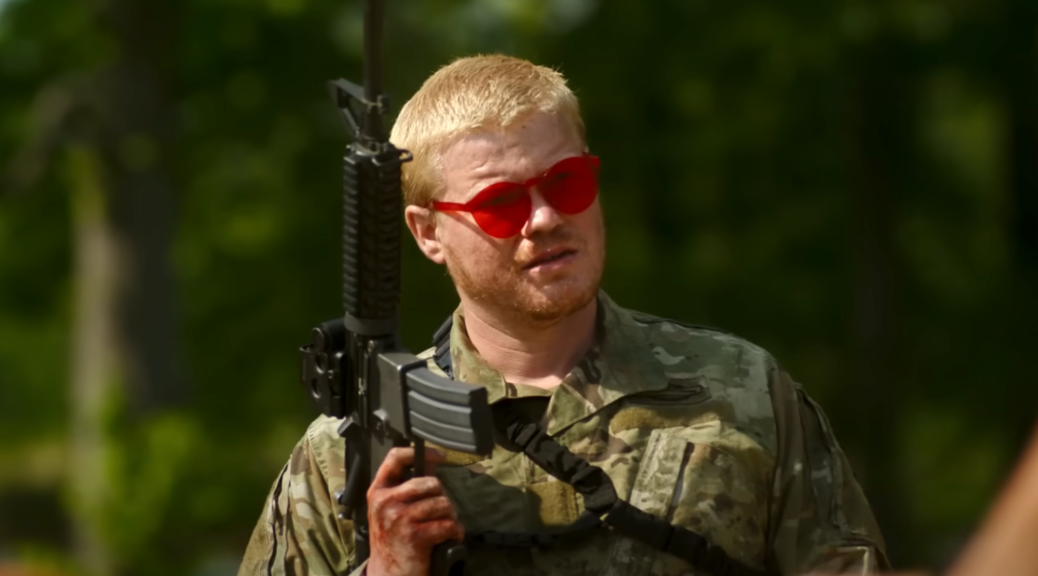
Filmmaker Alex Garland uses a road trip to D.C. to bolster Civil War’s very ambitious ideas with tension-filled looks at the heartland. Through an uneasy stop for gas, the visit to a town the war forgot, a marksman’s simple rules of engagement, and a brutal citizenship test from an unforgettable Jesse Plemons, we’re immersed in a war-torn America that seems authentically terrifying.
But it’s all just a prelude to the carnage ahead. Because once it settles in D.C., the film becomes a war movie that will batter your senses with a barrage of breathless execution. As draining as it often is, Civil War is also an exhilarating, sobering and necessary experience. Smartly written and expertly crafted, the film manages to honor the work of wartime photojournalists as it delivers a chilling vision. It’s one beyond left or right, where the slippery slope of dehumanization breeds a willingly and violently divisible America we always professed to be beneath us.
Dune: Part Two
Dune: Part Two is as breathtaking a vision as Denis Villeneuve’s 2021 Part One. And it’s a better film, benefitting immeasurably from the freedom of exposition that weighed down Part One. The sequel rides intensity and action from its opening segment. Villeneuve’s world-building is again a wonder to behold. He immerses us in this world of sand and savagery, providing fully realized reminders of how much Herbert’s original vision has influenced iconic sci-fi tentpoles such as Mad Max and Star Wars.
While Part Two‘s 2 hours and 45-minutes eclipse the first film, you’ll also find more meat on the bone, and the finale sticks a damn fine landing. Overall, there’s just more earned tension, more thrills (get ready for the worms!) and more character arc to keep you invested in this fight.
Evil Does Not Exist
Two years ago, the magnificent Drive My Car became the first Japanese film to garner a Best Picture Oscar nomination, and earned Ryûsuke Hamaguchi well-earned noms for writing and directing. Now he rewards his wider audience with Evil Does Not Exist (Aku wa sonzai shinai), another thoughtful, gracefully intellectual tale that finds him in an even more enigmatic mood.
And though the one hundred six-minute running time might seem rushed for a filmmaker that has favored three, four, and even five-hour films, Hamaguchi’s storytelling here is more patient than ever. Yoshio Kitagawa’s exquisite cinematography often showcases nature’s beauty in wordless wonder, always buoyed by an Eiko Ishibashi score that is evocative and moving.
Furiosa: A Mad Max Saga
George Miller follows up his epic action masterpiece Fury Road with a look at what made our girl tick, what turns of event turned her into the baddest of all badasses. Writing again with Nick Lathouris, who co-write Fury Road, Miller invests more time in plotting than usual, creating a 15-year odyssey rather than a breathless and breakneck few day adventure.
Miller remains as true to his vision of the wasteland as he was back in ’79’s original Mad Max, but there is a depth to the storytelling here that sets it apart. We’ve had four films to see what turned Max Rockatansky mad, made him what he is. Now Miller lays out a single story that serves as both a thrilling prelude to Fury Road and a rich origin story in its own right. Plot does not take a front seat to action, though, so strap in for more glorious road wars.
Hit Man
What better way to have some breezy fun with our identity-challenged times than by embellishing the true-life story of one Gary Johnson? Johnson was a phony hitman in Texas who would don different disguises working undercover work for the police. After a 2001 article in Texas Monthly profiled his adventures, various screenwriters toyed with the project. And though Johnson died in 2022, he can sleep well knowing Richard Linklater and Glen Powell’s Hit Man finally does him proud.
Linklater’s direction is slick and well-paced, with a vibe that recalls a winning mix of Fletch whodunnit, Spy humor and Ocean’s 11 sex appeal. But Hitman still feels very much in-the-moment, with a repeated focus on how our point of view can shape our reality, and how our path to change starts by being honest with ourselves.
That’s right, Powell and Linklater find room for a serious message in Hit Man. But don’t worry, you’ll be having so much fun it won’t hurt a bit.
https://www.youtube.com/watch?v=DXwa8DKIK7g
Immaculate
Working from a script by Andrew Lobel, director Michael Mohan mines the desperate helplessness of Rosemary’s Baby. And star/producer Sydney Sweeney does a fine job of swimming the murky waters of faith, innocence, and the wisdom born of innocence lost.
What’s most stunning is how well two male filmmakers channel female rage. Immaculate digs into the way organized religion constrains, punishes, silences, bullies, vilifies and oppresses women and then unleashes glorious fury. Fearless, cathartic, bloody, beautifully sacrilegious fury.
Inside Out 2
It’s been nine years since Pixar’s Inside Out took us on that wonderful ride through a young girl’s feelings. Almost a decade, and I’m still not over what happened to Bing Bong. Revisiting Riley (voiced by Kensington Tallman) when she hits her teen years seems like a natural exercise. And beyond that, Inside Out 2 delivers enough warmth, humor and insight to make the sequel feel downright necessary.
This is another very clever romp through all that builds the sense of self. The film’s battle between joy and anxiety is relatable for all generations, and it’s filled with levels of creativity, humor, and visual flair that are undeniably fun. Inside Out 2 is a completely entertaining two-hour guide toward understanding – or appreciating – the messy emotions of growing up.
I Saw the TV Glow
Fulfilling the promise of 2021’s We’re All Going to the World’s Fair, writer/director Jane Schoenbrun’s follow-up, I Saw the TV Glow, is a hypnotically abstract and dreamily immersive nightmare of longing.
Justice Smith (Dungeons & Dragons: Honor Among Thieves) is heartbreakingly endearing, while Bridgette Lundy-Paine (Bill & Ted Face the Music) provides a revelatory turn of alienation and mystery. It’s hard to take your eyes of either one of them, with Schoenbrun often framing their stares through close-ups that become as challenging as they are inviting. And that feels organically right. Because Schoenbrun is channelling characters who imagine life as someone else, to again emerge as a challenging and inviting filmmaker with a thrillingly original voice.
Love Lies Bleeding
Awash in the stink and the glory of new passion, Rose Glass’s Love Lies Bleeding treads some familiar roadways but leaves an impression solely its own. Glass blends and smears cinematic gender identifiers, particularly those of noir and thriller, concocting an intoxicating new image of sexual awakening and empowerment. She routinely upends images of power and masculinity, subverting expectations and associations and fetishizing the human body anew.
Anyone who’s seen Glass’s magnificent 2021 horror Saint Maudmay be better prepared for the third act than newcomers to the filmmaker’s vision, but it’s a wild and unexpected turn regardless. It’s quite something—bold, original, and wryly funny in the most unexpected moments. There’s heartbreak and horror, sex and revenge, a little magic and a lot of steroids. Glass’s juice has the goods.
Monkey Man
After directing just two short films, Dev Patel moves to features with Monkey Man, an assured and thrillingly violent story of heritage and revenge. Patel teams with screenwriters John Colle and Paul Angunawela—plus producer Jordan Peele—to take some well known themes and move them progressively forward. Rebelling against the totalitarian tactics of Baba Shakti (Makrand Deshpandi) and the Sovereign Party, a forgotten and oppressed population turns to the Monkey Man for deliverance.
And as much as this feels like an origin story, it is a dark one. Patel has indeed delivered a statement, as much about his filmmaking prowess as it is about his worldview. The statement is grim and bloody, so strap in for the thrilling, visceral rise of Patel and the Monkey Man.
Ryuichi Sakamoto: Opus
Sakamoto, the Japanese composer and actor who earned Grammys, BAFTAs, Golden Globes, an Oscar and multiple other awards in his legendary career, was nearing the end of his long battle with cancer when he agreed to one final performance. Director Neo Sora – Sakamoto’s son – presents his father’s farewell with minimalistic virtuosity. There is only Sakamoto, his piano, and his wonderful talent, as a cascade of musical beauty fills in all the colors needed against Sora’s rich black-and-white pallet.
Give Ryuichi Sakamoto: Opus your time and complete attention, and you will be rewarded. This is a man talking to God through his piano.
Just let your soul be enriched.
Snack Shack
Four years ago, Adam Rehmeier’s Dinner In Americaarrived as a delightfully subversive 90s punk rock rom-com. Snack Shack finds the writer/director still navigating the 90s with hilarious R-rated delight, even as the punk rock ‘tude has been usurped by capitalistic dreams. You’ll know where some of this is going, but Rehmeier’s script delivers foul, horny hilarity, and outstanding turns by both Conor Sherry and Gabriel LaBelle stand out in a letter perfect ensemble. The time stamp is again spot on, with Rehmeier’s freewheeling style crafting an infectious mashup of The Way Way Back, Superbad and Project X.
And most importantly, Rehmeier captures that zest for life on the cusp of adulthood without a whiff of pandering or condescension. The boys will do some growing up during this one crazy summer, and the film will grow up with them. Slowly, parents don’t seem quite as lame, the hijinx aren’t as silly and some important lessons about love, sex, death and friendship hang in the air just long enough to hit just hard enough.
Stop Motion
There will be moments when you’re watching Robert Morgan’s macabre vision Stopmotion that you’ll think you see the twists as they’re coming. That’s a trick. Morgan, writing with Robin King, assumes you’ll catch the handful of common horror twists, but he knows that you won’t predict the real story unfolding.
Aisling Franciosi (The Nightingale) is Ella. She’d like to make her own stop-motion animated film, but instead she’s helping her mom finish hers. Ella’s domineering mother Suzanne (Stella Gonet, very stern) is a legend in the field, and she makes Ella feel as if she has no stories of her own to tell.
Stopmotion delivers a trippy, uncomfortable, and deeply felt tale of a struggling artist. This is a descent into madness horror of sorts, but it’s also the story of an artist coming to a realization about what scares her most.
Writer/director Michael Sarnoski has more than inventive scares to live up to as he helms A Quiet Place: Day One. The third installment of John Krasinski’s alien invasion series may boast breathless tension, sudden gore, and the most silent theaters you’re likely to visit. Beyond all those things, Krasinski shows no mercy at all when it comes to ripping your heart out. In that area, he does more damage than aliens.
Well, Sarnoski is ready for it—all of it—so you should bring some tissues.
Lupita Nyong’o leads a stellar cast as Sam, an unhappy woman on a day trip with her cat to NYC. Her plans are upended when giant ear-head monsters begin dropping from the sky, smack into the noisiest city in the nation. Watching as folks figure out how to survive without saying a word offers Episode 3 an excellent way to carve new ground.
Sarnoski’s a fascinating choice to direct this third installment, which was originally meant for Jeff Nichols (who would have been an unusual choice for a SciFi/horror sequel too). Nichols dropped out to make The Bikeriders, but Krasinski (who co-writes and produces) still nabbed a filmmaker not known for genre but for heartfelt, beautifully drawn indies. Sarnoski’s Nic Cage showcase Pig is one of the greatest films of 2021 and boasts perhaps the best performance of the prodigious actor’s career.
Alex Wolff, who held his own against Cage in Pig, is one of a slew of actors who makes a big impression with limited screentime and even less dialog. Djimon Hounsou mines more from his handful of minutes in this film than in the whole running time of A Quiet Place Part II, and Joseph Quinn (Stranger Things) finds power in panic and shares a wonderful postapocalyptic chemistry with Nyong’o.
Plus there’s a cat, Frodo. Yes, it’s a cheap way to generate tension as you spend the entire film asking, “Wait, where’s the cat? How is the cat?” The script calls for a handful of other easy ploys for anxiety, fear and emotion, but Sarnoski and his cast rise above these. They make you believe them.
Any time you can watch a film with giant extra-terrestrials bearing ear drums where a face should be and you find yourself fully believing anything, you’re watching a pretty good movie. A Quiet Place: Day One is a pretty good movie.
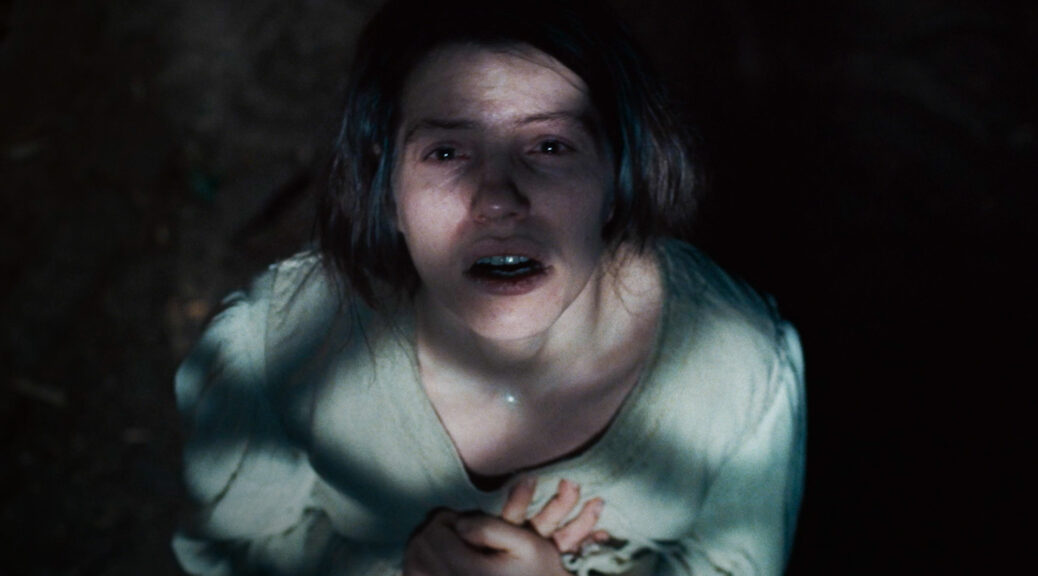
It’s been five years since Veronika Franz and Severin Fiala’s last horror—the remarkable The Lodge—and a full decade since their unnerving Goodnight Mommy. I had missed their particular brand of isolated, rustic horror. So it was with much excitement that I sat down to their latest, a twisted true crime fairytale, The Devil’s Bath.
Set in the 18th century mountains of Austria, young bride Agnes (Anja Plaschg) finds married life with Wolf (David Scheid) not all she’d hoped. Disappointment, confusion, isolation, fanatical religious fervor, guilt, and desperate longing—plus the suspicion that dogs any village outsider—prove too heady a combination, and soon even Agnes can’t explain her own behavior.
The film, also written by Fiala and Franz, mines historical records of the area to illustrate the natural, dire consequences of religion, patriarchy, and duty.
Both The Lodge and Goodnight Mommy were slow builds that drew as much tension from the brutal beauty of their isolated location as from the events unfolding there. The Devil’s Bath walks that same eerily remote path, but the burn is much slower and the horror less mean.
The Devil’s Bath repays close attention. Details that offer context to Agnes’s plight float in and out of the background, and without those details, the viewing experience can feel as unmoored as poor Agnes. But so much of Agnes’s trouble is recognizable—difficultly fitting in, a growing distance between herself and her husband that she doesn’t understand, and the impossible task of getting close to (or becoming independent of—either would be OK) her mother-in-law. She’s on her own and soon lonesomeness and longing are all she feels.
And what is there to do? Nothing. This is her life now, far from the mother who dotes on her and the brother who protects her.
As Agnes descends into madness, the filmmakers ensure that we feel the universality of her condition.
The Devil’s Bath opens provocatively, leaving you with a question. The ensuing two hours pointedly answers that question, and then asks: Are you sure you would do it differently?
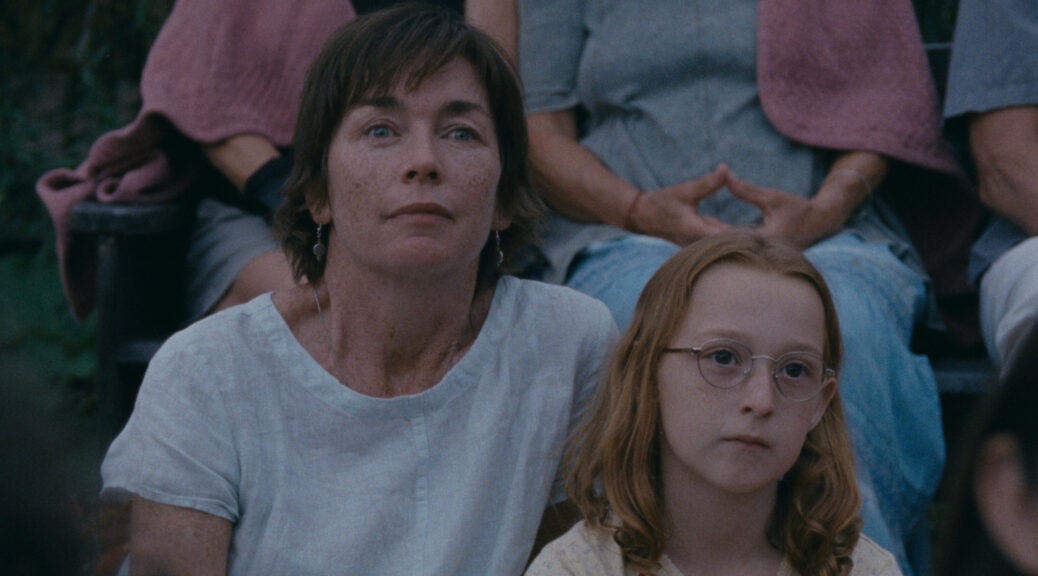
It’s a quietly eventful summer for 11-year-old Lacy (Zoe Ziegler, astonishing). Although writer/director Annie Baker’s languid slice of life may appear unremarkable, what she captures is a bittersweet awakening rarely caught so astutely on film.
What opens feeling touched by absurdity settles into a mood more influenced by the unique world view of an unusual child. Baker’s fascinating framing choices emphasize Lacy’s perspective—what she sees keenly and what does not command her attention.
Inside her idyllic home in rural Western Massachusetts with her mother, Janet (Julianne Nicholson, equally astonishing), Lacy is comfortable. It’s a dreamy place where she is observant, imaginative, accepted and protected. But something is knocking.
A Pulitzer-winning playwright making her feature debut behind the camera, Baker relies on silences and gestures to mark the dramatic architecture of her story and the arc of her characters. The film’s unhurried nature might make some impatient, but both Nicholson and Zeigler compel your interest.
Nicholson—as reliable an actor as you will ever find—conveys both affectionate acceptance and frustrated longing as the single mother of the precocious Lacy. But it’s newcomer Ziegler who truly impresses, carving out a unique, memorable character you hope time and society won’t change and conformity won’t touch.
Janet Planet is loosely structured around three characters who briefly occupy space with the duo—gruff boyfriend Wayne (Will Patton), friend Regina (Sophie Okonedo), and potential suitor Avi (Elias Koteas). Each is wonderful—Okonedo, in particular—contributing something lovely to this richly textured tale.
Though well established in the theater, Baker’s first foray into filmmaking feels effortlessly cinematic. She marks a specific moment in the relationship between a parent and child, a transition that often accompanies the time just this side of adolescence, still precariously clinging to childhood. Bittersweet, beautifully observed and honest, Janet Planet also marks an impressive transition for Baker from stage to screen.
There is nothing in this world that cannot be undone by obedience and patriarchy.
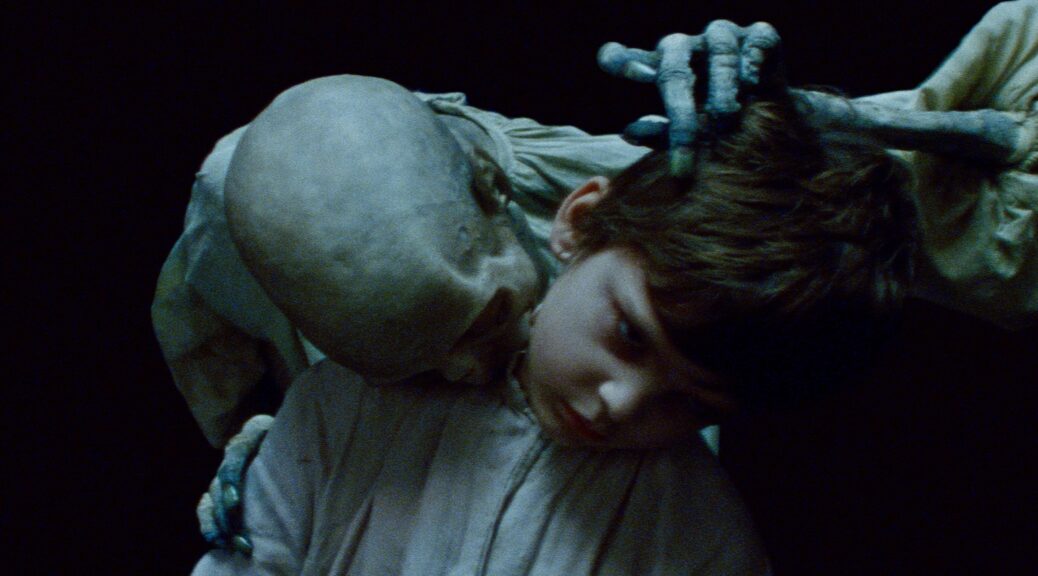
Also, I just watched the maddest film about vampires—Adrien Beau’s The Vourdalak, based on Tolstoy’s 19th century tale that inspired Mario Bava’s Black Sabbath. In Beau’s hands, a darkly comic sensibility wraps around themes of oppression—classism, sexism, homophobia—to charge the old vampire lore with something wizened and weary about who becomes victims and why.
Fancy pants Marquis Jacques Antoine Saturnin d’Urfé (Kacey Mottet Klein, the picture of entitled cowardice in his powdered wig and pointy shoes)—a nobleman from the court of the King of France—finds himself lost in a formidable wood somewhere out Serbia way. His host has been murdered by marauding Turks. His only hope is that the primitive family in this rustic little farmhouse can offer him aid.
But the Marquis has arrived at quite a moment. The patriarch is gone to fight the Turks. He said he would return within six days, but if he returned any later than that, the family was not to let him in the house because he would no longer be their father. The Marquis has arrived on Day 6.
Klein’s comic delivery meets deadpan reaction from Ariane Labed (The Lobster, Flux Gourmet) playing the host’s lovely if melancholic daughter, Sdenka. The performances create a fascinating pairing, Klein instinctively enriching his character arc with their onscreen chemistry.
Vassili Schneider injects the film with aching tenderness that gives the horror a powerful sadness, even though there’s no denying The Vourdalak’s comedic sensibility.
Beau’s film delivers stagy fun that’s utterly hypnotic, using dance, melodrama, even puppets as well as more traditional genre imagery to spin a bizarre and captivating horror.