Category Archives: New In Theaters

Reviews of what’s out now

Paint It Black

Sketch

by Hope Madden

When I was 10, I wrote and directed a school play. In it, a babysitter and her charges are murdered by a roving madman. I got in a lot of trouble.

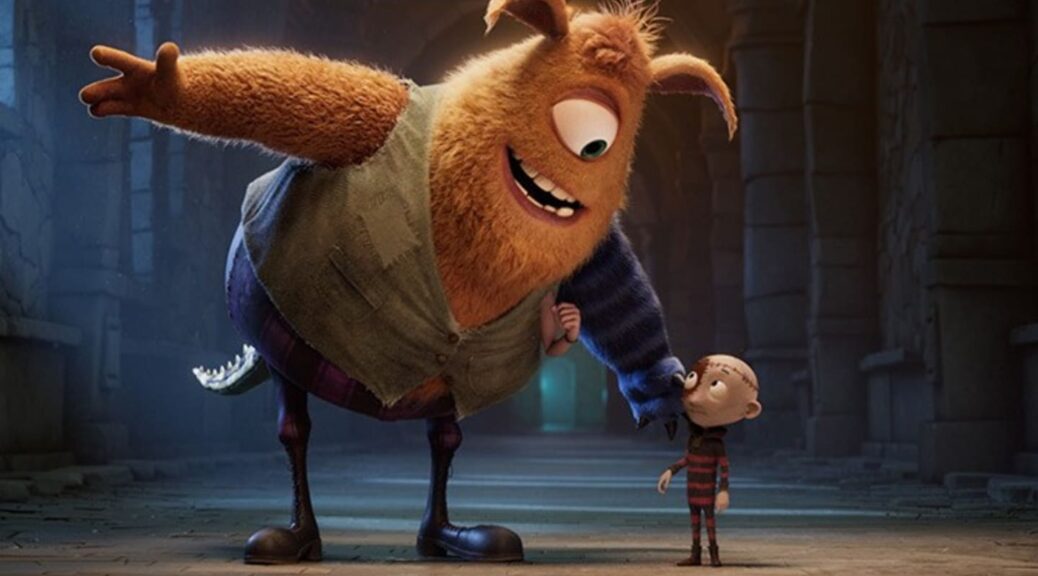
Young Amber Wyatt (Bianca Belle) knows my pain. To the dismay of her out-of-his depth dad (Tony Hale) and protective if clueless brother Jack (Kue Lawrence), Amber draws scary monsters capable of murder. Mainly they murder Bowman (Kalon Cox), the b-hole from the school bus who is on Amber’s last nerve. But with their teeth, tentacles, hook feet, and sword arms, they could murder anybody.

Could they? We’ll, we’re set to find out when Amber Wyatt’s sketchbook makes its way into a magical little pond and all her beasties come to life.

Writer/director Seth Worley’s Sketch is the latest Angel Studios release, but don’t hold that against it. Yes, that’s the studio responsible for the irresponsible, illogical, and terribly acted Sound of Freedom and a host of other mediocre-to-awful inspirational films. Still, Sketch is a charmer, family-friendly but unafraid, forgiving and funny.

The message is clear but not too blunt: stop freaking out about the kids who are examining their pain. Worry more about the people who are silencing theirs. Part of the reason the themes resonate without wallowing is the banter between the always reliable Hale and D’Arcy Carden, as his sister.

Belle struggles from time to time with the heaviness of the character, but both Lawrence and Cox deliver silly fun as a couple of dumbasses out to save their town from day-glo chalk monsters belching glitter.

Worley’s writing is on point, rarely (though occasionally) drifting into maudlin territory. But even at its weakest, the script benefits from Carden’s crisp comic turn and Hale’s effortlessly empathetic pathos.

Plus, the imagination that is celebrated onscreen with macabre whimsy articulates a kind of acceptance rarely emphasized in films that begin with a teacher worrying a parent over creepy kid drawings.

There’s a lot beneath the film’s surface that feels too familiar, but a game cast and directorial commitment to childish creativity elevate Sketch. It’s a good one to watch with your kids. Even better if you’re kind of afraid of your kids.

So Happy

Together

by Hope Madden

Horror has always trodden the terror of losing your identity, of losing your very personality or individuality, of what makes you you. From Dr. Jekyll and Mr. Hyde to every Invasion of the Body Snatchers iteration (including The Faculty) to most zombie horror, horror fiction and cinema reflect our own worry that there is something out there that will steal from us what makes us ourselves and turn us into something else.

The anxiety of losing your identity to coupledom is just as real, though few films (horror or otherwise) have depicted this relatable, perhaps primal fear as adorably, as authentically, or as grotesquely as Michael Shanks’s Together.

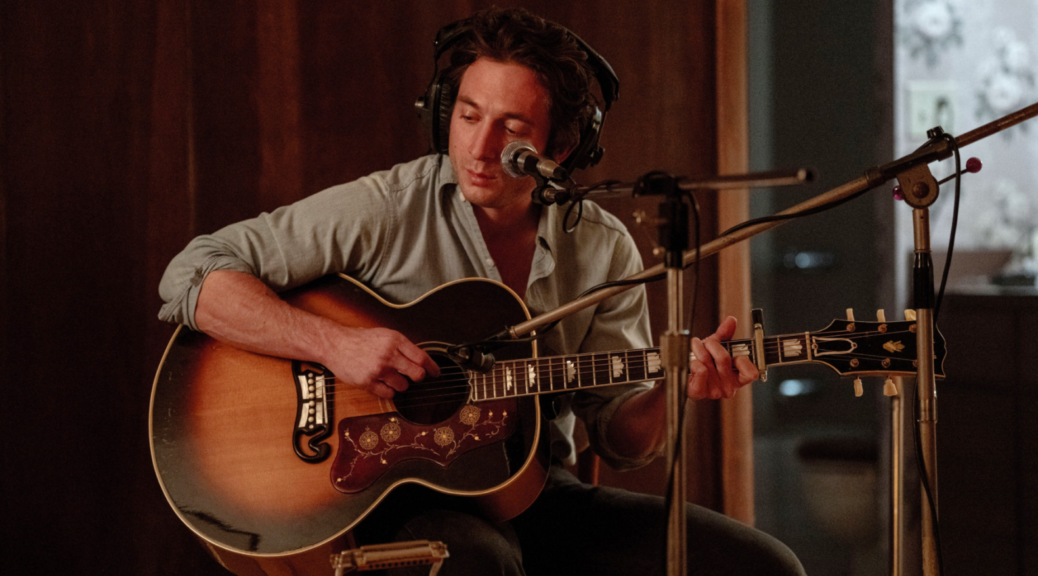
The writer/director’s feature debut benefits enormously from the lived-in camaraderie of its leads. Alison Brie and Dave Franco, married in real life, play Millie and Tim. They’ve been together for nearly a decade, but this new chapter of their lives marks a distinct step. Millie took a job teaching in Upstate New York, two hours from NYC where Tim sometimes plays guitar with a band while he tries to finish his solo EP, to be self-released.

Millie has grown up. Will Tim? Can he? Or is he abandoning himself, giving up on his dreams and forgetting who he is by moving with Millie? If they don’t split up now, it’ll just be harder later.

Much, much harder. Stickier too.

Something happens as the pair explore the woods around their new home and, little by little, it draws their two bodies together, attempting to fuse them into one thing. It’s a delightful metaphor played joyously and goretastically, the body horror and humor fusing just as readily as Tim and Millie’s extremities.

Brie and Franco are perfect, and Damon Herriman lends his considerable, understated talent to develop the plot and keep you guessing.

Though Shank’s writing sometimes lands heavily (past trauma exposition), and other times leaves you disbelieving (why on earth is she still with him?!), the sweet, romantic believability of the performances charms you into sticking it out. And you’ll be glad, because once the film hits its stride, it is a wild, funny, charming, repulsive ride.

What Shanks manages with his film is to be overtly romantic, never cynical, consistently funny, and gross as hell. It’s the perfect date movie. But maybe go on an empty stomach.

Baby Steps

The Fantastic Four: First Steps

by Hope Madden

Wholesome is the new look in superheroes. Just a couple weeks back, James Gunn and Superman made kindness punk rock. And now, director Matt Shakman hopes to draw on a retro-futuristic vibe to conjure a less skeptical, cynical time.

The Fantastic Four: First Steps owes much of its entertainment value to production design. The 1960s of the future is as quaint as can be, but the vibe is never played for laughs at the expense of its innocence.

And sure, villainy is forever afoot, but for Mr. Fantastic (Pedro Pascal) and Sue Storm (Vanessa Kirby), nothing is as scary as new parenting. For the first time, Mr. Fantastic/Reed Richards is facing the fact that he knows nothing about anything (as all new parents must).

But he’d better get over it because world eater Galactus (Ralph Ineson, in great voice) is headed to earth, as heralded by one silver surfer (Julia Garner). Does Johnny Storm (Joseph Quinn) have a crush? Sure, but so does The Thing (Ebon Moss-Bachrach), thanks to that kindly teacher over at the neighborhood Hebrew school (Natasha Lyonne, donning her own inimitable retro-future style).

Shakman helms his first feature in over a decade, after slugging it out on a slate of successful TV series, including helming 9 episodes of WandaVision. Though he nails the visual vibe, set pieces and action sequences entertain more than wow.

The wholesome family speechifying gets a little tiresome eventually, as well. But the earnest, heartfelt messaging—no cynicism, no snark, no ironic detachment—feels not only welcome but fearless. Performances are no less sincere, each actor carving out camaraderie and backstory the film refuses to telegraph.

Pascal, as a genius almost enslaved by his calculating brain, effortlessly mines the character for conflicted tenderness, so believably submissive to this new love. Both Moss-Bachrach and Quinn, in supporting roles, craft memorable, vulnerable characters.

Kirby impresses. Saddled heavily by the cinematic tropes of protective motherhood and indefatigable maternal instinct, she edges Sue’s conflict with flashes of rage and ferocity that not only support the plot but give life to the character.

The Fantastic Four: First Steps is no Superman. But it’s fun. It’s wholesome. It’s swell.

Found and Lost

House on Eden

by Hope Madden

Can you watch a found footage horror film and not be constantly asking yourself, who edited this footage together? Who pulled from one camera, then another, spliced in security cam stuff? Who looked at all the footage from all the different cameras and decided what we would see when? And how did they get it all? And where did they go?

If it does not bother you, then it’s possible that you will enjoy writer/director Kris Collins’s House on Eden more than I did.

This found footage horror clings close to real life. Spooky content creators “KallMeKris” Collins, “celinaspookyboo” Celina Myers, and filmmaker Jason-Christopher Mayer play versions of themselves, social media handles and all. The trio is out to make a great video, not one of those boring videos everyone makes. So instead of going to the cemetery Celina has researched, Kris diverts the road trip to a house she found online that she’s sure no one has ever been to.

Sure. Because totally anonymous houses post themselves online.

And what’s the draw? Why is it spooky? Because maybe a girl went missing somewhere in the vicinity 60 years ago.

For context, wherever you are standing at this very second, some girl has gone missing from that spot in the last sixty years.

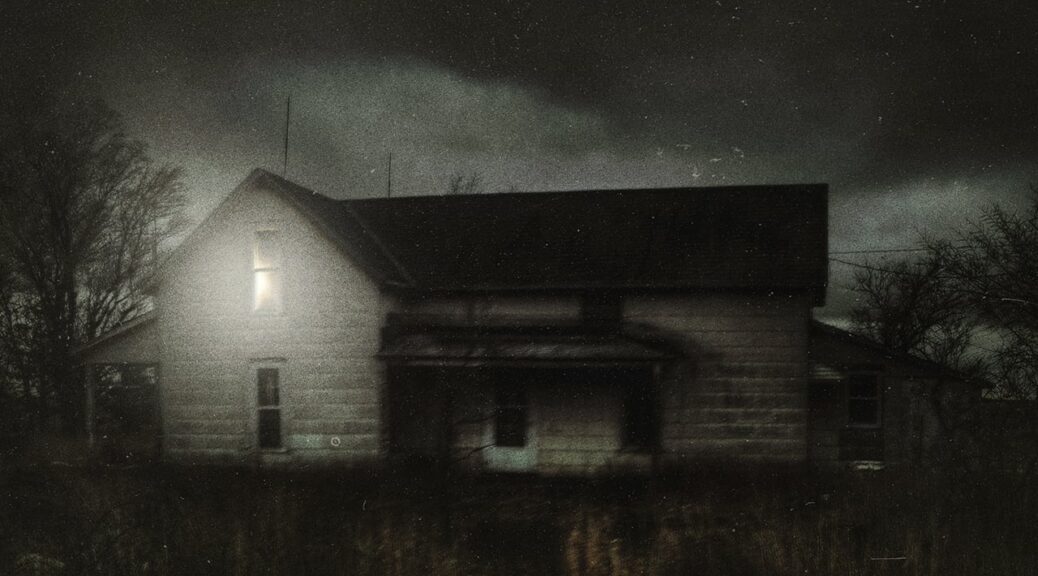
So, three youngsters break and enter into a beautiful, well-maintained home, not a speck of dust anywhere. But it’s really, really far away from everything else so surely, it must be abandoned.

That is to say, three people break into a well cared for, isolated home to unravel no mystery they know of in one of the more tedious, uninspired, lazily written found footage horror films in recent memory.

It’s not as if found footage can’t be done well, even the ghosthunter variety. Deadstream is epically watchable, funny and scary at the same time, and it maintains the integrity of found footage pretty well. My advice to you is to watch that instead.

Suspect Your Elders

The Home

by George Wolf

About an hour into The Home, things escalate. And quickly. There’s a big enough jolt of blood and violence to make you hopeful the foolishness that’s been rolled out so far can be rescued.

Sorry, too little, too late.

Pete Davidson gives the film a solid, sympathetic anchor as Max, a troubled man who gets sentenced to community service doing custodial work at a New Jersey old folks home. He makes friends with some of the residents, angers some of his co-workers, and quickly comes to realize something pretty f’ed up is going on.

Director and co-writer James DeMonaco, who created The Purge franchise and helmed three of the chapters, can’t mine the same levels of socially-conscious horror or reality-based tension. What’s up with these seniors is ridiculous sci-fi horror built on ideas from much better films, with a message that’s hammered home through repetition, explanation and – for the first 60 minutes at least – boredom.

Through it all, Davidson exhibits a fine screen presence, and the supporting cast is littered with veteran faces you’ll recognize even if the names (John Glover, Ethan Phillips, Bruce Altman) aren’t familiar. They help you to keep rooting for the movie when the bloodshed hits, but DeMonaco doesn’t see it through, pulling up too soon and settling for a curious finale that’s far too weak to satisfy.

A horror film out to chop bloody holes in that “Greatest Generation” mantra is plenty intriguing. The Home, though, feels stuck between more desirable neighborhoods. It’s not self-aware or over-the-top enough to be satirical fun, but far too obvious for metaphorical nuance.

So we’re left wanting, reminded of how important it is to craft a good plan for the golden years.

Master of Puppets

Shari & Lamb Chop

by Brandon Thomas

Documentaries based on beloved children’s entertainers have become quite the trend in the last 10 or so years. Both Mr. Rogers and Jim Henson were the subject of wonderful films that chronicled their lives and the impact they both had on children’s entertainment, education, and culture. With Shari & Lamb Chop, renowned ventriloquist and magician Shari Lewis gets her own time to shine.

No stranger to crafting a documentary on an entertainment icon, director Lisa D’Apolito (Love, Gilda) dives into Lewis’s personal and professional history through enlightening interviews with living family members, those who worked for and with her, and industry professionals. While the bulk of the film is spent showering Lewis with praise, it also doesn’t completely shy away from her darker periods: a failed first marriage, a years-long career slump, and an affair that nearly derailed her second marriage. D’Apolito strikes a balance between transparency and understanding that her primary audience is likely Lamb Chop die-hards.

It would’ve been easy for Shari & Lamb Chop to completely focus on the Lamb Chop character and how it essentially propelled Lewis’s overall career. While Lamb Chop plays a major role in the doc (the name is in the title, right?), D’Apolito instead puts the spotlight on Lewis and the professional drive that made her a beloved figure in children’s entertainment. The film comes alive when it touches on Lewis’s talent at magic acts, or her experience as a dancer, and how she put that to great use on a variety show. 

Shari & Lamb Chop comes to a close with a poignant look at Lewis’s final days and how her terminal illness allowed her to make one more professional statement while simultaneously acting as a goodbye to her loved ones. D’Apolito’s use of behind-the-scenes footage from this final show brings us all into that emotional moment. It’s a beautiful period on a life and career that brought so much joy and love to people around the world. 

Despite taking the same “Greatest Hits” approach that many similar docs have done with famous subjects, Shari & Lamb Chop still soars thanks to a steady filmmaking hand and the engrossing life of the film’s titular focus.

Not-So-Way-Back Machine

Eddington

by Hope Madden

There are very few contemporary filmmakers better able to pick scabs, to generate discomfort for an entire running time, than Ari Aster.

Eddington, his latest, is an inverted Western set in late May of 2020—you remember spring of 2020, don’t you? The lunacy. The terror. The relentless need to move from one day to the next as if we were not actively sniffing the apocalypse. Well, Aster sure remembers it.

In a lot of ways, Eddington, New Mexico resembles just about any place in the spring of 2020. An awful lot of people wanted to ignore the pandemic because it hadn’t touched their town (yet, that they knew of). Others wanted to follow the rules as closely as was convenient, hoping that business as usual would find a way. Others spiraled, whether from terror or boredom or lack of structure, often turning to the internet, many to finally realize that police brutality was a real thing.

Aster captures it all, depicting the way the façade of normalcy had protected us from ourselves and each other, and reminds us that nothing healthy grows on stolen land.

Sheriff Joe Cross (Joaquin Phoenix) just wants things to go back to the way they were. He sees the disdain, fear, maybe even hate people like him—white, unmasked men—are facing. It is disconcerting—Aster’s hint that the underlying cause of all the harm, hatred, violence, and mayhem that came from the pandemic might have less to do with Covid 19 and more with white men feeling their true vulnerability.

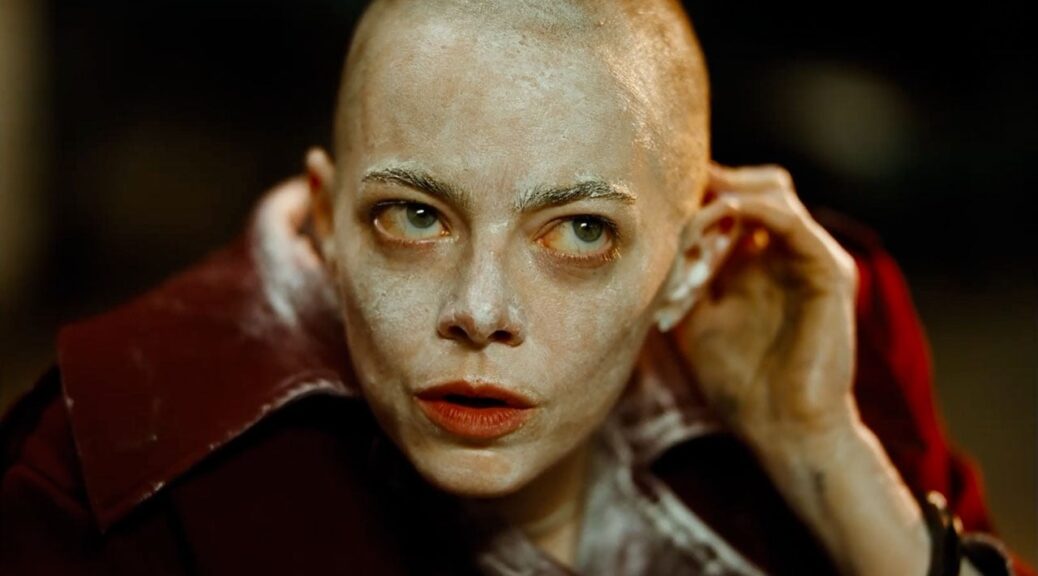
Phoenix is characteristically flawless—flummoxed and human in a way that engenders more empathy than Joe likely deserves. Joe’s counterpoint, the smooth, opportunistic mayor, Ted Garcia (Pedro Pascal), doesn’t get off any easier, and Pascal’s slightly brittle performance is enlightening.

Aster populates Eddington with a collection of the exact types of people forged by the pandemic, though many are boiled down to defining lines of dialogue (“I am a privileged white male, and I’m here to listen! And I’ll do that as soon as I’m done with this speech.”) Still, with supporting performers as strong as Emma Stone, Austin Butler, Michael Ward, and Dierdre O’Connell, even the most faintly drawn character is fascinating.

Aster’s film blames humanity, not right or left, for the cultural rot we’re left with. That may be the most honest and aggravating choice he makes, but Eddington offers very little in the way of fabrication. The town may be fictional, but I think we all remember the place.

A Not So Simple Plan

To a Land Unknown

by George Wolf

One of my favorite classic album deep cuts is Springsteen’s “Meeting Across the River” from Born to Run. In the song, two longtime losers are planning for the night they’ve been waiting for, when they’ll finally get a chance at the big score that will change their lives.

Bruce leaves the ending up to us, because the point is more about the past of these characters than their future.

To a Land Unknown works on similar levels, as director/co-writer Mahdi Fleifel uses an intimate story to invite us into larger conversations.

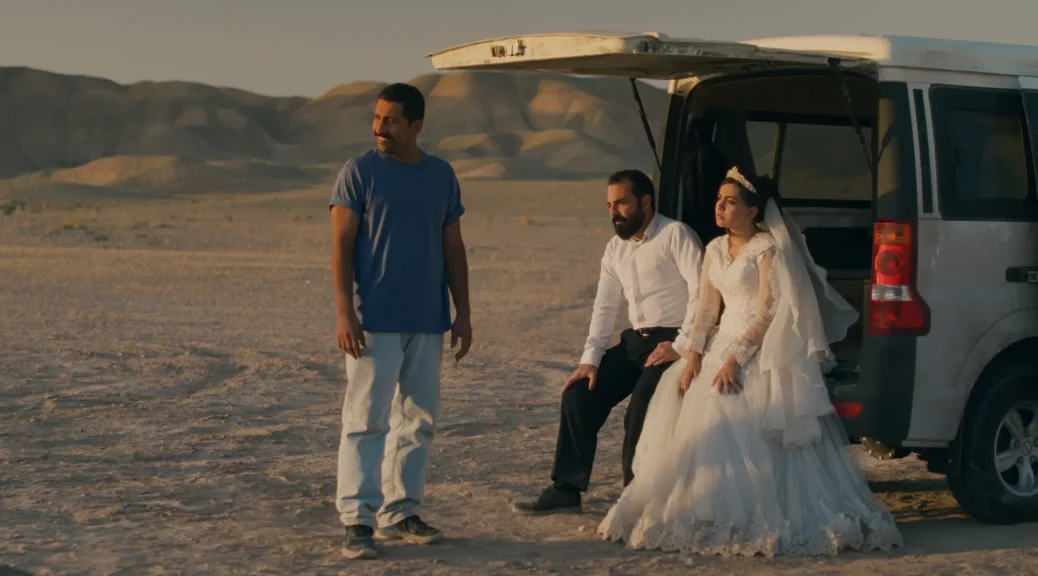
Chatila (Mahmoud Bakri) and Reda (Aram Sabbah) are Palestinian cousins living in Greece. Chantila has a wife and child in Lebanon, while Reda is trying to make it past thirty days off drugs. Together, the two snatch purses and scheme for any way to get enough money for fake passports.

Unexpected friendships with a 13 year-old from Gaza (Mohammed Asurafa) and a local cougar (The Lobster‘s Angeliki Papoulia) give Chatila an idea for a big con. Pull it off, and they’ll have enough for the passports and tickets to a new life in Germany.

Once there, they will open a cafe, reunite the family and finally breathe easier.

After many years of short films and documentaries, Fleifel’s first narrative feature leans on many recognizable influences and familiar moments in movie history. The solid performances and assured plotting keep you engaged throughout, but as the film progresses, Fleifel brings weight to an undercurrent of exile that breathes in humanity, empathy and undeniable relevance.

Like so many other lost souls in songs and stories, Chatila and Reda are desperate for a place to belong, and for the chance to build their own lives. To a Land Unknown brings a cold and urgent realism to that familiar journey.

You’ll Never Go in the Onsen Again

Hotspring Sharkattack

by Matt Weiner

Japan’s beloved onsen (natural hot springs) are the site of grisly shark attacks in the town of Atsumi. A weary police chief butts heads with the town mayor hellbent on welcoming as many tourists as possible, even as the body count rises and outside shark experts and influencers alike converge on the town to solve the mystery (or profit from it on social media).

Sound familiar? While writer and director Morihito Inoue localizes the story to his home country, the main beats are so load-bearing that Hotspring Sharkattack is less a Jaws homage and more of an extended parody.

Chief Denbei Tsuka (Kiyobumi Kaneko) daydreams about his impending retirement from the Atsumi police. Billed as “the Monaco of the East,” the scenic town is a tourist draw for their many onsen. And the number of sightseers is about to grow exponentially with the opening of a towering new spa resort, a project that feckless town mayor Kanichi Mangan (Takuya Fujimura) deems too big to fail no matter how many bodies start to pile up.

The police suspect these aren’t typical shark attacks, but it’s not until marine biologist Mayumi Kose (Yuu Nakanishi) arrives to help investigate that they figure out what these special sharks are up to. It involves cartilage, pipes and some scientific handwaving… but it’s also not important. It’s all exactly as silly as you want from a movie called Hotspring Sharkattack.

The actors treat these ridiculous monologues with just the right level of dignity to sell the lines. The bigger issue is that, between the film’s brisk runtime and over-reliance on early PlayStation special effects, Hotspring Sharkattack comes dangerously close to looking like a late-night Syfy throwaway. And not one of the better ones.

Thankfully, by the time Mangan and Kose team up—with a little help from a silent, mostly shirtless guardian with godlike powers nicknamed Macho, because why not?—Inoue has reached deeper into his bag of low-budget tricks. The CGI sharks are still there, but so too are whimsical practical effects and miniatures. These moments of delight are a much better fit with the film’s tone, and it’s unfortunate that just about the only element not borrowed from Jaws is the understanding that you don’t need to show all your special effects if they aren’t working well.

Inoue’s earnest love of the source material and infectious humor go a long way toward pulling the film back from the direct-to-cable edge. But there’s a fine line between a B-movie that earns its status and a movie that is simply bad. And much like a cartilaginous predator that has learned to strike from any puddle of water (spoiler, if that’s the sort of thing you’re concerned about when it comes to a mutant shark attack movie), the movie never fully escapes that threat.

Vampire Blues

Abraham’s Boys

by Hope Madden

The problem with crafting a feature length film from a short story is that, often, the story’s too short. Filmmakers need to pad, and that can be tough because if the story needed more, likely the writer—certainly a writer as strong as Joe Hill—would have realized that.

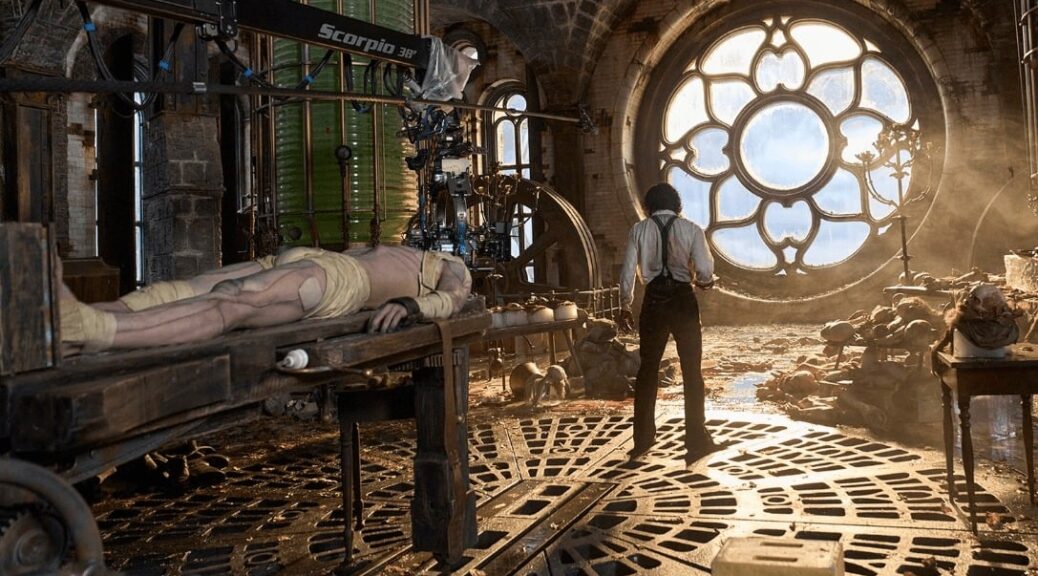
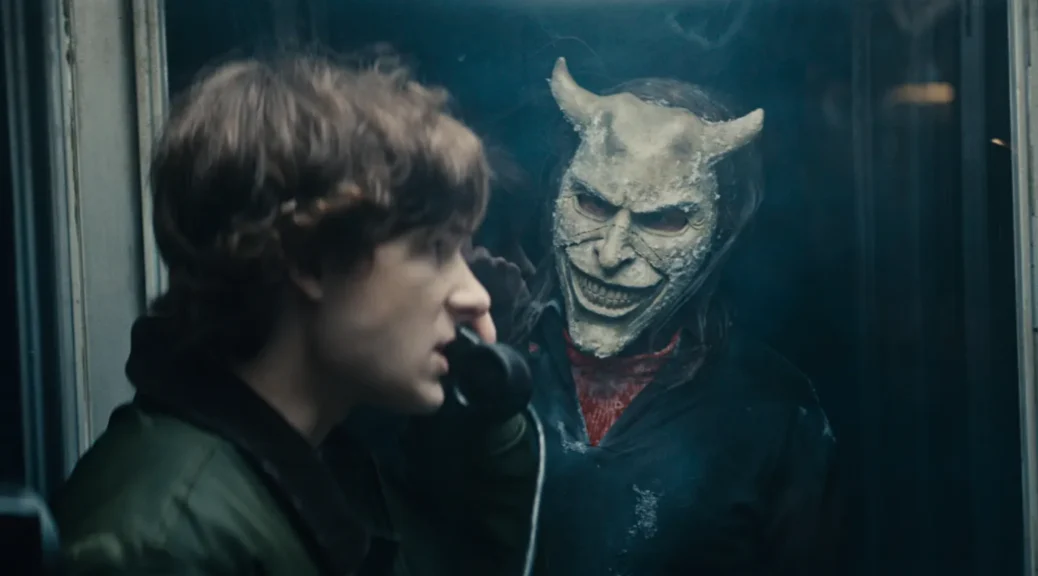
But it can be done. Hill’s The Black Phone—an incredibly creepy short—benefitted from a number of changes as it leapt from page to screen. Director Scott Dickerson, who co-wrote the screenplay with regular collaborator C. Robert Cargill, added complexity and a strong B-story to enrich Hill’s original tale.

In adapting Hill’s short Abraham’s Boys, filmmaker Natasha Kermani (Lucky) keeps the core ideas intact but alters everything in the orbit of our three main characters: Dr. Abraham Van Helsing (Titus Welliver, solid), his oldest son Max (Brady Hepner), and young Rudy (Judah Mackey). The family lives, along with delicate mother Mina (Jocelin Donahue, Last Stop in Yuma County), in the as-yet isolated California desert.

Mina is but a distant memory in Hill’s writing, so her presence allows the film to round out the family dynamic. Kermani also adds railroad builders, which deepens the pool of potential victims, but also hints at Van Helsing’s paranoia when he and his family are not isolated from the rest of the world.

Why so paranoid? Like the short story, the film raises suspicions concerning Abraham’s reasoning and behavior.

Kermani’s film delivers on horror, bloody and emotional, in a way the short does not. Dreamy sequences bring depth to the inner conflict haunting Max, the film’s main focus. And none of Kermani’s additions subtract from the prickly family dynamic that was the soul of Hill’s tale.

Hepner, who had a small part in The Black Phone, struggles to carry Abraham’s Boys. It’s his arc that defines the story, but the performance is little more than a stiff spine and a pout.

The balance of the cast fares better, but bringing Mina into the story complicates what, in Hill’s tale, was a very simple premise. Her talk of having seen Dracula, of having his voice in her head, muddies the plot in ways Kermani never clarifies. The mixed message weakens the climax a bit, but thanks to the slow-boil atmosphere and Welliver’s brooding turn, all is not lost.