Tag Archives: Screen Wolf

Get a (After) Life

Eternity

by George Wolf

Early on, Eternity may feel like a Hallmark Channel movie that made it to the big leagues. But thanks to a great cast and some easygoing humor, the whiffs of schmaltzy contrivance at its core are gone before that first commercial would have kicked in.

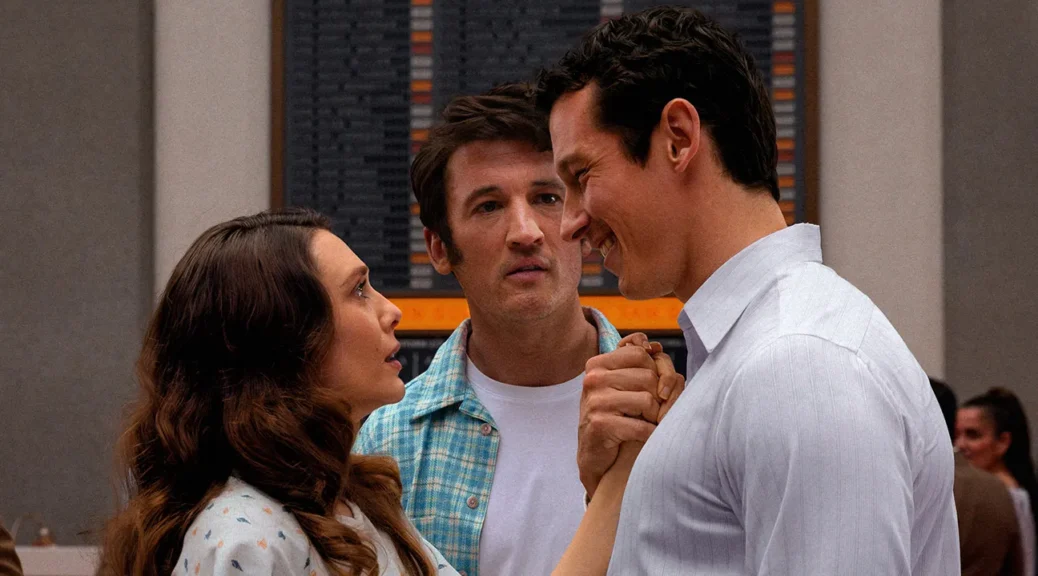
Elizabeth Olsen and Miles Teller play Joan and Larry. Married for 65 years, they drag their bickering selves to a family gender reveal party where Larry promptly chokes to death.

Once Larry accepts his fate, his helpful Afterlife Coordinator, Anna (Da’Vine Joy Randolph) gives him the scoop. Larry has one week to browse a very theme park-like showroom for all the eternity options available, and then make his choice.

But while he’s mulling, Larry meets Luke (Callum Tuner), who took a job as the showroom bartender rather than make an eternity choice at all.

Why would he do that? Because Luke is Joan’s first husband, who died in the Korean War and has been waiting 67 years for Joan to arrive.

And right on cue, the cancer that Joan and Larry had been hiding from their family sends Joan to her own Afterlife Coordinator, Ryan (John Early), who explains the obvious.

Joan’s Heavenly table only seats two, and she has one week to decide.

Director/co-writer David Freyne starts winning us over early with the Disneyfied weigh station. Various booths offer some well-played sight gags (“Choose Wine World!” “Man Free World Sold Out!”) while Anna and Ryan begin increasingly competitive campaigns for their clients’ futures.

It’s all good, high concept fun, but the three leads make the film a charmer that’s pretty hard to resist. Turner leans into Luke’s reputation as a perfect war hero too handsome even for Joan (I’m sorry, what? That’s Elizabeth Olsen!), while Teller is a perfect goofball trying to compete with Luke’s pristine memory.

And Olsen is the sweet, harried soul at the center, flush with the return of the young love fighting to drown out decades of memories.

In lesser hands, all three of these characters would become ridiculous posers, but the terrific ensemble and a deceptively smart script end up working wonders. Yes, you can probably guess how some of this plays out, but even that can’t spoil the film’s winning flight of fantasy.

Character-based with bits of nifty visual flair, Eternity delivers some warm fuzzies perfect for the season, even without any time spent in an afterlife Holiday World.

Maybe they don’t want to give Hallmark any ideas.

Bully Pulpit

Wake Up Dead Man: A Knives Out Mystery

by George Wolf

We may be early in awards season, but the slam dunk winner for Best Use of a Church Organ in an Ensemble Whodunnit has arrived.

Wake Up Dead Man: A Knives Out Mystery brings that LOL moment and many other deadly delights, as writer/director Rian Johnson again shows a wonderful grasp on giving the Agatha Christie blueprint his own wickedly fun stamp.

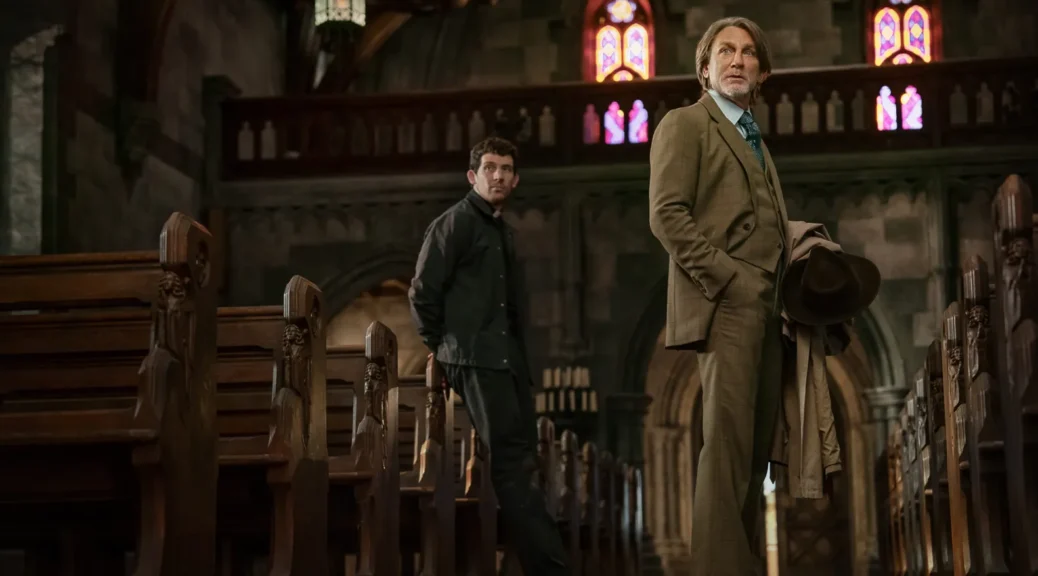
There’s been a murder at a small Catholic church in upstate New York. Just as young priest Jud Duplenticy (Josh O’Connor) is learning his way around Monsignor Jefferson Wick’s (Josh Brolin) iron-fisted control of his flock at Our Lady of Perpetual Fortitude, Wicks turns up with a literal knife in his back.

Jud has some violence in his checkered past – and he found the body – but the pews are filled with suspects. There’s lawyer Vera (Kerry Washington), her adopted son Cy (Daryl McCormack), writer Lee (Andrew Scott), Dr. Nat (Jeremy Renner), newcomer Simone (Cailee Spaeny), groundskeeper Samson (Thomas Haden Church) or maybe even devoted church secretary Martha (Glenn Close).

That much sleuthing is a bit overwhelming for Chief Scott (Mila Kunis) and her officers, so WGD (World’s Great Detective) Benoit Blanc (Daniel Craig) is on the case, albeit reluctantly.

In fact, Blanc is loath to even set foot inside a church, a feeling detailed in his breathtaking introductory speech, the opening salvo in Johnson’s assault on demagoguery and the quest for power via radicalization.

That assault is far from subtle, but man it’s a treat to get caught up in.

Brolin continues his stellar year with a masterclass of egotistic bullying, and O’Connor is the perfect counterpoint. Fresh-faced and mop-haired, Father Jud is committed to being a force for good in the world, and to honoring Christ’s mission to heal the world. That mission seems lost amid Wick and his parishioners, and each member of this sublime ensemble understands Johnson’s assignment to skewer such commonplace self-righteous hypocrisy.

Craig is letter-perfect once again, dialing back the giddy flamboyance that drove 2022’s Glass Onion with darker shades in line with the film’s tone. Blanc is troubled and stumped about more than just the facts of the case, and Craig continues to craft him as an endlessly fascinating figure.

Wake Up Dead Man is less of an outright comedy than the last mystery, though some solid laughs do land (like the church organ gag). And just like last time, it will not be hard to guess who Johnson has his knives out for. What you won’t guess is who done it, or how they done it.

But it sure is a kick to try.

Screening Room: Wicked: For Good, Sisu: Road to Revenge, Rental Family, Jay Kelly & More

Hope & George review this week’s new releases: Wicked: For Good, Sisu: Road to Revenge, Jay Kelly, Rental Family, Sentimental Value, Peter Hujar’s Day, Reawakening, Altered, and Time Travel Is Dangerous. Plus, movie news & notes from The Schlocketeer Daniel Baldwin!

Best Supporting Actor

Rental Family

by George Wolf

For the first few minutes of Rental Family, you’re not quite sure what it’s trying to be. Phillip, an American actor, is living and working in Japan, wearing funny suits in commercials to get by.

So, maybe fish-out-of-culture screwball comedy.

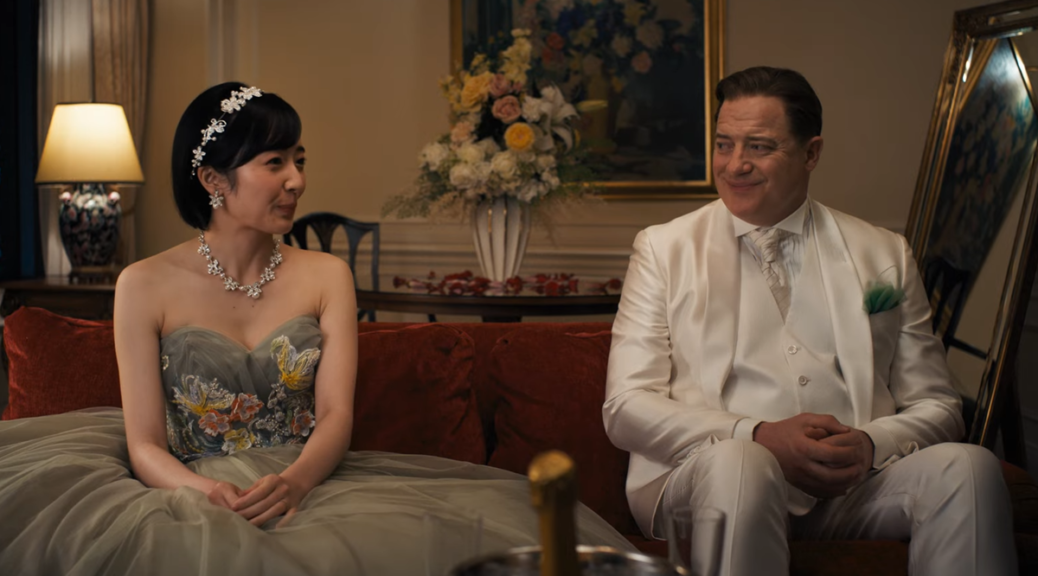
But then Phillip (Brendan Fraser) starts working at a company that “rents” whoever you need to make you feel better in a certain situation. The “Rental Family” firm needs a token white guy, and Phillip’s first assignment is playing a sad American at a funeral that results in a good laugh.

Still, maybe goofy comedy?

But at twenty minutes in, director and co-writer Hikari puts Phillip in an absolutely lovely human moment. As Phillip sees how good his work can make people feel, a possible warm drama of human connection comes into focus.

Hikari (Beef) and her writing partner Stephan Blahut base the film on real services for hire in Japan. To combat the stigma of mental health, the Japanese can “rent emotion” through actors playing roles in manufactured situations that make the clients seem more contented.

That is a sad necessity, for sure, and Fraser’s caring eyes and frequently furrowed brow speak loudly through various assignments. But as Phillip plays the father of a young girl trying to ace a school entrance exam, and then a reporter interviewing an aging actor who worries he’s been forgotten, the lines of fantasy and reality begin to blur.

Boundaries are crossed, secrets come to light and Phillip’s employer (the renowned Takehiro Hira) finds his entire business suddenly in jeopardy.

Hikari’s big heart is certainly in the right place here, but the film hits its highpoint with that early twenty minute moment. From there, the Oscar-winning Fraser is mainly held to one mopey note, and the emotional tone of the movie begins to feel a bit manipulative.

Mainly, Rental Family lands as a missed opportunity. There is potential here to spotlight a fascinating cultural commodity that parallels the manufactured reality of our social media age. What we get isn’t bad – in fact, it’s very nice – as long as you’re content with broad brushes and greeting card sentiments.

Pieces of Time

Jay Kelly

by George Wolf

Oh, jeez, here we go. Just in time for Awards Season, it’s another group of Hollywood elites making a big Netflix movie about how great movies are, and how great the people making movies are and how hard those people work.

Cue the eye-roll. Can the Oscar-baiting get any more shameless?

Hang on there, hot-taker. Why can’t veteran movie-makers write what they know? Like any other story, it comes down to how well you’re telling it, and how much we’re invested in what’s happening to the characters.

Turns out, it’s pretty easy to care about Jay Kelly, about the people in his orbit, and the commitment required to make cinema feel like “pieces of time.”

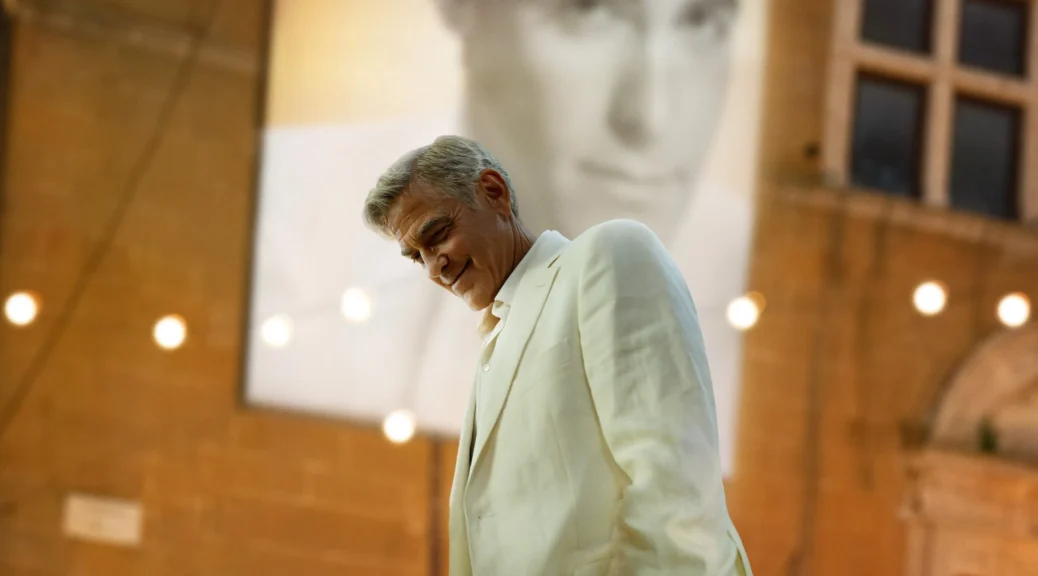
George Clooney wears the title role like his most broken-in leather jacket. Jay Kelly is a veteran movie star, enjoying the comforts of his status while slowly realizing what he has given up to get it.

And it’s not just Jay. From his loyal manager (Adam Sandler) to his publicist (Laura Dern), old roommate (Billy Crudup) to first mentor (Jim Broadbent) and beyond, their is no shortage of people holding a to-do list that starts with making Jay Kelly comfortable.

Director Noah Baumbach and co-writer Emily Mortimer (who also takes a small role in a large ensemble) seem very committed to writing what they know and live. The script does get talky, but never preachy, and we do see the daily anxieties and the juggled priorities, plus the fun of often watching someone else get the glory.

The film’s pool isn’t deep and its claws aren’t sharp but easygoing humor and poignancy reign. As Jay prepares for his career tribute in Tuscany (where else?), Baumbach’s breezy structure often feels like an adaptation from some unknown Sondheim musical. Characters hustle in and out of the periphery while Jay enters rooms that let him visit scenes from his life, reflecting on past choices and strained relationships with his two daughters (Riley Keough and Grace Edwards).

The cast is littered with talent (including Greta Gerwig, Patrick Wilson, Isla Fisher and Stacy Keach), and Sandler may finally earn that Oscar nod he was robbed of in 2019’s Uncut Gems. But in the end, you may as well just pronounce the title as “George Clooney.”

His modern-day Cary Grant persona is so effortless (just look at him charming that trainload of fans!), it’s nearly impossible to imagine the film working without him. And by the time Jay is seated for a very recognizable career tribute, the line where Clooney stops and Kelly starts becomes pretty damn thin.

Do you appreciate movies? You like Clooney? Say hello to Jay Kelly.

Which Witch

Wicked: For Good

by Hope Madden and George Wolf

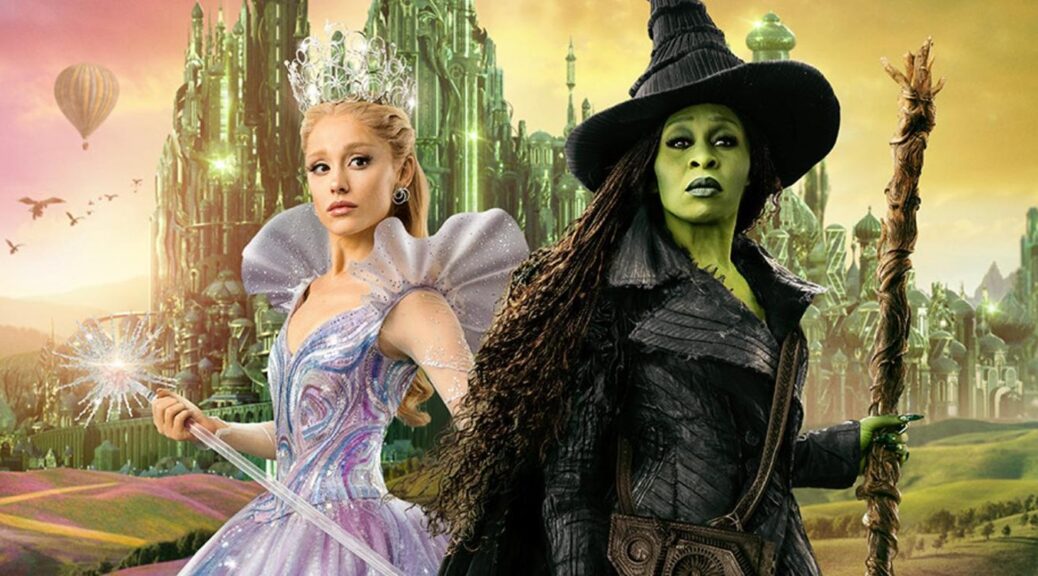
The lights are flickering, intermission is over, and Wicked: For Good brings us all back to that good problem Glinda and Elphaba have always had.

How do you match the high from part one?

Well, director Jon M. Chu and his magical cast return to do much of what they just did, for a grand, satisfying conclusion that comes about as close to last year’s Wicked as the material allows.

Did I say grand? Make that Grande.

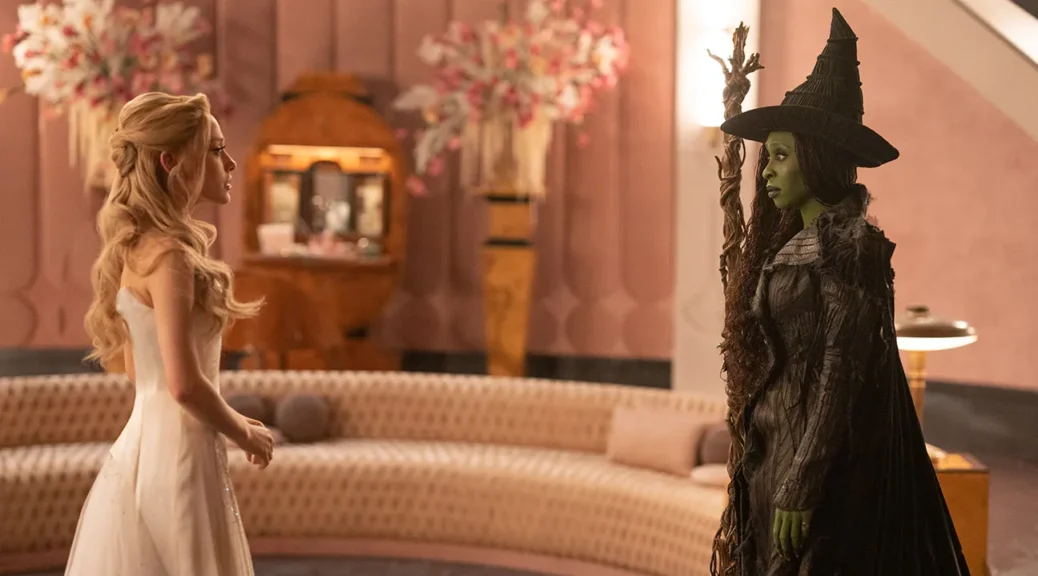
As Glinda, Ariana takes more of the lead this time, in another pitch perfect turn that leans on the wonderful harmony with Cynthia Erivo’s amazing Elphaba.

After embracing the black hat and broom, Elphie is now on the run. The Wizard (Jeff Goldbum) and Madame Morrible (Michelle Yeoh) have opened the yellow brick road and ratcheted up their propaganda campaign, convincing the Ozzians of Elphie’s wickedness and the need to crack down on both animals and munchkins.

Glinda has become an official goodwill ambassador, putting on fake displays of magic and prepping the kingdom for her lavish upcoming wedding to Prince Fiyero (Jonathan Baily).

But Glinda and Fiyero know Elphie is not evil. If they help broker a truce and bring her home, can The Wizard be trusted?

The layers of state-sponsored disinformation, discrimination and cruelty are – surprise! – even more relevant this time, but become less of a focus. A promised romance finally emerges, along with the need to connect the narrative with legendary story beats from The Wizard of Oz.

Baily doesn’t squander his limited screen time. And while the romance has always been secondary to the friendship in jeopardy, it’s still fun to see Elphie decide there’s something to enjoy in being wicked.

Nathan Crowleys’s production design, Paul Tazewell’s costuming and the cinematography from Alice Brooks continue to dazzle, each environment and ensemble styled to emphasize the individuals Elphie and Glinda are becoming. Erivo embraces Elphaba’s maturity and resolve, and she’s never sounded better.

But Grande is the belle of this ball. Glinda trades in her rose colored glasses for clarity, and Grande wields the character’s vulnerability in ways that make the transformation heartbreakingly lovely.

Chu’s commitment to the source material—both the stage musical and Gregory Maguire’s novel—again delivers a compelling, resonant spectacle. But, as was true with the stage production, “Defying Gravity” is the high point of this show. Despite two original tunes, this second half contains fewer truly memorable songs, and ties to the events of The Wizard of Oz feel a bit forced.

And though Chu and returning writers Winnie Holzman and Dana Fox make some course corrections along this yellow brick road, the subtext and emotional depth of storytelling fall just a clock tick below the sublime fantasy of part one.

That’s really been the case since the original show’s opening night. The first half is just stronger, and there is no shame at all in this second place. Far from it. Wicked: For Good is thrilling, impeccably crafted and wonderfully performed. And after all these years and impossibly high expectations, for the complete adaptation of Wicked to be this satisfying may be the most impressive gravity-defying feat of them all.

Fright Club: Kidnapping Horror

The idea of being kidnapped is one of those primal fears, one of the first worries we have as children. No doubt those fears have inspired many of these horror movies, and our own connection to those same anxieties the reason why so many of them hit home. From Hounds of Love to Split, Don’t Breathe to Misery, Last House on the Left to Prisoners and so many more, movies centered on kidnapping can leave you breathless and scarred. That must be why we had such a tough time landing on our five favorites. But here they are, live from the Gateway Film Center on Ohio State University campus.

5. The Woman (2011)

There’s something not quite right about Chris Cleese (an unsettlingly cherubic Sean Bridgers), and his family’s uber-wholesomeness is clearly suspect. This becomes evident once Chris hunts down a feral woman (an awesome Pollyanna McIntosh), chains her, and invites the family to help him “civilize” her.

The film rethinks family – well, patriarchy, anyway. You know from the opening, sunshiny segment that nothing is as lovely as it seems, but what lurks underneath this wholesome facade begins with some obvious ugliness—abuse, incest—but where it leads is diabolical.

Nothing happens in this film by accident – not even the innocent seeming baking of cookies – nor does it ever happen solely to titillate. It’s a dark and disturbing adventure that finds something unsavory in our primal nature and even worse in our quest to civilize. Don’t even ask about what it finds in the dog pen.

4. The Loved Ones (2009)

Writer/director/Tasmanian Sean Byrne upends high school clichés and deftly maneuvers between gritty drama and glittery carnage in a story that borrows from other horror flicks but absolutely tells its own story.

Brent (Xavier Samuel) is dealing with guilt and tragedy in his own way, and his girlfriend Holly tries to be patient with him. Oblivious to all this, Lola (a gloriously wrong-minded Robin McLeavy) asks Brent to the end of school dance. He politely declines, which proves to be probably a poor decision.

Inside Lola’s house, we’re privy to the weirdest, darkest image of a spoiled princess and her daddy. The daddy/daughter bonding over power tool related tasks is – well – I’m not sure touching is the right word for it.

The Loved Ones is a cleverly written, unique piece of filmmaking that benefits from McLeavy’s inspired performance as much as it does its filmmaker’s sly handling of subject matter.

3. I’m Not Scared (2003)

Director Gabriele Salvatores (Mediterraneo) crafts a perfect, gripping, breathless thriller with his Italian period piece. In a tiny Southern Italian town, kids run through lushly photographed fields on the hottest day of the year. They’re playing, and also establishing a hierarchy, and with their game Salvatores introduces a tension that will not let up until the last gasping breaths of his film.

Michele (Giuseppe Cristiano) sees a boy down a deep hole on a neighboring farm. The boy, Filippo (Mattia Di Pierro), believes he is dead and Michele is an angel. But the truth is far more sinister. I’m Not Scared is a masterpiece of a thriller.

https://www.youtube.com/watch?v=fUI09lqnelQ

2. Oldboy (2003)

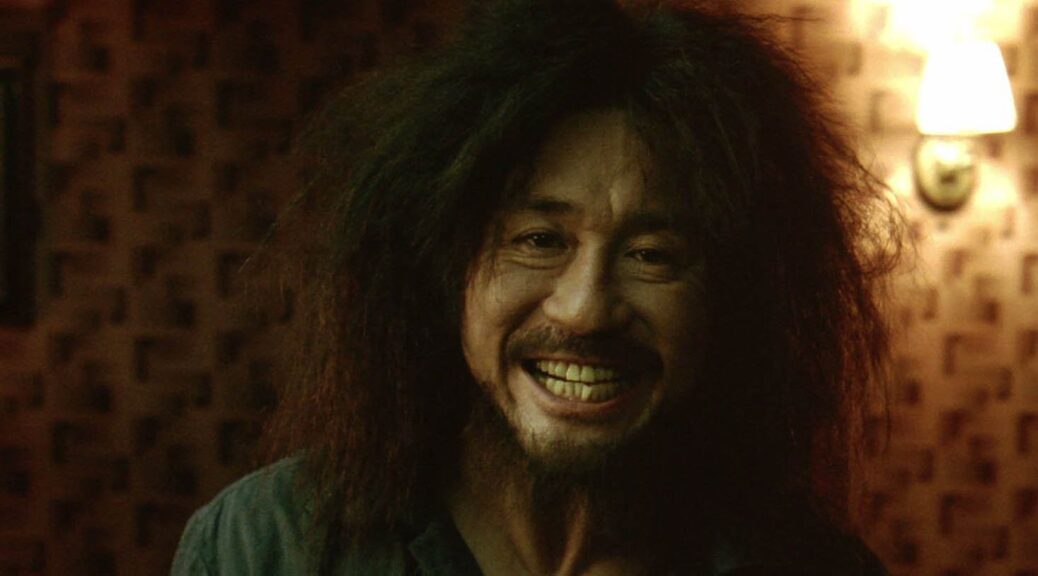
A guy passes out after a hard night of drinking. It’s his daughter’s birthday, and that helps us see that this guy is a dick. He wakes up a prisoner in a weird, apartment-like cell. Here he stays for years and years.

The guy is Dae-su Oh (Min-sik Choi). The film is Oldboy, director Chan-wook Park’s masterpiece of subversive brutality and serious wrongdoing.

Choi is unforgettable as the film’s anti-hero, and his disheveled explosion of emotion is perfectly balanced by the elegantly evil Ji-tae Yu.

Choi takes you with him through a brutal, original, startling and difficult to watch mystery. You will want to look away, but don’t do it! What you witness will no doubt shake and disturb you, but missing it would be the bigger mistake.

1. The Vanishing (Spoorloos) (1988)

Back in ’88, filmmaker George Sluizer and novelist Tim Krabbe adapted his novel about curiosity killing a cat. The result is a spare, grim mystery that works the nerves.

An unnervingly convincing Bernard-Pierre Donnadieu takes us through the steps, the embarrassing trial and error, of executing his plan. His Raymond is a simple person, really, and one fully aware of who he is: a psychopath and a claustrophobe.

Three years ago, Raymond abducted Saskia (Johanna ter Steege), and her boyfriend Rex (Gene Bervoets) has gone a bit mad with the mystery of what happened to her. So mad, in fact, that when Raymond offers to clue him in as long as he’s willing to suffer the same fate, Rex bites. Do not make the mistake of watching Sluizer’s neutered 1993 American remake.

Stop Filming Me!

The Running Man

by George Wolf

The mantra of this year’s The Running Man?

“When the stakes goes up, the shit goes down!”

And since 1987, which way have the original film’s stakes of weaponized disinformation, competitive cruelty and strategic class warfare been trending?

So enter director/co-writer Edgar Wright and star Glen Powell to get down to some dirty business in a pretty familiar dystopian future.

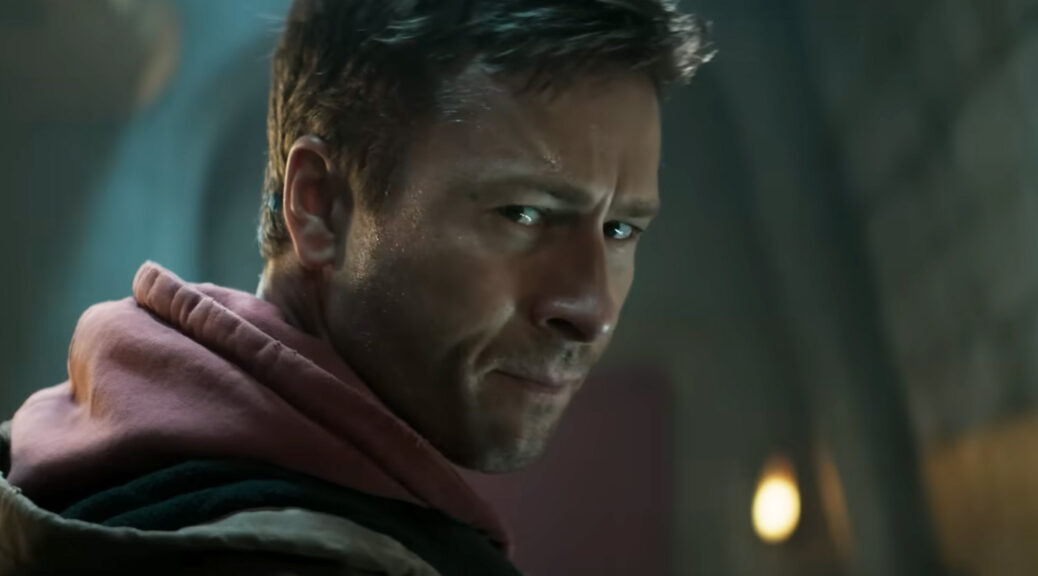
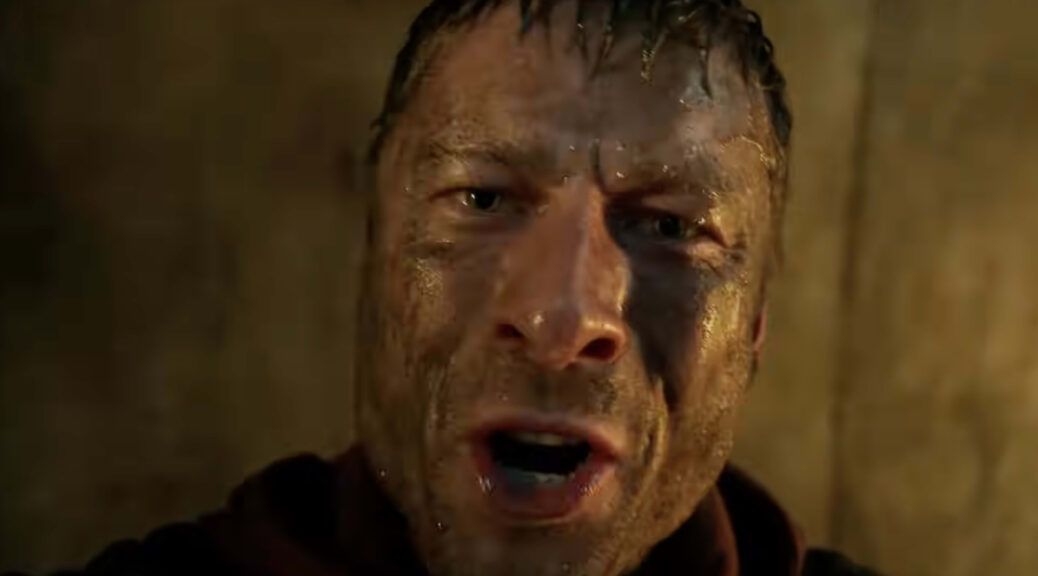
Powell is our new Ben Richards, who winds up on the The Running Man game show trying to win enough “new dollars” to pay for the care of his sick daughter and maybe even spring her and his wife Sheila (Jayme Lawson) out of the Co-Op City slums.

Producer Killian (Josh Brolin) likes the feisty cut of Ben’s jib, and is only too happy to start manipulating the game so Richards can become an engaging “final dude” for the cheering, bloodlusty hoards.

And this time, those common folk are joining the star “hunters” while the runners rely on underground friends and old, untraceable tech in trying to stay alive for 30 days.

In the Stephen King library, this material has always seemed like a more overt, in-your-face take on the themes he explored in The Long Walk. And while Wright avoids the high cheese factor of Arnold’s Running Man film, he keeps the lighter, glitzy tone that seems right for a game show aesthetic. Wright leans less on the trademark swipe cuts and wink-wink edits this time, but provides plenty of color splashes and engaging action set pieces to keep those eyeballs entertained.

Powell brings more than enough rogue-ish charm to make Ben a winning hero/anti-hero, Brolin is a perfect show biz menace and Colman Domingo is gloriously over-the-top as show host Bobby T. Both Michael Cera and CODA‘s Emilia Jones drive thru for some fun cameos, and the entire ensemble has no trouble keeping Wright’s vibe cooking.

Don’t expect subtlety. The moral lessons are clearly stated and the last act pulls in some explanatory (but nicely organic) speechifying before the crowd-pleasing finale. But hey, it’s telling us that those things we were worrying about almost 40 years ago have only gotten worse.

We already knew that. Might as well have some fun running with that fact for two hours.

Rising Son

The Carpenter’s Son

by George Wolf

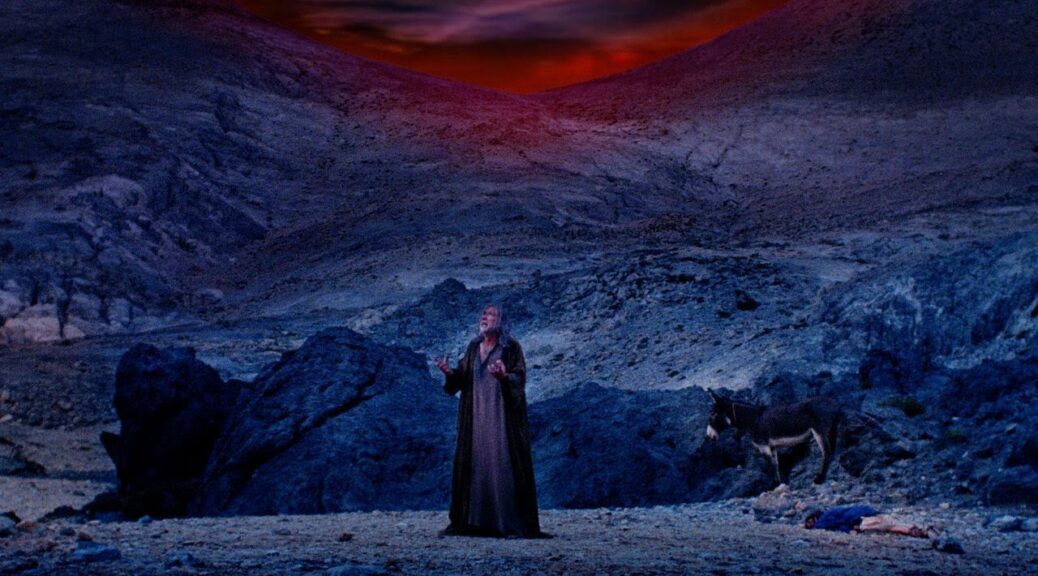
There are plenty of great reasons to want Nicolas Cage in your movie. Downplaying it alongside a young Jesus probably isn’t one of them.

But writer/director Lotfy Nathan seems undaunted, and he guides The Carpenter’s Son around Cage’s often distracting presence for a Biblical tale rooted in a more historical approach.

Nathan has based his script on “the Infancy Gospel of Thomas,” one of the apocryphal writings by early Christians that describe events missing in the New Testament. Cage is The Carpenter, who smuggles The Mother (FKA Twigs, saddled with an underdeveloped role) and their infant son out of the city before King Herod’s officers can sentence The Boy to death.

The family lays low for years, but by the time The Boy is a teenager (Noah Jupe), whispers are starting to spread about his mysterious powers. How Nic Cage lays low is another mysterious question, with his neatly trimmed beard and distinctly American accent adding to the feeling that he may have wandered in from another set.

And early on, the film seems headed for a disastrous collision of awkward tone and misguided ambition. But slowly, as Nathan focuses more on The Boy’s growing friendship with The Stranger (Isla Johnston), a compelling narrative begins to emerge.

Jupe (Suburbicon, Honey Boy, A Quiet Place, Ford v Ferrari) continues to impress as a now young adult, and Johnston delivers a standout supporting turn of intrigue. With their relationship at the center, the film becomes a unique coming-of-age story that offers both a relatable humanity and a possibility of Divine Providence.

Another part of the curiosity around this film is just what audience Nathan is going after. The faith-based crowd will find moments of blasphemy while the non-believers will scoff at the silliness. Folk horror fans will question how it earned that label, and plenty more will be waiting for a Cage rage that never materializes.

While it’s not the trainwreck you’re afraid it’s going to be, The Carpenter’s Son can’t build anything that’s truly satisfying. The blueprint may be provocative, but the support system remains plenty wobbly.