The marketing for Barber tells us that “everybody has a secret.”
True enough. And there are indeed secrets being kept in this Irish mystery, but none quite as momentous as the film would like us to believe.
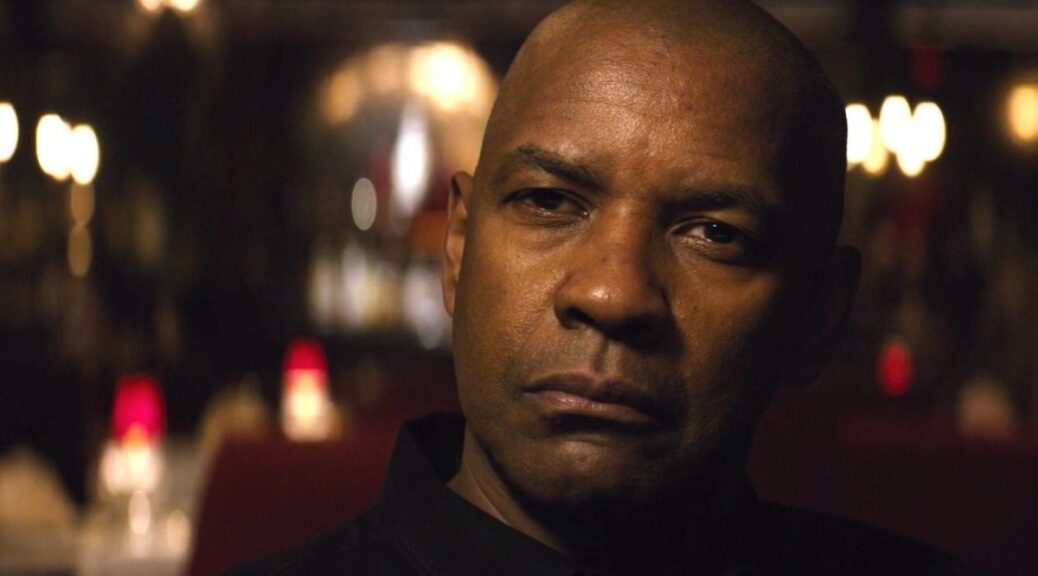
Veteran actor Aidan Gillen stars as Valentine (Val) Barber, a former Dublin “guard” (cop) who got tossed from the force and now, in the recent past of masks and sanitizer, works as a private investigator. Barber’s P.I. beat usually involves insurance fraud or cheating spouses, but he can’t refuse the sudden offer that comes from a worried grandmother with deep pockets.
Her 20 year-old granddaughter Sara is missing, and though other family members aren’t too concerned, Grandma suspects kidnapping.
So Barber is on the case, and while he’s learning more about Sara, director and co-writer Finton Connolly makes sure we learn plenty more about Barber.
This character study arc is really where the film is most effective. Barber has a complicated relationship with his ex-wife, his teenage daughter and his former colleagues, and the reliable Gillen (Game of Thrones, Bohemian Rhapsody, Queer as Folk, the Maze Runner franchise) makes the mussy-haired mick a sympathetic lug.
And with this solid ensemble and gritty detective aesthetic, wanting more from Barber seems to be the point here. But while the film covers some important issues (#metoo, homophobia, powerful men abusing power), the stakes all play out as a bit dated and less than thrilling. Tack on an awkward third act twist, and the future cases that Barber clearly teases might be more fitting for episodic TV.
If we’re going to congratulate Rian Johnson for reviving the murder mystery, save a backslap for Kenneth Branagh. His Murder on the Orient Express came two years before 2019’s Knives Out, and though Branagh may be adapting decades-old Agatha Christie classics, he’s proven adept at giving them a stylish and star-studded new sheen.
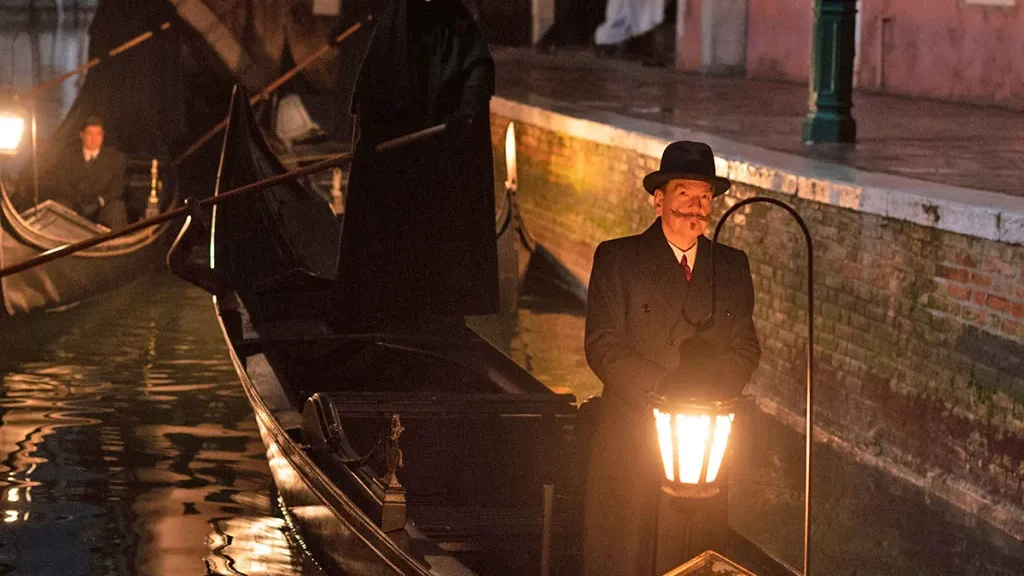
Branagh also stars again as Hercule Poirot, the legendary Belgian detective who showed a friskier side (probably thanks to Johnson’s sublime Benoit Blanc character) in last year’s Death on the Nile. Now for the third in their mystery series, Branagh and screenwriter Michael Green embrace the season with a gorgeous and frequently engaging update of Christie’s 1969 novel “Halloween Party.”
It is 1947, when the now-retired and war weary Poirot meets up with his old friend Ariadne Oliver (Tina Fey) in Venice. Oliver is a famous writer who considers herself quite the smarty, but she needs Poirot’s help to debunk the work of Mrs. Reynolds (Michelle Yeoh), a medium whose talks with the dead are pretty damn convincing.
The setting is a Gothic manor with a disturbing past, where Poirot agrees to attend a seance on Halloween night. There, after a children’s party, Mrs. Reynolds will attempt to give Rowena Drake (Kelly Reilly) the answers she seeks about the murder of her daughter, Alicia (Rowan Robinson).
But another murder soon steals the show, with even Poirot himself questioning his own eyes as things in the night go plenty bumpy.
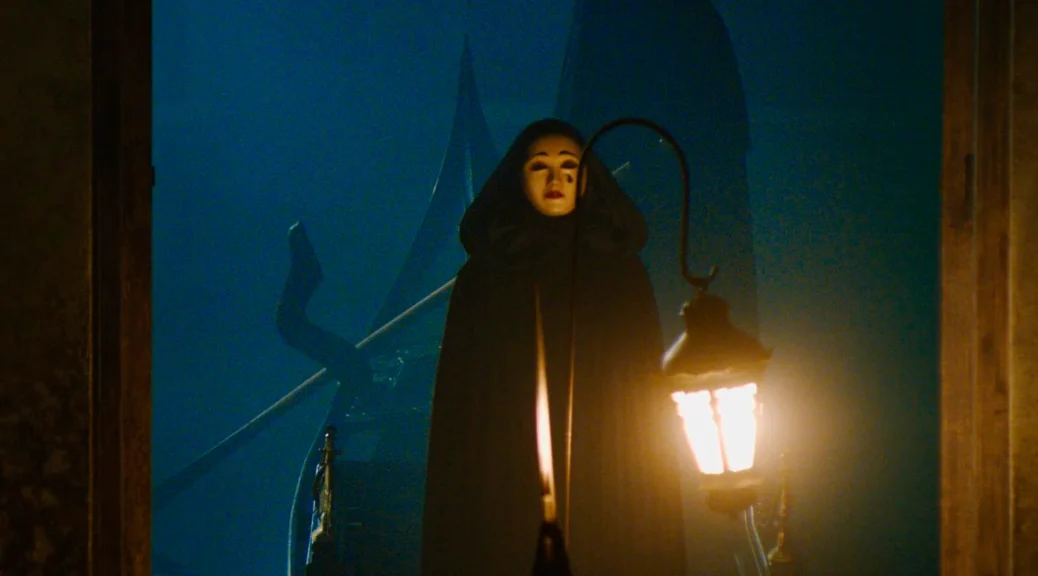
Branagh again teams with cinematographer Haris Zambarloukos (Belfast, Death on the Nile), enveloping the film in a haunted house vibe that is wonderfully foreboding. The camera explores the confines of the manor via angles that are often extreme and disorienting, while lingering on cloaks, masks and other various other articles of creep.
Poirot is a changed man since last we met. He’s seen too much evil, and believes in “no God, no ghosts,” as a cloud of trauma and grief that fits the film’s mood hangs over him. Branagh and his stellar ensemble (including Jamie Dornan, Camille Cottin and Belfast‘s Jude Hill) work their character edges well, making sure no one is ever quite above suspicion.
And those suspicions are easier to play with when the source material isn’t as well known. But while revamping a deeper cut is welcome, the chance for creepy surprise does come at a price.
The core mystery just isn’t as compelling. Branagh and Green make alterations that prolong the chill factor, but result in moments that seem more like a Christie disguise than the face of the master herself.
A Haunting in Venice‘s lingering impression is as a slice of well-dressed fun. It’s a Spooky Season movie for those who don’t like things too scary, and an Agatha Christie tale for those who’d rather not think so hard.
“Science can only advance when you do things that other people say can’t be done.”
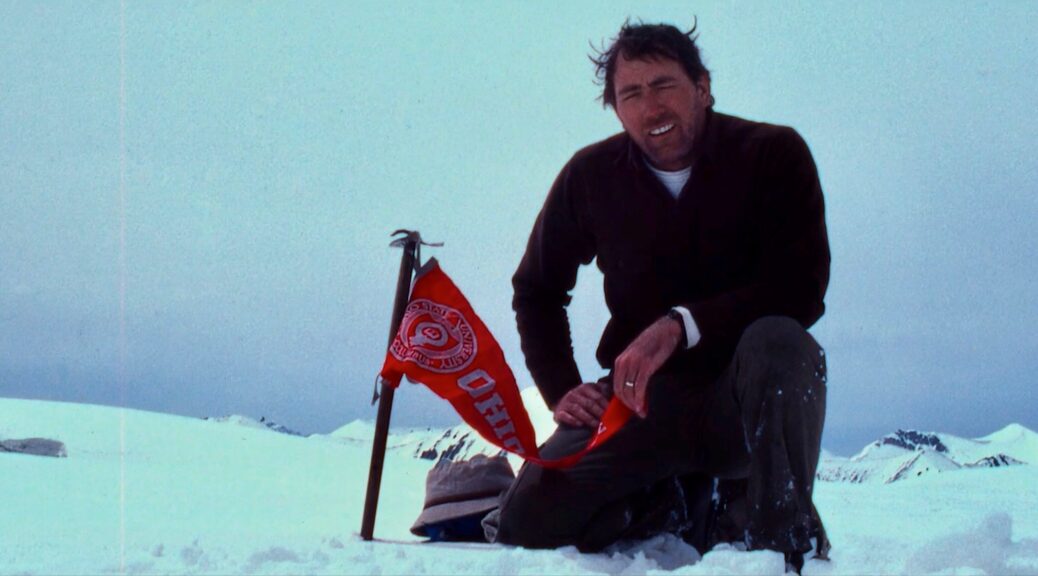
So says climate scientist Lonnie Thompson, PhD, and he should know. He’s been walking the walk for decades, and Canary finds him finally ready to start talking the talk.
And yes, the title does refer to the “canary in a coal mine” metaphor, but directors Danny O’Malley and Alex Rivest wisely spend half of the film’s running time on an extended introduction to a man who’s been described as “the closest living thing to Indiana Jones.”
Growing up poor in West Virginia mining county, Lonnie took his scientific mind to Ohio State University to explore coal geology. But a research job studying glaciers changed the course of his life, and ultimately, the very nature of climate research.
Since 1989, Lonnie and his wife Ellen Mosely-Thompson, PhD, have run OSU’s Byrd Polar and Climate Research Center, spearheading groundbreaking work that earned Lonnie a National Medal of Science.
Lonnie’s background and achievements are extraordinary, as O’Malley and Rivest show us a man that none but the most rabid ideologue could ever accuse of grandstanding. His only agenda is scientific fact. But after decades of climbing mountains, drilling into previously unexplored ice caps and collecting indispensable data on the effects of climate change, Lonnie had to face some colder, harder facts.
“What do you not see? Why the disbelief?”
Though he long believed his work would speak for itself, and that the different sides of the political spectrum could “debate solutions, but accept the facts,” Lonnie saw things begin to change in the early 2000s. Canary connects some dots of the misinformation campaign that turned the tide, with evidence of some high-profile politicians quickly shifting their stances.
Lonnie came to accept how hard people will fight back against a forced change in lifestyle, and we see that play out with irony in his own home. Lonnie himself ignored the science of his doctor’s advice and kept climbing until it nearly killed him.
And now, as he sees global CO2 levels still rising, Lonnie realizes his time may best be spent not by collecting another ice core, but by spreading the word of what a lifetime of “doing his research” has revealed.
The film is an awe-inspiring and important step on that journey. Lonnie still believes that if humans can cause a problem, then humans can also solve that problem. And Canary‘s biggest success comes from giving you no reason to doubt the man, even if you want to.
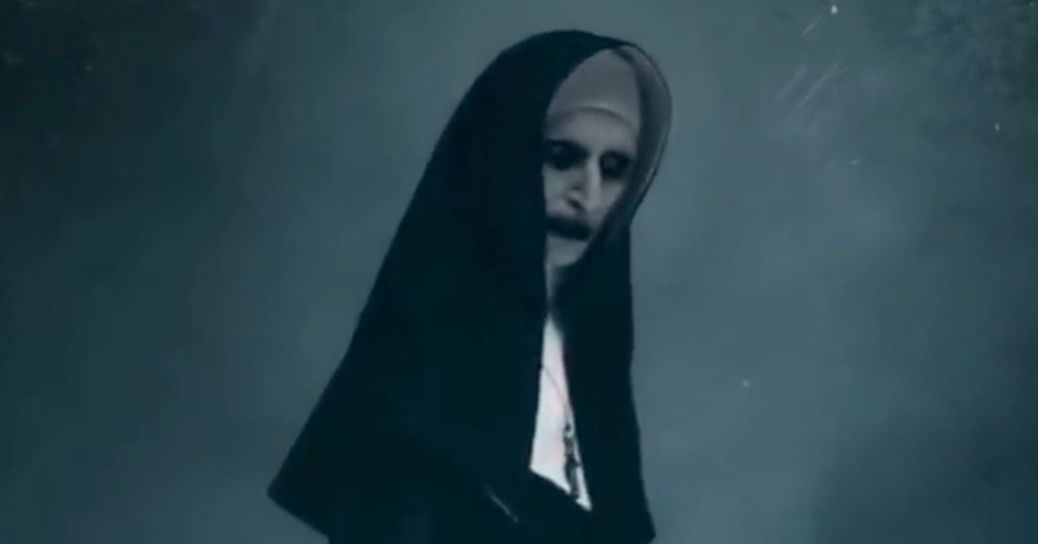
Pregnancy changes you. Your body betrays you, your personality takes of fin wild directions, and it can feel like there’s a little monster growing inside you. And maybe there is!
Quick shout out to the trashy options that we never seem to be able to fit in: Baby Blood and Inseminoid.
5. Antibirth (2016)
This one is nuts. Chaos reigns some blighted wasteland where Lou (Natasha Lyonne) squats in an abandoned trailer, picks up shifts as necessary cleaning a motel, and abuses her body so relentlessly that it becomes the perfect breeding ground for…something.
There’s a lot going on in this movie, most of it unrelated to the plot but aesthetically in line. Writer/director Danny Perez basically creates a fairly realistic town just this side of Street Trash.
Lyonne is unhinged, unperturbable genius in this piece of insanity.
4. Honeymoon (2014)
How well do you really know the person you marry? Leigh Janiak’s Honeymoon taps into that anxiety and blends it a bit with pregnancy horror to basically make everything about that new, conjoined life feel alien and weird and murdery.
Rose Leslie is particularly effective as a woman in transition. Her performance is simultaneously tender and sinister.
Janiak nails the smalltown horror, conjuring a kind of sci-fi Let’s Scare Jessica to Death.
3. Huesera: The Bone Woman (2022)
Michelle Garza Cervera’s maternal nightmare is bright and decisive, pulling in common genre tropes only long enough to grant entrance to the territory of a central metaphor before casting them aside for something sinister, honest and honestly terrifying.
While it toes certain familiar ground – the gaslighting of Rosemary’s Baby, for instance – what sets Huesera apart from other maternal horror is its deliberate untidiness. Cervera refuses to embrace the good mother/bad mother dichotomy and disregards the common cinematic journey of convincing a woman that all she really wants is to be a mom.
Huesera’s metaphor is brave and timely. Brave not only because of its LGBTQ themes but because of its motherhood themes. It’s a melancholy and necessary look at what you give up, what you kill.
2. Prevenge (2016)
Anybody with any sense at all is afraid of pregnant women. With unassuming mastery, Alice Lowe pushes that concept to its breaking point with her wickedly funny directorial debut, Prevenge.
Lowe plays Ruth. Grieving, single and pregnant, Ruth believes her unborn daughter rather insists that she kill a bunch of people.
Why such bloodlust from Ruth’s baby? Lowe, who also wrote the script, divulges just as much as you need to know when the opportunity arises. At first, there’s just the macabre fun of watching the seemingly ordinary mum pick off an unsuspecting exotic pet salesman.
1. Swallow
Putting a relevant twist on the classic “horrific mother” trope, writer/director Carlo Mirabella-Davis uses the rare eating disorder pica to anchor his exploration of gender dynamics and, in particular, control.
Where Mirabella-Davis’s talent for building tension and framing scenes drive the narrative, it’s Bennett’s performance that elevates the film. Serving as executive producer as well as star, Haley Bennett transforms over the course of the film.
When things finally burst, director and star shake off the traditional storytelling, the Yellow Wallpaper or Awakening or even Safe. The filmmaker’s vision and imagery come full circle with a bold conclusion worthy of Bennett’s performance.
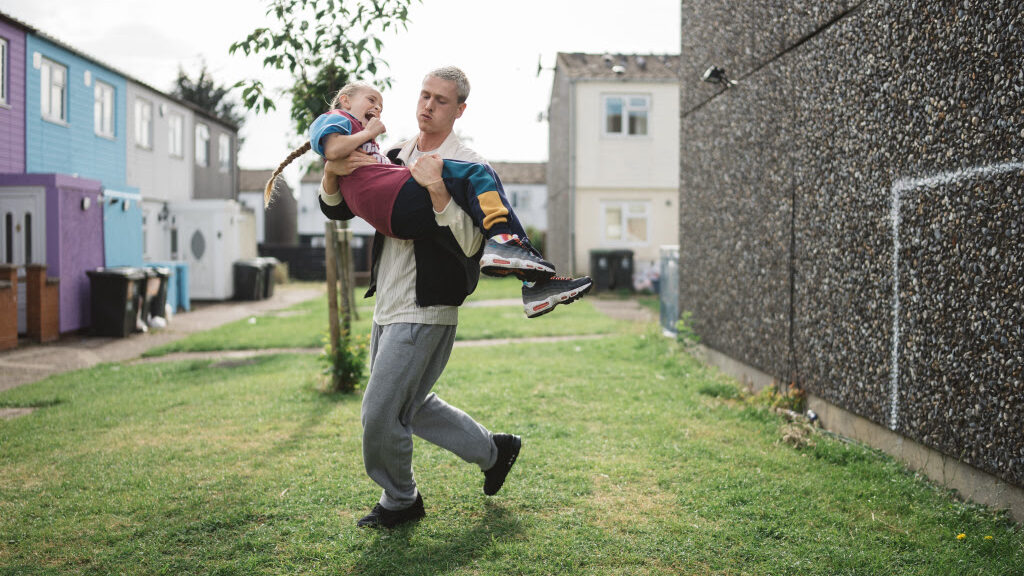
12 year-old Georgie (the amazing Lola Campbell) doesn’t believe it takes a village. Even after the death of her mother, Georgie’s doing fine, thanks.
She dutifully crosses the stages of grief off her notepad, and steals bicycles with her friend Ali (Alin Uzun) for the money to support herself. When social services calls to speak with Georgie’s uncle “Winston Churchill,” she plays back a series of canned messages recorded by her friendly grocery store clerk.
Yeah, Georgie’s got a nice little racket going, until Jason (Harris Dickinson) shows up with some reality. Both are unwelcome.
Jason is Georgie’s long lost dad, and he isn’t moved by how many “Get Lost!” signs she hangs up around the London flat.
After years of short films, TV episodes and music videos, writer/director Charlotte Regan delivers a feature debut full of warm magic and youthful zest. Though the question of father/daughter bonding is rarely in doubt, the brisk family journey (84 minutes) is consistently engaging and frequently hilarious.
And what a find Regan has in Campbell. In a debut performance on par with Brooklyn Prince’s breakout turn in The Florida Project, little Lola sports sharp comic timing without a hint of pretension, trading droll deadpans with the excellent Dickinson (Triangle of Sadness, Where the Crawdads Sing, Beach Rats) in a display of mischievous chemistry that earns effortless smiles and solid laughs – especially when the two are giving imaginary dialog to a couple of strangers they see on the street.
“We can hear you, mate!”
Regan takes a core story of heartbreaking grief and tucks it inside the type of escapist wonder a child might turn to for comfort, With some Wes Andeson-esque blocking and reaction cutaways a la Edgar Wight, Regan brings Georgie’s imagination to vivid, amusing life as she questions the worth of a father she has never known.
The script is smart, wry and witty. And while the film may be full of deadpan humor, it also delivers some gentle insight with an emotional pull that may surprise you. Much like little Georgie, Scrapper is a bit of a hustler.
But let them both work you over. It won’t hurt a bit.
As a thriller, The Good Mother is an odd bird. But then, I can’t really say for sure it wants to be a thriller. Maybe it’s a character study, or a cautionary tale. There’s nothing here to seal any of those deals, which means the possibilities for engagement are always just out of reach.
The cast is solid, led by two-time Oscar winner Hilary Swank as Marissa, a top reporter for a newspaper in Albany, NY circa 2016. Her paper is struggling with the digital revolution and could use her writing skills, but Marissa can’t be bothered. She’s been in a spiral since her husband Frank’s death and her son Michael became a junkie, and now Marissa only wants to drink, smoke, and mindlessly edit other people’s work.
Things only get worse when her older son Toby (Jack Reynor), an Albany cop, gives her the news that Michael has been shot and killed. And though Marissa blames Michael’s pregnant wife Paige (Olivia Cooke) for introducing him to drugs, the two join forces in hopes of tracking down Michael’s killer.
Swank (also an executive producer) is on cruise control with a righteous determination arc, but director/co-writer Miles Joris-Peyrafitte never lets her truly dig in to Marissa’s edges. Instead, she moves through a succession of steely eyes and furrowed brows as an unlikely duo has even more unlikely success uncovering secrets of the drug trade.
There are good intentions here, mainly aimed at how the opioid epidemic can devastate lives. But the story beats are often overwrought amid an aesthetic of heavy-handed grit, while Joris-Peyrafitte mutes any dramatic tension with flashbacks and quick cutaways. And when he does introduce a promising new direction (like a scene-stealing Karin Aldridge as another grief-stricken mother), it is too soon abandoned for the comfort of well-traveled paths.
Take away this cast, and there’s just enough here for a made-for-cable time waster. But some big league talent got The Good Mother bumped up to the big screen, and earning its place there is a mystery the film just can’t figure out.
You’ve probably already guessed that Juliette Binoche is excellent in Between Two Worlds (Ouistreham). Her turn as Marianne is effortlessly human and engaging while she keeps the cliched trappings of a “brave” performance at bay.
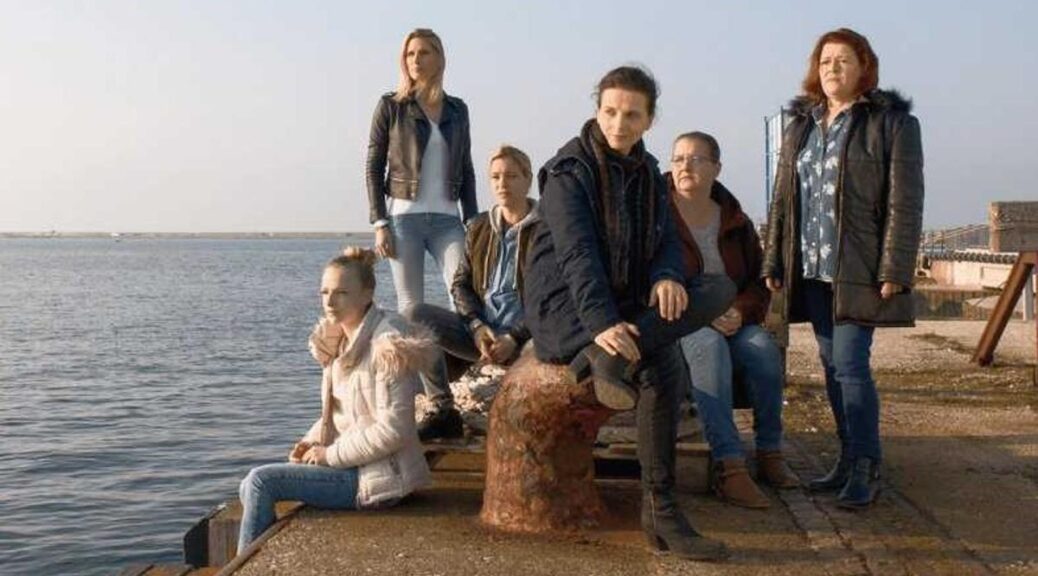
The Oscar-winner doesn’t bother with her hair and makeup! And, she’s often seen scrubbing toilets as part of a “commando” cleaning crew. Earning only minimum wage, Marianne and her co-workers have only 90 minutes to clean rooms on the cruise ships that dock in the port city of Caen, France.
Marianne is the newbie on this crew, as her life of leisure ended when her husband left her for a younger woman, forcing her to return to the workforce after more than two decades. Marianne becomes a trusted member of the work family, forming an especially tight bond with the gritty Chrystèle (Hélène Lambert, excellent) a single mother with unwavering drive to provide for her kids, whatever it takes.
Chrystèle doesn’t have time for indulgences like the side trip to the beach that her new friend insists upon, which should have been the first clue that Marianne is not what she’s pretending to be.
She – just like French journalist Florence Aubenas, author of the source work – is an accomplished author, posing as a working stiff to conduct first-hand research for a book on the rising uncertainty of the French economy. That book became a best-seller, and director/co-writer Emmanuel Carrère brings it to the screen with a strange mix of empathy and tone deafness.
Carrère and his authentic ensemble make sure we feel the desperation of the workers, and share in their happiness when one of their own lands a better opportunity and leaves the nest. And though we also share in the hurt when Marianne is found out, the film itself never holds her truly accountable.
Sure, she’s sad, but mainly because her friend Chrystèle won’t forgive the abuse of trust. Credit Binoche for giving Marianne enough layers to make the question of “ends justifying the means” even plausible, but how the film works for you may ride on your own experience with both of the lifestyles.
Are the “invisible people” fair game as long as you feel bad about it? Even if Aubenas still thinks so, Between Two Worlds could have put a little more trust in the audience rank and file.