It’s the most wonderful time of the year! The time when we celebrate the bad horror lurking in Oscar nominees’ closets. Because we have a lot of return nominees, we have some overlap with earlier years. But there is also fresh blood…
5. Amy Madigan, Antlers (2021)
Scott Cooper reimagines the Wendigo legend to lead us through a dour metaphor full of familiar genre tropes and leave us with a brutal, great-looking, well-acted lecture.
Antlers is not a terrible film. But it has at least one incredibly stupid scene, and that scene stars the otherwise incredible Amy Madigan. She plays a school principal who stops at a student’s home to check on him and then–in a film that otherwise mainly avoids those “what a stupid decision” horror cliches—makes every stupid decision an educated professional could make. There is nothing believable about one step of it, however hard the talented veteran tries. It it so dumb that our friends Tyrone and Vernell abandoned the good characters and joined “Team Creature.”
4. Renate Reinsve: Dark Woods II/Villmark Asylum (2015)
Pål Øie followed up his surprise hit Villmark – a cabin in the woods horror – with this odd sequel set in the high hills above those woods, where an old hospital used after WWII is being prepared for destruction.
Øie lifts most of his story from Brad Anderson’s far superior Session 9, mixing in some Nazi style experimentation and creatures. It’s not a terrible movie, and characteristically, Renate Reinsve, gives a strong performance. There are some real scares, too, and the cast on the whole is solid. The mythology makes little to no sense, the leaps in logic are impressive, and in the end, it’s not memorable outside the early career work of one of the most talented actors working today.
3. Stellan Skarsgård: Deep Blue Sea (1999)
Skarsgård’s made his fair share of horror. We considered both of his Exorcist movies for this list, but since they’re basically the same movie, which too choose?
Deep Blue Sea is a fun B-movie creature feature. It’s mindless, violent, action packed, and Skarsgård gets one of the most ludicrous deaths in horror.
2. Benicio del Toro: The Wolfman (2010)
We had such hopes for this one when it came out. That cast! Benicio Del Toro, Anthony Hopkins, Hugo Weaving, Emily Blunt!
Good God, was it awful. If you can look past the idea that Hopkins and Del Toro could be father and son, look past the insipid plot, look past Hopkins’s hamminess or del Toro’s disinterest, you cannot look past the heinous FX. But Blunt handles herself really, really well.
1. Leonardo DiCaprio: Critters 3 (1991)
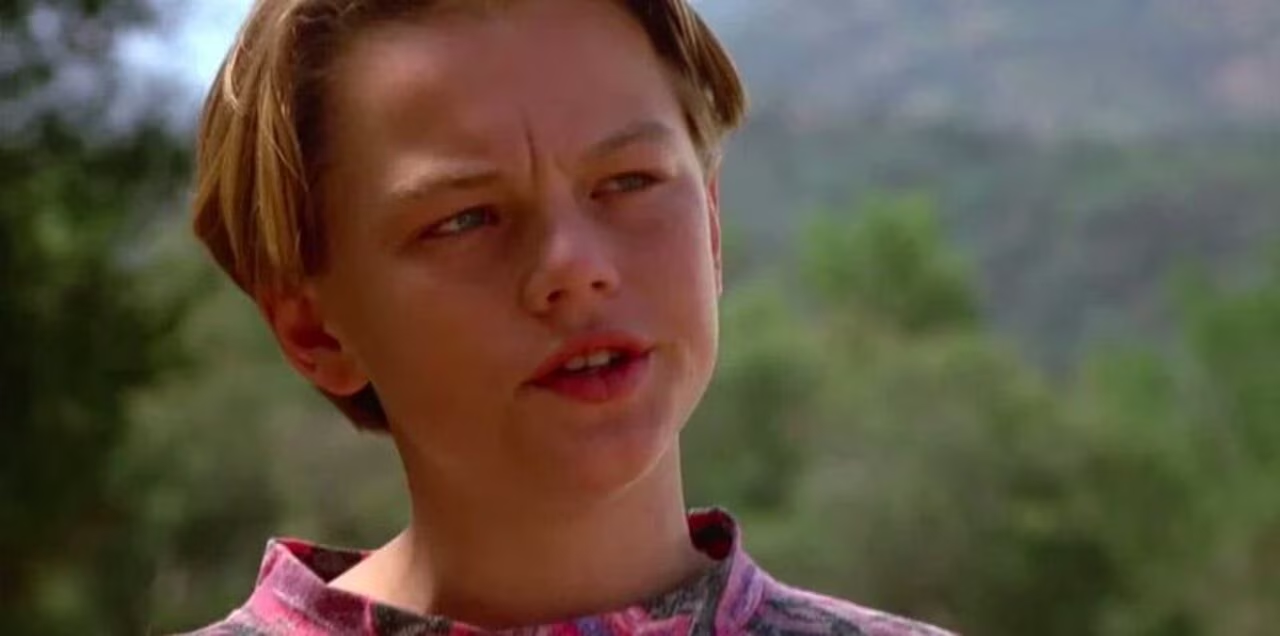
Long before Django Unchained, Titanic, or even What’s Eating Gilbert Grape, a barely pubescent Leo DiCaprio donned a day-glow t-shirt and a pre-teen scowl to battle Gremlin rip-offs in Critters 3.
They are furry, toothy, ravenous beasts from outer space and, until episode 3, they were content to terrify rural folk. But now they’re in the big city, and (in a clear rip off of the not-quite-as-terrible film Troll), they are pillaging a single apartment building and terrifying all those trapped inside. It’s a comedy, really, the kind with farting furballs and dunderheaded people. Which is to say, one that’s not particularly funny.
Serving up the same derivative comedy/horror pap you can find in one out of every three films made that decade, Critters 3 has a lot of hair in scrunchies, oversized blouses belted over colorful leggings, stereotypes, and actors on their careers’ last legs. And Leonardo DiCaprio, which will forever be the only reason this movie was released to DVD.
We’re looking at heartbreak in horror for Valentine’s Day! Not unrequited love turned to stalkerism, because that’s been done to death and it’s not romantic. But the heartbreak and longing of love and loneliness. And blood.
5. The Fly (1986)
It was not just David Cronenberg’s disturbed genius for images and ideas that madeThe Fly fly. It was the performance he drew from Jeff Goldblum.
Goldblum is an absolute gift to this film, so endearing in his pre-Brundlefly nerdiness. He’s the picture’s heartbeat, and it’s more than the fact that we like his character so much. The actor also performs heroically under all those prosthetics.
He and Geena Davis make the perfect pair, with their matching height and mullets, and their onscreen chemistry does give the film a level of human drama traditionally lacking from the Cronenberg canon. You root for Seth, and your heart breaks for him too.
4. Candyman (1992)
Has it really been Helen all along? Was she once, long ago, Daniel Robitaille’s forbidden lover? The reason for his suffering and murder?
Tony Todd makes Candyman a seductive, heartbroken phantasm with no choice but to shed blood to continue to exist. When he whispers to Helen, “Be my victim,” how could she say no?
3. Bram Stoker’s Dracula (1992)
Francis Ford Coppola and screenwriter James V. Hart mined Stoker’s text for as much romance and heartbreak as they could find, and if it wasn’t there, they made it up. The Count pines for his tragically lost love, crossing oceans of time for her. That, of course, leaves poor Jonathan heartbroken. But wait, there’s more! Because Lucy chooses Arthur, leaving Quincy and Dr. Jack both heartbroken, and then breaks Arthur’s heart with her own tragic death.
Coppola’s is the hottest, most gorgeous and heartbroken version of the ancient bloodsucker’s story you’re likely to find.
2. Guillermo del Toro’s Frankenstein
Guillermo del Toro is a big ol’ softy. In many ways, that’s what makes Frankenstein a perfect property for him. His heart has always been with the monster, so why not tell the most heartbreaking and terrifying monster story?
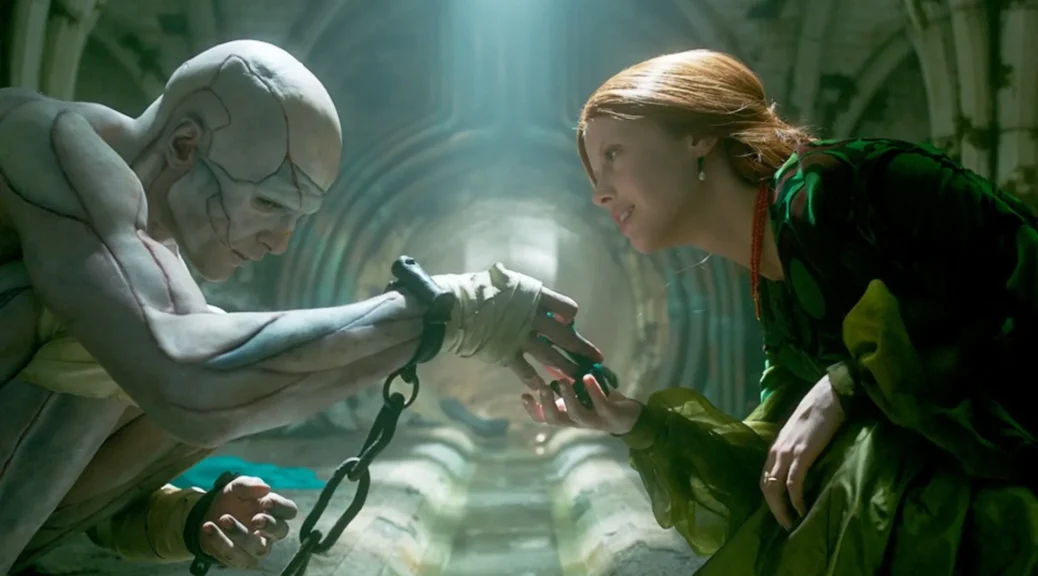
Oscar Isaac is a marvel of angry arrogance made humble. As his creature, the long and limby Jacob Elordi offers a monster who’s more sensitive son than wounded manchild. The creature’s heartbreaking relationship with the eternally misunderstood Elizabeth (Mia Goth) is so full of tenderness and longing that the inevitable heartbreak crushes.
You don’t wander into a Guillermo del Toro film expecting less anything than glorious excess—another reason why Frankenstein and he were meant for one another.
1. May (2002)
Oh, May. Oh, Angela Bettis. No one – not even Sissy Spacek – captured the crushing awkwardness of trying to fit in when you are, deep down, cripplingly odd as well as Bettis.
Her May aches for a friend. Maybe even a lover? She has some heartbreaking trouble finding that in Adam (Jeremy Sisto) and Polly (Anna Faris – brilliant). But if you can’t find a friend, you might just have to make one.
Bettis’s performance is all awkward pauses, embarrassing gestures and longing. It’s beautiful, tender, sweet and – eventually – forgivably bloody. We love May.
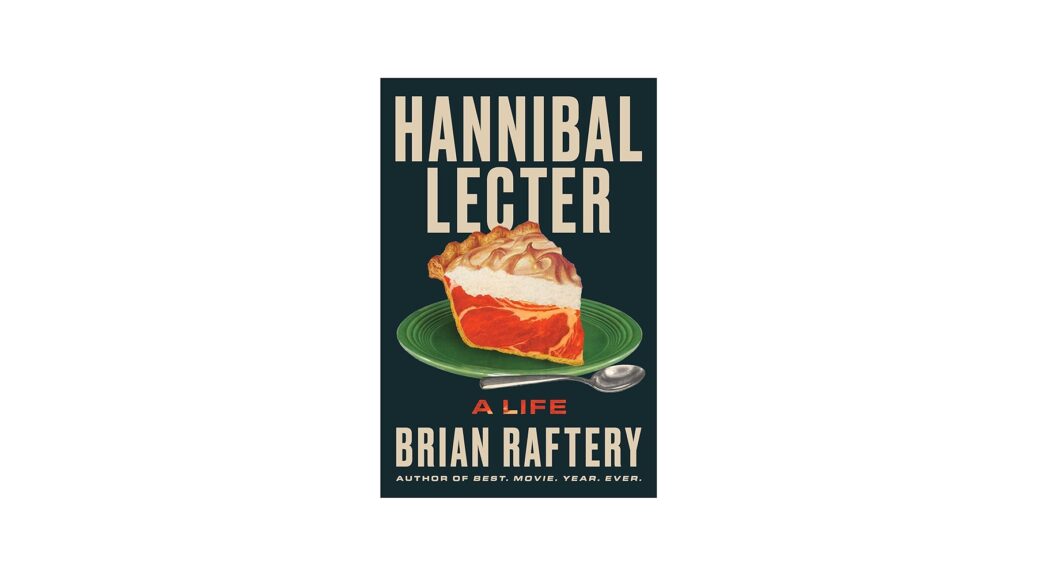
Bonus episode! Hope & George talk with author Brian Raftery, whose nonfiction book Hannibal Lecter: A Life is a fascinating must-read for all Silence of the Lambs fans.
The last decade has seen an explosion in Spanish language horror—so many incredible options that we went fuzzy math for this list and still had to leave off some incredible movies, including Amigo, Veronica, The Platform, Terrified, Luz: The Flower of Evil, La Llorona, Huesera: The Bone Woman, and The Untamed. So, make sure you check every one of those out, but first, you should peruse the films that did make our list.
Thanks as always to a great crowd at Gateway Film Center!
6. El Conde (2023, Chile)
On Netflix Pablo Larraín has a particular gift for poetic historical retellings grounded in a singular woman’s perspective: Spencer, Jackie. But his passion for the political history of his native Chile rings through most of his films, including Naruda and No. But did we see a vampire movie coming?
El Conde reimagines Augusto Pinochet as a vampire weary of his many years on earth and ready to leave his bickering family in squalor and finally die – until the church sends a vampire slayer after him. What follows is a near-slapstick political satire, sort of The Death of Stalin meets What We Do in the Shadows.
Every moment’s a delight, and a late-film reveal is a cynical and biting reward for a gloriously spent couple of hours.
5. Tigers Are Not Afraid (2019, Mexico)
On Shudder, Prime and AMC+
Lopez’s fable of children and war brandishes the same themes as Guillermo del Toro’s masterpiece Pan’s Labyrinth, but grounds the magic with a rugged street style.
Tigers follows Estrella, a child studying fairy tales—or, she was until her school is temporarily closed due to the stray bullets that make it unsafe for students. As Estrella and her classmates hide beneath desks to avoid gunfire, her teacher hands her three broken pieces of chalk and tells her these are her three wishes.
But wishes never turn out the way you want them to.
4. Piggy (2022, Spain)
On Hulu, HBO Max, Prime, AMC+
Mean girls are a fixture in cinema, from Mean Girls to Carrie, Heathers to Jawbreaker to Napoleon Dynamite and countless others. Why is that? It’s because we like to see mean girls taken down.
Writer/director Carlota Pereda wants to challenge that base instinct. But first, she is going to make you hate Maca (Claudia Salas), Roci (Camille Aguilar) and Claudia (Irene Ferreiro). In one tiny Spanish town, the three girls make Sara’s (Laura Galán, remarkable) life utterly miserable. Like worse than Carrie White’s.
The filmmaker complicates every trope, all the one-dimensional victim/hero/villain ideas this genre and others feast on. Redemption doesn’t come easily to anyone. Pereda also seamlessly blends themes and ideas from across the genre, upending expectations but never skimping on brutal, visceral horror.
3. The Coffee Table (2022, Spain)
On Shudder, Prime, Tubi, AMC+
A remarkably well written script fleshed out by a stunning ensemble becomes utter torture as you want so badly for some other outcome. Co-writer/director Caye Casas ties threads, builds anxiety, plunges the depths of “what’s the worst that could happen?” and leaves you shaken.
David Pareja and Estefania de los Santos craft indelible, believable, beautifully flawed characters so convincing that their experience becomes painful for you. Casas salts the wounds with dark comedy, but the tenderness and tragedy collaborate toward something far more crushingly human.
2. The Wolf House (2018, Chile)
On Prime, Tubi, Plex, Fawesome
Another Chilean horror, so you’re safe in assuming it has something to do with Pinochet. This breathtaking, incredibly creepy stop motion animated wonder tells of a true cult, Colonia Dignidad. One of its inhabitants escapes into the woods, has a near-miss catastrophe with a wolf, and hides in an abandoned house.
Directors/animators Cristobal León and Joaquín Cociña pull you into Maria’s dreamlike world, as her thoughts and reality blend before your eyes. Sets are painted, built, melted, and destroyed on the screen as Maria’s thoughts and the dangers she faces come and go. It’s an eerily beautiful and unforgettable fairy tale rooted in reality.
1. When Evil Lurks (2023, Argentina)
On Shudder, Hulu, Max, AMC+, Prime
Just when you thought no one could do anything fresh with a possession movie, Terrified filmmaker Demián Rugna surprises you. When Evil Lurks does sometimes feel familiar, its road trip to hell detouring through The Crazies, among others. But Rugna’s take on all the familiar elements feels new, in that you cannot and would not want to predict where he’s headed.
This is a magnificently written piece of horror, and Rugna’s expansive direction gives it an otherworldly yet dirty, earthy presence.
The inexplicable ugliness – this particularly foul presence of evil – is handled with enough distance, enough elegance to make the film almost beautiful, regardless of the truly awful nature of the footage. And Rugna never lets up. Each passing minute is more difficult than the last, to the very last, which is an absolute knife to the heart.
What an incredible year for horror! Two unquestionable Oscar contenders, great international fare, great reboots and sequels, amazing original material, great independent horror, great studio horror—remarkably spooky stuff!
The year held so much great stuff that we were forced to leave incredible films off our final top 10 list. Our apologies to Companion and Animale, Hood Witch and Dead Mail, Final Destination: Bloodlines and 40 Acres and a lot of other really quality films. But that’s just how strong the competition was this year!
10. The Toxic Avenger
On Prime
Though the story’s changed, much remains the same in writer/director Macon Blair’s reboot in all its goopy, corrosive, violent, hilarious glory.
Peter Dinklage is one of the most talented actors working today, and as Winston he is effortlessly heartbreaking and tender. He’s also really funny, and this is not necessarily the kind of humor every serious actor can pull off.
Blair’s vision for this film couldn’t be more spot-on. Joyous, silly, juvenile, insanely violent, hateful of the bully, in love with the underdog—Blair’s Toxic Avenger retains the best of Troma, rejects the worst, and crafts something delirious and wonderful.
9. Chain Reactions
On Prime
Not everyone believes Tobe Hooper’s The Texas Chain Saw Massacre is a masterpiece of American filmmaking. I find those people suspicious. Luckily, those are not the people filmmaker Alexandre O. Philippe (Memory: The Origins of Alien, 78/52) talks to for his latest documentary, Chain Reactions.
The film is a celebration of 50 years of TCM. The celebrants are five of the film’s biggest fans: Patton Oswalt, Takashi Miike, Alexandra Heller-Nicholas, Stephen King, and Karyn Kusama. It’s a good group. Each share intimate and individual reminiscences and theories about the film, its impact on them as artists, and its relevance as a piece of American cinema. What their ruminations have in common is just as fascinating as the ways in which their thoughts differ.
Each of these artists came to the film from a different perspective—some having seen it early enough in their youth to have been left scarred, others having taken it in as adults and still being left scarred. But each one sees layers and importance—poetry, even—in Hooper’s slice of savage cinema.
8. Invader
On Shudder & Prime
Lean, mean and affecting, Mickey Keating’s take on the home invasion film wastes no time. In a wordless—though not soundless—opening, the filmmaker introduces an unhinged presence.
Immediately Keating sets our eyes and ears against us. His soundtrack frequently blares death metal, a tactic that emphasizes a chaotic, menacing mood the film never shakes. Using primarily handheld cameras from the unnerving opening throughout the entire film, the filmmaker maintains an anarchic energy, a sense of the characters’ frenzy and the endless possibility of violence.
Joe Swanberg, with limited screentime and even more limited dialog, crafts a terrifying image of havoc. His presence is perversely menacing, an explosion of rage and horror. Invader delivers a spare, nasty, memorable piece of horror in just over an hour. It will stick with you a while longer.
7. Bring Her Back
On Prime, HBO, Hulu, and Disney+
Filmmakers Danny and Michael Philippou drew attention in 2022 for their wildly popular feature debut, Talk to Me. Before releasing the sequel, due out this August, the pair changes the game up with a different, but at least equally disturbing, look at grief.
It’s a slow burn, a movie that communicates dread brilliantly with its cinematography and pacing. But when Bring Her Back hits the gas, dude! Nastiness not for the squeamish! Especially if you have a thing about teeth, be warned. But the body horror always serves the narrative, deepening your sympathies even as it has you hiding your eyes.
Australia has a great habit of sending unsettling horror our way. The latest package from Down Under doesn’t disappoint.
6. The Monkey
On Prime, HBO, Hulu, and Disney+
Why is it that so many kids’ toys are creepy? Not that you should call The Monkey a toy. You should not, ever. Because this windup organ grinder monkey, with its red eyes and horrifyingly realistic teeth, is more of a furry, murder happy nightmare.
The film itself is a match made in horror heaven. Osgood Perkins (Longlegs, Gretel & Hansel, The Blackcoat’s Daughter) adapts and directs the short story by Stephen King about sibling rivalry and the unpredictability of death.
Perkins surrounds deliberately low energy leads with bizarre, colorful characters—even more colorful when they catch fire, explode, are disemboweled, etcetera. The film is laced with wonderful bursts of Final Destination-like bloodletting, as the Monkey’s executions are carried out via Rube Goldberg chain reactions that quickly become fun to anticipate.
Yes, fun. And funny.
5. Dust Bunny
In theaters
Imagine Guillermo del Toro meets Wes Anderson. Equal parts fanciful and gruesome, the film tells the tale of a precocious youth named Aurora (Sophie Sloan), who hires the neighbor in 5B (Mads Mikkelsen) to kill the monster that lives under her bed.
Sloan delivers Roald Dahl’s Matilda by way of Wednesday Addams, braids and all. Mikkelsen’s adorably gruff, and the great Sigourney Weaver is having a blast playing gleefully against type and shoplifting every second of screentime.
Writer/director Bryan Fuller wastes not a frame of his feature film debut. The saturated colors and intricate patterns and textures of the set design, the ballet of horror that is his shadow imagery, the boldly whimsical costuming—all of it conjuring an amplified fairy tale. It’s tough to believe this remarkably confident feature is his first foray behind the camera.
4. Weapons
On Prime, HBO, Hulu, and Disney+
Weapons delivers an elaborate mystery slowly revealing itself, ratcheting tension, and leading to a bloody satisfying climax. Unspooling as an epilogue followed by character-specific chapters, the film builds around a single event, developing dread as it delivers character studies of a town of hapless, fractured, flawed individuals in over their heads.
This is smartly crafted, beautifully acted horror. Those who worry Cregger’s left nasty genre work behind for something more elevated need not fear. Weapons is here to work your nerves, make you gasp, and shed some blood. It does it pretty well.
3. The Ugly Stepsister
On Prime, HBO, Hulu, Disney+, and Shudder
Writer/director Emilie Blichfeldt infuses her feature debut with an impossible-to-ignore blast of sharp wit, subdued rage, and grotesque bodily horrors.
The Ugly Stepsister(Den stygge stesøsteren) is the latest new angle to a classic tale, but don’t expect it follow the trend of humanizing misunderstood villains. Blichfeldt makes sure there are plenty of bad guys and girls throughout this Norwegian Cinderella story, punctuated by grisly violence surprisingly close to what’s in the 17th Century French version of the fairy tale penned by Charles Perrault.
It is fierce, funny, gross and subversively defiant. But is one feature film enough to immediately put Blichfeldt on the watch list of cinema’s feminist hell raisers?
Yes. The shoe fits.
2. Frankenstein
On Netflix
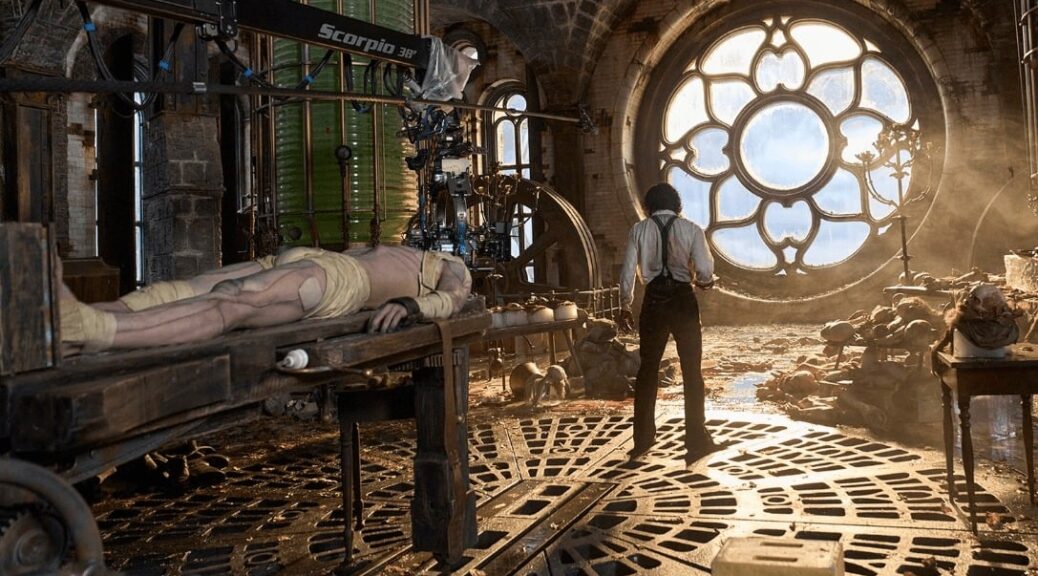
Lush and gorgeous, even when it is running with blood, the world del Toro creates for his gods and monsters is breathtaking. The choices are fresh and odd, allowing for a rich image of creator and creation, the natural versus the magnificent.
Oscar Isaac is a marvel of angry arrogance made humble. As his creature, the long and limby Jacob Elordi offers a monster who’s more sensitive son than wounded manchild.
Mia Goth delivers the same uncanny grace that sets so many of her characters apart, and del Toro’s script allows Elizabeth an arc unlike any previous adaptation. You don’t wander into a Guillermo del Toro film expecting less anything than glorious excess—another reason why Frankenstein and he were meant for one another.
1. Sinners
On Prime, HBO, Hulu, and Disney+
Ryan Coogler reteams with longtime creative partner Michael B. Jordan to sing a song of a 1932 Mississippi juke joint. The Smoke Stack twins (Jordan) are back from Chicago, a truckload of ill-gotten liquor and a satchel full of cash along with them. They intend to open a club “for us, by us” and can hardly believe their eyes when three hillbillies come calling.
Jack O’Connell (an amazing actor in everything he’s done since Eden Lake) has a brogue and a banjo. He and his two friends would love to come on in, sing, dance, and spend some money, if only Smoke would invite them.
It’s scary. It’s sexy. The action slaps. It’s funny when it needs to be, sad just as often. It looks and sounds incredible. And there’s a cameo from Buddy F. Guy, in case you needed a little authenticity. When Ryan Coogler writes and directs a vampire movie, he gives you reason to believe there is yet new life for the old monster.
Krampus is the anti-Santa, St. Nick’s mean sidekick of lore from the Alpine region of Europe. He accompanies Santa on his rounds, and while Santa hands out treats to good kids, Krampus beats them or bags them and hauls them off to hell. I swear! If you’ve tired of the regular old traumatized youth who grows up to don the red suit and murder townsfolk, then Krampus might deck your log this season. Here are some of our favorites.
5. Mother Krampus 2: Slay Ride (2018)
Who is Mother Krampus? Technically, she’s Frau Perchta, a real legend, also from the Alpine region of Europe, also likely to beat and maim idle or misbehaved youth around Christmastime. And while you’ll find about a dozen micro-budget Krampus slashers to choose from, only a couple give Frau her due. We recommend Mother Krampus 2: Slay Ride.
A few Clevelanders are serving out their community service on Christmas Eve. These include KateLynn E. Newberry as good-as-gold Victoria, and Roger Conners gloriously portraying Lady Athena Slay. Conners’s every moment on screen is a hoot.
The film boasts some effective blood fx, solid performances, and a villain you can get behind.
4. Saint (2010)
What is every child’s immediate reaction upon first meeting Santa? Terror. Now imagine a mash-up between Santa, Krampus, a pirate, and an old-school Catholic bishop. How scary is that?
Well, that’s basically what the Dutch have to live with, as their Sinterklaas, along with his helper Black Peter, sails in yearly to deliver toys and bag naughty children to kidnap to Spain. I’m not making this up. This truly is their Christmas fairy tale. So, really, how hard was it for writer/director Dick Maas to mine his native holiday traditions for a horror flick?
Allegorical of the generations-old abuse against children quieted by the Catholic Church, Saint manages to hit a few nerves without losing its focus on simple, gory storytelling.
3. Krampus (2015)
Hometown boy Michael Dougherty, whose 2007 directorial debut Trick ‘r Treat is a seasonal gem, returned to the land of holidays and horror with his second effort behind the camera, Krampus.
When family dysfunction pushes young Max (Emjay Anthony) too far, he tears up his letter to Santa, unwittingly inviting in his stead, the evil shadow-Santa, Krampus.
The ancient demon and his anti-merrymakers get a fantastic design, and the entire film looks great. Plus an ensemble stacked with A-listers (Toni Collette, Adam Scott, David Koechner, Conchata Ferrell) elevates a script that might feel lacking otherwise.
2. A Christmas Horror Story (2015)
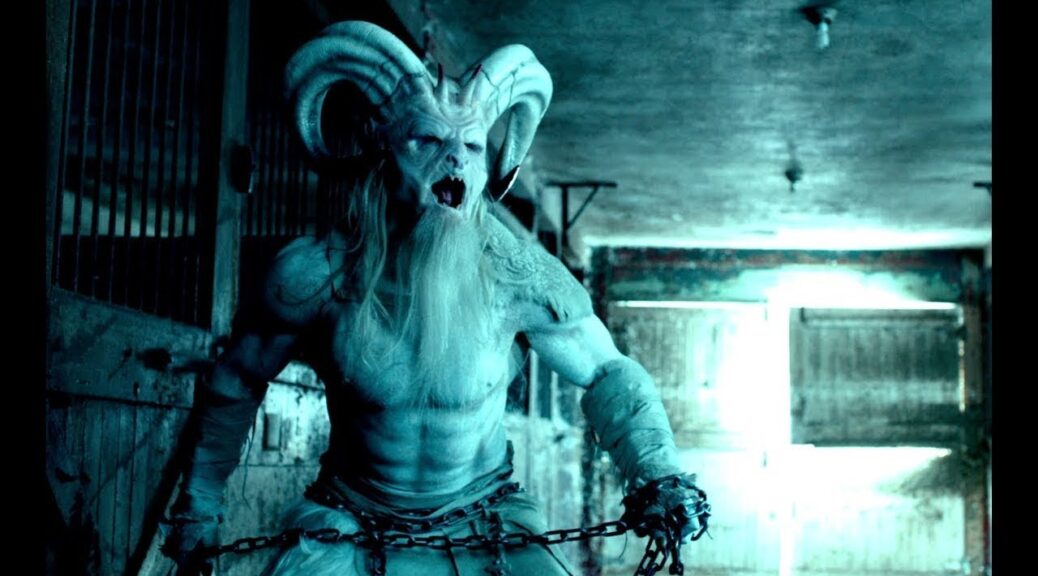
A trio of Canadian directors – Steve Hoban, Brett Sullivan, and Grant Harvey – pull together a series of holiday shorts with this one. Held together by Dangerous Dan (William Shatner), the small-town radio announcer who’s pulling a double shift this Christmas Eve, the tales vary wickedly from three teens trapped in their own wrong-headed Nativity, to a family who accidentally brought home a violent changeling with their pilfered Christmas tree, to a dysfunctional family stalked by Krampus, to Santa himself, besieged by zombie elves.
Yes, there is a second film out this holiday season with Krampus in it. You know what? This one’s better – in fact, it’s almost patterned after Krampus director John Dougherty’s cult favorite Trick r’ Treat and it offers more laughs and more scares.
Plus Shatner! He’s adorably jolly in the broadcast booth, particularly as the evening progresses and his nog to liquor ratio slowly changes. This is a cleverly written film, well-acted and sometimes creepy as hell. Merry f’ing Christmas!
1. Rare Exports (2010)
It’s not just the Dutch with a sketchy relationship with Santa. That same year Saint was released, the Fins put out an even better Christmas treat, one that sees Santa—or is it his evil counterpart, Krampus?—as a bloodthirsty giant imprisoned in Korvatunturi mountains centuries ago.
Some quick-thinking reindeer farmers living in the land of the original Santa Claus are able to separate naughty from nice and make good use of Santa’s helpers. There are outstanding shots of wonderment, brilliantly subverted by director Jalmari Helander, with much aid from his chubby-cheeked lead, a wonderful Onni Tommila.
Rare Exports is an incredibly well-put-together film. Yes, the story is original and the acting truly is wonderful, but the cinematography, sound design, art direction and editing are top-notch.
Our Christmas gift to you, an extra Fright Club episode! We talk with filmmaker Kurtis David Harder, whose newest feature, Influencers, hits Shudder this weekend. He chats with us about the new film, his Nightmares Film Festival award winning Influencer, making movies, inspirations, and Christmas films. Check it out!
We’ve gone exploring to find all our Christmas decorations! It led us to the basement (which we discuss with Jamie Ray over on his amazing Fave Five from Fans podcast), and into the attic! That’s where we stay for a countdown of the best attics in horror movies!
5. 30 Days of Night (2007)
A pod of survivors hides in an attic, careful not to make any noise or draw any attention to themselves. One old man has dementia, which generates a lot of tension in the group, since he’s hard to contain and keep quiet.
There’s no knowing whether the town has any other survivors, and some of these guys are getting itchy. Then they hear a small voice outside.
Walking and sobbing down the main drag is a little girl, crying for help. It’s as pathetic a scene as any in such a film, and it may be the first moment in the picture where you identify with the trapped, who must do the unthinkable. Because, what would you do?
As the would-be heroes in the attic begin to understand this ploy, the camera on the street pulls back to show Danny Huston and crew perched atop the nearby buildings. The sobbing tot amounts to the worm on their reel.
Creepy business!
4. Hereditary (2018)
With just a handful of mannerisms, one melodic clucking noise, and a few seemingly throwaway lines, Ari Aster and his magnificent cast quickly establish what will become nuanced, layered human characters, all of them scarred and battered by family.
Art and life imitate each other to macabre degrees while family members strain to behave in the manner that feels human, seems connected, or might be normal. What is said and what stays hidden, what’s festering in the attic and in the unspoken tensions within the family, it’s all part of a horrific atmosphere meticulously crafted to unnerve you.
Aster takes advantage of a remarkably committed cast to explore family dysfunction of the most insidious type. Whether his supernatural twisting and turning amount to metaphor or fact hardly matters with performances this unnerving and visual storytelling this hypnotic.
3. The Birds (1963)
As The Birds opens, wealthy socialite Melanie Daniels (Tippi Hedren) has followed hottie bachelor lawyer Mitch (Rod Taylor) to little Bodega Bay, his hometown, to play a flirtatious practical joke of cat and mouse. But you know what will eat both cats and mice? Birds.
Hitchcock introduces a number of provocative characters, including Hedren’s not-that-likeable heroine. Suzanne Pleshette’s lovelorn schoolteacher’s a favorite. But whatever the character, the dread is building, so they need to work together to outwit these goddamn birds.
The film is basically an intelligent zombie film, although it predates our traditional zombie by a good many years, so maybe, like every other dark film genre, the zombie film owes its history to Hitchcock. The reason the birds behave so badly is never explained, they grow in number, and they wait en masse for you to come outside. No one’s off limits – a fact Hitch announces at the children’s party. Nice!
Though the FX were astonishing for 1963, the whole episode feels a bit campy today. But if you’re in the mood for a nostalgic, clean cut and yet somehow subversive foray into fairly bloodless horror, or if, like one of us, you’re just afraid of birds, this one’s a classic.
2. The Changeling (1980)
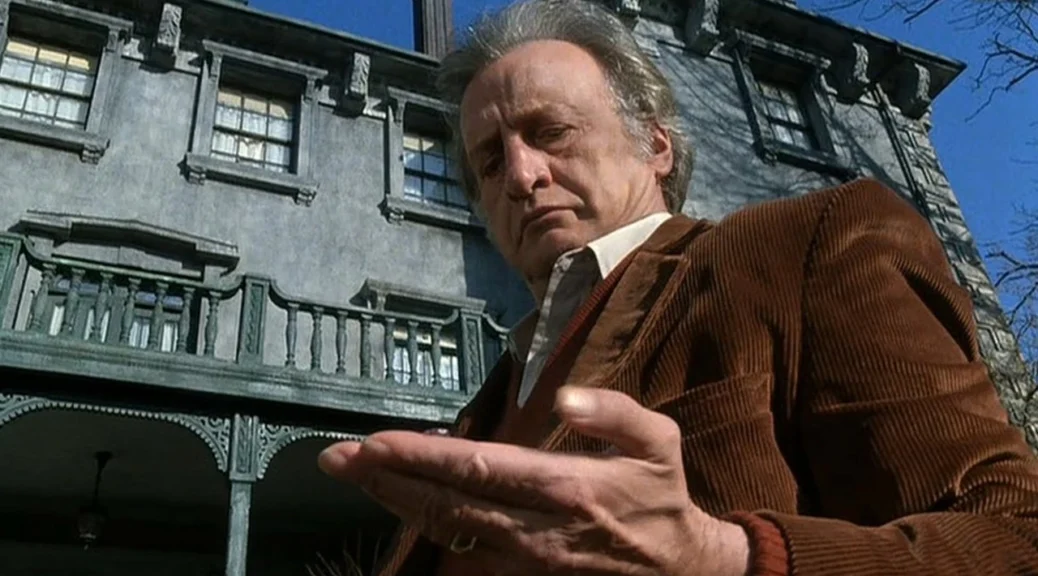
George C. Scott is a grieving father isolating himself in an old mansion. But something in that mansion in Peter Medak’s atmospheric ghost story is drawn to him.
The Changeling is a beautiful, haunting mystery full of melancholy and grief. Scott’s big, gruff performance breaks with vulnerability just often enough to jerk a tear or two in a film that’s spooky, lovely, and satisfying.
1. Black Christmas (1974)
Director Bob Clark made two Christmas-themed films in his erratic career. His 1940s era A Christmas Story has become a holiday tradition for many families and most cable channels, but we celebrate a darker yule tide tale: Black Christmas.
Sure, it’s another case of mysterious phone calls leading to grisly murders; sure it’s another one-by-one pick off of sorority girls; sure, there’s a damaged child backstory; naturally John Saxon co-stars. Wait, what was different? Oh yeah, it did it first.
Released in 1974, the film predates most slashers by at least a half dozen years. It created the architecture. More importantly, the phone calls are actually quite unsettling, there is something fantastically horrifying staring out the window in the attic, and the end of the film is a powerful, memorable nightmare.
The idea of being kidnapped is one of those primal fears, one of the first worries we have as children. No doubt those fears have inspired many of these horror movies, and our own connection to those same anxieties the reason why so many of them hit home. From Hounds of Love to Split, Don’t Breathe to Misery,Last House on the Left to Prisoners and so many more, movies centered on kidnapping can leave you breathless and scarred. That must be why we had such a tough time landing on our five favorites. But here they are, live from the Gateway Film Center on Ohio State University campus.
5. The Woman (2011)
There’s something not quite right about Chris Cleese (an unsettlingly cherubic Sean Bridgers), and his family’s uber-wholesomeness is clearly suspect. This becomes evident once Chris hunts down a feral woman (an awesome Pollyanna McIntosh), chains her, and invites the family to help him “civilize” her.
The film rethinks family – well, patriarchy, anyway. You know from the opening, sunshiny segment that nothing is as lovely as it seems, but what lurks underneath this wholesome facade begins with some obvious ugliness—abuse, incest—but where it leads is diabolical.
Nothing happens in this film by accident – not even the innocent seeming baking of cookies – nor does it ever happen solely to titillate. It’s a dark and disturbing adventure that finds something unsavory in our primal nature and even worse in our quest to civilize. Don’t even ask about what it finds in the dog pen.
4. The Loved Ones (2009)
Writer/director/Tasmanian Sean Byrne upends high school clichés and deftly maneuvers between gritty drama and glittery carnage in a story that borrows from other horror flicks but absolutely tells its own story.
Brent (Xavier Samuel) is dealing with guilt and tragedy in his own way, and his girlfriend Holly tries to be patient with him. Oblivious to all this, Lola (a gloriously wrong-minded Robin McLeavy) asks Brent to the end of school dance. He politely declines, which proves to be probably a poor decision.
Inside Lola’s house, we’re privy to the weirdest, darkest image of a spoiled princess and her daddy. The daddy/daughter bonding over power tool related tasks is – well – I’m not sure touching is the right word for it.
The Loved Ones is a cleverly written, unique piece of filmmaking that benefits from McLeavy’s inspired performance as much as it does its filmmaker’s sly handling of subject matter.
3. I’m Not Scared (2003)
Director Gabriele Salvatores (Mediterraneo) crafts a perfect, gripping, breathless thriller with his Italian period piece. In a tiny Southern Italian town, kids run through lushly photographed fields on the hottest day of the year. They’re playing, and also establishing a hierarchy, and with their game Salvatores introduces a tension that will not let up until the last gasping breaths of his film.
Michele (Giuseppe Cristiano) sees a boy down a deep hole on a neighboring farm. The boy, Filippo (Mattia Di Pierro), believes he is dead and Michele is an angel. But the truth is far more sinister. I’m Not Scared is a masterpiece of a thriller.
https://www.youtube.com/watch?v=fUI09lqnelQ
2. Oldboy (2003)
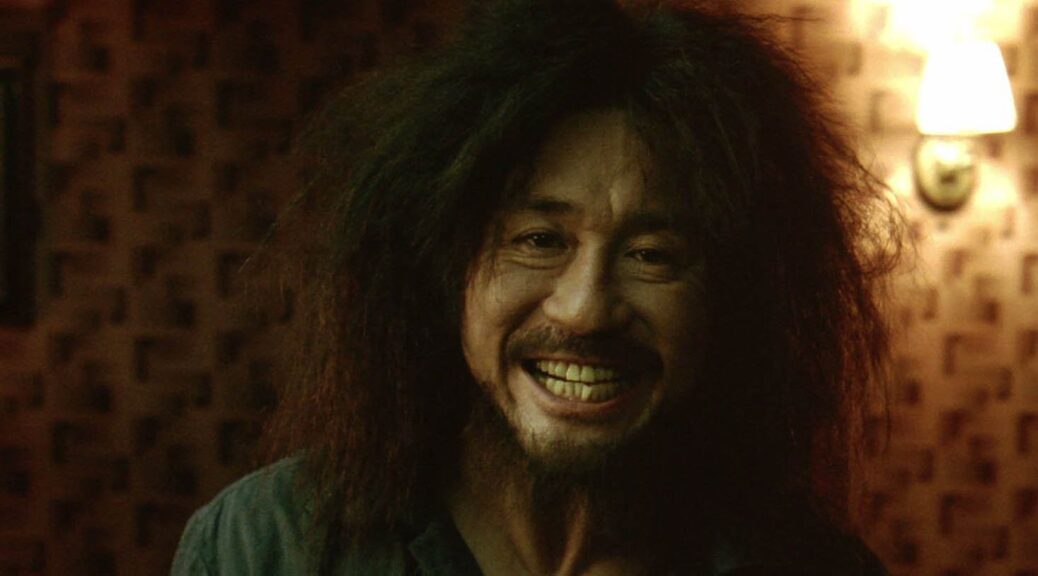
A guy passes out after a hard night of drinking. It’s his daughter’s birthday, and that helps us see that this guy is a dick. He wakes up a prisoner in a weird, apartment-like cell. Here he stays for years and years.
The guy is Dae-su Oh (Min-sik Choi). The film is Oldboy, director Chan-wook Park’s masterpiece of subversive brutality and serious wrongdoing.
Choi is unforgettable as the film’s anti-hero, and his disheveled explosion of emotion is perfectly balanced by the elegantly evil Ji-tae Yu.
Choi takes you with him through a brutal, original, startling and difficult to watch mystery. You will want to look away, but don’t do it! What you witness will no doubt shake and disturb you, but missing it would be the bigger mistake.
1. The Vanishing (Spoorloos) (1988)
Back in ’88, filmmaker George Sluizer and novelist Tim Krabbe adapted his novel about curiosity killing a cat. The result is a spare, grim mystery that works the nerves.
An unnervingly convincing Bernard-Pierre Donnadieu takes us through the steps, the embarrassing trial and error, of executing his plan. His Raymond is a simple person, really, and one fully aware of who he is: a psychopath and a claustrophobe.
Three years ago, Raymond abducted Saskia (Johanna ter Steege), and her boyfriend Rex (Gene Bervoets) has gone a bit mad with the mystery of what happened to her. So mad, in fact, that when Raymond offers to clue him in as long as he’s willing to suffer the same fate, Rex bites. Do not make the mistake of watching Sluizer’s neutered 1993 American remake.