Linda Rosenkranz blurred lines between fiction and nonfiction, turning conversation into a microcosm of Chelsea Hotel-orbiting 1970s society. Peter Hujar—one artist in that orbit—provided photographic evidence of the same.
Writer/director Ira Sachs attempts to trap that same lightning on screen with Peter Hujar’s Day. Sachs adapts a transcript, part of a planned book by Rosenkrantz in which her artist friends simply dictated, in detail, every event of the previous day. We catch Peter Hujar on December 18, 1974.
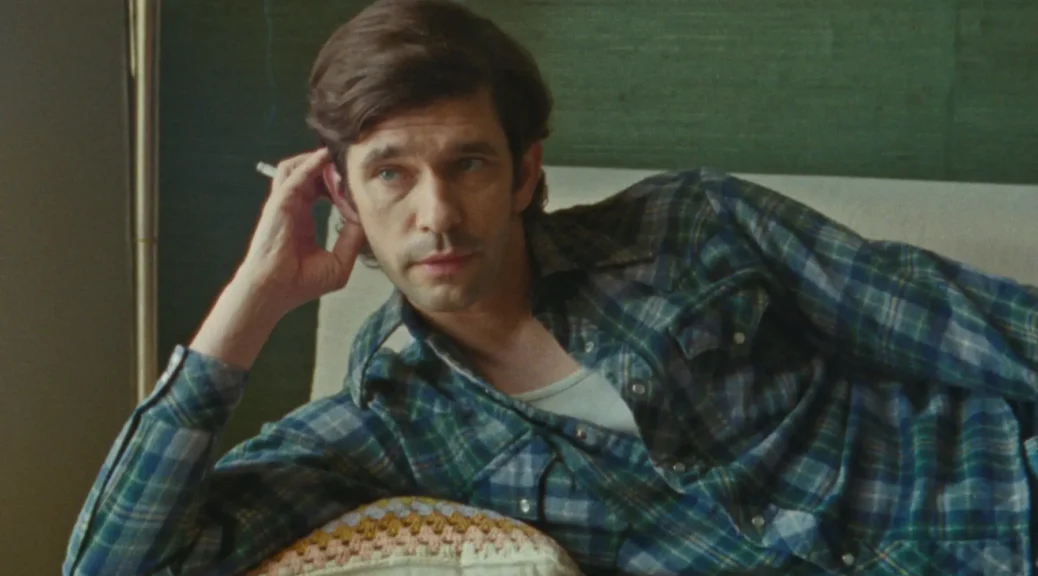
Ben Whishaw is Hujar, dutifully detailing his previous day to a prodding, intimate Rosenkranz (Rebecca Hall). Theirs are the only faces you see, the only voices you hear, for the film’s brisk 75-minute run time.
The two fall into a delightfully familiar chemistry, Linda a little protective, Peter a tad vulnerable, but certainly committed. Every detail—from sleeping through his alarm and being awakened by a phone call, through all the phone calls, naps, liverwurst sandwiches, right up until being awakened in the middle of the night by the prostitutes talking business under his window—is recounted.
Faithful to the tone of Rosenkranz’s body of work, Sachs spotlights the fiction structuring the nonfiction, blurring lines while drawing attention to them. The banality of the exercise—forcing himself to remember every forgettable detail of a day—strips the conversation of ego or pretention, unveiling introspection and struggle.
Whishaw is exceptional, the rote and self-consciousness at the beginning of the conversation evolving into self-effacing humor and, eventually, raw bursts of personal reflection touched by lilting melancholy.
Hall is a gift in this role, the personification of the absolute joy in simply giving your attention, listening and being with a person.
Set design and cinematography befit not just the time period but the portraiture Hujar is known for. Sachs captures kindship and camaraderie among artists.
Peter Hujar’s Day is a peek inside a lost and treasured time, an era of punk rock artistic and literary revolution. It’s also a bittersweet dance with an artist underappreciated in his time, whose work and words pack a punch 50 years on.
Oh, jeez, here we go. Just in time for Awards Season, it’s another group of Hollywood elites making a big Netflix movie about how great movies are, and how great the people making movies are and how hard those people work.
Cue the eye-roll. Can the Oscar-baiting get any more shameless?
Hang on there, hot-taker. Why can’t veteran movie-makers write what they know? Like any other story, it comes down to how well you’re telling it, and how much we’re invested in what’s happening to the characters.
Turns out, it’s pretty easy to care about Jay Kelly, about the people in his orbit, and the commitment required to make cinema feel like “pieces of time.”
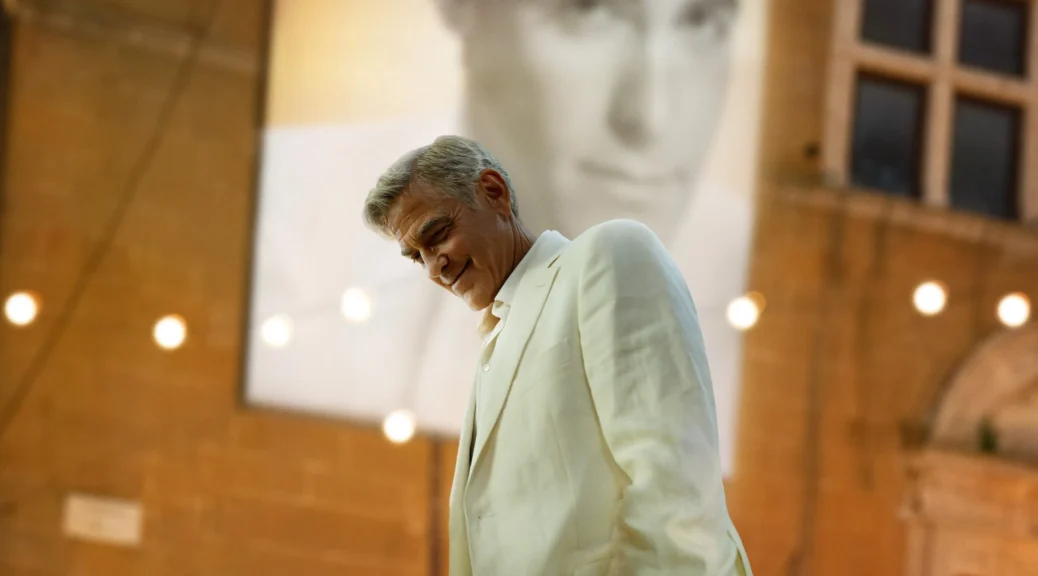
George Clooney wears the title role like his most broken-in leather jacket. Jay Kelly is a veteran movie star, enjoying the comforts of his status while slowly realizing what he has given up to get it.
And it’s not just Jay. From his loyal manager (Adam Sandler) to his publicist (Laura Dern), old roommate (Billy Crudup) to first mentor (Jim Broadbent) and beyond, their is no shortage of people holding a to-do list that starts with making Jay Kelly comfortable.
Director Noah Baumbach and co-writer Emily Mortimer (who also takes a small role in a large ensemble) seem very committed to writing what they know and live. The script does get talky, but never preachy, and we do see the daily anxieties and the juggled priorities, plus the fun of often watching someone else get the glory.
The film’s pool isn’t deep and its claws aren’t sharp but easygoing humor and poignancy reign. As Jay prepares for his career tribute in Tuscany (where else?), Baumbach’s breezy structure often feels like an adaptation from some unknown Sondheim musical. Characters hustle in and out of the periphery while Jay enters rooms that let him visit scenes from his life, reflecting on past choices and strained relationships with his two daughters (Riley Keough and Grace Edwards).
The cast is littered with talent (including Greta Gerwig, Patrick Wilson, Isla Fisher and Stacy Keach), and Sandler may finally earn that Oscar nod he was robbed of in 2019’s Uncut Gems. But in the end, you may as well just pronounce the title as “George Clooney.”
His modern-day Cary Grant persona is so effortless (just look at him charming that trainload of fans!), it’s nearly impossible to imagine the film working without him. And by the time Jay is seated for a very recognizable career tribute, the line where Clooney stops and Kelly starts becomes pretty damn thin.
Do you appreciate movies? You like Clooney? Say hello to Jay Kelly.
The lights are flickering, intermission is over, and Wicked: For Good brings us all back to that good problem Glinda and Elphaba have always had.
How do you match the high from part one?
Well, director Jon M. Chu and his magical cast return to do much of what they just did, for a grand, satisfying conclusion that comes about as close to last year’s Wicked as the material allows.
Did I say grand? Make that Grande.
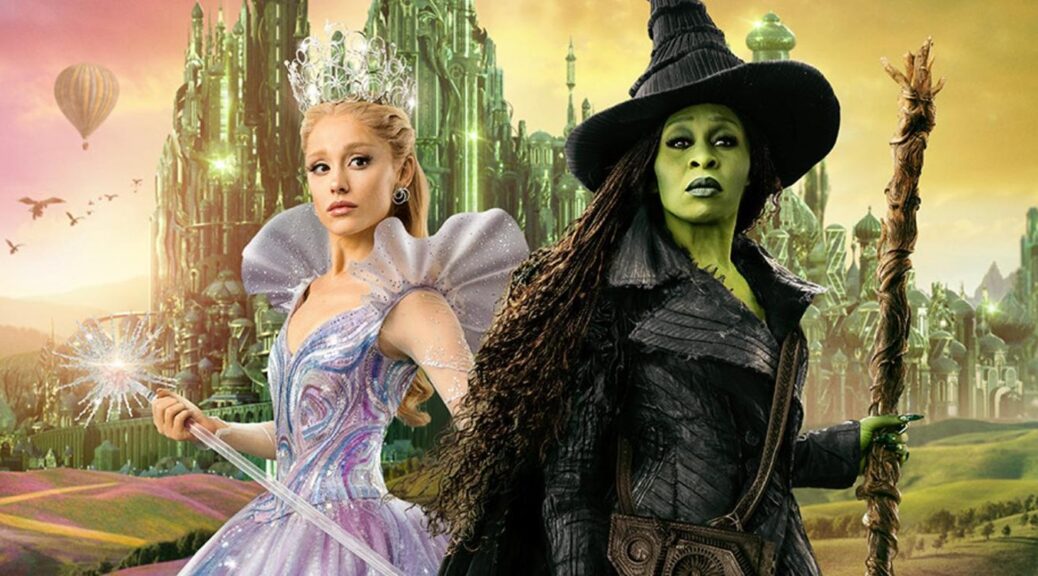
As Glinda, Ariana takes more of the lead this time, in another pitch perfect turn that leans on the wonderful harmony with Cynthia Erivo’s amazing Elphaba.
After embracing the black hat and broom, Elphie is now on the run. The Wizard (Jeff Goldbum) and Madame Morrible (Michelle Yeoh) have opened the yellow brick road and ratcheted up their propaganda campaign, convincing the Ozzians of Elphie’s wickedness and the need to crack down on both animals and munchkins.
Glinda has become an official goodwill ambassador, putting on fake displays of magic and prepping the kingdom for her lavish upcoming wedding to Prince Fiyero (Jonathan Baily).
But Glinda and Fiyero know Elphie is not evil. If they help broker a truce and bring her home, can The Wizard be trusted?
The layers of state-sponsored disinformation, discrimination and cruelty are – surprise! – even more relevant this time, but become less of a focus. A promised romance finally emerges, along with the need to connect the narrative with legendary story beats from The Wizard of Oz.
Baily doesn’t squander his limited screen time. And while the romance has always been secondary to the friendship in jeopardy, it’s still fun to see Elphie decide there’s something to enjoy in being wicked.
Nathan Crowleys’s production design, Paul Tazewell’s costuming and the cinematography from Alice Brooks continue to dazzle, each environment and ensemble styled to emphasize the individuals Elphie and Glinda are becoming. Erivo embraces Elphaba’s maturity and resolve, and she’s never sounded better.
But Grande is the belle of this ball. Glinda trades in her rose colored glasses for clarity, and Grande wields the character’s vulnerability in ways that make the transformation heartbreakingly lovely.
Chu’s commitment to the source material—both the stage musical and Gregory Maguire’s novel—again delivers a compelling, resonant spectacle. But, as was true with the stage production, “Defying Gravity” is the high point of this show. Despite two original tunes, this second half contains fewer truly memorable songs, and ties to the events of The Wizard of Oz feel a bit forced.
And though Chu and returning writers Winnie Holzman and Dana Fox make some course corrections along this yellow brick road, the subtext and emotional depth of storytelling fall just a clock tick below the sublime fantasy of part one.
That’s really been the case since the original show’s opening night. The first half is just stronger, and there is no shame at all in this second place. Far from it. Wicked: For Good is thrilling, impeccably crafted and wonderfully performed. And after all these years and impossibly high expectations, for the complete adaptation of Wicked to be this satisfying may be the most impressive gravity-defying feat of them all.
It’s generally a good bet that if Jared Harris is in your film, it will be worth watching.
This is certainly the case for writer/director Virginia Gilbert’s Reawakening, and the cast surrounding Harris help elevate the entire film.
On the tenth anniversary of their daughter Clare’s disappearance, John (Harris) and Mary (Juliet Stevenson) make a renewed plea to the public to help them in their search for their daughter. It’s made known through subtle pieces of conversation that Clare wasn’t kidnapped but ran away from home at the age of 14.
Brief flashbacks show pieces from the past that help to explain the events leading up to Clare’s departure, but these moments never overshadow the present narrative. We frequently see how her disappearance continues to affect her parents. Mary’s grief is overwhelming. John looks for his daughter in the faces of every young woman he passes. Both have continued with their lives, but it’s clear they will never move on from their loss.
This is a subtle thriller, as the twists and turns play second fiddle to a poignant character study. Harris takes center stage as first a grieving father, then a skeptical one as a woman claiming to be Clare (Erin Doherty) enters their lives. It’s not hard to understand why Mary and John have such divergent reactions to the return of their daughter. Their reactions underscore both blind hope and stunning disbelief.
The film’s subtlety sometimes works against it. There are small moments that are easy to miss even though they play an important role in the overall narrative.
But what works for this film is the veracity of this small family as they seek answers and struggle to reconnect. Harris, especially, sells his role as a father who just wants to know what really happened to his beloved daughter.
It’s a moving analysis of family trauma that resonates long after the credits roll.
The idea of being kidnapped is one of those primal fears, one of the first worries we have as children. No doubt those fears have inspired many of these horror movies, and our own connection to those same anxieties the reason why so many of them hit home. From Hounds of Love to Split, Don’t Breathe to Misery,Last House on the Left to Prisoners and so many more, movies centered on kidnapping can leave you breathless and scarred. That must be why we had such a tough time landing on our five favorites. But here they are, live from the Gateway Film Center on Ohio State University campus.
5. The Woman (2011)
There’s something not quite right about Chris Cleese (an unsettlingly cherubic Sean Bridgers), and his family’s uber-wholesomeness is clearly suspect. This becomes evident once Chris hunts down a feral woman (an awesome Pollyanna McIntosh), chains her, and invites the family to help him “civilize” her.
The film rethinks family – well, patriarchy, anyway. You know from the opening, sunshiny segment that nothing is as lovely as it seems, but what lurks underneath this wholesome facade begins with some obvious ugliness—abuse, incest—but where it leads is diabolical.
Nothing happens in this film by accident – not even the innocent seeming baking of cookies – nor does it ever happen solely to titillate. It’s a dark and disturbing adventure that finds something unsavory in our primal nature and even worse in our quest to civilize. Don’t even ask about what it finds in the dog pen.
4. The Loved Ones (2009)
Writer/director/Tasmanian Sean Byrne upends high school clichés and deftly maneuvers between gritty drama and glittery carnage in a story that borrows from other horror flicks but absolutely tells its own story.
Brent (Xavier Samuel) is dealing with guilt and tragedy in his own way, and his girlfriend Holly tries to be patient with him. Oblivious to all this, Lola (a gloriously wrong-minded Robin McLeavy) asks Brent to the end of school dance. He politely declines, which proves to be probably a poor decision.
Inside Lola’s house, we’re privy to the weirdest, darkest image of a spoiled princess and her daddy. The daddy/daughter bonding over power tool related tasks is – well – I’m not sure touching is the right word for it.
The Loved Ones is a cleverly written, unique piece of filmmaking that benefits from McLeavy’s inspired performance as much as it does its filmmaker’s sly handling of subject matter.
3. I’m Not Scared (2003)
Director Gabriele Salvatores (Mediterraneo) crafts a perfect, gripping, breathless thriller with his Italian period piece. In a tiny Southern Italian town, kids run through lushly photographed fields on the hottest day of the year. They’re playing, and also establishing a hierarchy, and with their game Salvatores introduces a tension that will not let up until the last gasping breaths of his film.
Michele (Giuseppe Cristiano) sees a boy down a deep hole on a neighboring farm. The boy, Filippo (Mattia Di Pierro), believes he is dead and Michele is an angel. But the truth is far more sinister. I’m Not Scared is a masterpiece of a thriller.
https://www.youtube.com/watch?v=fUI09lqnelQ
2. Oldboy (2003)
A guy passes out after a hard night of drinking. It’s his daughter’s birthday, and that helps us see that this guy is a dick. He wakes up a prisoner in a weird, apartment-like cell. Here he stays for years and years.
The guy is Dae-su Oh (Min-sik Choi). The film is Oldboy, director Chan-wook Park’s masterpiece of subversive brutality and serious wrongdoing.
Choi is unforgettable as the film’s anti-hero, and his disheveled explosion of emotion is perfectly balanced by the elegantly evil Ji-tae Yu.
Choi takes you with him through a brutal, original, startling and difficult to watch mystery. You will want to look away, but don’t do it! What you witness will no doubt shake and disturb you, but missing it would be the bigger mistake.
1. The Vanishing (Spoorloos) (1988)
Back in ’88, filmmaker George Sluizer and novelist Tim Krabbe adapted his novel about curiosity killing a cat. The result is a spare, grim mystery that works the nerves.
An unnervingly convincing Bernard-Pierre Donnadieu takes us through the steps, the embarrassing trial and error, of executing his plan. His Raymond is a simple person, really, and one fully aware of who he is: a psychopath and a claustrophobe.
Three years ago, Raymond abducted Saskia (Johanna ter Steege), and her boyfriend Rex (Gene Bervoets) has gone a bit mad with the mystery of what happened to her. So mad, in fact, that when Raymond offers to clue him in as long as he’s willing to suffer the same fate, Rex bites. Do not make the mistake of watching Sluizer’s neutered 1993 American remake.
Hope & George review this week’s new releases: The Running Man, Keeper, Now You See Me: Now You Don’t, In Your Dreams, The Carpenter’s Son, and Being Eddie.
And since 1987, which way have the original film’s stakes of weaponized disinformation, competitive cruelty and strategic class warfare been trending?
So enter director/co-writer Edgar Wright and star Glen Powell to get down to some dirty business in a pretty familiar dystopian future.
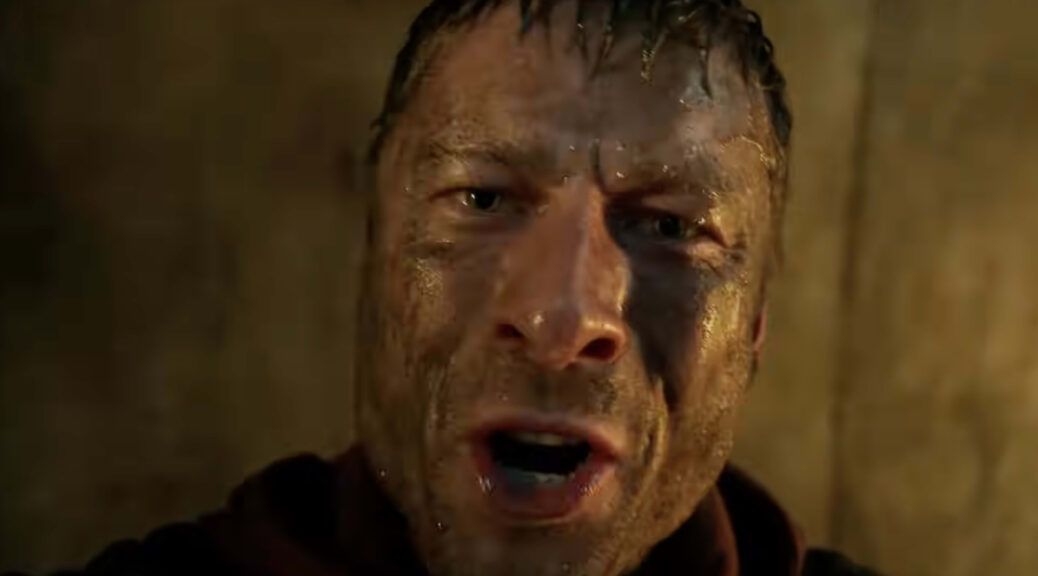
Powell is our new Ben Richards, who winds up on the The Running Man game show trying to win enough “new dollars” to pay for the care of his sick daughter and maybe even spring her and his wife Sheila (Jayme Lawson) out of the Co-Op City slums.
Producer Killian (Josh Brolin) likes the feisty cut of Ben’s jib, and is only too happy to start manipulating the game so Richards can become an engaging “final dude” for the cheering, bloodlusty hoards.
And this time, those common folk are joining the star “hunters” while the runners rely on underground friends and old, untraceable tech in trying to stay alive for 30 days.
In the Stephen King library, this material has always seemed like a more overt, in-your-face take on the themes he explored in The Long Walk. And while Wright avoids the high cheese factor of Arnold’s Running Man film, he keeps the lighter, glitzy tone that seems right for a game show aesthetic. Wright leans less on the trademark swipe cuts and wink-wink edits this time, but provides plenty of color splashes and engaging action set pieces to keep those eyeballs entertained.
Powell brings more than enough rogue-ish charm to make Ben a winning hero/anti-hero, Brolin is a perfect show biz menace and Colman Domingo is gloriously over-the-top as show host Bobby T. Both Michael Cera and CODA‘s Emilia Jones drive thru for some fun cameos, and the entire ensemble has no trouble keeping Wright’s vibe cooking.
Don’t expect subtlety. The moral lessons are clearly stated and the last act pulls in some explanatory (but nicely organic) speechifying before the crowd-pleasing finale. But hey, it’s telling us that those things we were worrying about almost 40 years ago have only gotten worse.
We already knew that. Might as well have some fun running with that fact for two hours.
Osgood Perkins is the gift that keeps on giving. In just 16 months he’s turned out three wildly different gems and a fourth is filming now. But let’s not get ahead of ourselves because we’d run the risk of under appreciating his latest, Keeper.
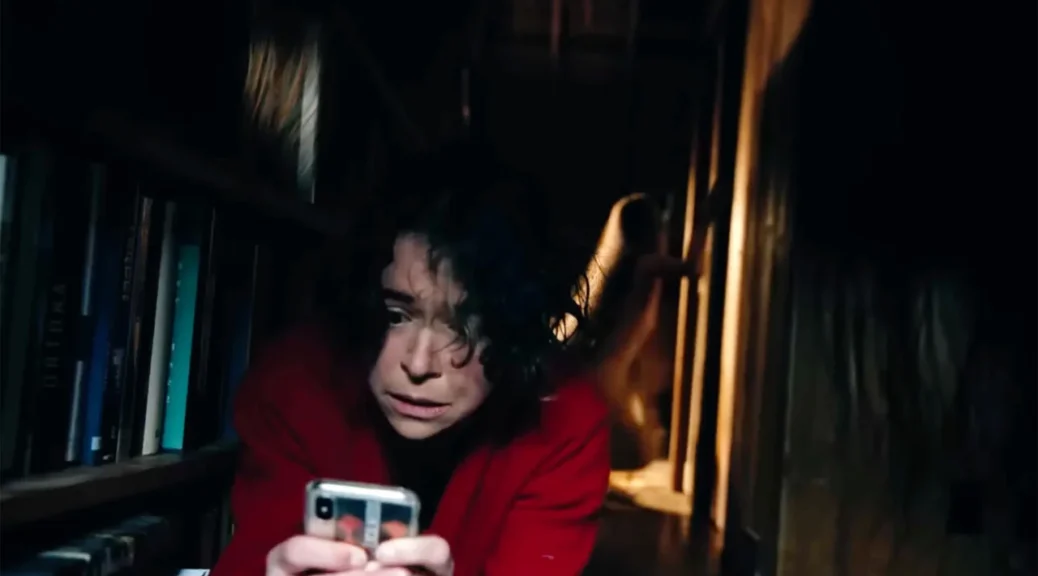
Tatiana Maslany (She-Hulk) is Liz, a New York City artist anxiously headed to her first ever cabin in the woods style excursion. She’s not really a country person, and she thinks maybe the fact that her soft-spoken doctor boyfriend Malcolm (Rossif Sutherland) gifted her a beige cardigan for their first big trip together might be a red flag. She’s afraid he’s married and she’s a side piece.
There’s something melancholy and broken and beautiful in the way these two actors play characters playing roles. Malcolm hangs Liz’s painting in his home and cooks and behaves romantically while looking as if he’s crushed under some sorrowful weight. Meanwhile Liz’s words and expressions never match, one cheerful while the other is tearful or vice versa. It’s an exquisite performance of two people pretending to be a happy couple when, indeed, perhaps their romance is a fraud.
This doleful charade nurtures an atmosphere of paranoia gorgeously amplified by Perkins’s hypnotically creepy aesthetic. The architecture of dark magic recalls his underseen Gretel & Hansel and show-don’t-tell exposition occasionally conjures I Am the Pretty Thing That Lives in the House.
Perkins did not write Keeper, and there are times when his unsettling direction can’t quite overcome screenwriter Nick Lepard’s haphazard mythology. There’s a disquieting relationship analogy at work that does work, much thanks to Maslany’s gripping turn. Her commitment to this character’s experience elevates scenes that could otherwise have nearly felt unintentionally funny. But you never doubt Liz.
Keeper turns monster movie perhaps too abruptly and not as convincingly as it might have. For that and a couple of other reasons, the third act feels a bit cheap after such a trippy lead up. But it’s a gorgeous exercise in isolated horror and reason enough to remain excited for Perkins’s next movie.
I remember so clearly, back in 2016 when Now You See Me 2 came out, thinking—hold the phone, Now You See Me made enough money to merit a sequel?
Imagine my surprise a decade on finding that apparently there’s interest enough for a third episode, Now You See Me, Now You Don’t.
Is there reason to hope the third Magician Robin Hood film will be at least a fun spectacle?
Ruben Fleischer directs, which seems fitting because it was on his zom-com masterstroke Zombieland that NYSM co-stars Jesse Eisenberg and Woody Harrelson first teamed up. Both actors return to their tricky ways as egotistical control freak Atlas (Eisenberg) and amiable mentalist Merritt (Harrelson), working this time from a script co-written by Zombieland (and Deadpool) scribe Rhett Reese.
That all looks promising, but magic is nothing if not sleight of hand.
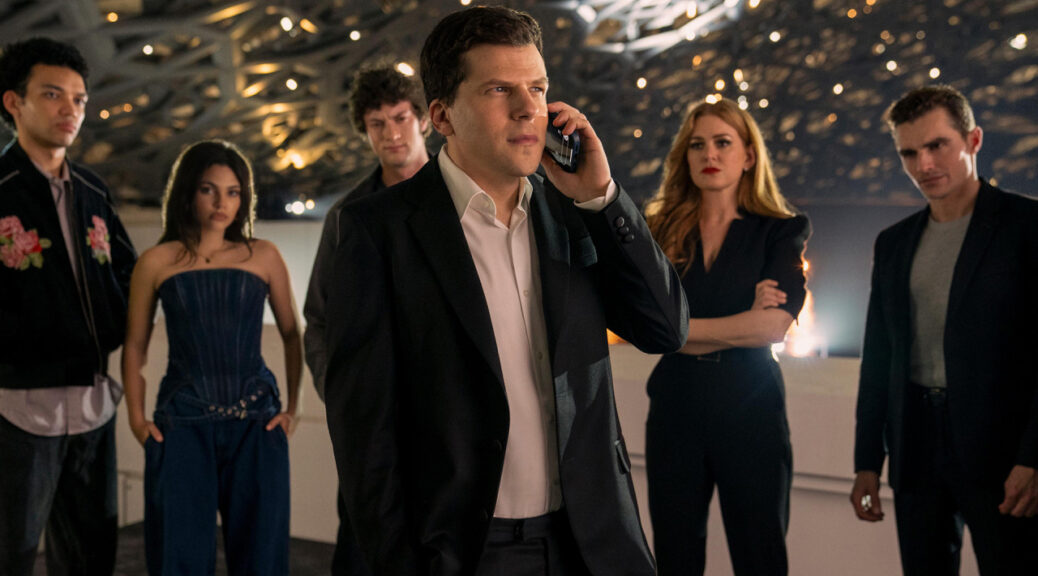
A lot of familiar faces from NYSM 1 & 2, plus three scrappy new magicians—Bosco (Dominic Sessa), Charlie (Justice Smith), and June (Ariana Greenblatt)—join forces to defeat diabolical South African diamond heiress, Veronika Vanderberg (Rosamund Pike).
Pike is perfect, effortlessly cutting the ideal figure as the elegant, narcissistic, ultra-wealthy villain. Smith once again charms as a self-deprecating nerd. Eisenberg seems like he might be in literal pain delivering this dialog.
And there’s a lot! At least 25% of Eisenberg’s lines are delivered as voiceover, while his character explains everything the viewer may not know about the last two episodes, the characters in the current episode, missing characters, the plan for the heist, the mysterious details even he doesn’t understand. If magic or moviemaking is about show over tell, Fleischer doesn’t know it.
What is a Now You See Me movie, really? It’s a heist flick plus magic plus social justice. At least one of those three elements is likely to please any viewer. But Reese’s script, co-written with Seth Grahame-Smith and Michael Lesslie, is nothing but exposition. Worse, Fleischer’s direction (and all that dialog) drains the wonder from every scene.
The film plays more like a Super Friends episode from the 1970s: lots of very colorful, one-dimensional characters and over-the-top villainy lazily packaged for mass consumption. Maybe I’d have enjoyed it more with a big bowl of Sugar Corn Pops.
There are plenty of great reasons to want Nicolas Cage in your movie. Downplaying it alongside a young Jesus probably isn’t one of them.
But writer/director Lotfy Nathan seems undaunted, and he guides The Carpenter’s Son around Cage’s often distracting presence for a Biblical tale rooted in a more historical approach.
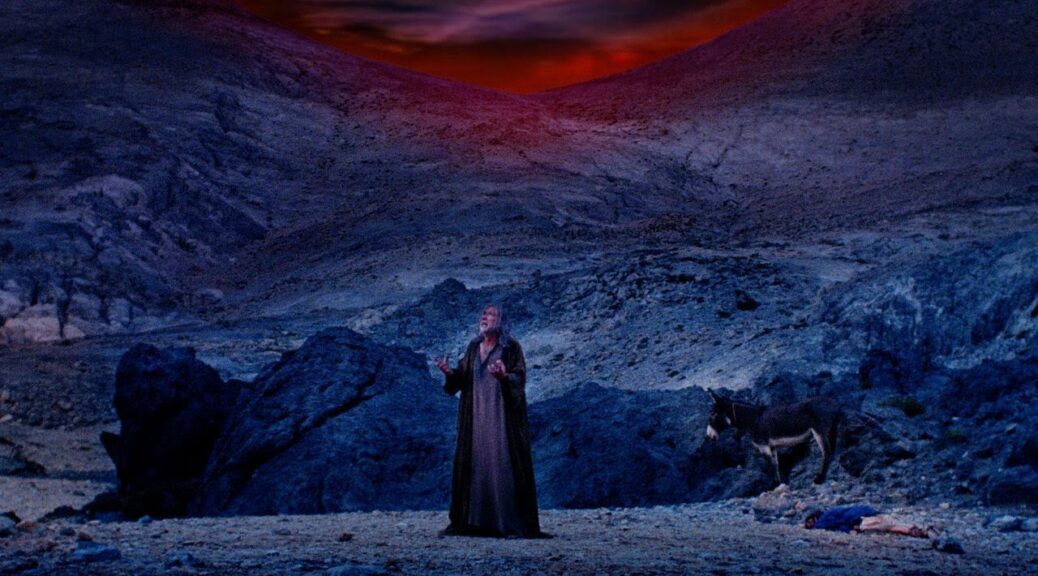
Nathan has based his script on “the Infancy Gospel of Thomas,” one of the apocryphal writings by early Christians that describe events missing in the New Testament. Cage is The Carpenter, who smuggles The Mother (FKA Twigs, saddled with an underdeveloped role) and their infant son out of the city before King Herod’s officers can sentence The Boy to death.
The family lays low for years, but by the time The Boy is a teenager (Noah Jupe), whispers are starting to spread about his mysterious powers. How Nic Cage lays low is another mysterious question, with his neatly trimmed beard and distinctly American accent adding to the feeling that he may have wandered in from another set.
And early on, the film seems headed for a disastrous collision of awkward tone and misguided ambition. But slowly, as Nathan focuses more on The Boy’s growing friendship with The Stranger (Isla Johnston), a compelling narrative begins to emerge.
Jupe (Suburbicon, Honey Boy, A Quiet Place, Ford v Ferrari) continues to impress as a now young adult, and Johnston delivers a standout supporting turn of intrigue. With their relationship at the center, the film becomes a unique coming-of-age story that offers both a relatable humanity and a possibility of Divine Providence.
Another part of the curiosity around this film is just what audience Nathan is going after. The faith-based crowd will find moments of blasphemy while the non-believers will scoff at the silliness. Folk horror fans will question how it earned that label, and plenty more will be waiting for a Cage rage that never materializes.
While it’s not the trainwreck you’re afraid it’s going to be, The Carpenter’s Son can’t build anything that’s truly satisfying. The blueprint may be provocative, but the support system remains plenty wobbly.