Listen, listen. I’m not the villain here. All right?
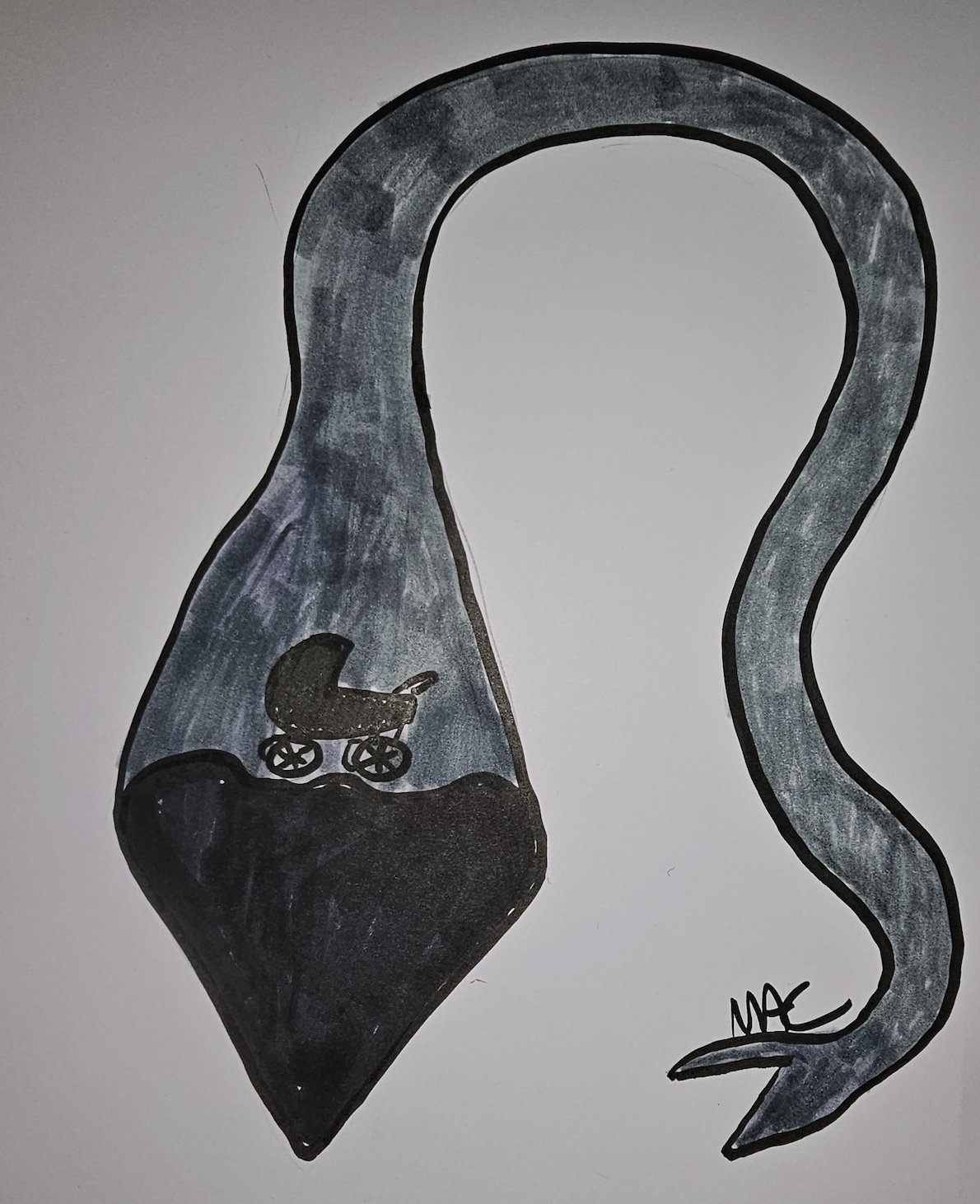
I’m an actor. There’s this kooky older couple in the building where I live. They said they could help me. Just bring me a tie, they said. Just bring them a tie that belonged to the one guy who kept getting all my parts.
You have no idea how competitive this industry is. And these people, they can help. They really can. One necktie, and suddenly I’m the golden boy. I didn’t do anything to him. I didn’t do anything. I didn’t even know what they were going to do. Hell, I don’t know what they did do or how they did it, but…and I do feel bad for the guy! But am I going to pass up my big break?
And now they need a little more. The necktie, that was really to prove a point. To show me what they could do.
And Rosemary—my wife—deserves better than what we had. So, yes, I took some liberties. But who did it hurt, really? She wasn’t supposed to remember any of it. That’s what they told me! She wouldn’t remember anything. She’d just be pregnant – sure, a little sicker than a regular pregnancy, but a lot of women are sick while they’re pregnant. And then, it would be like she had miscarried. Sad, sure, but she’d get over it and we’d try again. Begin our own family. A family that could live the way we wanted to live, deserved to live.
It wasn’t easy for me, either, you know. Seeing my wife with that – thing. That beast. I had to watch that. But my sacrifice—you know—it was for us. I did it for us.
And what those people do, well, that’s their business. To each his own. Live and let live, right? They’re not so bad, really. I kind of feel sorry for them. Rosemary is always getting on me to be nicer to people. That’s all I was doing.
I’m not the villain.
*by Hope Madden. Voiceover and audio production by George Wolf. Art by Michael Anthony Carroll.
Disclaimer: Villain Diaries is a non-commercial work of fan fiction and parody. All characters, names, and elements from the film belong to their respective copyright and trademark holders. I don’t own them and I’m not affiliated with, endorsed by, or sponsored by the creators, studios, or rights holders. This piece is an original creative commentary inspired by their work. It is shared for free, for entertainment and critical purposes, and earns me no money. If you’re a rights holder and have concerns, please contact me at maddwolf95@gmail.com and I’ll respond promptly.
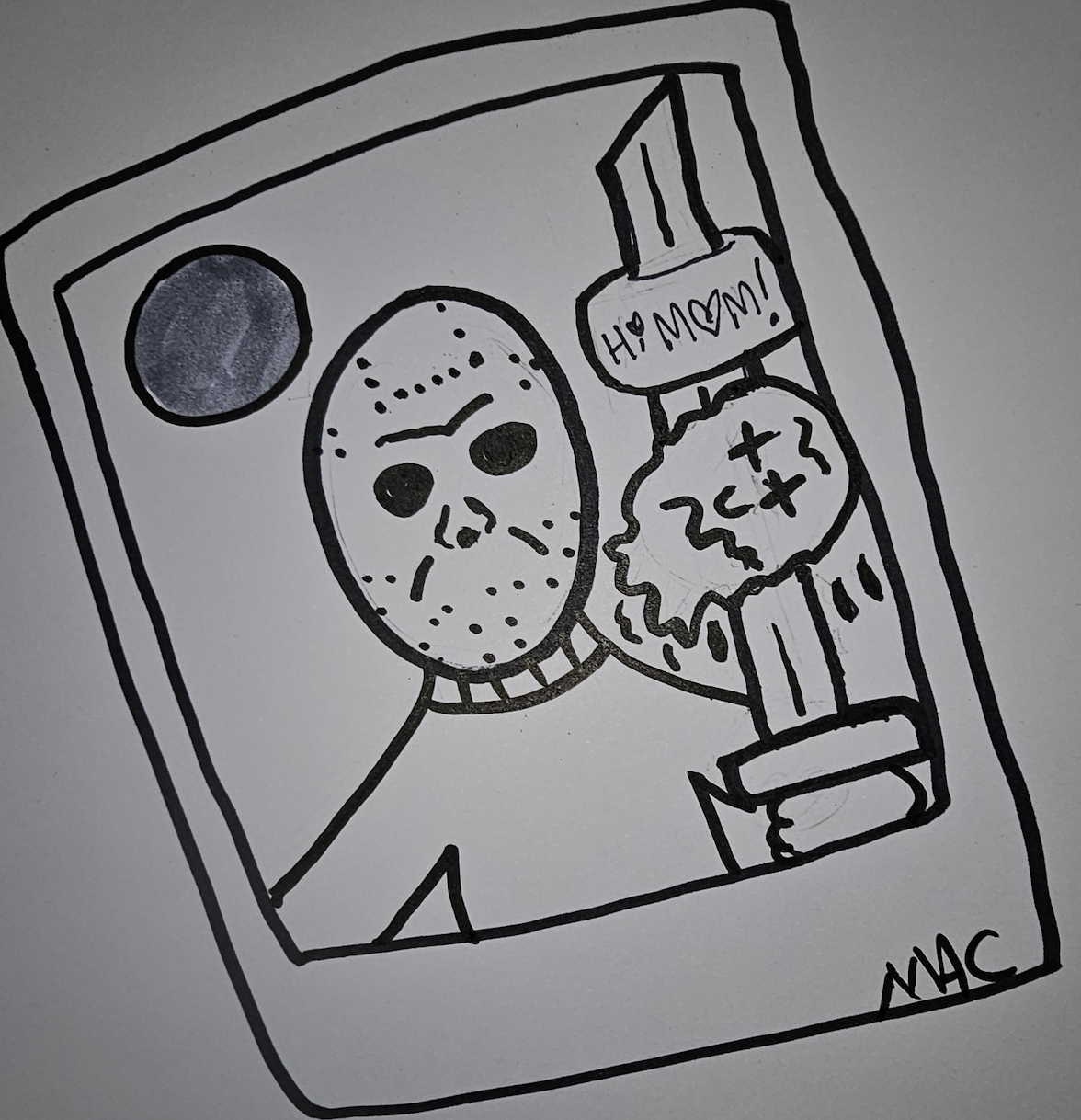
I know I said I didn’t want to go to camp this year. I said nobody ever talks to me. Nobody ever asks me to swim or hike, or play truth or dare, or arm wrestle. Nobody offers me an enchilada. I said I didn’t like it. I said it was boring, but what I really meant was that it was lonely. I didn’t want to have to spend the whole summer—again!—with no friends. I said nobody likes me here. I said I would miss you.
But you said, “Jason, they’re just as scared of you as you are of them! They can’t like you if they don’t know you, so just march right up to them and show them who you are. Show them what you’re made of. You might even see what they’re made of.”
You were right, Mom. As always! I love it here. I am having the best summer, just like you said I would. Thanks for always having my back. I still miss you, though!
Jason
*by Hope Madden. Video in partnership with Mills James Productions. Voiceover by Dave Man Bjorklund. Art by Michael Anthony Carroll.
Disclaimer: Villain Diaries is a non-commercial work of fan fiction and parody. All characters, names, and elements from the film belong to their respective copyright and trademark holders. I don’t own them and I’m not affiliated with, endorsed by, or sponsored by the creators, studios, or rights holders. This piece is an original creative commentary inspired by their work. It is shared for free, for entertainment and critical purposes, and earns me no money. If you’re a rights holder and have concerns, please contact me at maddwolf95@gmail.com and I’ll respond promptly.
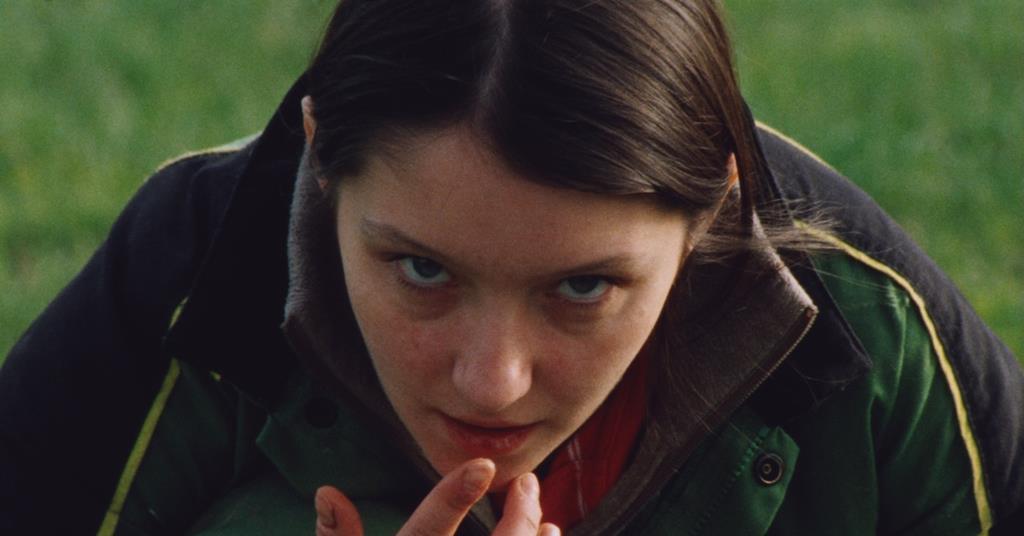
Julia Kowalski grounds each moment of Her Will Be Done in an utterly authentic day-to-day. Every chore, every mismatched but sturdy layer of clothing, every slap of a rubber glove or boot makes you ache with Naw (Maria Wróbel) for something more than the French farm life of a Polish migrant.
But that’s 20-year-old Naw’s life, with her kind but religious father (Wojciech Skibinski) and her two rowdy brothers (Przemyslaw Przestrzelski and Kuba Dyniewicz). Naw yearns to be a veterinarian, or to do anything that gets her out of this house, this life. Even if she believes, as her father does, that she carries her mother’s curse.
The realism of Kowalski’s approach keeps you guessing: are Naw’s episodes medical? Supernatural? Just plain rage? The filmmaker mixes messages, confounds clues, and transfixes you in the mystery, mainly through Wróbel’s convincing, wide-eyed observational performance.
Wróbel’s quite wonderful, rarely speaking, communicating the entire arc of the character with her enormous, searching eyes. Thanks to the performance it’s easy to question Naw’s reality and to worry about the way she interprets the reality around her.
Naw’s life of quietly raging frustration takes quite a turn when the neighbor’s daughter (Roxane Mesquida)—scandalous for some reason Naw’s father won’t tell her—moves back home.
From this moment, Kowalski spins a folk horror rooted in misogyny, patriarchy, religion, power, and superstition. All of this as observed by the sheltered, innocent Naw. It’s like a fairy tale where the beautiful fairy finds herself somehow in Naw’s miserable world rather than vice versa, and the filmmaker mines that concept to create a kind of backward folktale.
In its best moments, Her Will Be Done conjures Marcin Wrona’s 2015 treasure Demon. At other moments, the understated realism calls Emma Benestan’s feminist horror Animale to mind. Kowalski, who writes with Simon Beaufils, complicates characters, makes them tough to predict. And yet, the bones of both reality and fairy tale dictate what must be.
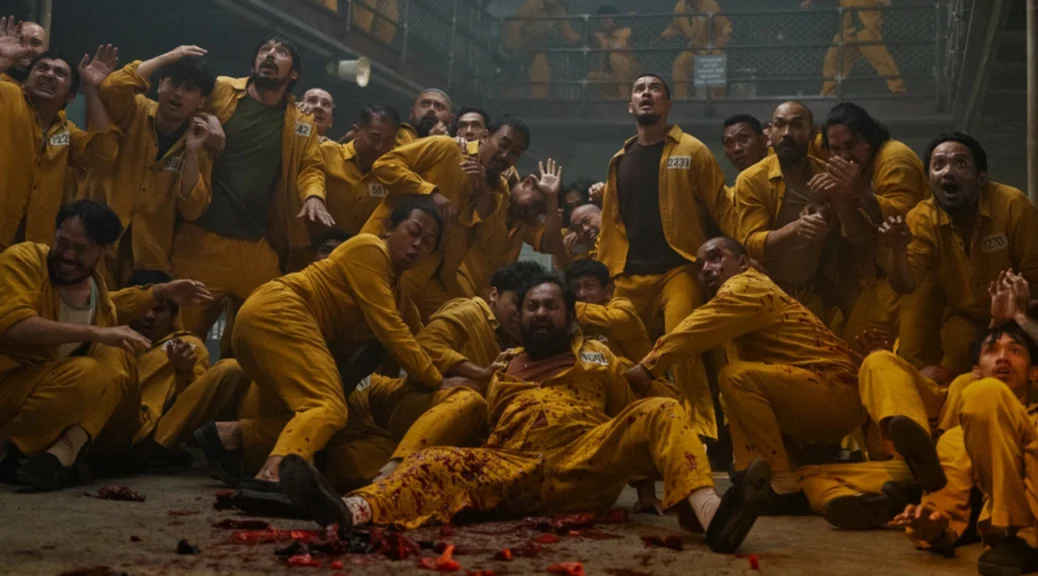
Joko Anwar makes a lot of movies. Not all of them are worth watching, but when he hits, you can expect grimy, bloody fun. Perhaps none more unexpectedly fun than his latest, Ghost in the Cell.
We open after midnight in a sweaty Indonesian newsroom, dedicated journalist Dimas (Endy Arfian) keying in the last sentences of his most perfect story. Capitalists are illegally mining a rainforest in Borneo where dozens of strange deaths occurred.
But the story never runs, and within a scene or two, Dimas is the new guy in an awfully unpleasant Indonesian prison.
Were it not for the gruesome opening (the reason that story didn’t run), you might not recognize Anwar’s latest as a horror film until after its midpoint. Instead, the filmmaker pits a rag tag group of not-so-badnicks (one telephone scammer, one small time robber, etc.) against more serious felons and a sadistic prison force. It’s somewhat traditional action with a bit of good-natured humor tossed around.
And then, meek little do-gooder Dimas arrives. Fresh meat. Or is he?
Though the most unhinged of the inmates, Tokek (Aming Sugandhi), has made his ill intentions clear, he meets a similarly grisly fate as that newspaper publisher. Is Dimas to blame? Or did he unwittingly bring something to the prison with him?
Ghost in the Cell showcases Anwar’s knack for truly ghastly body horror with a buoyant camaraderie, proletariat zeal, and well-placed bursts of comedy. His cast is up to the tonal challenge, each one carving out a memorable character, which can be tough to do in a sea of prison bars and orange jumpsuits.
There’s almost a sweetness and definitely a sense of optimism in the humor, characterizations, and storyline. The respect the inmates show the dance instructor, and Anwar’s earnest use of dancing in the film, can’t help but make you smile—even as massive chunks of inmate slide down the gore-slimed stone walls.
Pick-me-up seems like the wrong way to describe Ghost in the Cell, but for a movie boasting the sheer volume of carnage, the film has a good heart.
This week, Hope & George review Heart of the Beast, Primetime, Forgotten Island, The Stunt Driver, The Incomer, You Had to Be There, Never After Dark, Unabomber, and Bloody Tennis.
In 2021, Lance Oppenheim directed the wild documentary Some Kind of Heaven about Florida’s exclusive retirement community, The Villages. Beneath the blinding aqua pools, savage tans and vacant smiles, a seediness rotted away.
The director dials that tone up a notch for Primetime, the based-on-real-events feature that chronicles the rise and fall of a TV phenomenon.
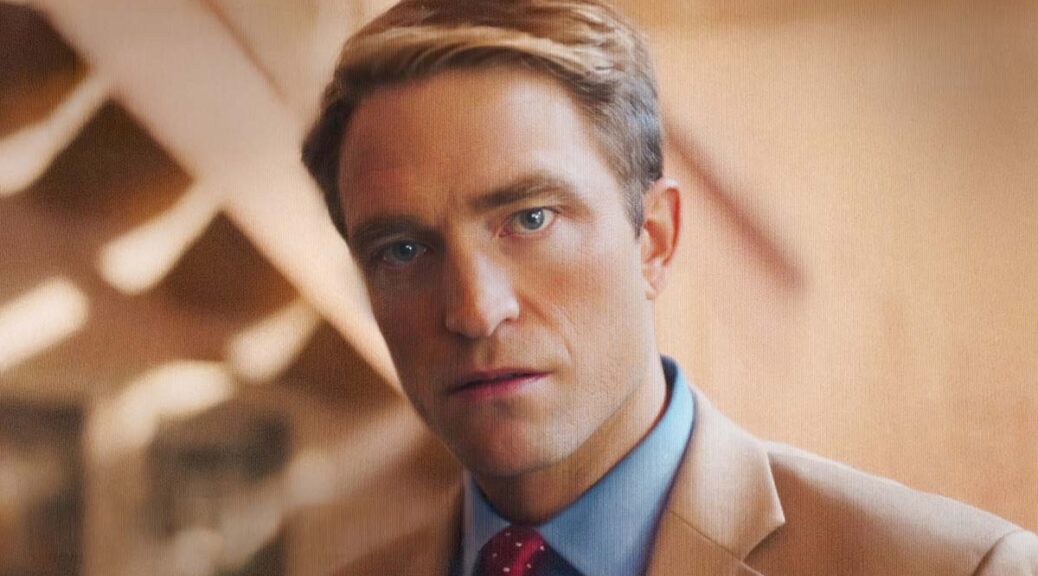
Robert Pattinson is Chris Hansen, host of NBC’s To Catch a Predator. Often, when an actor portrays a reprehensible character, the strength of the performance comes from finding the humanity at the center of the monster. And yet, Pattinson—among the most fascinating actors of a generation—chooses to do the opposite. His turn is just this side of farcical, beautifully so. Pattinson offers Hansen exactly the empathy Hansen himself possessed, and the character is so compellingly repugnant you cannot look away.
Hansen’s frantic ambition leads an already unseemly production to new lows in search of ratings. His emotional regulator and quiet puppeteer, producer Andie Bender, is played with magnificent nuance by Merritt Wever. Like the character, Wever quietly controls the film.
And for the human heartbeat, Skyler Gisondo, in a rare dramatic role, offers a tenderness that amplifies the ugliness, the garishness, of not only the true story itself but Oppenheim’s film.
To Catch a Predator was insanely popular, viewers tuning in to watch a would-be sexual predator lured into committing to a terrible decision. It brought out the ugliness in viewers, and Oppenheim’s film delivers its take on the predatory nature of the show and of the entertainment industry with the same salacious verve.
Daniel Garber’s editing mimics and mocks true crime sensationalism, almost hypnotizing you with seediness and a strange comic sensibility. That hint of humor—in Pattinson’s performance, in the way he’s lit and made up, in the editing—is what makes the film such a grotesque success.
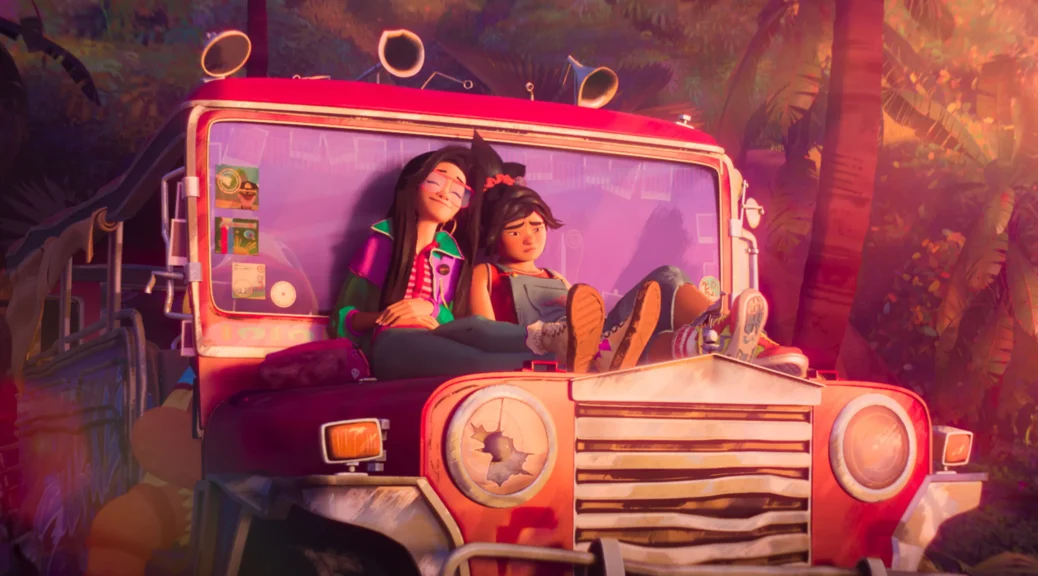
Who knew that an animated/anime mashup of John Hughes and The Hangover would amount to such a blast of a kids’ movie?
Forgotten Island is nothing if not weird.
The latest from DreamWorks follows two lifelong besties. Wild child Jo (H.E.R.) and introverted genius Raissa (Liza Soberano) have always brought out the best in each other, and they’ve strung together countless memories. They’ll have one last night for memory making, because tomorrow Raissa leaves their small Philippine town for college at CalTech. Jo will continue her work as the chicken mascot at a local fast-food place.
Until…a portal opens to the fantastical world of Nakali, and the friends wake up 12 hours later with no memory of the night before and no idea where they left the amulet that can get them home.
Like writers/directors Joel Crawford and Januel P. Mercado’s last feature, Puss in Boots: The Last Wish, Forgotten Island is a constantly surprising, beautifully structured, startlingly powerful film. It’s also irreverent enough to offend some, and randomly set in the late 1980s. (Both fine by me!)
The wild hijinks on Nakali work because of the investment in these two characters back home. This isn’t a one-note odd couple, but two finely crafted characters with a lived-in friendship. And once the film hits the island, the filmmakers’ gift for unexpected, often downright weird, adventure shines.
Jenny Slate lends her perfect-for-animation voice, as does Dave Franco, both delighting in a cast of characters drawn from Filipino folklore. The characters, their misadventures, and the vibrant animation style offer an almost dizzying joy. Nothing’s predictable, nothing’s phoned in.
But, like Last Wish, there’s depth to the pathos on the screen and that’s what gives Forgotten Island lasting power. The filmmakers take a coming-of-age staple and find its humanity. Even with all the awful 80s music, Forgotten Island hits not one false note.
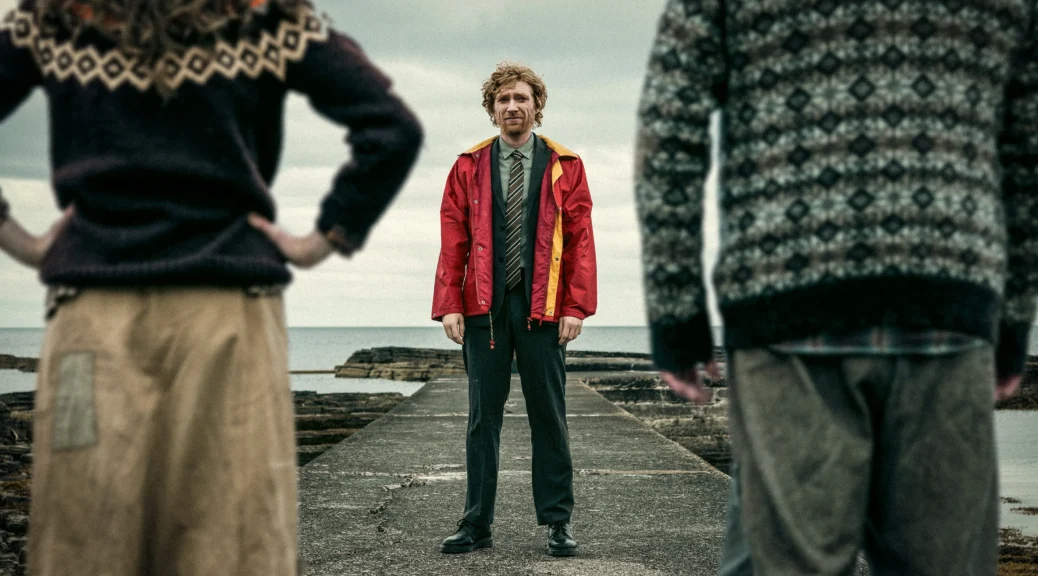
The Incomer, acclaimed short filmmaker Louis Paxton’s first feature, opens as a sort of fairy tale. A woman’s voice begins a narration about two gulls, brother and sister, and their obligation to protect themselves and their island from incomers.
What follows is a charming, funny, endearingly odd and oddly endearing story of isolation and community.
Isla (Gayle Rankin, glorious) and her brother Sandy (Grant O’Rourke, dear) have lived alone on Auk Isle, a remote Scottish island, since they were children. And, like the tale, they organize their days around certain tasks including training for the invasion if incomers. They get their chance to test that training when Daniel (Domnhall Gleeson, awkward perfection) comes to call.
Daniel works for the government, who’s recently learned that this uninhabited island is, indeed, inhabited. Daniel’s been sent to evict and relocate the siblings.
Their time together devolves into an often absurd and silly but always intelligent and empathetic struggle: between the incomer and the gulls, between loneliness and community, and between fear and optimism.
Paxton’s somewhat miraculous script never dismisses Isla and Sandy, even when it’s laughing at them more than with them. And Gleeson is the ideal choice to bridge “normal civilization” with the mythical fantasy alive on this island.
A lonesome darkness anchors the film that gives the absurdity substance, and Gleeson’s endless tenderness keeps you emotionally invested in the story. And O’Rourke’s soft-headed vulnerability makes for a delightfully sweet character.
Back on the mainland, a small ensemble of sharply drawn comic foils (Michelle Gomez and Emun Elliot, in particular) serves as a wonderful balance for the trio on the island. But Rankin owns this film.
Isla’s ferocity and naivete both reflect an incredible intelligence, and Rankin brings all three to bear in a performance that commands attention. Because of this powerful performance, The Incomer is more than funny, more than clever. It’s a reminder that we are each the agent of our own destiny.
German filmmaker Nikias Chryssos does not hide his influences. After witnessing the brutal slaying of a beautiful girl, we watch a young American student being driven to an exotic if spooky European academy where she will be trained among the elite in her field.
Bloody Tennis is Suspiria for athletes. Sophie (Sandra Guldberg Kampp) is the athlete newly arrived at the Mary Tyrone Tennis Academy. She’s welcomed, in a way, by Ms. Tyrone (Elina Löwensohn, Nadja) herself. It isn’t a warm welcome.
“I’m your daddy now.”
The class is small: six players (minutes the girl we watched die in the opening moments, whose absence makes room for Sophie). Aside from Ms. Tyrone, head mistress and team doctor, there’s one coach (Zlatko Buric) and one handyman/chauffeur/cook/weirdo (Vincent Romeo).
Though the title suggests a campy comedy, the dark, creepy humor that runs through Bloody Tennis is anything but camp. And while his underlying structure is reminiscent of Suspiria, Chryssos leans just as heavily toward slasher. (Also an Italian genre, owing to Mario Bava’s 1971 originator, A Bay of Blood).
That’s not to suggest the film is somehow untrue to its title. There’s a lot of blood (some of it pretty inspired) and a lot of tennis.
Though Guldberg Kampp is not entirely convincing as an American (she’s Danish), her performance otherwise compellingly anchors the film. Sophie is curious and observant, her personality mainly interior. Guldberg Kampp navigates Sophie’s arc with a quietly animalistic nature that suits the film and the character.
The rest of the athletes are offered little opportunity to really craft characters, but each is solid. Löwensohn’s gleefully committed and Romeo is unsettlingly odd.
The film’s themes are as unhidden as its influences. Training to be an elite athlete is a soul and body ruining exercise, as punishing as it is bloodthirsty. There is perhaps less depth and less mystery to Bloody Tennis than it needed to be genuinely memorable, but it’s an intriguing, gory reminder that women’s sports is where it’s at.
We had fully intended to look across so many big cities for their bloodsuckers, but it turned out New York is so brimming with vampires that we looked no further. Heck, we even had to do fuzzy math!
But quickly, a shout out to:
Detroit: Only Lovers Left Alive
Los Angeles: Blacula
New Orleans: Scream Blacula, Scream
Pittsburgh: Martin
There’s more, of course, especially once you leave the States, but instead of doing that, we focused squarely on NYC. And here’s what we found.
6. Nadja (1994)
Michael Almereyda spins an oh-so-indie-90s vampire tale of New York. Dreamy black and white cinematography blend with footage shot using a toy camera to create a weird dynamic—surreal, poetic, and often absurd.
Peter Fonda plays both Dracula and Van Helsing, the latter having killed the former and begun a search for Dracula’s daughter, Nadja (Elina Löwensohn). The startling cast also includes Martin Donovan, Jared Harris, and David Lynch.
The humor, violence, and stark beauty make for a heady mix.
5. Habit (1995)
Writer/director/star Larry Fessenden explores alcoholism via vampire symbolism in this NY indie. Fessenden plays Sam, a longtime drunk bohemian type in the city. He’s recently lost his father, his longtime girlfriend finally cut bait, and he runs into a woman who is undoubtedly out of his league at a party.
And then he wakes up naked and bleeding in a park.
The whole film works beautifully as an analogy for alcoholism without crumbling under the weight of metaphor. Fessenden crafts a wise, sad vampiric tale here and also shines as its lead.
4. The Addiction (1995)
Like most of director Abel Ferrara’s work, the film is an overtly stylish, rhythmically urban tale of brutal violence, sin and redemption (maybe). Expect drug use, weighty speeches and blood in this tale of a doctoral candidate in philosophy (Lili Taylor) over-thinking her transformation from student to predator.
Taylor cuts an interesting figure as Kathleen, a very grunge-era vampire in her jeans, Doc Martens and oversized, thrift store blazer. She’s joined by an altogether awesome cast—Annabella Sciorra, Edie Falco and Christopher Walken among them.
Ferrara parallels Kathleen’s need for blood to drug addiction, but uses her philosophy jibberish to plumb humanity’s historical bloodlust.
3. Vampire’s Kiss (1988)
Cage was always willing to behave in a strangely effeminate manner, and perhaps even eat a bug. He made some great movies that way.
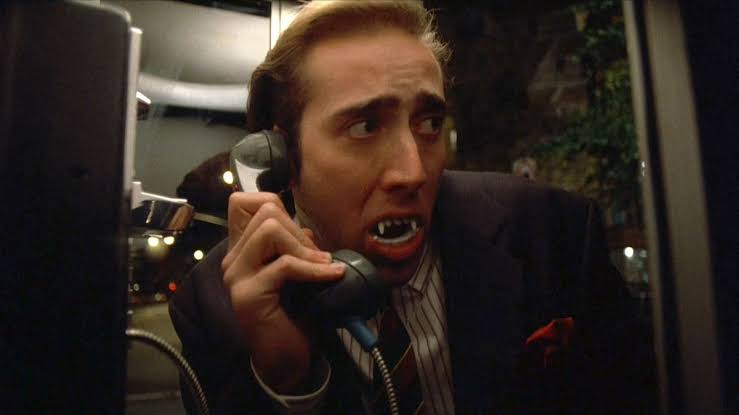
Peter Lowe (pronounced with such relish by Cage) believes he’s been bitten by a vampire (Jennifer Beals) during a one night stand. It turns out, he’s actually just insane. The bite becomes his excuse to indulge his self-obsessed, soulless, predatory nature all over New York for the balance of the running time.
Cage gives a masterful comic performance in Vampire’s Kiss as a narcissistic literary editor who descends into madness. The actor is hilarious, demented, his physical performance outstanding. The way he uses his gangly mess of limbs and hulking shoulders inspires darkly, campy comic awe. And the plastic teeth are awesome.
Peter may believe he abuses his wholesome editorial assistant Alva (Maria Conchita Alonso) with sinister panache because he’s slowly turning into a demon, but we know better.
2. The Hunger (1983)
Tony Scott’s seductive vampire love story has a little bit of everything: slaughter, girl-on-girl action, ’80s synth/goth tunage, David Bowie. What more can you ask?
Actually the film’s kind of a sultry, dreamily erotic mess. Catharine Deneuve is the old world vampire Miriam, Bowie is her lover. The two spend years – perhaps centuries – together seducing victims. But he suddenly begins aging, and she needs to find a replacement. Enter Susan Sarandon as a medical specialist in unusual blood diseases and a fine actress who’s not above smooching other girls.
Bowie and Deneuve are both so effortlessly cool and sexy that you can almost forgive them their nighttime savagery. You find out just how dangerous he is once he begins the rapid-aging process, but once you get a peek into Miriam’s chick Manhattan attic you find that she’s been far more dangerous – to her lovers and everyone else – for a very long time.
1. The Transfiguration (2016)
Milo likes vampire movies.
So, it would seem, does writer/director Michael O’Shea, whose confident feature debut shows us the relationship between the folklore and the life of a forlorn high school outcast.
Eric Ruffin plays Milo, a friendless Queens teen who believes he is a vampire. What he is really is a lonely child who finds solace in the romantic idea of this cursed, lone predator. But he’s committed to his misguided belief.
O’Shea’s film borrows ideas from George Romero’s Martin, Tomas Alfredson’s Let the Right One In, and openly gushes over Murnau’s Nosferatu. Inside and out, the film draws on the best in vampire cinema to help Milo deal with a world in which he is a freak no matter what he decides to do.