Few filmmakers capture drug fueled horror mayhem quite like Joe Begos (Bliss, VFW). His latest is an exercise in minimalism. Not in terms of drugs or mayhem, just filmmaking.
An alien invasion horror flick, Jimmy and Stiggs sees Jimmy (Begos), an out of work filmmaker, hitting the stuff hard in his LA apartment when he blacks out and loses an entire night. Certain an alien abduction was involved, and that those slimy sardine MF’ers are coming back for him, he calls his best friend Stiggs (Matt Mercer) for advice.
The thing is, Stiggs is six months sober and hasn’t spoken to Jimmy in ages. In fact, in an opening sequence shot go-pro style from Jimmy’s inebriated point of view, we learn that Stiggs isn’t interested in producing Jimmy’s new film, news that sends Jimmy spiraling.
Still, worried for his old friend’s sanity and welfare, Stiggs shows up at Jimmy’s place just in time for the aliens to return.
What Begos creates, in a quick 80 minutes with mainly two actors and one increasingly and impressively demolished set, is DIY filmmaking at its most profanity strewn.
Given the sheer volume of cocaine and whiskey, the incoherence of the plot feels right at home. Begos amplifies the nuttiness with wild cuts, possible dream sequences, time shifts, and the periodic use of first person, go-pro POV sequences. The result is a dizzying, black-light colorful excuse to bash practical FX aliens to bits and let their day-glo goo decorate the apartment.
On the downside, Begos is no actor, and even 80 minutes of isolation with Jimmy and his coked-up ranting feels too long. Mercer fares better, leading some Apocalypse Now type insanity that plays really well in this context.
Jimmy and Stiggs was shot over 4 years, beginning during lockdown and extending until completion, mainly in Begos’s LA home. It’s a wild bit of alien fun that fades to black just before it outstays its welcome.
I can’t imagine what prompted us to put together this list. Oh wait, it’s because Sinners is the best film of 2025 and we could tell from its reaction that too many people have not seen nearly enough movies about Black vampires. Because there are tons, and almost all of them are worth watching, even if they’re bad movies. (We’re looking at you, Vamp.) So, here are our favorites:
5. Blade (1998)
Though we love all three Blade movies, and Guillermo del Toro’s Blade II is officially our favorite, for a straight-up vampire movie, we’ll take the original. Honestly, you had us at that opening nightclub bloodbath.
Wesley Snipes is so effortlessly badass in this, and Kris Kristofferson’s grumpy protector sidekick is as welcome as he is heartbreaking. Together they give the action and bloodshed all the heartbeat it needs. This one’s fun.
4. The Transfiguration (2016)
Milo likes vampire movies.
So, it would seem, does writer/director Michael O’Shea, whose confident feature debut shows us the relationship between the folklore and the life of a forlorn high school outcast.
Eric Ruffin plays Milo, a friendless teen who believes he is a vampire. What he is really is a lonely child who finds solace in the romantic idea of this cursed, lone predator. But he’s committed to his misguided belief.
O’Shea’s film borrows ideas from George Romero’s Martin, Tomas Alfredson’s Let the Right One In, and openly gushes over Murnau’s Nosferatu. Inside and out, the film draws on the best in vampire cinema to help Milo deal with a world in which he is a freak no matter what he decides to do.
3. Blacula (1972)
No, he is not Dracula. He is Blacula – respect him! Fear him! Dig him!! There are few Seventies blaxploitation films that can hold a candle to this one, mostly because of one rich baritone and compelling presence. The great William Marshall is the picture of grace and elegance as Mamuwalde, the prince turned vampire.
Blacula is a tragic antihero and it’s all but impossible to root against him. Though he’s often hampered by FX as well as writing, the character remains true throughout the film, even to his death. It’s the kind of moment that could be brushed aside, in a low budget flick with a lot of plot holes and silly make up. But there’s more to Blacula than meets the eye.
The film is a cheaply made Blaxploitation classic, with all that entails. For every grimace-inducing moment (bats on strings, homophobic humor) there’s a moment of true genius, mainly because of Marshall’s command of the screen and the character. Give yourself the gift of a double feature, Blacula and its sequel, Scream Blacula Scream, co-starring Marshall and Pam Grier.
2. Ganja & Hess (1974)
Back in 1973, sandwiched between blaxsploitation classics Blacula and its sequel, Scream Blacula Scream, Philadelphia playwright Bill Gunn quietly released his own Africa-rooted vampire tale, Ganja and Hess. Critically acclaimed yet virtually unseen at the time, the film follows a woman looking for her errant husband who finds a soul mate in a wealthy vampire.
Dreamlike, with an evocative sound design and gorgeous, hallucinatory framing, the film plays far closer to Seventies arthouse than horror. Gunn, who also co-stars with Marlene Clark (Ganja) and Duane Jones (Hess), never spoonfeeds the audience.
Piece together what you can and let the dizzying experience wash over you. If you like it, check out Spike Lee’s 2015 remake, Da Sweet Blood of Jesus.
1. Sinners (2025)
Ryan Coogler reteams with longtime creative partner Michael B. Jordan to sing a song of a 1932 Mississippi juke joint. The Smoke Stack twins (Jordan) are back from Chicago, a truckload of ill-gotten liquor and a satchel full of cash along with them. They intend to open a club “for us, by us” and can hardly believe their eyes when three hillbillies come calling.
Jack O’Connell (an amazing actor in everything he’s done since Eden Lake) has a brogue and a banjo. He and his two friends would love to come on in, sing, dance, and spend some money, if only Smoke would invite them.
It’s scary. It’s sexy. The action slaps. It’s funny when it needs to be, sad just as often. It looks and sounds incredible. And there’s a cameo from Buddy F. Guy, in case you needed a little authenticity. When Ryan Coogler writes and directs a vampire movie, he gives you reason to believe there is yet new life for the old monster.
I’m not saying that Barbarian was anything less than a creepy, disturbing good time. Writer/director Zach Cregger’s 2022 bizarre, brutal minefield of surprises announced him as a master of misdirection, unsettling humor, and horror of the nastiest sort.
I’m just saying Weapons takes a lot of what worked in that film and sharpens it to a spooky edge. No throw-away laughs, no grotesque b-movie shenanigans, just an elaborate mystery slowly revealing itself, ratcheting tension, and leading to a bloody satisfying climax.
Unspooling as an epilogue followed by character-specific chapters, the film builds around a single event, developing dread as it delivers character studies of a town of hapless, fractured, flawed individuals in over their heads.
Julia Garner anchors the tale as a 3rd grade teacher who arrives to class one fateful morning with only one student in the room. Aside from little Alex (Cary Christopher, heartbreaking), none of Mrs. Gandy’s class made it to school today because every single one of them left their beds at 2:17 that morning to vanish into the night.
Since she’s what the kids have in common, the town suspects that she is to blame. This is especially true of young Matthew’s dad, Archer (Josh Brolin), who also gets a chapter.
As it did in Barbarian, this character-by-character approach allows for new information to bleed into what the audience knows, rather than what the characters know. But as each new tale opens our eyes to the mystery, it also lets this solid cast work with Cregger’s game writing to do some remarkable character work. Brolin’s angry, grieving confusion rings painfully true. And Garner seems to relish the opportunity to explore Mrs. Gandy’s unlikeable side.
Benedict Wong contributes the sweetest, and therefore most unfortunate, performance, but it’s the way Cregger lets each actor breathe and settle into idiosyncrasies and failings that keeps you invested. It’s the dark humor that’s most unsettling.
This is smartly crafted, beautifully acted horror. Those who worry Cregger’s left nasty genre work behind for something more elevated need not fear. As crafty as this film is, there’s not a lot of metaphor or social consciousness afoot. Weapons is just here to work your nerves, make you gasp, and shed some blood. It does it pretty well.
Strange Harvest is an evocative title. It conjures all kinds of folk horror notions, or better still, body horror. Mysterious, right? And what better way to solve a mystery than by working with the detectives on the case?
Writer/director Stuart Ortiz’s latest horror film takes on the eerily realistic shape of a true-crime TV show. In fact, it often recalls I’ll Be Gone in the Dark, the series built on Michelle McNamara’s investigation into the Golden State Killer. Tapping into the true crime phenomenon without actually delivering truth, just fiction, can be a tough go.
Luckily, Ortiz has some genuinely horrifying ideas to present. The crime scenes littered throughout the investigation are the stuff of nightmare. And though a couple feel almost Saw inspired, most are jarringly original and truly ghastly.
They suggest the work of a true sadist, and fleeting images of the killer himself—masked and unmasked—unsettle. Strange Harvest boasts an awful lot of pieces working together to get under your skin.
Ortiz stitches this footage together with studio interviews of the investigators, Det. Joe Kirby (Peter Zizzo) and Det. Lexi Taylor (Terri Apple). Here’s where the authenticity begins to thin. Heavy-handed writing paired with, especially in Zizzo’s case, obvious performance delivers something far more staged and artificial than what the balance of the film offers.
They also leech the film of a lot of the horror and tension being built by these horrifying crime scenes. One of the few notions not pulled from McNamara’s show is the focus on the victims. That kind of human underpinning, handled so well by Anna Kendrick in her 2024 directorial debut, Woman of the Hour, might have created the empathy Ortiz seems to be trying for with the investigator interviews.
Feeling for someone—frightened for them, compassion for them—deepens the impact of any horror film. There were certainly opportunities to help us care what happened at each crime scene, but instead we’re asked to be frustrated with the investigators. That can work. Zodiac made it work, but of course that was David Fincher and we were actively investigating with the police, not privy to their trauma after the fact.
The Poughkeepsie Tapes, John Erick Dowdie’s 2007 found footage style horror, steers much closer to the road Ortiz is taking, and because we hear more from and about victims, it leaves deeper scars.
There’s a lot Strange Harvest has going for it, but Ortiz and his cast never fully deliver on the promise of the title.
For most of cinematic history, the werewolf has been the territory of men. The Wolf Man and all that. Not always, though. Feminist classic Ginger Snaps was among the first films to see the metaphorical possibilities of a monthly curse, and plenty of films since have tossed aside the idea that the furry shapeshifter has to be a dude.
With Animale, co-writer/director Emma Benestan throws out the idea that the shape for shifting has to be a wolf.
Nejma (Oulaya Amamra) is the lone woman working a bull ranch in Camargue, France and training to bullfight. Her first fight doesn’t go as well as she’d hoped, but still she’s invited to tag along with the others for a post-fight party out in the pasture.
Nothing is quite the same after. She wakes with little memory of the night, but a bad gash from a bull attack. As she feels herself undergo changes—nightmares, acute senses, physical changes—a rogue bull seems to be targeting the ranch workers, killing them night after night.
Benestan’s talented cast favors understated realism, which sometimes feels slightly out of step with the supernatural tale being spun. But each carves out an authentic individual. Vivien Rodriguez is especially impressive, finding layers where others may not have.
Amamra mines her character for vulnerability and confidence in ways that not only feel authentic but make the transformation more believable. When another bull is targeted as the killer, the performance takes on a passion that’s charged, disturbing, and right for the film.
The scene that kicks off Act 3 is as potent and disturbing as anything in recent horror cinema memory. It cements the film’s underlying metaphor with heartbreaking relevance. This is a film about acceptable cruelty, which makes it a difficult watch, although Benestan does what she can to transport you someplace quite amazing.
Investment in metaphor over monster mythology robs the final scene of some of its potential, but not a lot. Animale sees parallels you may not want to see, but once you’ve watched it, it can’t be unseen. There’s no question that’s a good thing.
There’s no limit to the number of horror films that begin with a family inheriting a secluded house that’s not all they hoped it would be. How many are there? Dozens? More? In just last couple of years: Mother May I,Abandoned, The Front Room, The Visitor.
But maybe Birthrite does something different. Surely Ross Partridge’s film won’t contain a couple, one of whom believes something uncanny is unfolding while the other believes it’s all in their head.
Oh, is that the plot? Well, the important thing is that the main character does not keep saying “I’m not crazy” to allay skepticism cast because of some prior trauma or depression. Because that is pretty worn out, plot-wise.
Oh, is that the whole conflict? But characters are developed organically, correct? We’re not expected to piece it together with glimpses of prescription bottles, right?
Yikes. Please don’t tell me there’s a pregnancy.
Sigh. Is there a chance that the mystery at the center of the tale could be easily resolved with proper communication between the partners, but instead, the story involves a creepy townie (Michael Chernus), a librarian (Owen Campbell), a spooky little girl (Elsa Parent), and a lot of exposition? Because that is just lazy writing.
Damn it!
Leads Alice Kremelberg and Juani Feliz deliver committed turns, while the criminally underused Chernus and Campbell elevate the material when given the chance. Jennifer Lafleur is an imposing presence, and the film looks great, a number of scenes punctuated with creepy imagery. But it’s hard to figure out why anybody made Birhtrite, and harder still to understand why actors as talented as Chernus and Campbell contributed, considering their limited screen time and impact.
Presumably everyone involved read the script before shooting began, and that’s where the problem begins. Writers Patch Darragh and Erin Gann conjure up not a single new idea, and those borrowed thoughts they introduce they don’t follow through to any logical or even interesting conclusion. The writing is lazy, and no amount of beautifully creepy landscape, atmospheric interiors, or thoughtful performances can overcome that.
It’s not that Birthrite is terrible. There’s just nothing new to see here.
Director Antonio Negret and writer Daniel Negret have something interesting to say. Unfortunately, they can’t find a consistently interesting way to say it with their latest film, Shaman.
The film shadows an American Catholic missionary family working with an Ecuadorian priest in a mountain village. Candice (Sara Canning) teaches catechism and English, and she and husband Joel (Daniel Gillies) help Father Meyer (Alejandro Fajardo) with baptisms, school and church maintenance, and they serve meals to the community.
Out playing with his friends, preadolescent son Elliot (Jett Klyne) enters a cave, though warned by the two locals he hangs out with. He comes home carrying something much older than Jesus.
Candice notices immediately and blames the shaman who lives in the mountains, while Joel scolds her to stop giving them power they don’t have. Meantime, with something afflicting her own family, Candice finds that her own faith may be more of a false front, a façade of superiority and benevolence.
What is weird about Shaman is that both Klyne and Canning co-starred in Brandon Christensen’s 2019 possession horror Z, a film where a mother watches helpless as something ugly takes hold of her innocent son (Klyne).
At times, the atmosphere Negret creates offers a subtle but worthwhile change in the missionary horror of the past, which told of either a white savior discovering primitive evil, or in more recent years, a white savior who is, in fact, the evil. Negret combines the two tropes in ways that are sometimes provocative, sometimes predictable, sometimes tone deaf.
Solid performances all around, plus gorgeous locations and some genuine surprises elevate the proceedings, but the pace is slow, the FX are weak, and the story too often falls prey to the cliché it’s trying to expose. (They also don’t get any of the Catholic stuff right. There, I said it.)
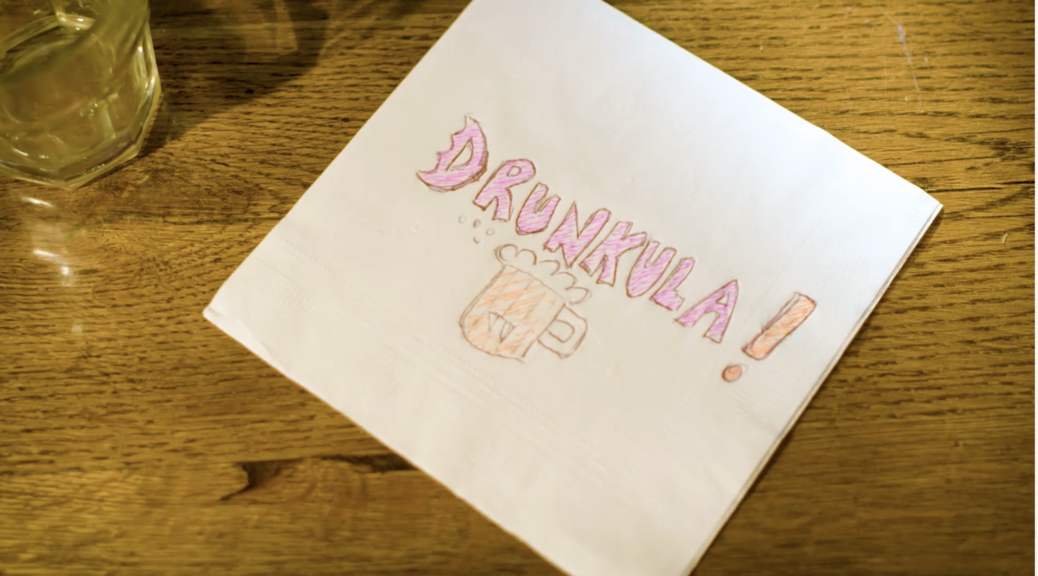
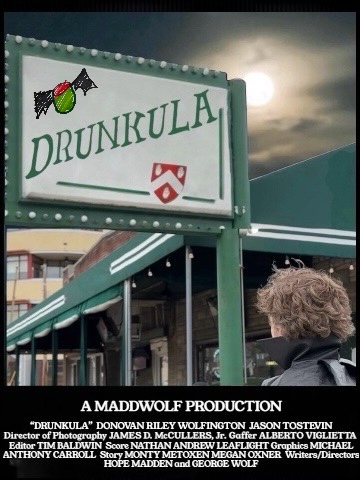
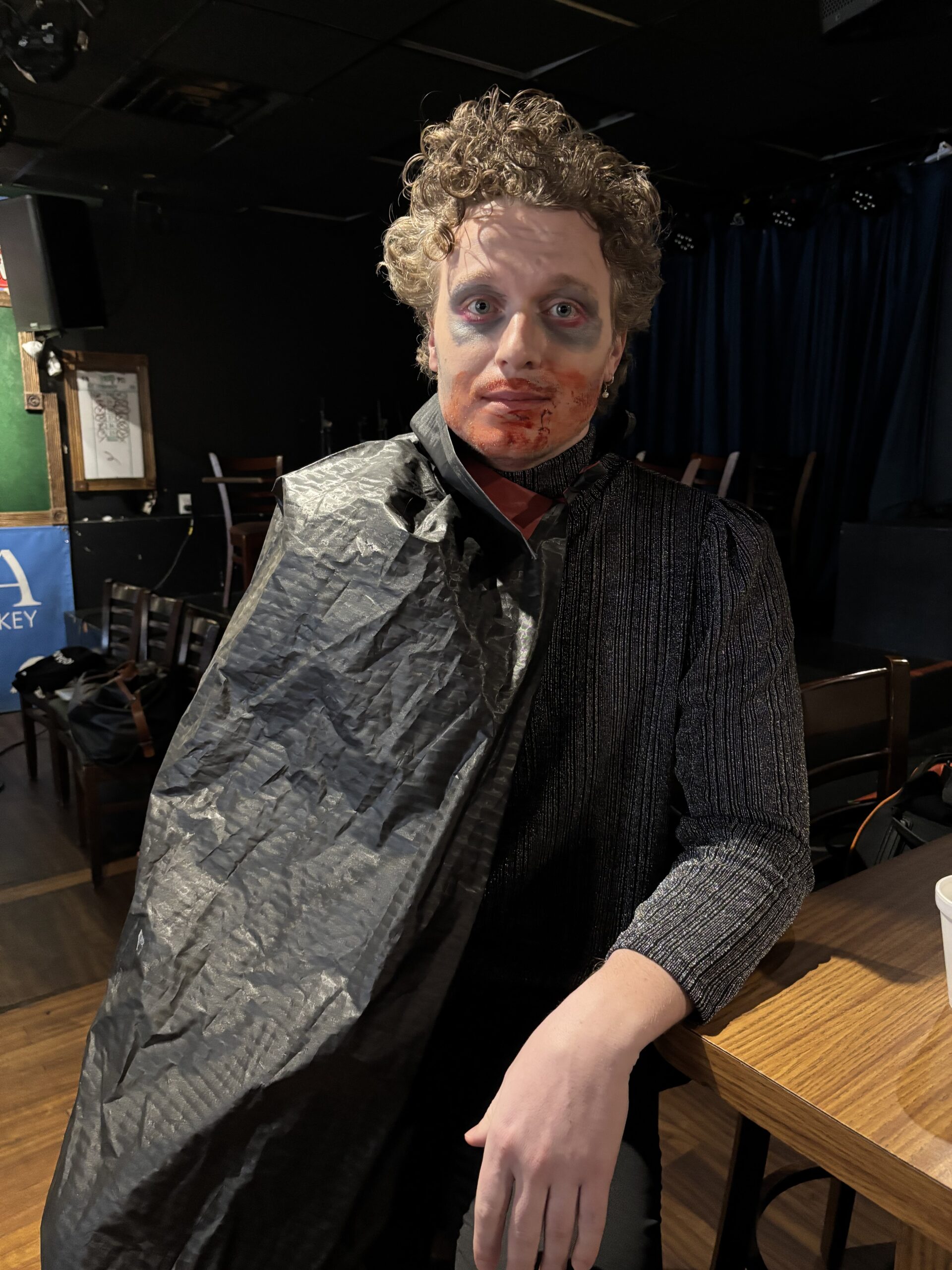
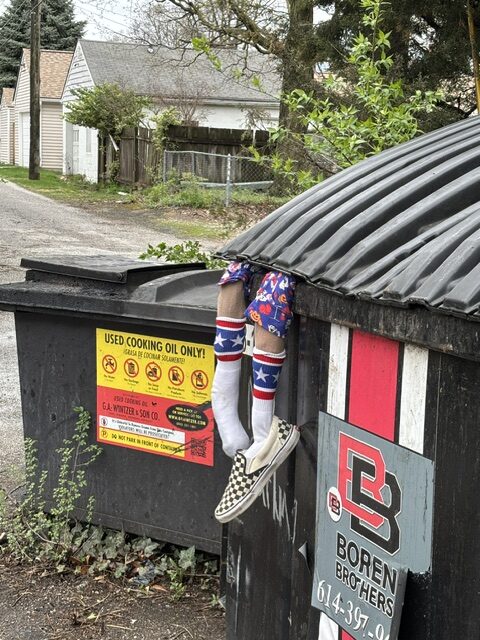
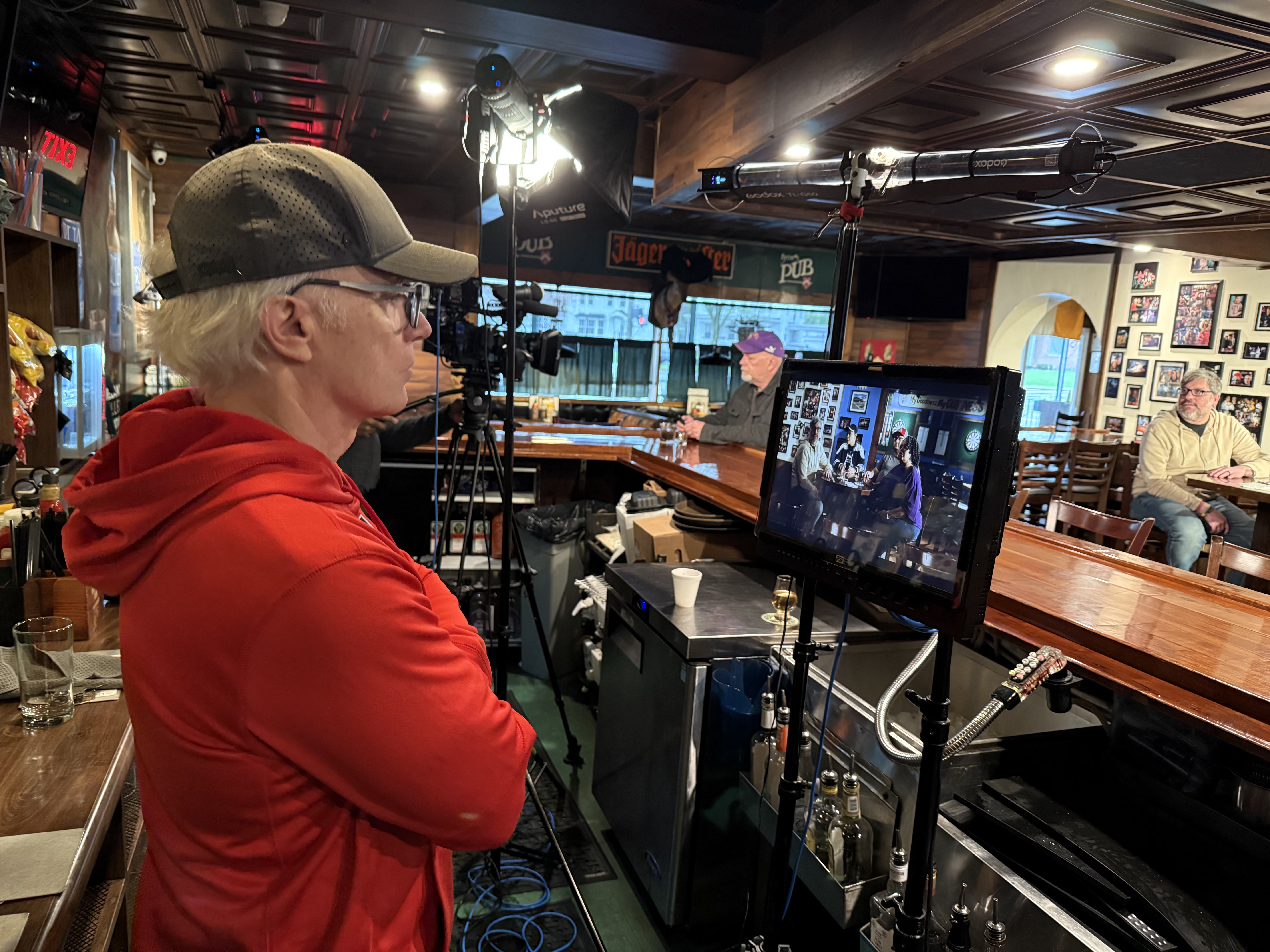
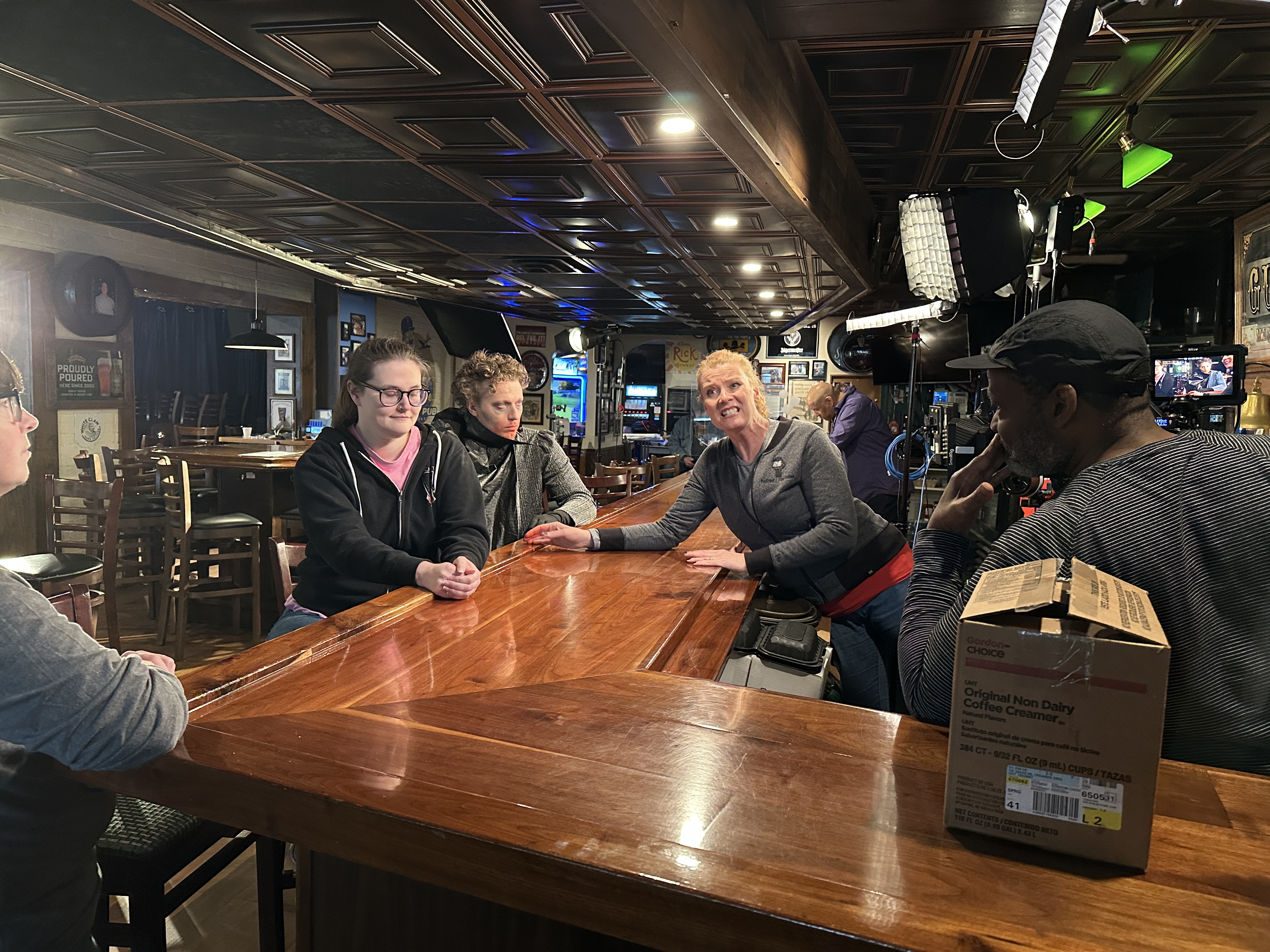
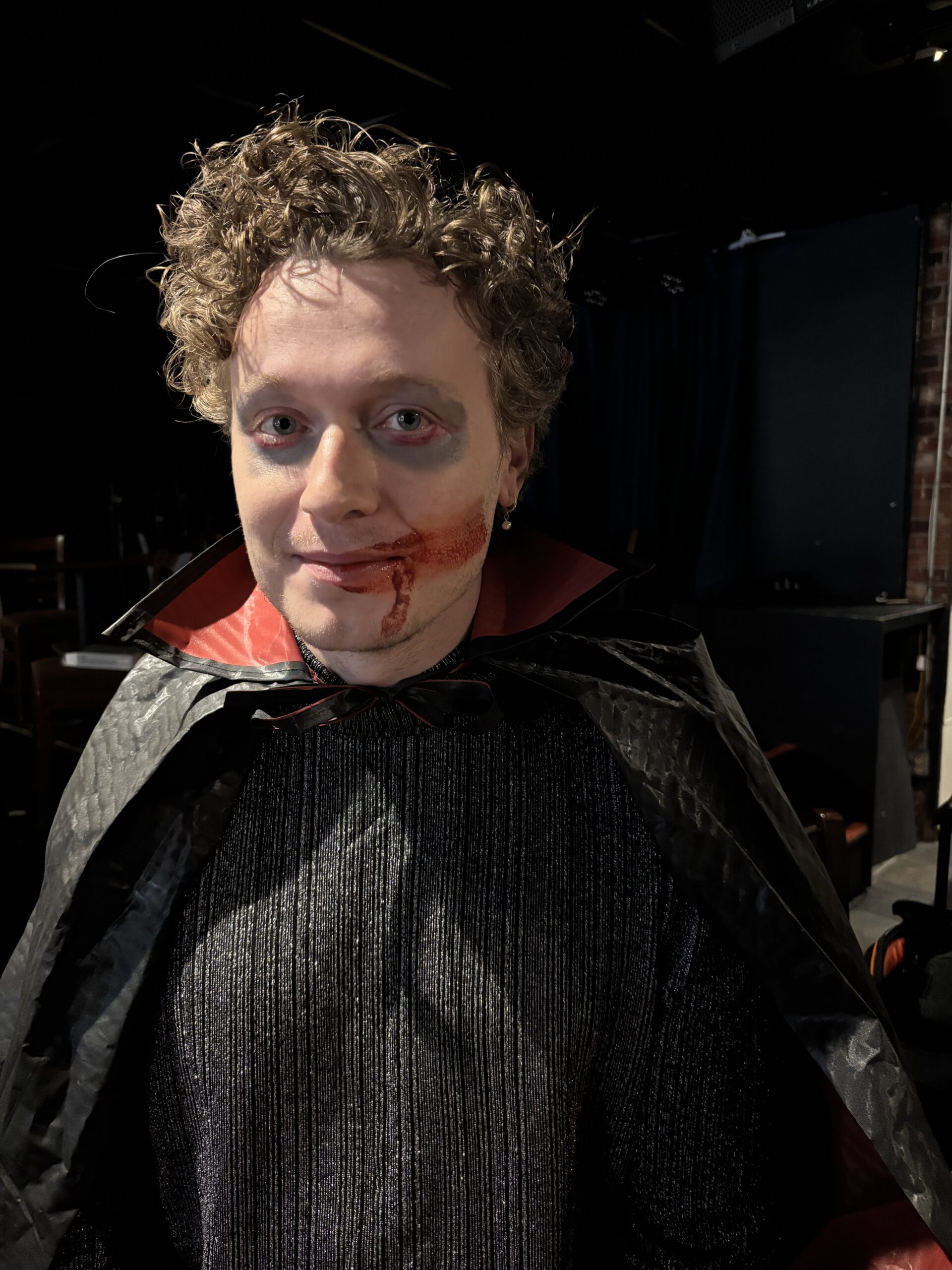
Weary of the nightly chase for a meal, a vampire begins picking drunks off at last call in a neighborhood pub. Though it makes it easier to acquire a meal, eventually the blood alcohol content gets to him.
Nothing promises irresistible fun like a heist movie. That, plus a remarkable voice cast, elevated 2022’s animated adventure The Bad Guys above its sometimes convoluted writing.
Well, those bad guys gone good—Mr. Wolf (Sam Rockwell), Mr. Snake (Marc Maron), Mr. Shark (Craig Robinson), Mr. Piranha (Anthony Ramos), and Ms. Tarantula (Awkwafina)—get sucked into one more heist in The Bad Guys 2.
The team of, let’s be honest, felons is having a tough time finding work since they served their time. And these copycat crimes are only making it harder for them to be accepted back into normal life. Well, a little blackmail and suddenly it looks like maybe the bad guys turned good guys might turn bad guys for the good of the planet, or maybe just turn back guys again for good.
As delightful as the sequel is, the plot is often as cumbersome and complicated as that last sentence.
The voice cast continues to be on point, though, strengthened by additions Danielle Brooks and Natasha Lyonne, who has a voice for animation as perfect to the task as Awkwafina’s. There are sly references, including a fun Silence of the Lambs sequence, plus Colin Jost playing a guy marrying out of his league.
The kids in my screening were mostly delighted, although the sheer volume of kissing made a nearby 9-year-old audibly upset. (Three smooches, and it was the third that seemed to just be too much.) But the romantic side plots are as adorable as the film’s focus on supportive friendship is sweet. (The redistribution of wealth angle is worth a smile as well.)
The snappy visual aesthetic and mischievous energy perfectly suit this cast, and the film feels like a fun and intriguing steppingstone for a franchise or TV series. It’s smarter than it looks and goofier than it needs to be. We’re in too short a supply of both of those things, so I’m happy to report that The Bad Guys 2 delivers the goods.