Hope & George review this week’s new releases: Wuthering Heights, Crime 101, Good Luck Have Fun Don’t Die, GOAT, The Mortuary Assistant, Honey Bunch, Sweetness, and Misdirection
Hope & George review this week’s new releases: Wuthering Heights, Crime 101, Good Luck Have Fun Don’t Die, GOAT, The Mortuary Assistant, Honey Bunch, Sweetness, and Misdirection
by Hope Madden
Remember when people saw the teaser trailer for Emerald Fennell’s “Wuthering Heights” and lost their minds? Everybody assumed Fennell had gotten in there and gone all Saltburn on the classic.
She sure did. Boy howdy, did she.
But let’s be honest, it’s a weird book about meanness and obsession and borderline incest and then outright incest. Plus, if you want a tame version there are about 100 other adaptations you can find. Let Fennell be Fennell.
Because she does it so well!
The film is gorgeous, and I don’t just mean the cast. Although there’s that. Margot Robbie is truly excellent as Cathy, spoiled and vulnerable and cruel and selfish to the core but consistently cheery about it.
And who smolders as well as Jacob Elordi? As Heathcliff, he’s first a scruffy, sad boy full of longing and later, a handsome sad man full of longing. This is absolutely Robbie’s show, but he offers very solid support and their chemistry is undeniable.
Hong Chau, fantastic as always, brings some bite and depth to a character who’s often a bit of a martyred throwaway. Likewise, Alison Oliver is a wild surprise as Isabella.
Fennell, credited with the screenplay, streamlines Emily Brontë’s epic, losing and combining characters wisely and essentially ending the film at the book’s halfway point. It feels very much like the story a teenage girl might have wished Brontë had written, but Fennell has the talent and the cast to make a really good movie out of what is essentially fan fiction.
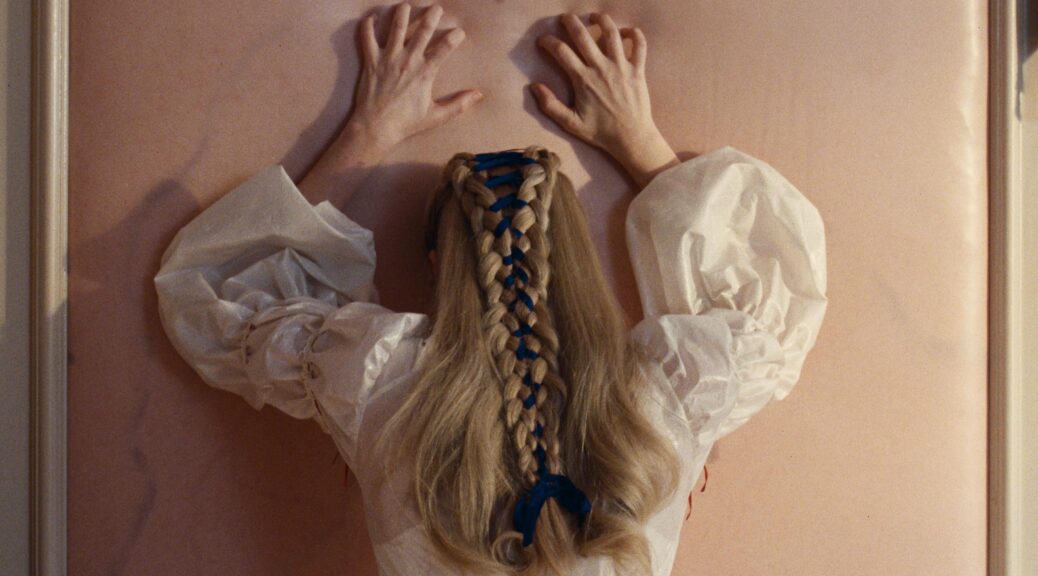
The result is a dazzling, horny sight to see. The costumes, set design, framing, photography—all of it delivers a lush spectacle of the kind we now expect from the Saltburn director.
Wuthering Heights purists might scoff and Emily Brontë might blush, but for the rest of us, it’s hard to be mad at Emerald Fennell’s latest confection.

by Hope Madden
Wuthering Heights was always a conundrum of Gothic literature. It is mean, its tragedies ugly, its heroes selfish and boorish. It’s a dark and misanthropic piece of fiction often mistaken as romance.
Lucky for all of us, Frances O’Connor appreciates the twisted nastiness of the novel and suggests a vividly unusual inner life for its author in her feature debut, Emily.
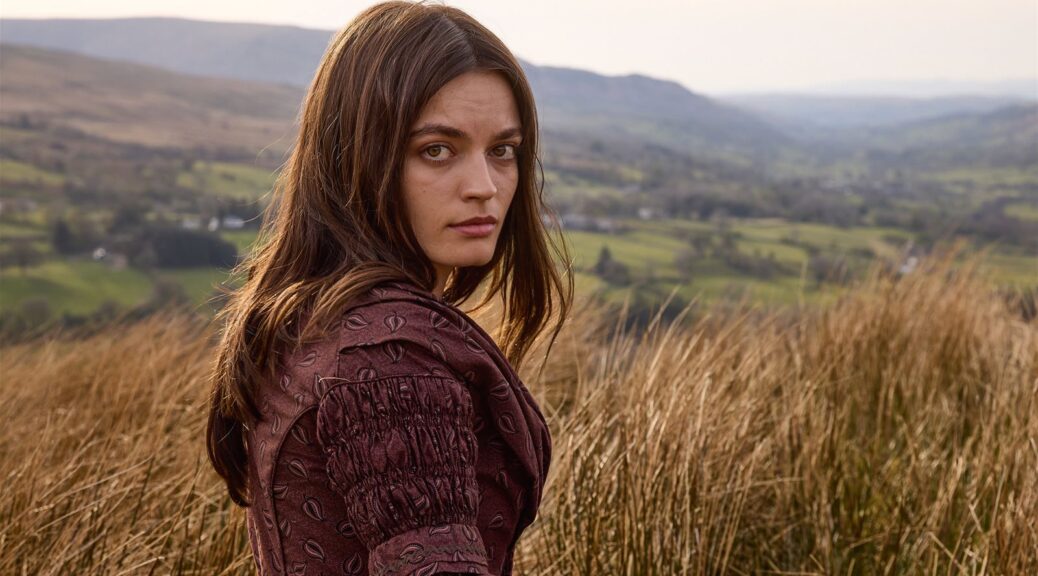
Emma Mackey stars with an understated but authentic weirdness as the misfit Brontë sister. Emily doesn’t seem suited for teaching, or for much of anything. The stories she tells are childish and they embarrass her sisters, and she won’t let anyone read what she’s writing. She seems to disappoint everyone around her except her brother, Branwell (Fionn Whitehead).
In O’Connor’s loose biopic, Emily finds the space to explore once her sisters are gone off to teach and she is alone with Branwell. The filmmaker slyly inserts memorable scenes from Brontë’s novel as moments, here more innocent, between brother and sister. These moments work on many levels, but mainly because writers draw from their own lives.
The dynamic complicates and Emily’s transformation deepens as an unexpected, almost involuntary suiter comes into the picture. Untethered by the judgments of her sisters, Emily is free to determine her own course and the journey is intoxicating to witness. Mackey glows as her character slowly, finally comes into her own, giving us a dimensional, tender and delicately genius young woman you yearn to know better.
Whitehead charms in a slightly underwritten but nonetheless poignant role. Oliver Jackson-Cohen – so different than the unrelenting narcissist of The Invisible Man – delivers the greatest arc of any character as assistant parson William. His performance is never showy, but moments of vulnerability give the film its heartbeat and heartbreak.
O’Connor breathes life with all its chaos, misery and joy into the Brontës’ 19th century. Emily feels less like the vision of a newcomer than the product of a passionate kindred spirit.