Baby Doe
by Matt Weiner
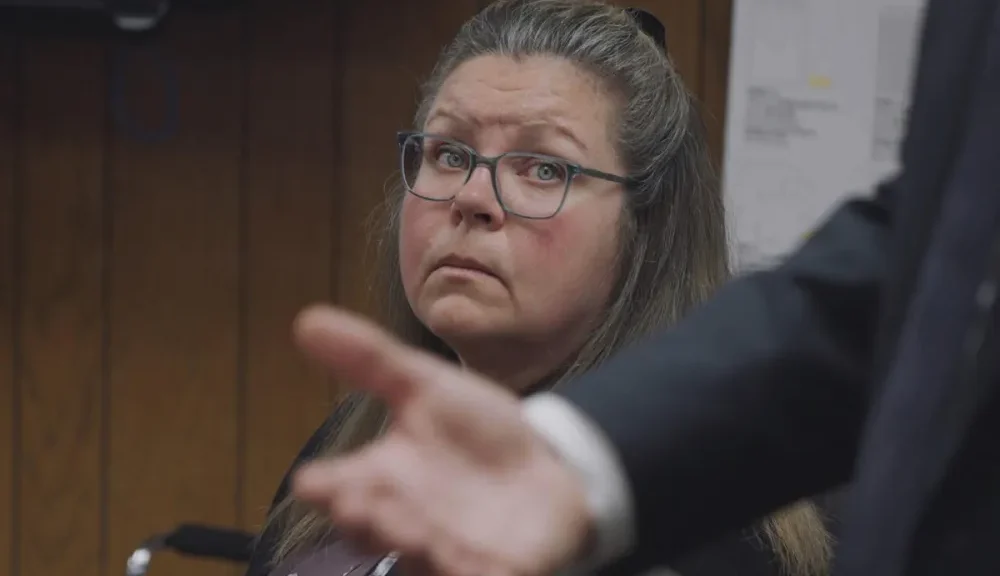
There’s no true crime mystery at the heart of director Jessica Earnshaw’s riveting documentary Baby Doe. Gail Ritchey gave birth in 1993 and left the newborn in the woods in Geauga County, a conservative rural suburb outside of Cleveland, Ohio. The case was a local sensation that went unsolved until 2019, when DNA evidence led investigators to arrest Ritchey for murder.
What follows from that arrest is a challenging examination of the criminal justice system, its treatment of women and their mental health and how we view those accused of what popular culture (and pulpier true crime fare) dub acts that are “especially heinous,” told through a blend of contemporary footage and intimate access to the Ritchey family and their legal team.
Earnshaw’s camera becomes an ever-present member of the extended Ritchey family as they grapple with an unthinkable crime. Ritchey’s high school sweetheart and now husband Mark was unaware that Gail was even pregnant with their child at the time, and Earnshaw doesn’t shy away during interviews as Mark and Gail both reckon with their deeply conservative Christian upbringing that may have contributed to Gail’s state of mind at the time.
As Ritchey’s defense team confers with experts on how to get a jury to sympathize with Ritchey, Earnshaw touches on other high-profile cases on the subject of “denied pregnancy.” This is where the documentary takes yet another surprising—and enraging—turn, with medical experts on one side offering up compelling and deeply moving testimony on the under-discussed condition. On the other side, there is Ohio law, which in this case bars Ritchey and her team from using any of this as part of her defense. Instead, her lawyers must focus on the argument that the baby was stillborn.
Earnshaw’s raw interviews ultimately weave a sad, winding narrative that starts with Ritchey’s overbearing father and ends up in a suburban Cleveland jury room filled with male jury members and a reproving judge. It’s difficult to shake the sense that whatever is happening in that courtroom, it’s not about justice.
We do at least find more tender moments and even grace outside of the trial. Some of this comes from likely sources (a welcoming church, spearheaded by a caring pastor’s wife). But one of these moments comes from a surprising figure near the end of the film, one of the few men outside of the Ritchey family who sees Gail as someone who is more than the acts she has committed.
These moments, rare as they are, hardly make up for a criminal justice system that seems both unequipped and uninterested in understanding the mental health of why some people do what they do. Thankfully, Earnshaw is, and she tells the story beautifully in a way that suggests if sympathy is impossible, we can still find room for empathy.

