Tag Archives: Paul Sparks

Game Over

The Mortuary Assistant

by Hope Madden

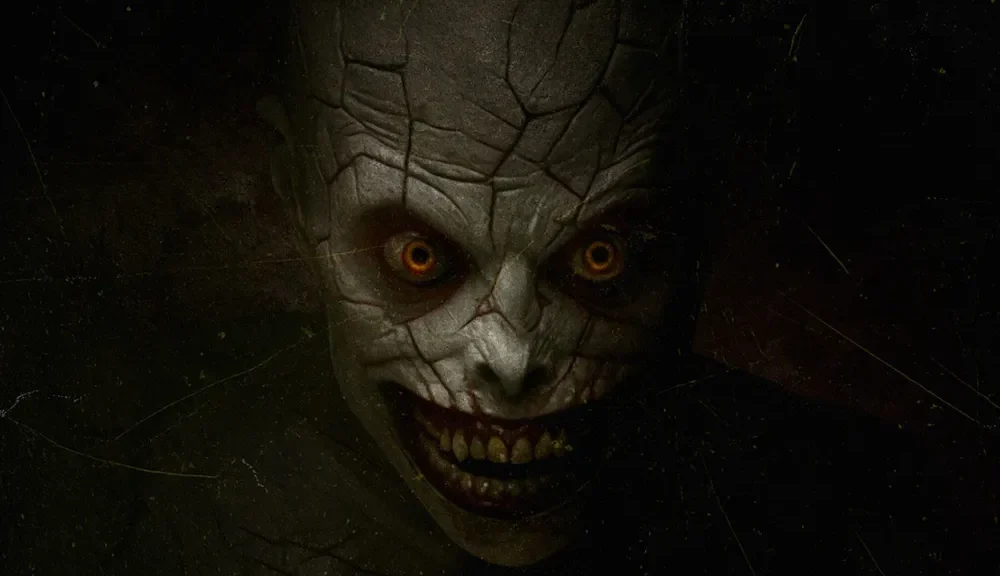
Director Jeremiah Kipp hits the exact right tone as he opens his latest feature, The Mortuary Assistant. Based on the popular video game, the film follows Rebecca Owens (Willa Holland) through her first night on her own at the mortuary.

Before she can fly unaccompanied, she completes her first solo autopsy, as the mortician (Paul Sparks) watches. The scenes are clinical, filmed in close-up, Kipp manufacturing the best combination of mundane and macabre.

Soon enough, Rebecca will begin her first overnight shift, and the clients are not your run of the mill cadavers.

Kipp, working from a script by Tracee Beebe, finds organic ways to give Rebecca a backstory. Flashbacks are not intrusive until they need to be, as the film warps that history into another way to really ruin Rebecca’s first night on the job.

John Adams figures into Rebecca’s past. He’s a perfect choice for a loving dad and for what that pesky demon haunting the mortuary has planned for her.

Holland’s great in a tough role. Rebecca carries probably 90% of the film, much of that screentime spent alone or with a lifeless (?) corpse. It’s an internal character, not an extrovert or the type who talks to herself, and the actor impresses, commanding attention and driving action.

Bebee’s script adds some depth to the game storyline as well, using Rebecca’s backstory to develop a theme of addiction that suits the horror and helps to explain Rebecca’s connection to events.

Sparks delivers an enjoyable performance, stiff and weird as you might expect from a mortician, certainly from this particular mortician. Supporting turns from the small ensemble (Keena Ferguson Frasier and Emily Bennett, in particular) elevate emotion, whether that emotion is heartbreak, fear, or revulsion.

Plus that demon is freaky.

Frequent gamers may be able to make more sense of the actual mythology—possession, demonic bindings, the minutia of morgue work. Still, The Mortuary Assistant transcends the issues that usually plague big screen game adaptations and delivers fun, creepy demonic horror.

A Mother’s Burden

Eric LaRue

by Hope Madden

The film Eric LaRue pairs two of modern cinema’s most talented and least appreciated actors: Judy Greer and Michael Shannon. Intriguingly, Shannon doesn’t appear onscreen. Instead, he makes his feature directorial debut with this emotionally raw drama about a mother’s spiral after her son murders three of his classmates.

As we meet Janice (Greer), she’s struggling just to make it through a grocery store when she runs into Pastor Steve (Paul Sparks, pitch perfect). The dynamic these two actors and their director develop in this crucial scene sets the tone for a movie unafraid to get messy and stay there.

Pastor Steve wants to help. He sincerely does. He doesn’t want to think about what happened, doesn’t want to blame anybody for anything, doesn’t want to rehash the ugliness of the incident. He wants to help this woman clean her wounds and end the infection, but definitely does not want her ripping off any scabs to get there.

Likewise, across town at the more evangelical Redeemer church, Janice’s husband Ron (Alexander Skarsgård) is being wooed into an even cleaner and more complete erasure of his pain by giving his burden to Jesus.

Janice is just not sure any of this helps. And even if it does, it’s not the help she wants.

Shannon directs a script by Brett Neveu, the screen adaptation of his own stage play. It’s a tough story, and one that’s been covered by some outstanding indie films: Fran Kranz’s 2021 chamber piece Mass, and Lynne Ramsay’s 2011 masterpiece We Need to Talk About Kevin ranking among the best.  

Eric LaRue leans closer to Mass in that it examines the influence of religion on the grief, shame, and anger left after such a crime. But Shannon mines his material for a different outcome. A single moment of surreal absurdism (in a booth at Cracklin’ Jane’s restaurant) underscores the film’s cynicism concerning the good-faith efforts of religion to end suffering.

Skarsgård breaks your heart as an awkward, broken man trying desperately to move past his pain. A supporting cast including Tracy Letts, Lawrence Grimm, Kate Arrington, Nation Sage Henrikson, and especially Annie Parisse, delivers precise and authentic turns. But it’s Greer whose powerful performance—full of anger, shame, regret, longing, disappointment and most of all weariness—plays across her face in ways that seem achingly real.

Not everything works, but every performance is remarkable and there is bravery and power behind the message that life and death are messy things.