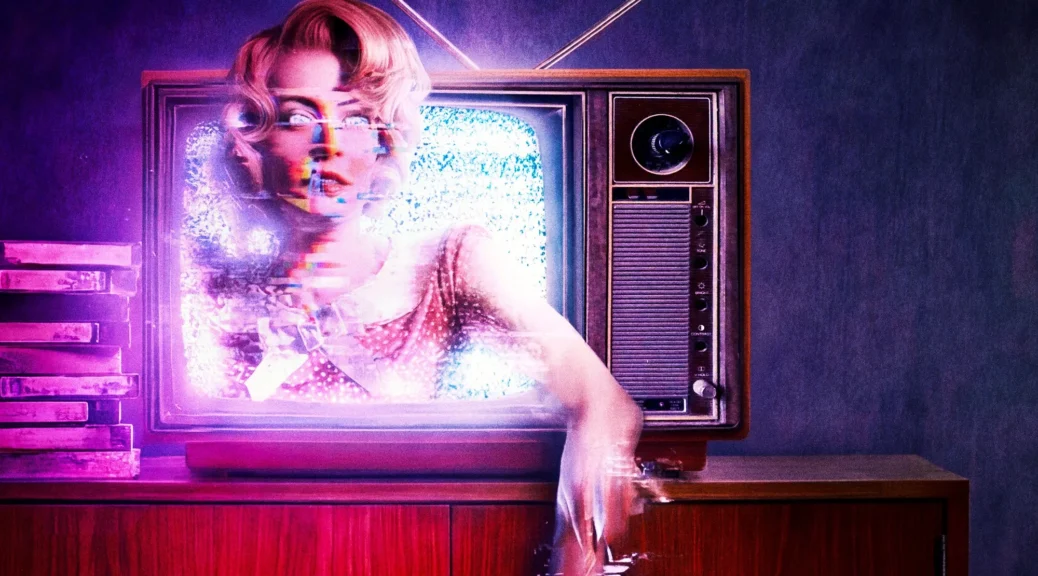
1000 Women in Horror
by Hope Madden
Shudder has produced some fascinating and enlightening documentaries about the genre they serve. Both the film Horror Noire: A History of Black Horror and the series Queer for Fear: The History of Queer Horror shine overdue light on the history of films and filmmakers genre lovers need to know.
In that vein comes Donna Davies’s 1000 Women in Horror. The doc is written for the screen by Alexandra Heller-Nicholas, on whose nonfiction book it’s based. Longtime film critic and genre expert, Heller-Nicholas contributed brilliantly to Alexandre O. Phillipe’s 2024 Texas Chain Saw Massacre doc Chain Reactions, as well as Kier-La Janisse’s 2021 doc Woodlands Dark and Days Bewitched. She knows her way around a horror documentary, is what I’m saying.
So does Davies, for that matter, whose 2009 TV doc Pretty Bloody: The Women of Horror swam similar waters.
The title is an intentional joke. As the film makes clear, women have been a driving creative force in horror films for more than a century. But the film doesn’t spend much time focusing on individual women as much as it does basic genre themes that relate to women: childbirth, the depiction of women on screen at different stages of their lives, and rape, for example.
We do hear from some powerful creators, though. Mary Harron (American Psycho), Nikyatu Jusu (Nanny), Jenn Wexler (The Sacrifice Game),Gigi Saul Guerrero (Bingo Hell) and loads more shed light on how women create and are reflected in horror cinema.
The interviews are sometimes fascinating and often ferocious. Kate Siegel expresses the conflict underlying childbirth in horror better than most could. Throughout, it’s such a joy to deconstruct certain tropes with women, to hear how these tropes—for better or worse—influenced these filmmakers.
A little more of a history lesson would have been appreciated. I’d love to have made myself a list of vintage horror and, more importantly, early pioneers to dig into after the film was through. But when I think of the number of documentaries on cinema I’ve seen over the decades that included solely the voices of men, having just one that asks the opinions of only women experts feels revolutionary in itself.

