Camp
by Hope Madden
A sapphic coming-of-age summer camp horror, those words are not untrue. They are inaccurate. Whatever expectations you may have coming into writer/director Avalon Fast’s Camp, they’re wrong. Which is not necessarily bad.
Prizing atmosphere over genre, Fast’s loose narrative and structure benefit the floating grief that keeps Emily (Zola Grimmer) only partly present in any situation. It’s rooted in an adolescent tragedy and exacerbated by an incident in her early twenties. She’s disconnected, vacant, and her concerned father suggests she take a counselor position at a summer camp for troubled kids.
But Fast clarifies from Camp’s opening sequence that this is not going to be a slasher. Even when Emily falls in with a close-knit group of likewise disaffected young women—her own coven, if you will—the filmmaker shrugs off any comfortable comparison. The Craft? Practical Magic?
No, grief, guilt, shame, and the disconcertingly untethered existence of modern young adulthood don’t fit so neatly into a single box. Fast wanderingly explores ideas connected with nature and female camaraderie, with acceptance and rejection, with the search for peace. But a typical witch film this is not.
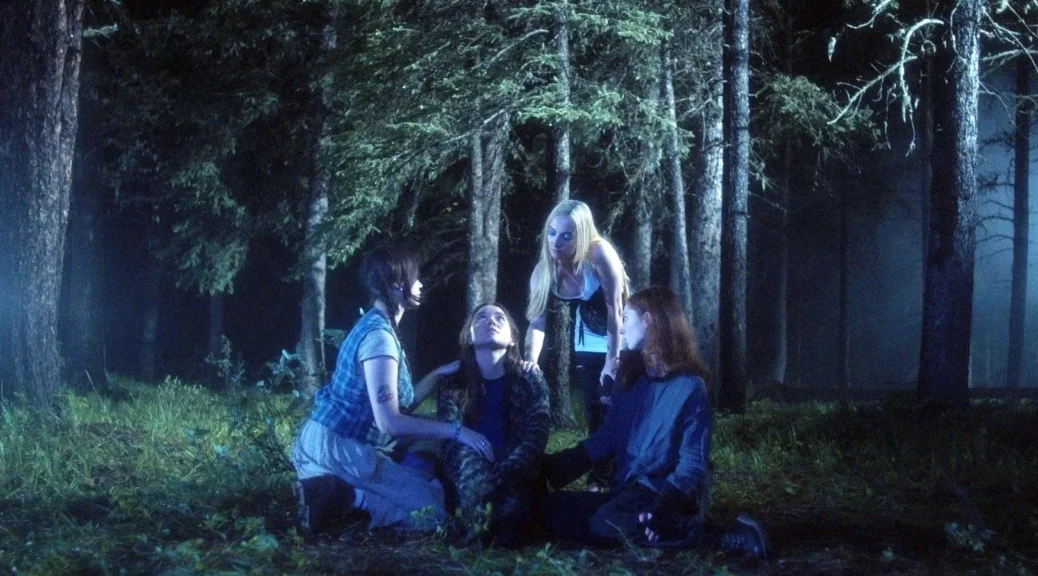
In a little attic space above a cabin in a Christian Youth Camp, five damaged young women cling to each other. They bond, drink, hallucinate, cast spells, make sacrifices, and feel comfort. But unlike The Craft, which condemned a dark use of the feminine power of nature, Camp is nonjudgmental.
Instead, Fast is interested in these broken young women and their hazy search for something to make them feel whole. The pace is slow, the imagery hypnotic, occasionally surreal. The film aches. It mourns. It embraces a vivid if ill-defined reality in which there is no clear path to happiness or wholeness.
Self-discovery is the key, and Emily’s is all melancholy magic. Cinematographer Eily Sprugman captures Emily’s heady freedom and earthy nightmare with gorgeous color. Fast’s languid pace, though sometimes tiresome, mainly delivers a groggy magic that feels like a dark dream.
Grimmer’s naturalistic performance grounds the wonder with honesty and heartbreak. There’s a real sadness at the heart of Camp that, along with an intriguingly messy morality, will keep you thinking about it long after it’s over.

